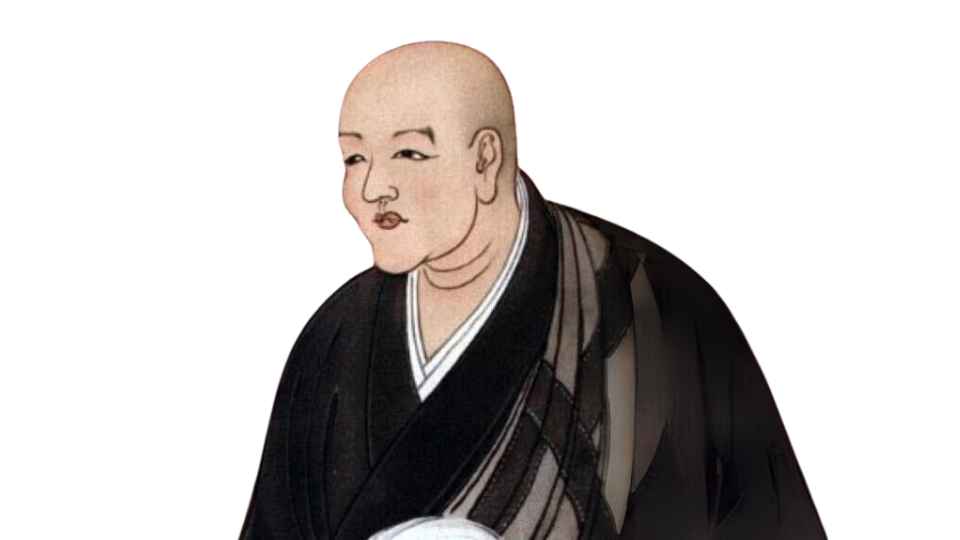
The Art of Presence: Embracing Each Moment as Zazen
Dōgen's assertion that "Each moment, every action: this is your zazen" invites us to reconsider the nature of our daily lives. In this profound statement, he emphasizes that the essence of zazen, or seated meditation, extends far beyond the confines of a meditation cushion. It beckons us to recognize that every moment, every action we take, is an opportunity for mindfulness and presence, urging us to engage fully with our experiences as they unfold. This perspective challenges the common dichotomy between meditation and the busyness of life, suggesting instead that they are intertwined.
By framing zazen as a continuous practice woven into the fabric of our daily existence, Dōgen encourages us to cultivate a deeper awareness of our thoughts, feelings, and actions. This teaching is not merely a call to be present; it is an invitation to embody presence in every aspect of our lives. In a world often characterized by distraction and fragmentation, Dōgen's words resonate with a timeless urgency, reminding us that the path to enlightenment is not found in escape from the world but in our full engagement with it.
The image / the metaphor
The imagery in Dōgen's quote is strikingly vivid, as it evokes the idea of zazen not as a singular act but as a continuous flow of being. The verbs "each" and "every" emphasize the totality of our experience, suggesting that no moment is too small or insignificant to be infused with mindfulness. This perspective transforms mundane actions—such as walking, eating, or even conversing—into sacred practices, each imbued with the potential for awakening. The felt sense of this teaching is one of immediacy and intimacy, inviting us to fully inhabit our lives.
In the speaker's tradition
Within the Zen tradition, Dōgen's insights are deeply rooted in the concepts of dharma and prajna, or wisdom. The practice of zazen is not merely a technique but a means of realizing the interconnectedness of all things. By engaging fully with each moment, we cultivate a profound understanding of sunyata, or emptiness, recognizing that our actions are not separate from the world around us. This realization fosters a sense of compassion and interconnectedness, as we come to see that our presence impacts the collective experience of life.
In his seminal work, the Shobogenzo, Dōgen elaborates on the nature of practice and realization, emphasizing that true understanding arises from direct experience rather than intellectual abstraction. He writes, "To study the Buddha Way is to study the self; to study the self is to forget the self." This encapsulates the essence of his teaching: that through the practice of zazen, we come to understand our place within the vast tapestry of existence, where each moment is a thread that contributes to the whole.
Living the teaching
Consider a modern scenario where Dōgen's teaching can be applied: the act of commuting to work. For many, this time is often filled with distractions—checking emails, scrolling through social media, or simply zoning out. However, if we approach this daily ritual as an opportunity for zazen, we can transform it into a practice of presence. By focusing on the sensations of the journey, the rhythm of our breath, or the sights and sounds around us, we can cultivate a mindful awareness that enriches our experience and connects us to the present moment.
In relationships, Dōgen's teaching can also find profound application. Imagine a conversation with a loved one where distractions abound—phones buzzing, thoughts wandering. By embracing the idea that "each moment, every action" is zazen, we can commit to being fully present with our partner. This means listening deeply, engaging with empathy, and allowing the conversation to unfold without interruption. In doing so, we honor not only the relationship but also the sacredness of the moment, fostering a deeper connection that transcends the superficial.
A reflection
As we contemplate Dōgen's words, we are invited to reflect on our own lives: How often do we allow ourselves to be fully present in each moment? In what ways can we transform our daily actions into opportunities for mindfulness? By embracing the notion that every action is a form of zazen, we can begin to cultivate a deeper awareness of our lives, inviting a sense of peace and clarity into our everyday experiences. Let us ask ourselves: What would it mean to live each moment as a sacred act of presence?


