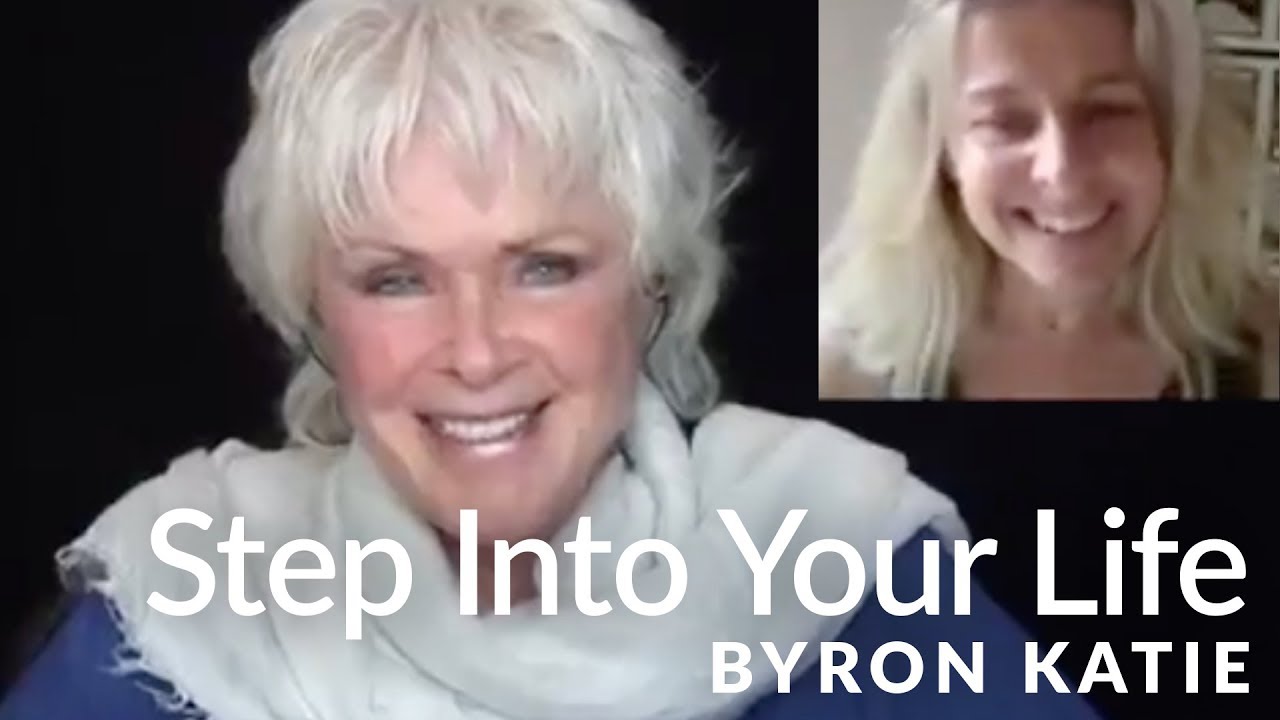
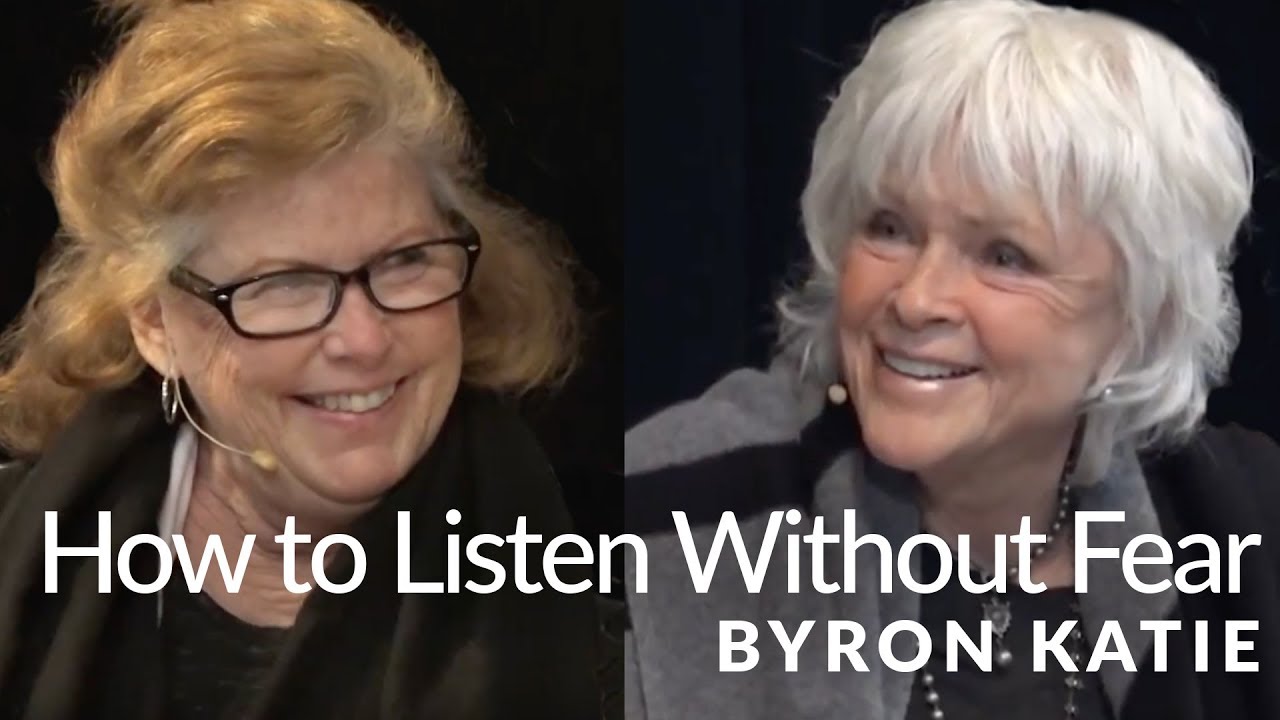
Byron Katie's assertion that "There is only love. Anything else is the mind's misperception" invites us to reconsider the very fabric of our existence. At its core, this statement challenges the myriad distractions and distortions that cloud our understanding of reality. In a world often dominated by fear, anger, and misunderstanding, recognizing love as the singular truth becomes a profound spiritual endeavor. This perspective not only reshapes our relationships with others but also with ourselves, urging us to peel back the layers of misperception that obscure our innate essence.
To delve deeper into Katie's insight is to embark on an exploration of the mind's role in shaping our experiences. The mind, with its incessant chatter and judgments, often leads us astray, creating narratives that separate us from the truth of love. This misperception manifests in countless ways, from interpersonal conflicts to self-doubt. By acknowledging that love is the only reality, we open ourselves to a transformative understanding that transcends the limitations imposed by our thoughts. This journey is not merely intellectual; it is a heartfelt invitation to embrace a more profound connection with ourselves and the world around us.
The image / the metaphor
The imagery in Katie's quote evokes a sense of clarity amidst chaos. When she speaks of love as the only truth, she paints a picture of a vast, unchanging ocean, while the mind's misperceptions are akin to fleeting waves that crash upon the shore. The verbs chosen—"is" and "misperception"—suggest a stark dichotomy between the eternal nature of love and the transient, often deceptive nature of thought. This contrast invites us to feel the weight of our experiences and the lightness of love, urging us to discern between the two.
In the speaker's tradition
Byron Katie's teachings resonate deeply within the non-dual tradition, which emphasizes the interconnectedness of all beings and the illusion of separation. Concepts such as *sunyata* (emptiness) and *fana* (annihilation of the self) echo the essence of her message, suggesting that our perceived individuality is a construct of the mind. In this light, love emerges as the ultimate reality, transcending the dualities that often lead to suffering. The practice of *bhakti*, or devotion, further aligns with Katie's perspective, as it encourages surrendering the ego to experience the divine love that is inherent in all.
In her work, Katie often draws upon the principles of inquiry, inviting individuals to question their thoughts and beliefs. This practice mirrors the Buddhist concept of *prajna*, or wisdom, which arises from a deep understanding of the nature of reality. Just as the Buddha taught that attachment to thoughts leads to suffering, Katie emphasizes that clinging to misperceptions prevents us from experiencing the love that is our true nature. By situating her teachings within this rich spiritual context, we can appreciate the depth and universality of her message.
Living the teaching
Consider a modern scenario where this teaching can be applied: a heated argument between friends. In the moment, emotions run high, and each person feels justified in their perspective. However, if one were to pause and reflect on Katie's assertion that only love is real, the dynamic shifts. Instead of clinging to grievances or perceived slights, both individuals can choose to reconnect with the underlying love that brought them together in the first place. This shift in perception can transform conflict into an opportunity for deeper understanding and reconciliation.
Another application of this teaching might arise in the context of self-criticism. Many of us grapple with negative self-talk, believing the harsh judgments of our minds to be the truth of who we are. By embracing Katie's perspective, we can recognize these thoughts as mere misperceptions, distractions from our inherent worthiness and capacity for love. This realization can lead to a daily practice of self-compassion, where we consciously choose to affirm our value and embrace the love that resides within, allowing it to guide our actions and interactions.
A reflection
As we contemplate Byron Katie's profound insight, we are invited to engage in a reflective inquiry: What misperceptions am I holding onto that obscure my experience of love? This question encourages us to examine our thoughts and beliefs, inviting a deeper understanding of how they shape our reality. By exploring this inquiry, we can begin to dismantle the barriers that separate us from love, ultimately leading us toward a more authentic and connected existence.