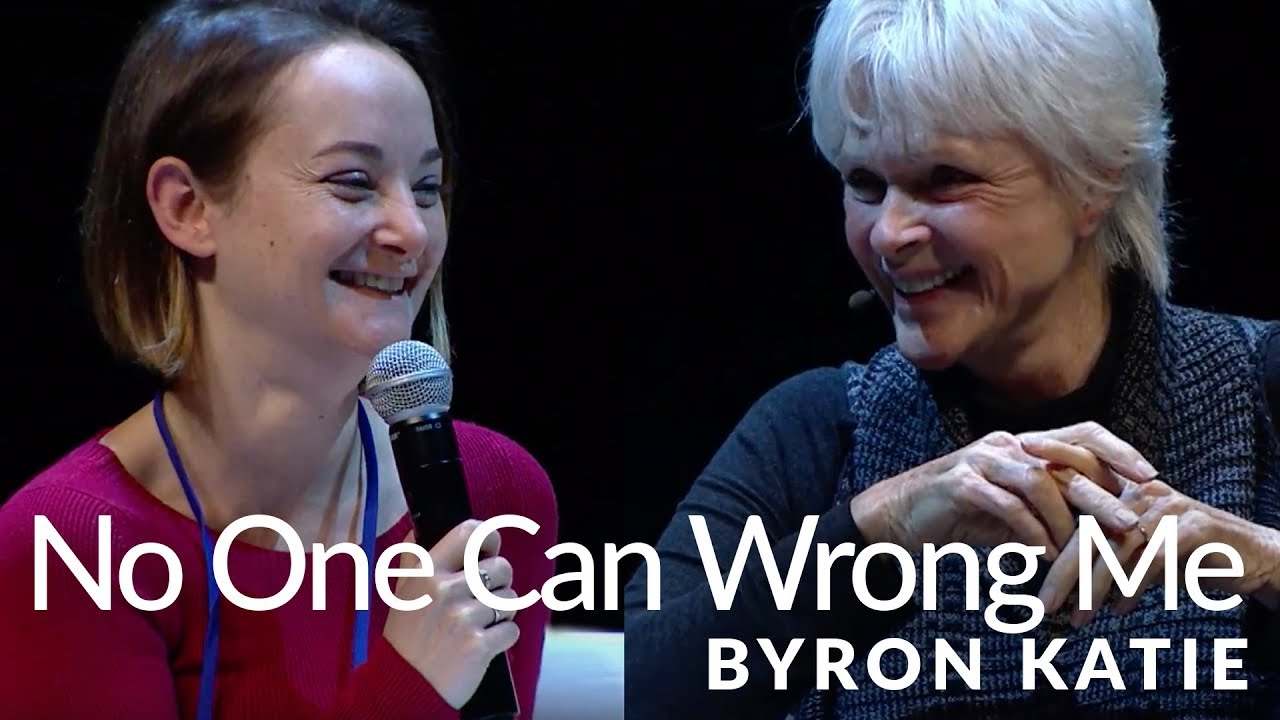
Mind Your Own Business: The Art of Boundaries in Spiritual Practice
Byron Katie's assertion that "There are three kinds of business: mine, yours, and God's. Mind only your own," invites us to reflect deeply on the nature of personal responsibility and the boundaries we set in our lives. This quote serves as a gentle reminder that our energy and focus are best spent on our own thoughts, feelings, and actions rather than becoming entangled in the affairs of others or the divine. In a world rife with distractions and external expectations, this teaching encourages us to cultivate a sense of inner peace by reclaiming our attention and nurturing our own spiritual growth.
At its core, this quote challenges us to examine the ways we often overstep our boundaries, either by trying to control others or by becoming preoccupied with matters beyond our influence. The stakes are high; when we neglect our own business, we risk losing touch with our authentic selves and the clarity that comes from self-awareness. By focusing on our own "business," we not only honor our personal journey but also create space for others to navigate theirs, fostering a more compassionate and understanding world.
The image / the metaphor
The imagery in Byron Katie's quote is strikingly simple yet profoundly impactful. The division of business into three categories—mine, yours, and God's—paints a clear picture of the boundaries that exist in our lives. The verbs "mind" and "focus" imply an active engagement with our own thoughts and actions, suggesting that we have a choice in where we direct our attention. This metaphor serves as a reminder that our mental and emotional resources are finite; thus, we must be intentional about how we allocate them.
Diving deeper into this metaphor, we can see that the concept of "business" extends beyond mere responsibilities or tasks. It encompasses our emotional landscape, our beliefs, and our perceptions of reality. By recognizing that we have the power to choose where we invest our energy, we can cultivate a sense of agency in our lives. This perspective invites us to let go of the need to control or judge others, allowing us to embrace a more compassionate and accepting stance toward ourselves and those around us.
In the speaker's tradition
Byron Katie's teachings are rooted in the non-dual tradition, which emphasizes the interconnectedness of all beings and the illusion of separation. Concepts such as dharma, or one's personal path, and kenosis, the act of self-emptying, resonate deeply with her message. In this context, "minding our own business" can be seen as an invitation to align with our true nature, shedding the layers of ego that often lead us to interfere in the lives of others. This practice of self-inquiry and self-responsibility is essential for spiritual growth and understanding.
A relevant text that echoes this sentiment is the Tao Te Ching, which teaches the importance of simplicity and returning to one's own nature. In Chapter 8, it states, "The highest good is like water. Water gives life to the ten thousand things and does not strive." This passage highlights the beauty of allowing life to unfold naturally, without the need to control or manipulate circumstances. By focusing on our own business, we can embody this fluidity and grace, nurturing our own growth while allowing others the freedom to do the same.
Living the teaching
Consider a modern scenario where this teaching might resonate: a workplace filled with gossip and competition. In such an environment, it can be tempting to engage in the drama of others, whether by spreading rumors or by feeling the need to defend oneself against criticism. However, by consciously choosing to "mind our own business," we can redirect our focus toward our own work and personal development. This shift not only enhances our productivity but also fosters a more positive atmosphere, as we model the behavior we wish to see in others.
This teaching can also be applied in personal relationships, particularly during conflicts. Imagine a disagreement with a loved one where both parties feel misunderstood. Instead of trying to control the narrative or fix the other person's feelings, we can practice self-inquiry by asking ourselves what our own reactions reveal about us. By focusing on our own emotions and responses, we create space for authentic communication and healing, allowing the relationship to evolve naturally without the burden of external expectations.
A reflection
As we contemplate Byron Katie's wisdom, we might ask ourselves: "In what areas of my life am I overstepping my boundaries, and how can I gently redirect my focus back to my own business?" This question invites us to engage in a practice of self-reflection, encouraging us to explore the ways we might be entangled in the affairs of others. By embracing this inquiry, we can cultivate a deeper understanding of ourselves and our place in the world, ultimately leading to a more harmonious existence.