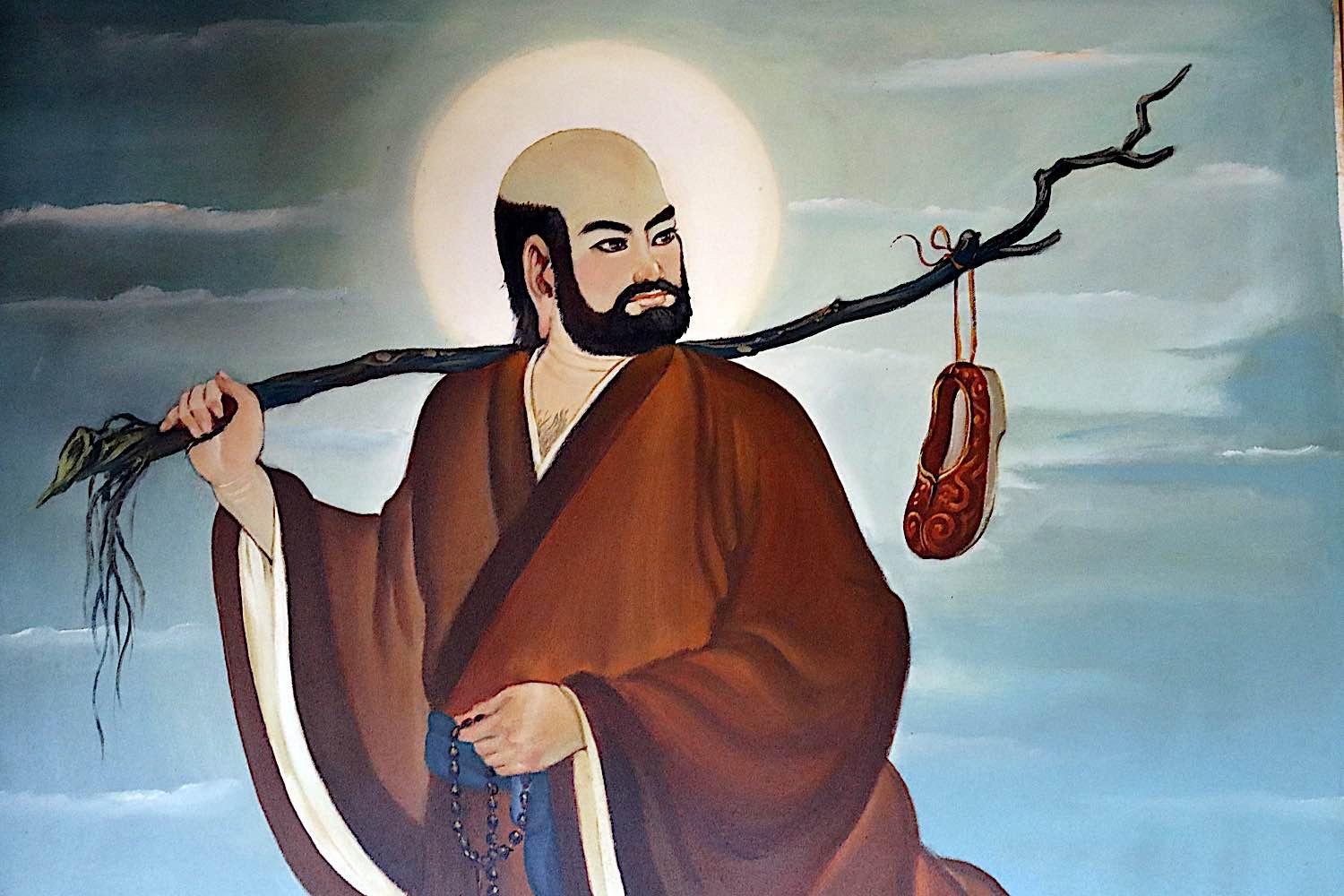
Bodhidharma's assertion, "Where there is no fear, there is no protector," invites us to explore the intricate relationship between fear and the sense of safety we seek in our lives. This statement suggests that fear, often perceived as a protective instinct, can paradoxically inhibit our ability to safeguard ourselves. In a world rife with uncertainties, understanding this dynamic is crucial; it challenges us to confront our fears rather than allow them to dictate our actions and perceptions.
Delving deeper, we find that Bodhidharma's words resonate with the essence of Zen practice, which encourages a direct engagement with reality. Fear can act as a veil, obscuring our vision and limiting our potential. By recognizing that true protection arises from a state of fearlessness, we are invited to cultivate a profound independence, one that is rooted not in avoidance but in the acceptance of our vulnerabilities. This journey toward fearlessness is not merely an act of courage; it is a transformative process that leads to genuine self-awareness and liberation.
The image / the metaphor
The imagery in Bodhidharma's quote evokes a stark contrast between fear and protection. The notion of a "protector" implies a guardian or a shield, something that stands between us and the threats we perceive. However, when fear is absent, the need for such protection diminishes, suggesting that the most profound safety comes from within. The verbs chosen—"is" and "there"—imply a state of being rather than a transient condition, emphasizing that fearlessness is not a fleeting moment but a sustained way of existing.
Going deeper into the metaphor, we can see that the absence of fear does not equate to a lack of awareness or caution. Instead, it signifies a profound clarity and presence that allows us to navigate life’s challenges with grace. In this state, we become our own protectors, relying on inner strength and wisdom rather than external defenses. This shift in perspective transforms our relationship with fear, allowing us to see it not as an enemy but as a teacher that guides us toward greater self-discovery.
In the speaker's tradition
Within the Zen tradition, Bodhidharma's teachings resonate with core concepts such as dharma and prajna, which emphasize the importance of understanding the nature of reality and our place within it. Fear, in this context, can be seen as a manifestation of ignorance—an inability to perceive the world as it truly is. By cultivating prajna, or wisdom, practitioners learn to transcend fear, recognizing that it is often rooted in attachment and misunderstanding. This journey toward enlightenment is marked by a gradual release of the fears that bind us, leading to a state of liberation.
In Bodhidharma's "Outline of Practice," he encourages practitioners to engage in meditation and self-inquiry, which serve as tools for dismantling the illusions that give rise to fear. This process mirrors the concept of sunyata, or emptiness, which teaches that our fears are often projections of our own minds rather than reflections of reality. By embracing this emptiness, we can cultivate a sense of fearlessness that empowers us to face life’s uncertainties with confidence and equanimity.
Living the teaching
Consider a modern scenario where this teaching might resonate: a professional facing a significant career change. The fear of the unknown can be paralyzing, leading to indecision and anxiety. However, by embracing Bodhidharma's insight, the individual can recognize that their fear is not a protective mechanism but rather a barrier to growth. By confronting this fear head-on, they may discover new opportunities and strengths they never realized they possessed, ultimately becoming their own protector in the face of uncertainty.
In a different context, imagine a relationship strained by misunderstandings and unspoken fears. Here, the teaching invites us to examine how fear can distort our perceptions of one another. By fostering open communication and vulnerability, both partners can dismantle the walls built by fear, allowing for deeper connection and understanding. This practice of fearlessness not only strengthens the relationship but also cultivates a shared sense of safety, where both individuals can thrive without the constraints of their insecurities.
A reflection
As we contemplate Bodhidharma's profound statement, we are left with a pivotal question: What fears are currently shaping my perceptions and actions, and how might I begin to dismantle them? This inquiry invites us to engage in a process of self-reflection, encouraging us to identify the fears that hold us back from living fully and authentically. By embracing this exploration, we can begin to cultivate a deeper sense of fearlessness, ultimately discovering the protector that resides within us all.
