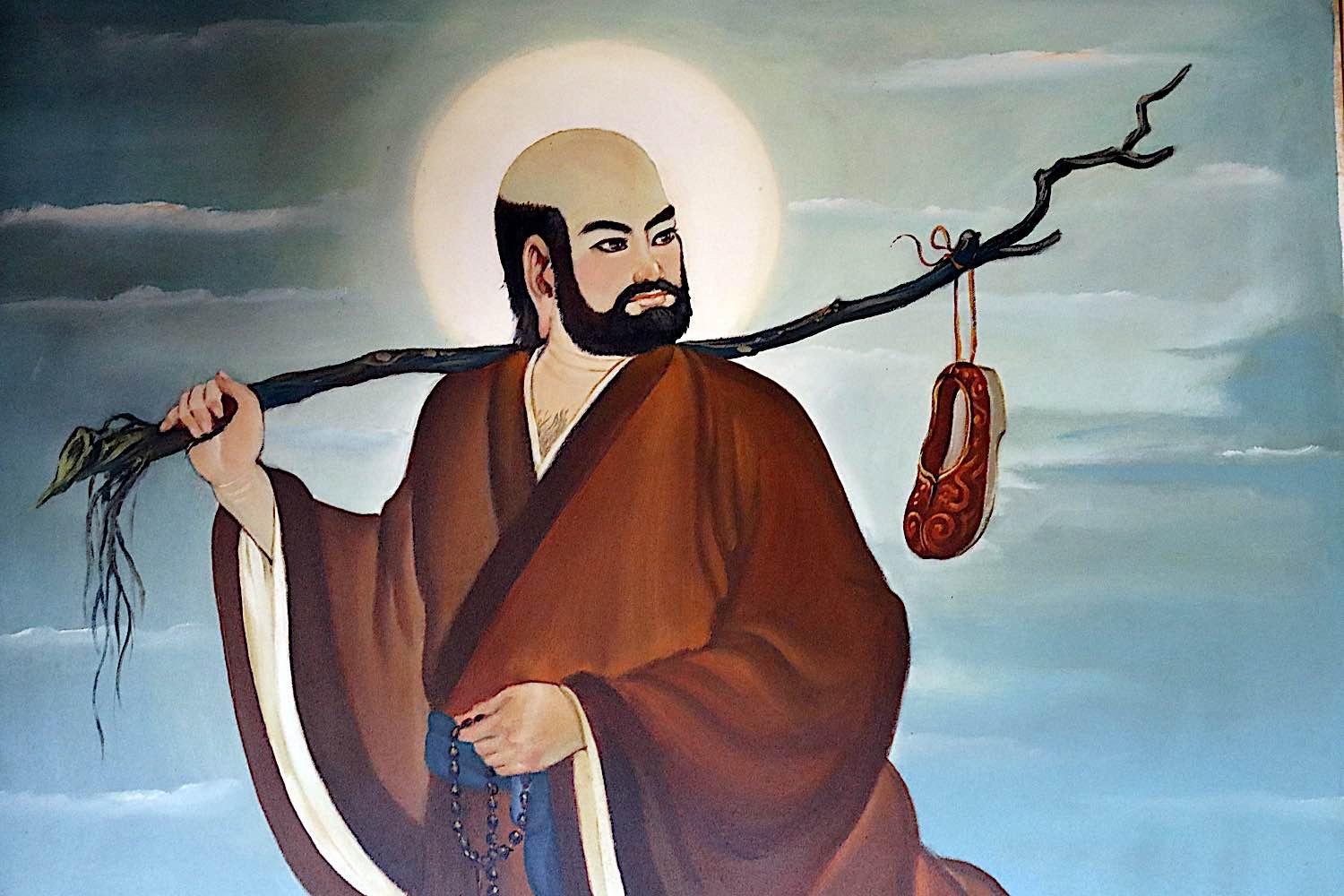
In the words of Bodhidharma, "To sit is to take your place among them." This profound statement invites us to consider the act of sitting not merely as a physical posture but as a deep engagement with the collective human experience. It suggests that in our stillness, we find a connection to others, to our lineage, and to the very essence of existence. This teaching resonates with the heart of Zen practice, where the simple act of sitting can lead to profound insights about belonging and interconnectedness.
As we delve deeper into this quote, we uncover layers of meaning that speak to our innate desire for connection. Sitting, in this context, becomes a metaphor for acceptance—accepting ourselves, our place in the world, and the shared journey of all beings. It is an invitation to pause, to reflect, and to recognize that in our stillness, we are not alone. This understanding can transform our approach to meditation and daily life, encouraging us to embrace our role within the larger tapestry of existence.
The image / the metaphor
The imagery of "sitting" evokes a sense of grounding and stability. It conjures the image of a person seated in meditation, embodying a stillness that contrasts with the often chaotic nature of life. The verb "to take" suggests an active choice, a deliberate decision to occupy a space that is both personal and communal. This act of sitting is not passive; it is a powerful assertion of presence, a way of claiming our place in the world and acknowledging the shared humanity that binds us.
Diving deeper into the metaphor, we can see that sitting represents more than just a physical act; it symbolizes a state of being. In Zen, the practice of zazen, or seated meditation, is a way to cultivate awareness and presence. It is in this stillness that we can confront our thoughts, emotions, and the myriad distractions of life. By taking our place among others through the act of sitting, we engage in a practice that transcends individual experience, inviting us into a collective understanding of existence.
In the speaker's tradition
Bodhidharma, the legendary figure credited with bringing Zen to China, emphasized the importance of direct experience and personal insight. His teachings often revolve around concepts such as dharma, the path of truth, and sunyata, the emptiness that underlies all phenomena. In this light, the act of sitting becomes a way to engage with the dharma, allowing us to experience the interconnectedness of all beings. It is through this practice that we can begin to understand the nature of existence and our place within it.
In Bodhidharma's teachings, we find echoes of the concept of kenosis, or self-emptying, which invites us to let go of our preconceived notions and attachments. This aligns with the Zen practice of cultivating prajna, or wisdom, which arises from direct experience rather than intellectual understanding. The act of sitting, therefore, becomes a gateway to realizing the profound truths of our existence, allowing us to connect with the lineage of practitioners who have come before us and those who will follow.
Living the teaching
Consider a modern scenario where the teaching of "to sit is to take your place among them" resonates deeply. Imagine a busy office environment where colleagues are often caught up in their individual tasks, leading to a sense of isolation despite physical proximity. By introducing a practice of mindful sitting—perhaps a brief moment of collective silence at the start of meetings—individuals can reconnect with one another, fostering a sense of belonging and shared purpose. This simple act of sitting together can transform the workplace dynamic, reminding everyone of their interconnected roles.
In a more personal context, think about a challenging moment in a relationship where misunderstandings have created distance. By choosing to sit together in silence, allowing space for vulnerability and presence, both individuals can begin to bridge the gap. This act of sitting becomes a powerful tool for healing, as it encourages openness and acceptance, allowing each person to take their place in the shared narrative of their relationship. In these moments, we find that sitting is not just about physical stillness; it is about cultivating emotional and spiritual connection.
A reflection
As we reflect on Bodhidharma's words, we are invited to consider our own relationship with stillness and belonging. In what ways do we resist taking our place among others, and how might we embrace the transformative power of sitting? This contemplation can lead us to a deeper understanding of our interconnectedness and the importance of presence in our lives. As we engage with this question, we open ourselves to the possibility of greater compassion and connection with ourselves and those around us.
