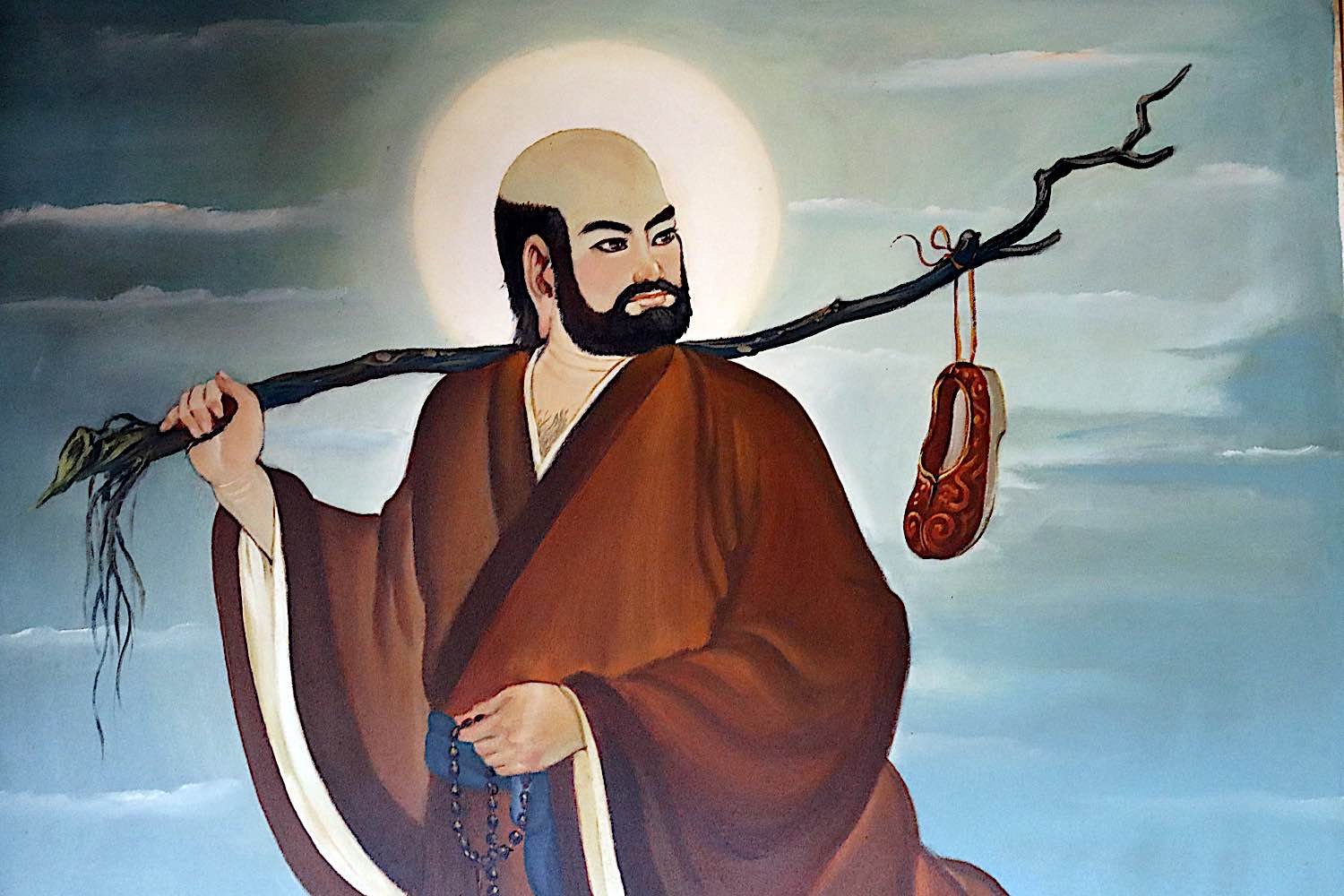
Bodhidharma's assertion that "the mind is the buddha; outside the mind, there is no buddha" invites us to explore the profound relationship between our mental landscape and the essence of enlightenment. This statement challenges us to reconsider where we seek truth and understanding, suggesting that the path to awakening lies not in external rituals or doctrines but within the very fabric of our consciousness. The stakes are high; recognizing this truth can transform our spiritual journey from one of searching to one of realization.
In a world often preoccupied with external validation and material pursuits, Bodhidharma's words serve as a gentle reminder that the essence of enlightenment is not a distant goal but an intrinsic quality of our own minds. This perspective encourages a deep introspection, urging us to cultivate awareness and clarity within ourselves. By understanding that the buddha resides in our minds, we are invited to engage in a transformative practice that leads to a more profound connection with our true nature.
The image / the metaphor
The imagery in Bodhidharma's quote evokes a sense of intimacy between the seeker and the sought. The term "bud" suggests potential, a nascent form waiting to blossom into full awareness. The verb "is" conveys a sense of identity, indicating that the mind and the buddha are not separate entities but rather two aspects of the same reality. This metaphor invites us to consider the mind as a fertile ground where the seeds of enlightenment can take root and flourish.
Diving deeper into this metaphor, we can see that the buddha symbolizes not just an enlightened being but also the inherent wisdom and compassion that reside within each of us. The notion that there is "no buddha outside the mind" emphasizes the futility of seeking enlightenment in external circumstances or figures. Instead, it calls us to nurture our inner garden, cultivating mindfulness and awareness to allow our true nature to emerge. This process of inner cultivation is essential for realizing the buddha within.
In the speaker's tradition
Bodhidharma, the founder of Zen Buddhism, emphasizes the importance of direct experience and personal insight in understanding the nature of reality. His teachings resonate with the concept of dharma, which refers to the truth or law that governs the universe. In Zen, the realization of one's true nature—often described as sunyata or emptiness—aligns with the understanding that the mind itself is the source of enlightenment. This perspective encourages practitioners to engage in a process of kenosis, or self-emptying, to uncover the buddha that lies within.
Living the teaching
Consider a modern scenario where this teaching can be applied: a person grappling with anxiety and self-doubt. In moments of distress, it is easy to feel disconnected from one's true self, seeking solace in external validation or distractions. However, by turning inward and recognizing that the mind holds the key to peace and clarity, one can begin to cultivate a sense of calm and understanding. This shift in perspective allows for a more compassionate relationship with oneself, fostering resilience and self-acceptance.
Another application of this teaching can be found in interpersonal relationships. When conflicts arise, it is common to project blame onto others, believing that external circumstances dictate our emotional state. However, by embracing the idea that "the mind is the buddha," we can take responsibility for our reactions and cultivate a sense of equanimity. This practice encourages us to approach relationships with mindfulness, recognizing that our perceptions shape our experiences and that true harmony begins within.
A reflection
As we contemplate Bodhidharma's profound statement, we are invited to ask ourselves: How often do I seek fulfillment and understanding outside of my own mind? This question encourages a deep exploration of our habits and beliefs, prompting us to consider the ways in which we might be overlooking the wisdom that resides within. By engaging with this inquiry, we can begin to cultivate a more intimate relationship with our own consciousness, ultimately leading us closer to the realization of our true nature.
