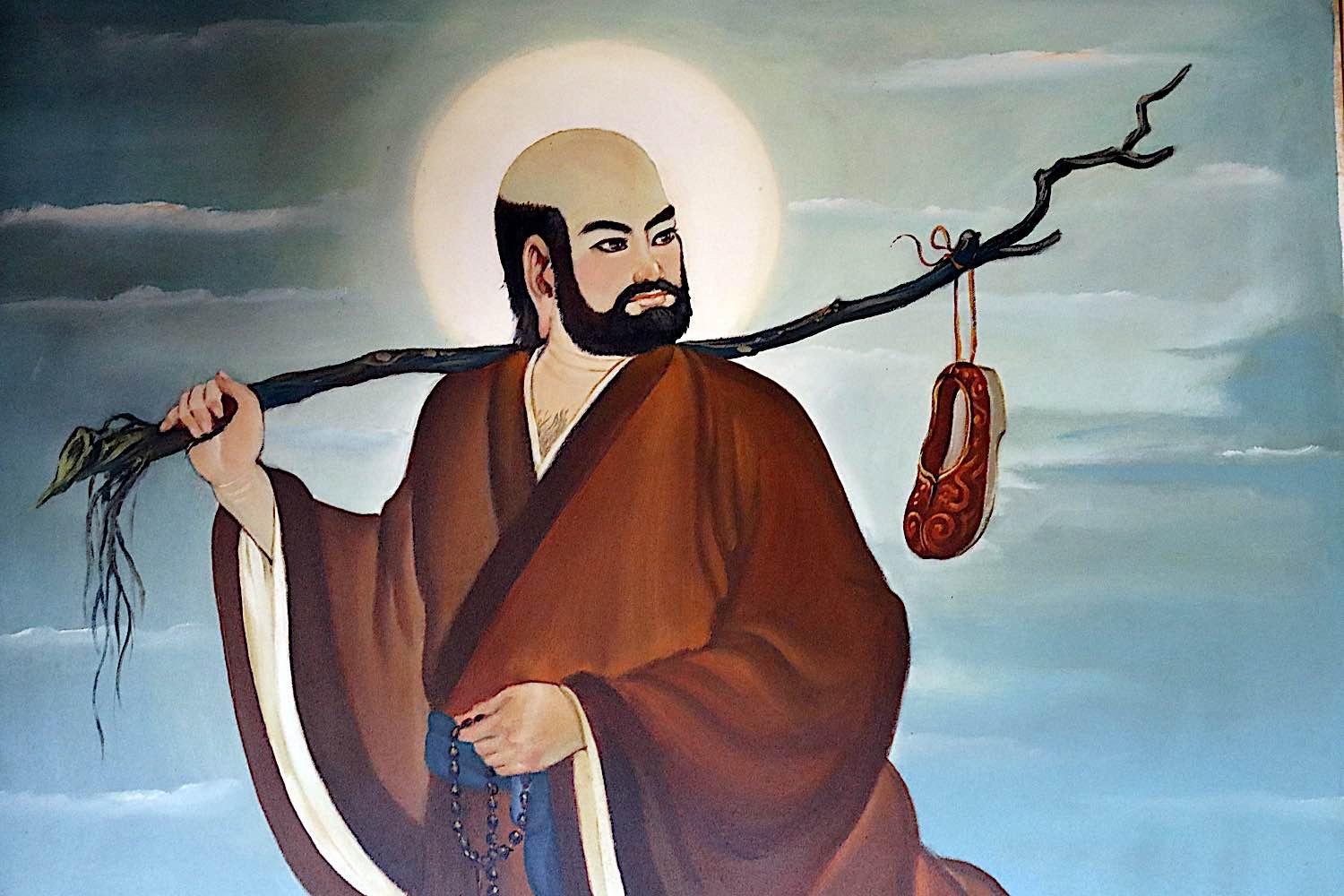
Bodhidharma's profound invitation to "Sit, and let the truth come to you" encapsulates a fundamental aspect of Zen practice: the art of receptivity. In a world that often prizes action, noise, and relentless striving, this call to stillness urges us to pause and cultivate an inner space where truth can reveal itself. The stakes are high; in our hurried lives, we risk missing the deeper insights that emerge only when we allow ourselves to be present and open to the unfolding of reality.
This notion of sitting is not merely about physical stillness; it is an invitation to engage in a deeper, contemplative practice that transcends the superficial layers of existence. It beckons us to embrace a state of being where we can listen, reflect, and ultimately understand the truths that lie within and around us. In this way, Bodhidharma's words resonate with the essence of Zen, which emphasizes direct experience over intellectual understanding, urging us to cultivate a profound awareness that can only arise in moments of quietude.
The image / the metaphor
The imagery of "sitting" conjures a sense of grounding, stability, and patience. It evokes the posture of meditation, where one physically and mentally settles into a space of calm. The act of sitting suggests a deliberate choice to pause the incessant movement of thought and action, creating an environment where truth can emerge organically. The verb "let" implies a relinquishing of control, an acknowledgment that truth is not something we can force or manufacture but rather something that must be allowed to unfold in its own time.
Diving deeper into the metaphor, we find that sitting is also a powerful symbol of receptivity. In Zen, this receptivity is akin to the concept of "sunyata," or emptiness, which invites us to empty ourselves of preconceived notions and distractions. By sitting, we create a fertile ground for insights to arise, much like a seed that requires the right conditions to germinate. This metaphor extends beyond the physical act of sitting; it encompasses a broader attitude of openness and surrender to the present moment, allowing truth to reveal itself without the interference of our ego-driven desires.
In the speaker's tradition
Bodhidharma, the legendary figure credited with bringing Zen to China, embodies the essence of this teaching within the broader context of Buddhist philosophy. His emphasis on direct experience aligns with the concept of "dharma," which refers to the truth or law that governs the universe. In Zen, the practice of sitting—often referred to as "zazen"—is a means of aligning oneself with this dharma, fostering a deep connection to the present moment and the truths it holds. This practice encourages a state of "kenosis," or self-emptying, where one relinquishes attachments and preconceived ideas, allowing for a more profound understanding of reality.
A relevant text that echoes this sentiment is the "Heart Sutra," which teaches the notion of "form is emptiness, emptiness is form." This paradoxical statement invites practitioners to recognize that the essence of truth transcends dualistic thinking. By sitting and allowing truth to come to us, we engage with this profound emptiness, opening ourselves to the interconnectedness of all things and the wisdom that arises from that awareness.
Living the teaching
Consider a modern scenario where this teaching can be applied: the overwhelming pace of daily life, filled with constant notifications, responsibilities, and distractions. In such a context, the invitation to "sit" becomes a radical act of self-care. Imagine setting aside a few moments each day to simply sit in silence, allowing the chaos of the world to fade into the background. In this stillness, we may find clarity about our priorities, insights into our relationships, or even a deeper understanding of our own emotions. This practice of receptivity can transform our approach to life's challenges, enabling us to respond with greater wisdom rather than reacting impulsively.
Another application of this teaching can be found in the realm of relationships. When faced with conflict or misunderstanding, the instinct may be to speak, defend, or react. However, if we embrace the practice of sitting—both literally and metaphorically—we create space for reflection and understanding. By allowing ourselves to sit with our feelings and thoughts, we can approach the situation with a clearer mind and a more open heart. This practice fosters empathy and compassion, enabling us to engage with others from a place of receptivity rather than defensiveness, ultimately leading to deeper connections and resolutions.
A reflection
As we contemplate Bodhidharma's invitation to "sit, and let the truth come to you," we are called to reflect on our own relationship with stillness and receptivity. In what areas of your life might you benefit from pausing and allowing truth to emerge? Consider the moments when you feel overwhelmed or uncertain—how might sitting in silence transform your understanding of those experiences? This contemplative question invites us to explore the profound wisdom that arises when we embrace stillness and open ourselves to the truths that await us.
