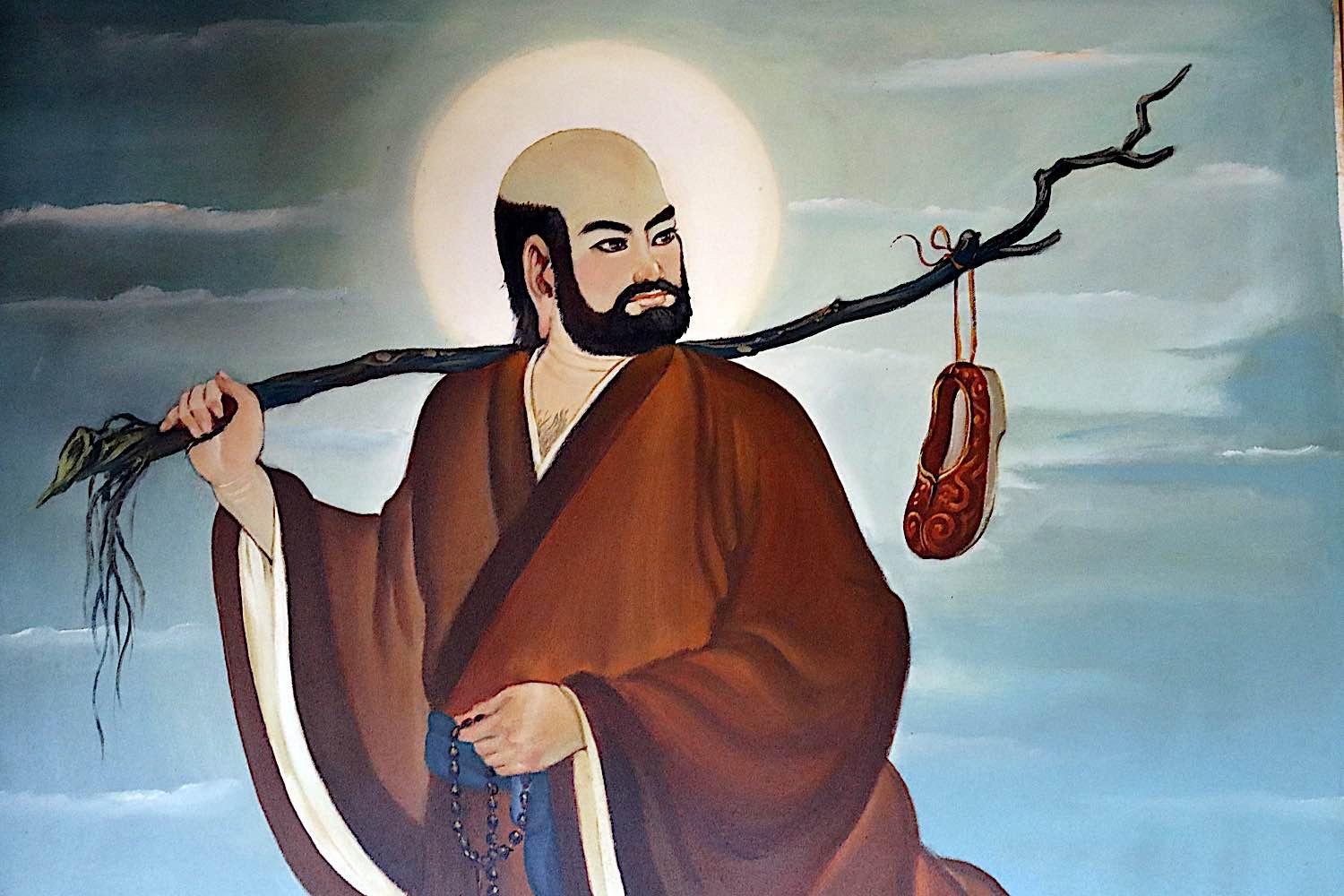
The Path of Effortlessness: Embracing Non-Effort in Zen
Bodhidharma's assertion that "Effort is the obstacle; non-effort is the path" invites us to reconsider our relationship with striving and achievement. In a world that often equates success with relentless effort, this teaching challenges the very foundation of our understanding. It suggests that the key to spiritual awakening lies not in the intensity of our actions but in the quality of our presence and awareness. This perspective is not merely a philosophical abstraction; it has profound implications for how we navigate our lives and cultivate inner peace.
To delve deeper into this quote, we must recognize the paradox it presents. While effort is typically associated with diligence and determination, Bodhidharma points to a deeper truth: that excessive striving can cloud our perception and hinder our progress. Non-effort, in this context, does not imply passivity or laziness; rather, it is an invitation to engage with life from a place of openness and receptivity. This shift in mindset can lead to a more authentic experience of existence, where we align ourselves with the natural flow of life rather than resist it.
The image / the metaphor
The imagery in Bodhidharma's quote evokes a sense of movement and stillness, a dance between action and inaction. The word "effort" conjures images of struggle, tension, and a relentless pursuit of goals, while "non-effort" suggests a gentle unfolding, a surrender to the present moment. The contrast between these two states highlights the tension many of us feel as we navigate our ambitions and desires. The felt sense of this teaching resonates deeply, as it calls us to examine the motivations behind our actions and the burdens we carry in our quest for fulfillment.
In the speaker's tradition
Bodhidharma, the legendary figure credited with bringing Zen Buddhism to China, embodies the essence of this teaching within the broader context of Zen philosophy. Central to Zen is the concept of "dharma," which refers to the natural order of the universe and our place within it. By recognizing that effort can become an obstacle, we align ourselves more closely with the dharma, allowing our actions to flow harmoniously with the world around us. This understanding echoes the notion of "kenosis," or self-emptying, found in various spiritual traditions, where the relinquishing of ego-driven desires opens the heart to deeper truths.
Moreover, Bodhidharma's teaching resonates with the Zen principle of "sunyata," or emptiness, which invites us to see beyond the illusions of self and effort. In this light, non-effort becomes a pathway to realizing our interconnectedness with all beings. The teachings of the Heart Sutra, which expound on the nature of emptiness, further illuminate this idea, reminding us that clinging to effort and striving can obscure our innate wisdom and compassion. By embracing non-effort, we cultivate a deeper understanding of our true nature and the essence of reality itself.
Living the teaching
Consider a modern scenario where this teaching finds resonance: the workplace. Many individuals feel the pressure to constantly perform, often leading to burnout and dissatisfaction. In this context, Bodhidharma's insight encourages us to step back and reassess our approach. Instead of pushing ourselves to meet every deadline with sheer willpower, we might explore how to work more mindfully, allowing our creativity and intuition to guide us. This shift can lead to a more fulfilling and productive experience, where we engage with our tasks without the weight of excessive effort.
Another application of this teaching can be found in personal relationships. Often, we may feel the need to "try harder" to connect with others, leading to misunderstandings and frustration. By embracing non-effort, we can approach our interactions with a sense of openness and acceptance, allowing our connections to unfold naturally. This practice of being present and receptive can transform our relationships, fostering deeper understanding and compassion. In both scenarios, the essence of Bodhidharma's teaching invites us to let go of the need to control and instead embrace the beauty of simply being.
A reflection
As we reflect on Bodhidharma's profound statement, we might ask ourselves: In what areas of my life am I exerting unnecessary effort, and how might I embrace a more effortless approach? This contemplative question encourages us to explore the balance between action and stillness, inviting us to cultivate a deeper awareness of our motivations and desires. By engaging with this inquiry, we open ourselves to the possibility of transformation, allowing the path of non-effort to illuminate our journey toward greater peace and fulfillment.
