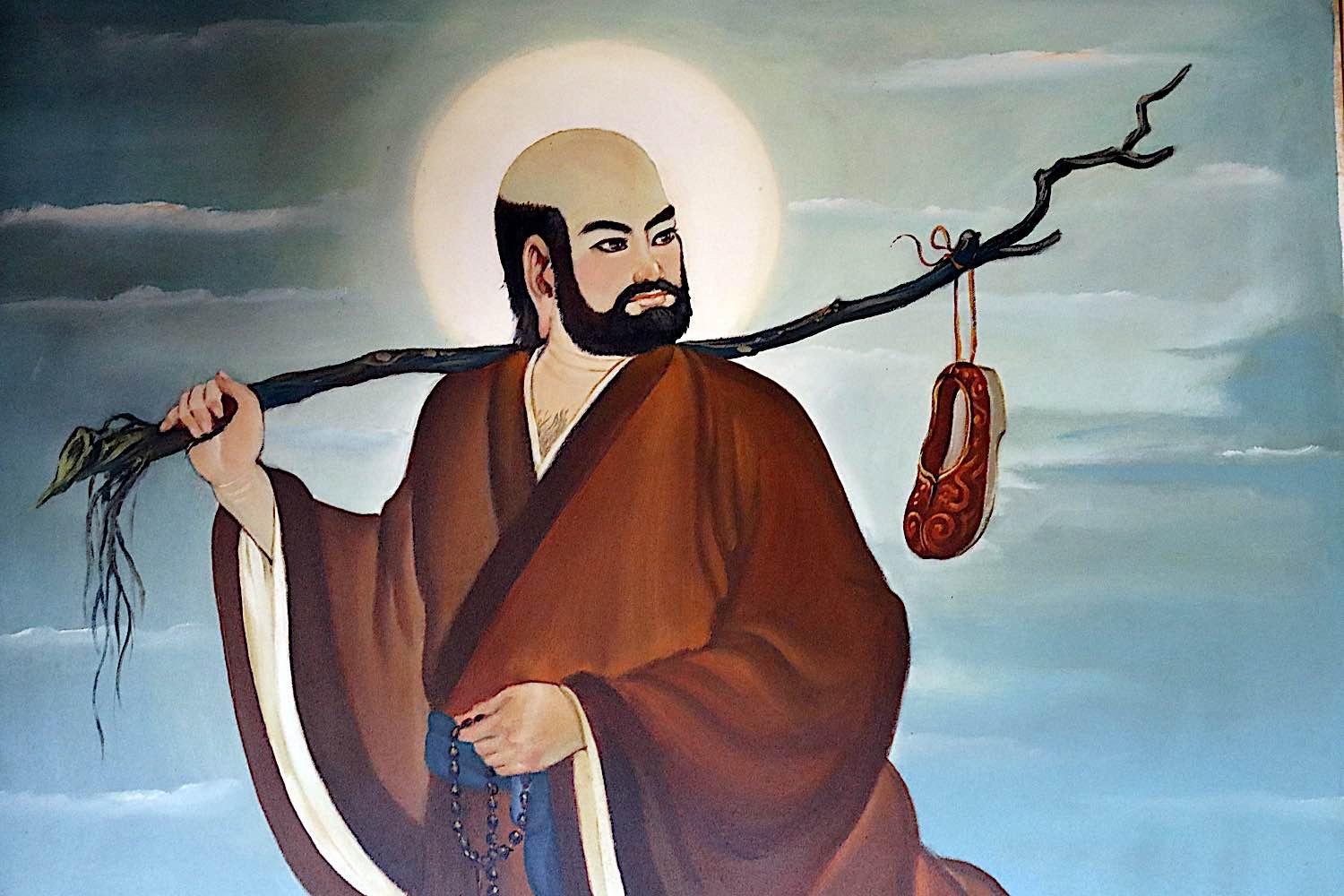
Illuminating the Path Within
Bodhidharma's exhortation to "be your own light" serves as a profound reminder of the importance of self-reliance and inner illumination. In a world often clouded by external distractions and societal expectations, this teaching invites us to cultivate our own understanding and wisdom. It emphasizes the necessity of looking inward for guidance rather than seeking validation or direction from outside sources. This journey towards self-discovery and autonomy is not merely a personal endeavor; it is a spiritual imperative that can lead to deeper fulfillment and clarity.
At its core, this quote challenges us to embrace our own agency and responsibility in shaping our lives. It suggests that the light we seek—be it clarity, purpose, or peace—resides within us, waiting to be acknowledged and nurtured. In a society that often promotes dependence on external authorities, Bodhidharma's words resonate as a call to reclaim our power and trust in our innate wisdom. This teaching is not just about self-sufficiency; it is about recognizing the divine spark within that can illuminate our path through the complexities of existence.
The image / the metaphor
The imagery of light is rich and multifaceted, evoking a sense of warmth, clarity, and guidance. To "be your own light" suggests an active engagement with one's inner self, illuminating the shadows of doubt and confusion that often cloud our judgment. The verb "be" implies a state of existence rather than a mere action; it calls for a transformation of identity, urging us to embody the light we wish to see in our lives. This metaphor of light serves as a powerful reminder that we possess the capacity to illuminate our own paths, dispelling the darkness that can obscure our vision.
Diving deeper into this metaphor, we find that light symbolizes awareness and understanding. In Zen practice, light often represents enlightenment, the ultimate realization of one's true nature. By encouraging us to be our own light, Bodhidharma invites us to cultivate a sense of awareness that transcends external influences. This inner light is not static; it is dynamic and ever-evolving, reflecting our growth and understanding as we navigate the complexities of life. The journey to becoming our own light is a continuous process of self-exploration and awakening.
In the speaker's tradition
Bodhidharma, the founder of Zen Buddhism, emphasized the importance of direct experience and personal insight in the pursuit of enlightenment. His teachings often revolve around concepts such as dharma, the inherent truth of existence, and prajna, the wisdom that arises from deep understanding. In this context, "being your own light" aligns with the Zen principle of self-reliance, urging practitioners to look within for guidance rather than relying solely on external teachings or authorities. This notion of autonomy is central to the Zen path, where the journey is as significant as the destination.
In the context of Bodhidharma's teachings, we can draw parallels to the concept of sunyata, or emptiness, which suggests that our perceptions of reality are often clouded by attachments and misconceptions. By becoming our own light, we begin to see through these illusions, recognizing the transient nature of our thoughts and emotions. This understanding allows us to cultivate a sense of inner peace and clarity, enabling us to navigate life's challenges with greater ease. The Zen text "Outline of Practice" emphasizes the importance of direct experience, reinforcing the idea that true understanding arises from within.
Living the teaching
Consider a modern scenario where the teaching of "being your own light" can be applied: a professional facing a challenging work environment. In such a situation, it is easy to become disheartened by external pressures, seeking validation from colleagues or superiors. However, by embracing Bodhidharma's wisdom, one can cultivate an inner sense of purpose and clarity, allowing them to navigate the complexities of their work with confidence. This self-reliance fosters resilience, enabling individuals to remain grounded and focused on their values, regardless of external circumstances.
Another application of this teaching can be found in personal relationships, particularly during difficult moments. When conflicts arise, it can be tempting to seek external validation or blame others for our feelings. However, by embodying the principle of being our own light, we can take responsibility for our emotions and reactions. This approach encourages open communication and self-reflection, allowing for deeper connections and understanding. In this way, the practice of self-reliance not only enhances our personal growth but also enriches our relationships with others.
A reflection
As we contemplate Bodhidharma's profound teaching to "be your own light," we are invited to reflect on our own sources of illumination. What practices or insights help you cultivate your inner light? In moments of uncertainty or darkness, how can you draw upon your own wisdom to guide you? This contemplation encourages us to embrace our autonomy and recognize the power we hold within to navigate our lives with clarity and purpose.
