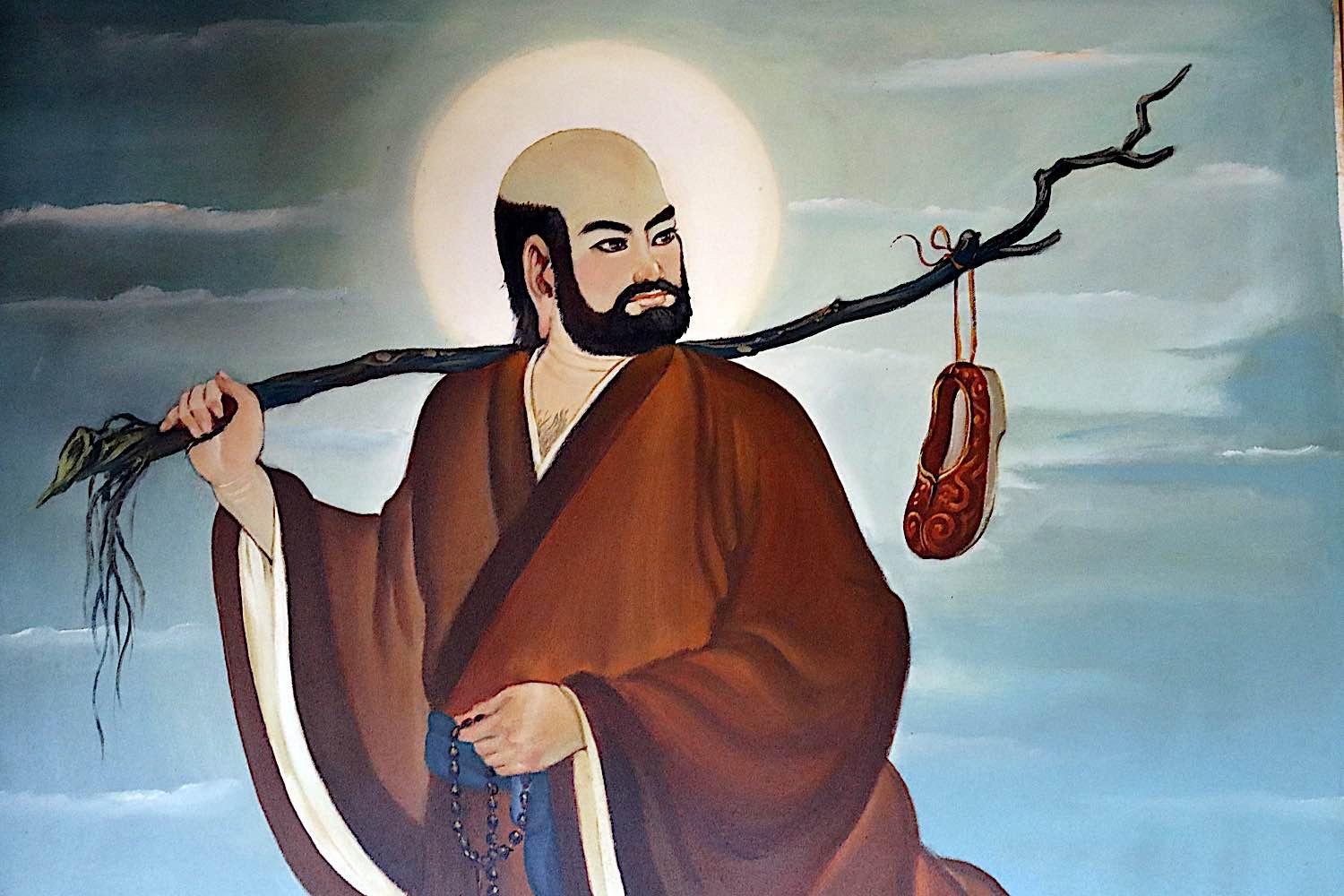
The Roots of Existence: Understanding Bodhidharma's Insight
Bodhidharma's profound assertion, "As the root, so the tree," invites us to contemplate the intricate relationship between our foundational beliefs and the manifestations of our lives. This quote serves as a reminder that the essence of our being—our thoughts, intentions, and actions—shapes the reality we experience. By examining the roots of our existence, we can better understand the branches that extend into our daily lives, revealing the interconnectedness of all things.
In a world often preoccupied with surface appearances, Bodhidharma's words urge us to delve deeper into the underlying causes of our experiences. The metaphor of the tree and its roots evokes a sense of growth and transformation, suggesting that our inner life directly influences our outer reality. This teaching resonates not only within the Zen tradition but also across various spiritual paths, emphasizing the importance of self-awareness and introspection in cultivating a meaningful existence.
The image / the metaphor
The imagery of a tree and its roots is rich with meaning, evoking a sense of stability and growth. The roots, often hidden beneath the surface, represent the foundational beliefs and experiences that nourish the tree. In contrast, the tree itself symbolizes the visible aspects of our lives—our actions, relationships, and achievements. The choice of the verb "is" in the phrase "as the root, so the tree" suggests a direct correlation, emphasizing that the quality of the roots determines the vitality and strength of the tree.
Diving deeper into this metaphor, we can see that the roots are not merely passive elements; they actively draw sustenance from the soil, just as our thoughts and beliefs draw from our experiences and environment. This dynamic interplay highlights the importance of nurturing our inner life, as it ultimately shapes the outward expressions of who we are. The tree's growth is a reflection of the health of its roots, reminding us that our spiritual and emotional well-being is foundational to the life we create.
In the speaker's tradition
Bodhidharma, the legendary figure credited with bringing Zen Buddhism to China, emphasized the significance of direct experience and self-realization. His teachings often revolve around concepts such as dharma, the path of truth, and prajna, or wisdom. In this context, "As the root, so the tree" can be seen as an invitation to explore the depths of our own consciousness, to uncover the roots of our suffering and joy, and to cultivate a deeper understanding of our true nature.
This idea resonates with the Zen practice of koans, which are paradoxical statements or questions that provoke deep contemplation. Just as a koan challenges the mind to transcend ordinary thinking, Bodhidharma's quote encourages us to look beyond the surface of our lives and examine the underlying causes of our experiences. In this way, we can cultivate a more profound awareness of our interconnectedness and the impact of our inner life on the world around us.
Living the teaching
Consider a modern scenario where this teaching might resonate: a person grappling with feelings of inadequacy in their career. If they take Bodhidharma's insight to heart, they might begin to explore the roots of these feelings—perhaps stemming from childhood experiences or societal expectations. By addressing these foundational beliefs, they can begin to shift their perspective, allowing for a more authentic expression of their talents and aspirations. This process of introspection can lead to a more fulfilling career, one that aligns with their true self rather than external pressures.
In relationships, the teaching can manifest in a different yet equally profound way. Imagine a couple facing recurring conflicts, often feeling stuck in a cycle of blame and misunderstanding. By applying the principle of "As the root, so the tree," they can begin to examine the roots of their disagreements—unresolved issues, communication styles, or unmet needs. Through open dialogue and a willingness to explore these underlying factors, they can cultivate a deeper connection, transforming their relationship into one that is more harmonious and supportive.
A reflection
As we reflect on Bodhidharma's insightful words, we are invited to consider the roots of our own lives. What beliefs or experiences shape our current reality? In what ways can we nurture these roots to foster a more authentic and fulfilling existence? Contemplating these questions can lead us to a deeper understanding of ourselves and the world around us, guiding us toward a more intentional and compassionate way of living.
