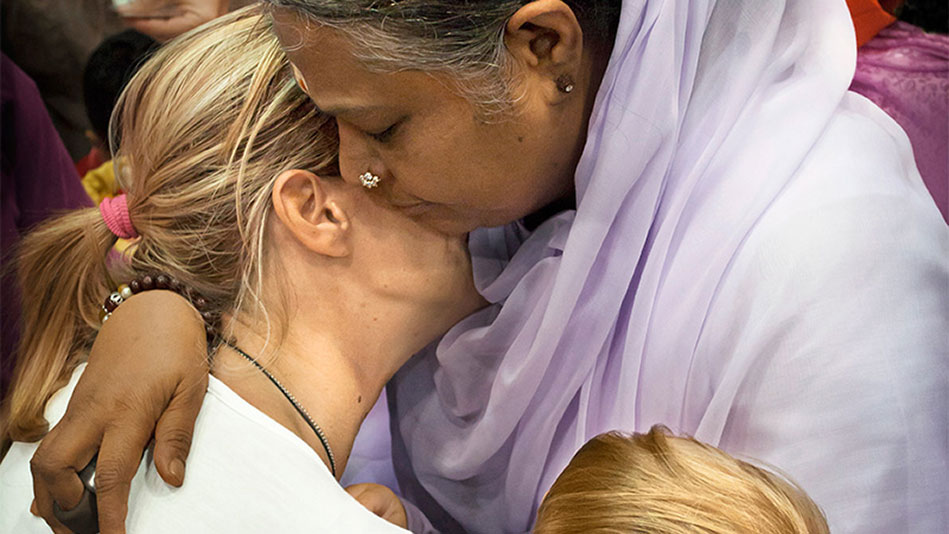
The quote "Faith moves mountains. Love moves the heart," attributed to Amma, encapsulates a profound truth about the transformative power of faith and love in our lives. In a world often dominated by skepticism and disconnection, these two forces emerge as essential catalysts for personal and communal change. The imagery of mountains being moved evokes a sense of monumental shifts, while the heart symbolizes the core of our emotional and spiritual existence. This duality invites us to explore how faith and love can reshape our realities and deepen our connections with ourselves and others.
As we delve into this quote, we recognize that faith and love are not merely abstract concepts but dynamic forces that can inspire action and foster resilience. Faith, often seen as a steadfast belief in something greater than oneself, empowers individuals to confront challenges with courage. Love, on the other hand, serves as the binding agent that nurtures relationships and fosters empathy. Together, they create a harmonious interplay that can lead to profound personal transformation and collective healing, making it imperative for us to understand their roles in our spiritual journeys.
The image / the metaphor
The imagery of "moving mountains" conjures a vivid picture of overcoming seemingly insurmountable obstacles. Mountains, often perceived as immovable and permanent, symbolize the challenges and barriers we face in life. The verb "moves" suggests not just a passive change but an active engagement with these challenges, implying that faith is a force capable of instigating significant transformation. In contrast, the phrase "moves the heart" evokes a more intimate and tender action, highlighting love's ability to touch and change our emotional landscape.
In the speaker's tradition
Amma, rooted in the bhakti tradition, emphasizes the importance of devotion and love as pathways to spiritual realization. In bhakti, faith is not merely intellectual assent but a heartfelt surrender to the divine. This aligns with the concept of *kenosis*, or self-emptying, where one relinquishes the ego to allow divine love to flow through them. The idea of *sunyata*, or emptiness, also resonates here, suggesting that by letting go of attachments and preconceived notions, we create space for faith and love to manifest in our lives.
In her teachings, Amma often refers to the heart as the seat of divine presence, echoing the sentiment found in the *Bhagavad Gita*, where love and devotion are seen as essential for attaining spiritual wisdom (*prajna*). The Gita teaches that through unwavering faith and love for the divine, one can transcend the limitations of the material world. This connection between faith, love, and spiritual awakening is a cornerstone of Amma's message, inviting us to embody these principles in our daily lives.
Living the teaching
Consider a modern scenario where an individual faces a significant life challenge, such as losing a job. In this moment of uncertainty, faith becomes a guiding light, encouraging the person to trust in their abilities and the unfolding of life. This faith can empower them to seek new opportunities, network with others, and remain hopeful despite the difficulties. Simultaneously, love—whether from family, friends, or even a sense of self-love—provides the emotional support needed to navigate this turbulent time. Together, faith and love create a resilient foundation that allows for growth and renewal.
In a different context, imagine a relationship strained by misunderstandings and conflict. Here, the teaching of moving the heart through love becomes particularly relevant. By approaching the situation with an open heart and a willingness to listen, individuals can foster empathy and understanding. This act of love can soften rigid positions and create space for healing. In such moments, faith in the relationship and the belief that love can overcome obstacles can inspire both partners to engage in meaningful dialogue, ultimately deepening their connection.
A reflection
As we reflect on Amma's profound words, we are invited to consider the interplay of faith and love in our own lives. How can we cultivate a deeper faith that empowers us to face our mountains, while simultaneously nurturing the love that moves our hearts? This contemplative question encourages us to explore the balance between these two forces, prompting us to examine how they manifest in our daily experiences and relationships. In doing so, we may find new pathways to personal transformation and collective harmony.