

What is Healing Through Sound?
Healing through sound refers to the intentional application of acoustic vibrations to support physical health, emotional balance, and spiritual development. Practitioners use various sound sources—human voice (toning, chanting, overtone singing), acoustic instruments (singing bowls, gongs, tuning forks, drums), and recorded frequencies—based on the premise that sound waves interact with the body’s tissues, nervous system, and energetic structures. The practice spans clinical music therapy recognized by medical institutions, traditional ceremonial uses in indigenous and religious contexts, and contemporary “sound bath” sessions offered in wellness centers.
The underlying theory holds that the human body, composed largely of water and operating through electrical signals, responds to external vibrations. Proponents cite principles such as entrainment (the synchronization of oscillating systems), resonance (objects vibrating at matching frequencies), and the documented effects of music on heart rate, cortisol levels, and brainwave patterns. Critics note that while some mechanisms have research support—such as music reducing surgical anxiety or rhythmic drumming affecting heart rate variability—many claims about “cellular healing” or “chakra balancing” lack rigorous clinical evidence.
Origins & Lineage
Sound as medicine appears across human cultures for millennia. The Vedic tradition of India employed specific mantras and the sustained tone of “Om” in healing rituals documented in texts dating to 1500 BCE. Ancient Greek philosopher Pythagoras (c. 570–495 BCE) prescribed musical intervals to treat illness and emotional disturbance, establishing the “music of the spheres” cosmology linking planetary ratios to harmonic law. Aboriginal Australians have used the didgeridoo in healing ceremonies for an estimated 1,500–3,000 years. Tibetan singing bowls, despite popular marketing narratives, have documented ceremonial use dating to the 16th–17th centuries, though their specific “healing” application is less clearly established in historical texts.
The modern clinical lineage began with World War II, when musicians played for wounded soldiers in U.S. military hospitals, leading to the 1950 founding of the National Association for Music Therapy (now the American Music Therapy Association). Simultaneously, the countercultural movements of the 1960s–70s revived interest in Eastern sound practices, with figures like Swami Satchidananda introducing kirtan chanting to Western audiences and Don Campbell popularizing the controversial “Mozart Effect” in the 1990s (later substantially debunked in its strong form).
How It’s Practiced
Contemporary practice divides into clinical and holistic approaches. Credentialed music therapists use live or recorded music in hospitals, rehabilitation centers, and mental health facilities, working with specific populations—stroke patients, children with autism, hospice patients—using evidence-based protocols. Sessions might involve rhythmic auditory stimulation to retrain gait, songwriting for emotional expression, or guided imagery with music for pain management.
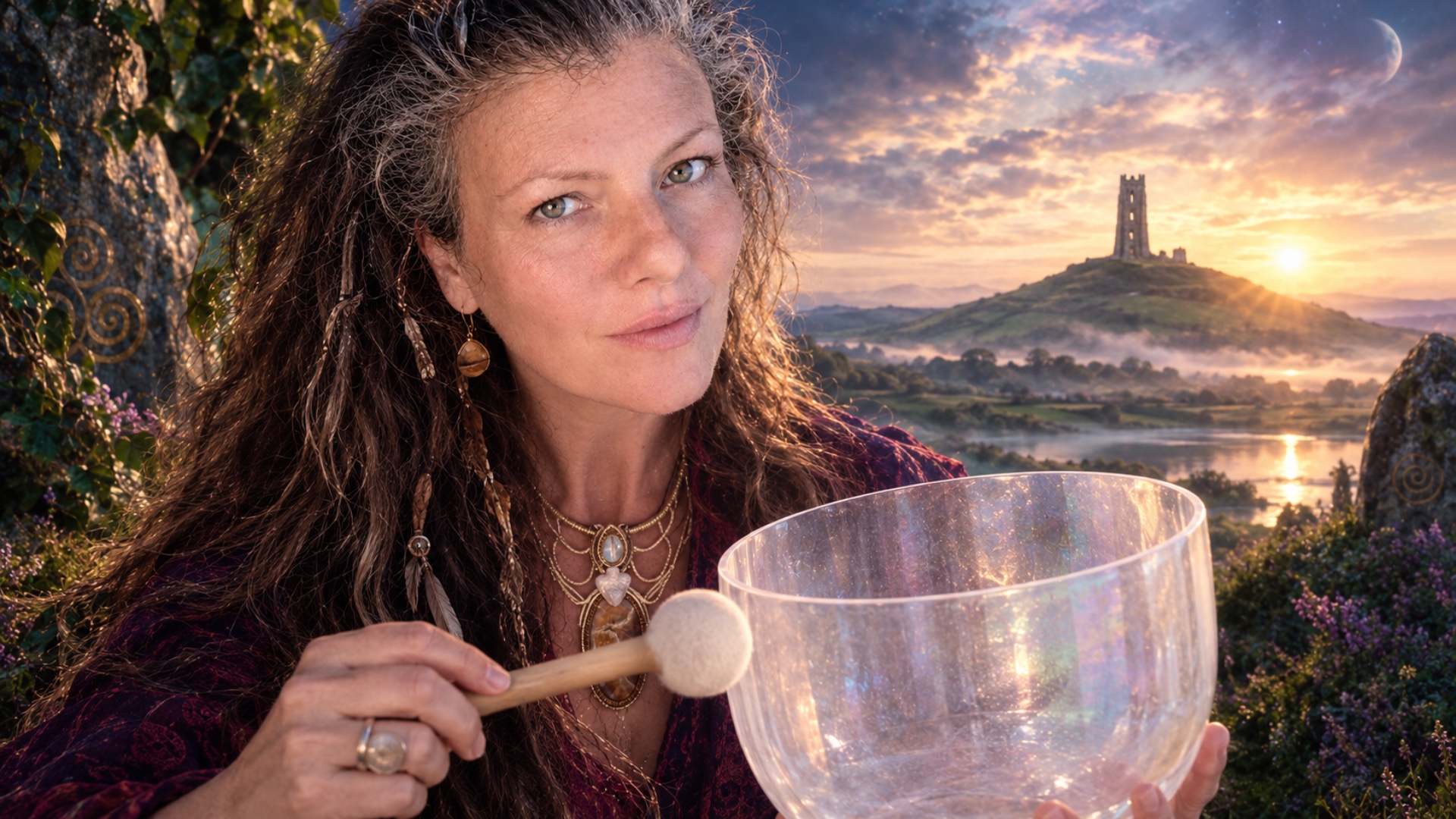
In wellness settings, sound healing typically manifests as group “sound baths” where participants lie on mats while practitioners play crystal or Himalayan singing bowls, gongs, chimes, and other instruments. Sessions last 45–90 minutes, aiming to induce deep relaxation and meditative states. Individual sessions may include tuning forks placed on or near the body at specific acupressure points, voice-based practices like toning (sustained vowel sounds), or binaural beats (slightly different frequencies in each ear creating a perceived third tone).
Traditional contexts preserve their own forms: Islamic Sufi orders use dhikr (repetitive divine names chanted rhythmically), Native American ceremonies employ hand drums and rattles, and Buddhist practitioners chant sutras or ring temple bells at specific intervals.
Healing Through Sound Today
Seekers encounter sound healing through multiple channels. Urban yoga studios and wellness centers regularly schedule group sound baths, often combined with meditation or restorative yoga. Retreat centers in locations like Sedona, Bali, and Costa Rica offer multi-day immersions in sound healing practices. Spotify and YouTube host thousands of recordings labeled for specific intentions—sleep, focus, chakra alignment—many incorporating binaural beats, solfeggio frequencies (specific tones like 528 Hz marketed as “DNA repair frequency,” a claim without scientific support), or nature sounds.
Clinical music therapy remains a separate professional track requiring a bachelor’s or master’s degree and board certification. The holistic sound healing field lacks unified standards; certifications range from weekend workshops to year-long apprenticeships, with organizations like the Globe Institute and Sound Healing Academy offering various credential programs. This credentialing gap creates quality variation and fuels ongoing debate about scope of practice and medical claims.
Common Misconceptions
Healing through sound is not a replacement for medical treatment. While research supports music’s effects on anxiety, pain perception, and quality of life, no evidence demonstrates that sound alone cures cancer, resets DNA, or removes physical tumors, despite claims appearing in some wellness marketing.
The practice is not universally relaxing. Some individuals experience anxiety, emotional release, or physical discomfort during sound sessions, particularly with loud gongs or unexpected tones. Not all “ancient” instruments or frequencies sold today have verified historical lineages—many crystal singing bowls, for instance, were invented in the 20th century for the semiconductor industry.
Sound healing is not synonymous with music therapy. The latter is a regulated clinical profession with research protocols and medical integration; the former operates primarily in wellness contexts with diverse philosophical foundations and varying practitioner training.
How to Begin
Attend a local group sound bath to experience the practice without significant investment. Search community centers, yoga studios, or metaphysical shops for monthly offerings, typically $20–40 per session.
For clinical applications, the American Music Therapy Association’s directory (musictherapy.org) locates credentialed professionals near you. For self-practice, Jonathan Goldman’s “Healing Sounds” (1992) provides foundational concepts and toning exercises. The Insight Timer app offers thousands of free guided sound meditations and recordings.
If pursuing practitioner training, research program length, lineage, and whether certification is recognized by professional associations. Ask prospective teachers about their own training lineage and whether they distinguish between traditional, clinical, and experimental approaches.