

What is a Devotional Music Artist?
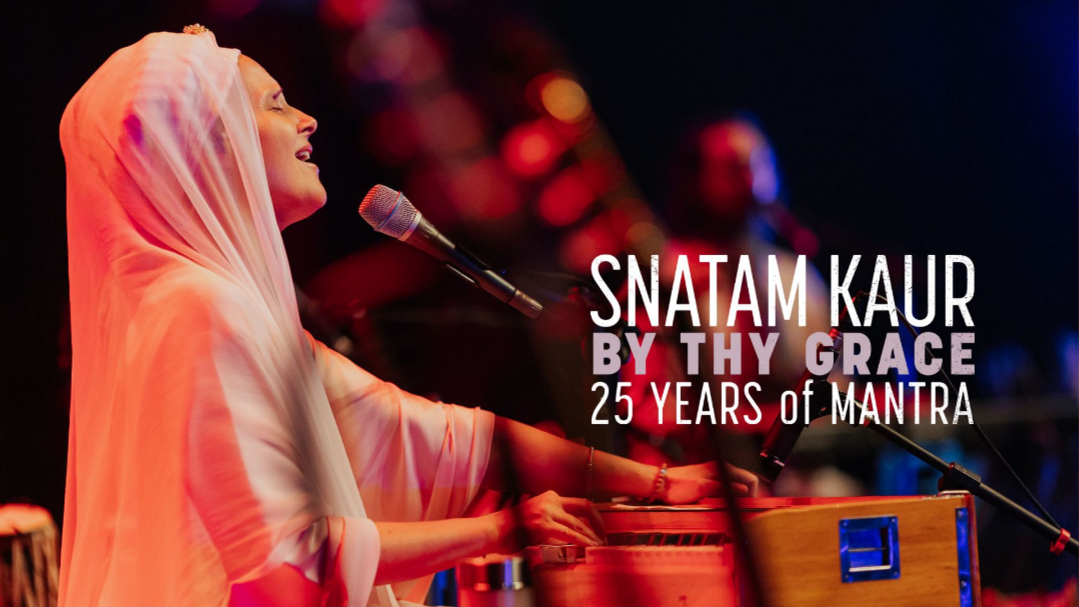
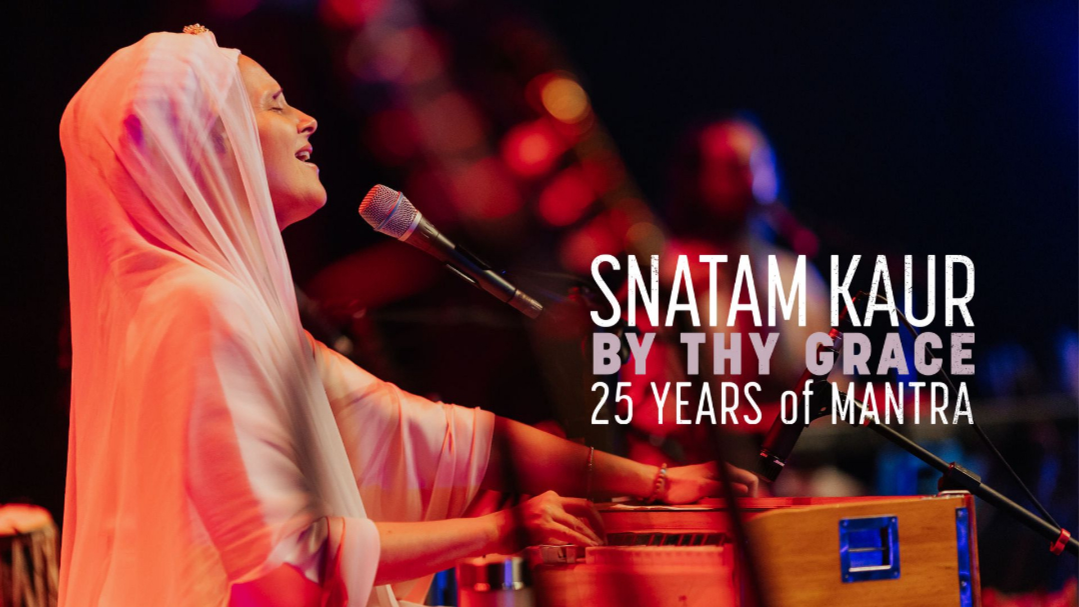
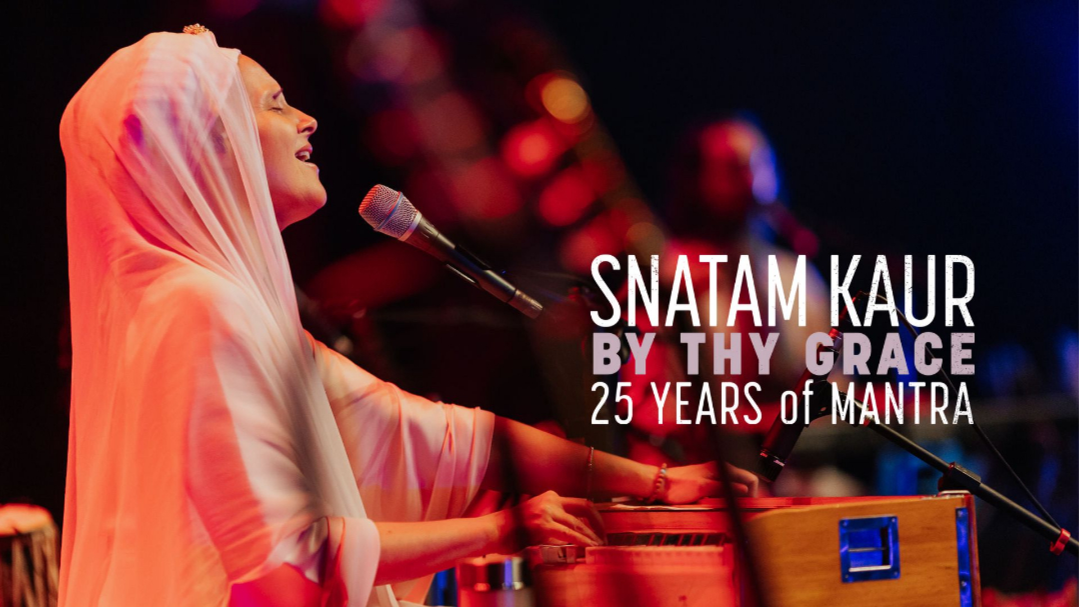
A devotional music artist is a musician whose primary creative practice involves composing and performing music as an act of worship, prayer, or spiritual offering. Unlike performers who simply sing about religious themes, devotional music artists engage music-making as a spiritual discipline in itself—the performance is simultaneously artistic expression and religious practice. This category encompasses kirtan wallahs chanting Sanskrit mantras, gospel singers offering praise, Sufi qawwali musicians inducing mystical states, Buddhist chanters, contemporary Christian worship leaders, and bhajan singers, among many others.
The defining characteristic is intentionality: the music serves as a vehicle for connecting practitioners (both performer and listener) with the divine, the sacred, or transcendent states of consciousness. The artist functions as both musician and spiritual facilitator.
Origins & Lineage
Devotional music exists in virtually every religious tradition, with distinct lineages spanning millennia. Vedic chanting in India dates to approximately 1500 BCE, establishing Sanskrit mantra recitation as a core spiritual technology. The Bhakti movement (circa 7th-12th centuries CE in South India, spreading north by the 15th century) elevated devotional song to a primary spiritual path, with poet-saints like Mirabai, Kabir, and Tulsidas composing vernacular hymns that democratized religious expression beyond Sanskrit-only Brahmanical traditions.
In Islamic tradition, Sufi orders developed qawwali and other devotional forms by the 13th century, with figures like Amir Khusrow pioneering the genre in the Indian subcontinent. Christian devotional music traces through Gregorian chant (6th century), Lutheran chorales (16th century), African-American spirituals and gospel (18th-20th centuries), each representing theological and cultural innovations in musical worship.
Buddhist chanting traditions developed independently across Theravada, Mahayana, and Vajrayana schools, codifying specific liturgical forms. Jewish cantorial tradition and Hasidic nigunim represent parallel developments in Abrahamic devotional music.
How It’s Practiced
Devotional music artists typically engage their practice through repetitive sacred sound—mantra, hymn, chant, or praise song. The repetition serves multiple functions: inducing altered states of consciousness, focusing attention, creating communal cohesion, and embodying theological concepts through melody and rhythm.
Kirtan, as practiced in Hindu and Sikh traditions, follows a call-and-response format where the artist leads and participants repeat, often building intensity over 10-30 minutes per chant. Qawwali performances can extend for hours, with lead vocalists improvising poetry over cyclic rhythmic patterns. Gospel and contemporary Christian worship often follow verse-chorus structures, with artists reading congregational energy to extend or vary repetitions.
Many devotional artists maintain traditional training—years of study with a guru in Indian classical music, apprenticeship in Sufi lineages, or formal theological education in Christian contexts. Others emerge from folk or autodidactic traditions. The performative context ranges from intimate temple or church services to large festival stages, though the artist’s orientation theoretically remains devotional rather than entertainment-focused, regardless of venue.
Devotional Music Artist Today
Contemporary seekers encounter devotional music artists through multiple channels. Yoga studios and meditation centers frequently host kirtan artists like Jai Uttal, Krishna Das, or Deva Premal, introducing Hindu devotional forms to Western wellness audiences. Christian worship artists like Hillsong, Bethel Music, and Elevation Worship reach millions through streaming platforms and megachurch services. Spotify and YouTube playlists categorize devotional music as both spiritual content and ambient/relaxation media.
Retreats and spiritual festivals—Bhakti Fest, Wild Goose Festival, Sufi meditation gatherings—position devotional artists as teachers and performers. Recording technology allows global distribution while raising questions about commercialization: when devotional music generates revenue, licensing deals, and professional careers, tensions emerge around authenticity and intention.
The contemporary landscape includes fusion artists blending traditional forms with Western instrumentation, raising debates within lineage communities about preservation versus innovation. Some artists maintain strict traditional presentation; others freely adapt.
Common Misconceptions
Devotional music is not synonymous with “spiritual music” or “healing music,” though overlap exists. New Age instrumental music, shamanic drumming, or sound bath practitioners may serve therapeutic or meditative functions without the devotional artist’s core orientation toward worship or offering to a deity/absolute.
Not all religious music qualifies as devotional. Concert performances of Bach’s Mass in B Minor or Handel’s Messiah are art music with sacred texts, but the performer’s intent is typically artistic interpretation rather than worship practice. The distinction lies in the artist’s primary framework, though boundaries blur.
Devotional music artists are not necessarily monastics, priests, or formally ordained religious leaders, though some hold such roles. Many maintain secular lives while engaging devotional music as their spiritual path. Conversely, religious credentials do not automatically make one a devotional artist—sincerity and practice define the category more than institutional affiliation.
How to Begin
For listeners seeking entry, attending a live kirtan, gospel service, or Sufi zhikr gathering provides direct experience of participatory devotional music. Many communities welcome newcomers without requiring religious affiliation. Recordings offer accessible starting points: Krishna Das’s “Live on Earth” for kirtan, Nusrat Fateh Ali Khan for qawwali, Mahalia Jackson for gospel, or Deva Premal for mantra-based chanting.
Aspiring devotional artists typically begin through immersion in a specific tradition—studying with a teacher in Indian classical music, joining a church choir, or participating regularly in communal devotional practices. Unlike performance-oriented musical training, the emphasis falls on embodying the spiritual dimension alongside technical skill. Many traditions prioritize oral transmission and devotional sincerity over formal music education, though both paths exist.
Resources vary by tradition but often include ashrams, temples, churches, or Sufi centers offering instruction. Online platforms now provide mantra pronunciation guides, chord charts for worship songs, and virtual kirtan training, though in-person community remains central to most devotional music lineages.