





What is Bhakti Movement?
The Bhakti Movement was a widespread religious and social reform movement that swept across medieval India between approximately the 7th and 17th centuries CE, fundamentally transforming the subcontinent’s spiritual landscape. The movement emphasized personal, emotional devotion (bhakti) to a chosen deity as the primary means of spiritual liberation, rejecting elaborate Vedic rituals, priestly intermediaries, and caste-based restrictions on spiritual access. Bhakti saints composed devotional poetry and songs in regional vernacular languages rather than Sanskrit, making spiritual practice accessible to women, lower castes, and the illiterate masses previously excluded from orthodox Hindu tradition.
Origins & Lineage
The Bhakti Movement emerged in two distinct waves across different regions of India. The early phase began in South India during the 7th-10th centuries with the Tamil Nayanars (devotees of Shiva) and Alvars (devotees of Vishnu). The Alvars, twelve poet-saints including the woman saint Andal, composed the Nalayira Divya Prabandham, while the 63 Nayanar saints created the Tirumurai corpus. The 8th-century philosopher Adi Shankaracharya and later Ramanuja (11th century) provided theological frameworks that influenced bhakti thought, though Ramanuja’s Vishishtadvaita philosophy more directly supported devotional practice.
The Northern Bhakti Movement flourished from the 12th-17th centuries, catalyzed partly by contact with Sufi Islam’s devotional practices. Key figures include Kabir (1440-1518), a weaver who synthesized Hindu and Islamic mysticism; Guru Nanak (1469-1539), founder of Sikhism; Mirabai (1498-1547), a Rajput princess who abandoned royal life for Krishna devotion; Tulsidas (1532-1623), author of the Ramcharitmanas; Chaitanya Mahaprabhu (1486-1534), who popularized Krishna bhakti in Bengal; and Surdas (1478-1583), the blind poet-saint. In Maharashtra, the Varkari tradition produced saints including Jnaneshwar (1275-1296), Namdev (1270-1350), and Tukaram (1608-1650).
How It’s Practiced
Bhakti practice centers on cultivating intimate, emotional relationships with the divine through multiple devotional modes (bhavas). The primary practices include kirtan (call-and-response devotional singing), bhajan (devotional songs), chanting divine names (nama-japa), listening to or reading saint poetry in vernacular languages, and puja (ritual worship) performed with loving attention rather than mechanical precision. Saints modeled different devotional relationships: dasya (servant to master), sakhya (friendship), vatsalya (parental affection), and madhurya (romantic love), with Krishna and Radha serving as central divine figures for many practitioners.
Unlike Vedic ritual requiring priestly expertise, bhakti practice demanded only sincere emotion and devotion. Saints often described direct mystical experiences and union with the divine, accessible to anyone regardless of birth, education, or gender. The movement’s social radicalism manifested in inter-caste dining, rejection of ritual purity laws, and elevation of women and shudra (lower-caste) saints as spiritual authorities—actions that directly challenged brahmanical orthodoxy.
Bhakti Movement Today
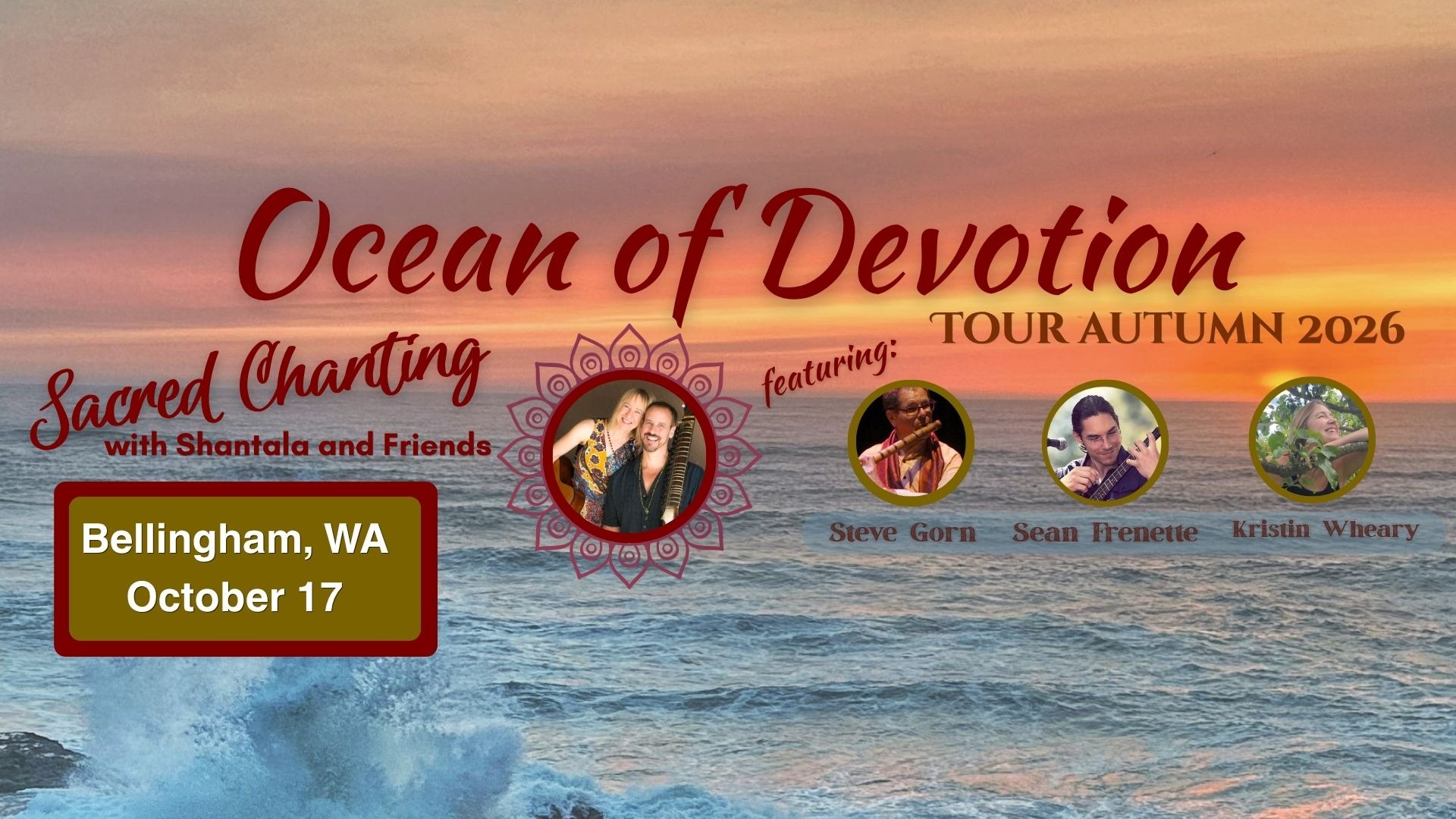
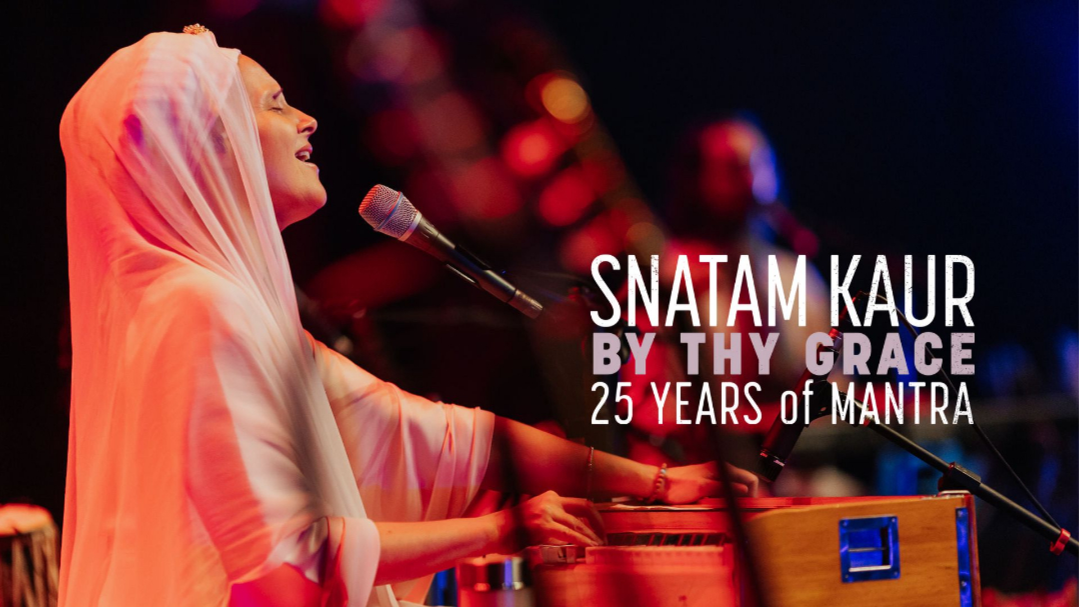
Contemporary seekers encounter bhakti primarily through kirtan events held at yoga studios, spiritual centers, and music venues worldwide, led by artists including Krishna Das, Jai Uttal, and Deva Premal. The International Society for Krishna Consciousness (ISKCON), founded by A.C. Bhaktivedanta Swami Prabhupada in 1966, has globalized Gaudiya Vaishnavism’s bhakti theology and practice. Traditional bhakti lineages continue in India through temple communities, pilgrimage networks (particularly the Varkari pilgrimage to Pandharpur), and regional devotional music traditions.
Academic study of bhakti literature has expanded significantly, with translations of saint poetry widely available in English. Bhakti themes permeate Indian classical music, particularly Hindustani traditions where dhrupad, khyal, and thumri genres carry devotional content. The movement’s emphasis on direct experience, social equality, and devotional emotion resonates with contemporary spiritual seekers drawn to heart-centered practice over dogma.
Common Misconceptions
The Bhakti Movement was not a unified, centrally organized movement with consistent doctrine—it comprised diverse regional traditions with varying theologies, some emphasizing saguna (devotion to a deity with form) and others nirguna (devotion to formless absolute). While socially progressive in challenging caste hierarchy, bhakti saints did not create a systematic social reform program, and many devotional communities eventually reestablished hierarchical structures.
Bhakti is not merely emotional sentimentality or anti-intellectual; major bhakti figures engaged sophisticated philosophical debates, and devotion was understood as requiring discipline and discrimination alongside emotion. The movement did not represent a complete break from Vedic tradition but rather a reinterpretation and democratization of existing devotional strands within Hindu thought. Finally, bhakti practice is not limited to singing; it encompasses a comprehensive spiritual path including ethical conduct, scriptural study, and meditative absorption.
How to Begin
Begin by attending a kirtan or bhajan session at a local yoga studio, meditation center, or temple to experience devotional singing directly. Read accessible translations of bhakti poetry: “The Bijak of Kabir” translated by Linda Hess and Shukdev Singh, “Songs of the Saints of India” edited by John Stratton Hawley and Mark Juergensmeyer, or “For Love of the Dark One: Songs of Mirabai” translated by Andrew Schelling provide entry points to the saints’ voices. Listen to recordings by traditional artists like Kumar Gandharva or contemporary kirtan musicians to familiarize yourself with devotional musical forms. If drawn to practice, choose a divine name or simple mantra and experiment with repetition (japa) for 10-15 minutes daily, prioritizing sincere feeling over technical perfection. The Ramakrishna Mission, ISKCON centers, and Siddha Yoga centers offer structured introduction to bhakti philosophy and practice within established lineages.