




What is Analog Rituals?
Analog Rituals refers to a contemporary wellness practice consisting of intentional, non-digital activities performed with mindful regularity to restore presence, sensory engagement, and control over one’s attention. These practices include journals, handwritten letters and creative hobbies sliding back into daily routines as a break from apps that never stop asking for attention. Unlike traditional spiritual rituals rooted in specific religious lineages, analog rituals emerged as a cultural response to digital burnout and represent what researchers call a “lifestyle recalibration” rather than temporary detox.
The practice emphasizes physical, tactile engagement with materials—paper, pen, vinyl records, film cameras, craft supplies—that require sustained attention and offer no algorithmic rewards. Examples include a handwritten journal, a weekly board game night, cooking without a recipe video, a walk without headphones, with the key being sensory engagement that screens cannot replicate. Practitioners describe these activities as creating “friction” between impulse and action, allowing conscious choice to replace compulsive behavior.
Origins & Lineage
Analog Rituals as a named concept emerged circa 2024–2025 within the intersection of wellness culture, digital minimalism, and conscious living movements. The Global Wellness Summit’s 2025 Trends Report identifies analog wellness as the leading trend, highlighting a collective desire to “log off” and embrace pre-digital experiences as a form of self-care and community building. The terminology gained traction through wellness retreats, lifestyle publications, and social platforms where #AnalogLife hacks, from flip phones to handwritten letters began circulating among Gen Z and millennial audiences.
The philosophical foundations draw from multiple streams: digital minimalism (Cal Newport’s 2019 work), the slow living movement (emerging in the 2000s), mindfulness-based stress reduction, and craft revival movements. The practice represents a deliberate return to pre-digital ways of living and being present, including handwritten journals instead of note-taking apps, vinyl records spinning on turntables, film cameras capturing moments without the immediate gratification of a screen preview. However, unlike Luddite rejection of technology, analog rituals practitioners typically maintain selective technology use while creating protected offline spaces.
The movement argues that the online world’s relentless manipulations, marketing, disinformation and division campaigns have now gone too far, with 2025 being the year that more people get aggressive about logging off. Neuroscience research provided legitimacy: studies in 2024–2025 demonstrated that constant device use shrinks attention spans and that analog activities stimulate brain regions linked to calm focus.
How It’s Practiced
Analog rituals typically involve establishing specific “analog hours” or designated technology-free zones within daily life. Practices are often performed entirely on paper, such as keeping a notebook nearby and, before instinctively grabbing a device, writing down the time and the emotion you feel, creating a pause between impulse and action that gives back control.
Common analog ritual formats include:
Morning practices: Phone-free first 30–60 minutes, handwritten morning pages (free-writing stream-of-consciousness), brewing tea or coffee with full sensory attention
Movement rituals: Walking without headphones and without a fixed destination, simply observing the texture of the trees or the shape of the clouds, using the journey as a moment of active pause.
Evening wind-down: Reading on paper is one of the best tools for mental rest before sleep, as physical books emit no blue light that suppresses melatonin, and establishing a “Technology-Free Zone” in the bedroom.
Creative engagement: Painting, ceramics, embroidery, calligraphy, cooking without recipe videos, playing board games, or listening to vinyl records without multitasking
Practitioners often create physical “analog bags” containing pocket notebooks, paperbacks, pens, and cards to replace phone-scrolling impulses. Some advocate for “digital blackout” nooks where technology is physically excluded—no sockets, no wifi boosters, no charging cables, where inhabitants practice analog pastimes: reading first‑edition paperbacks, sketching botanical studies, brewing tea ceremonies.
Analog Rituals Today
As of 2025–2026, analog rituals have moved from niche practice to mainstream wellness trend. Vinyl record sales crossed $1 billion for the first time since 1983, dumbphones are trending, journaling is outselling productivity apps, and 63% of Gen Z now intentionally embrace screen-free habits for their mental health.
Seekers encounter analog rituals through multiple channels:
Wellness retreats and travel: Tour companies create analog adventures where phones are locked up but travelers receive retro tools like printed maps, pocket dictionaries and old-school alarm clocks. Destinations like Svart Hotel in Norway and Blackberry Mountain in Tennessee market “unplugged” packages.
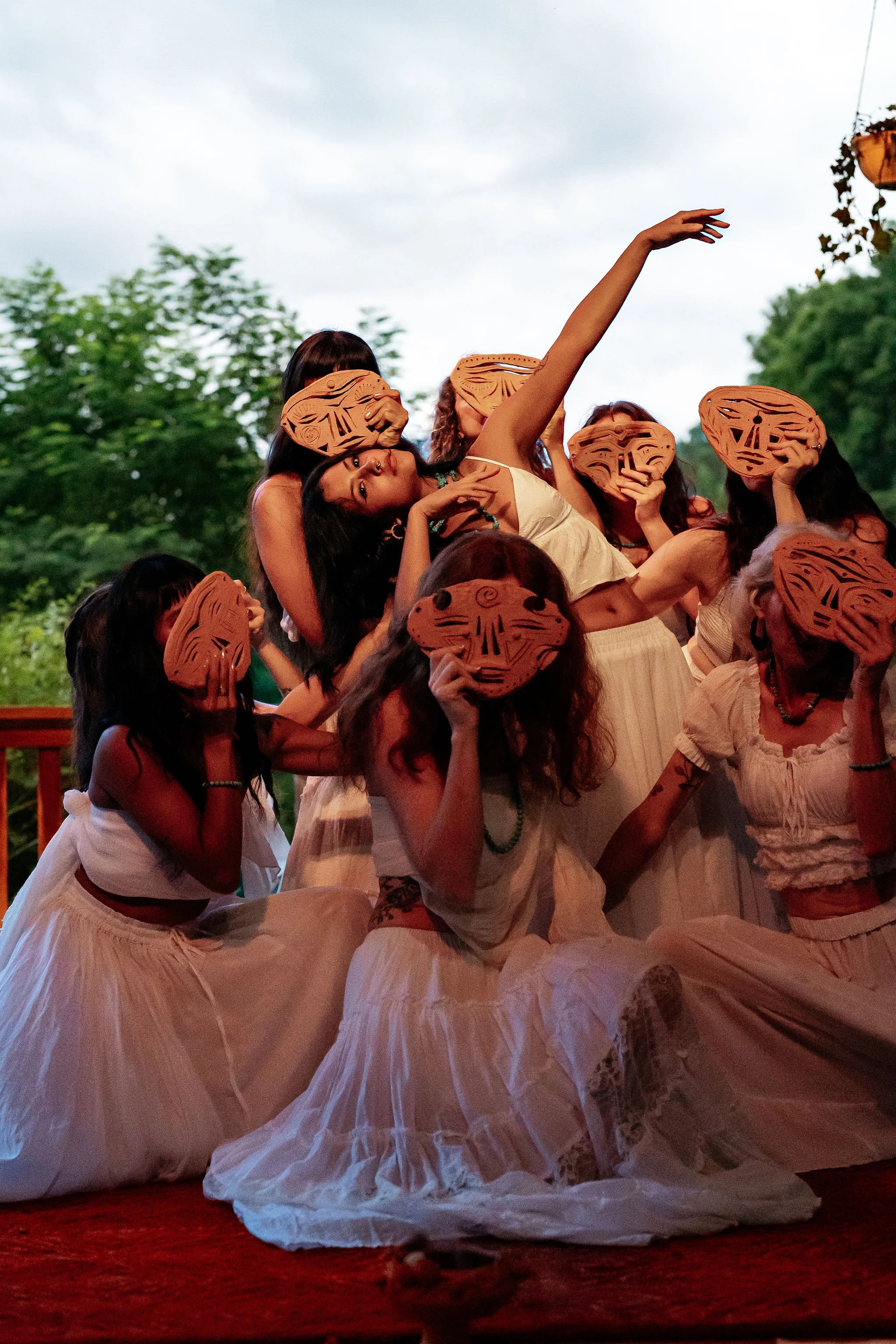
Community gatherings: Structured, super-social analog clubs and communities where people meet to craft, read, play, listen to music, and learn with others—from social ceramics clubs, to reading parties set to live music, to old-school board game playing clubs. Organizations like the Offline Wellness Club (Calgary), Digital Wellness & Mindful Events (London), and The Offline Club (Amsterdam) host phone-free socials.
Wellness spaces: Spas, yoga studios, and retreat centers incorporate analog practices such as handwritten journaling workshops, silent reflection spaces, and arts-and-crafts programming focused on ceramics, calligraphy, and textile work.
Self-directed practice: Individuals establish analog hours at home, create device-free bedrooms, or adopt “phone stack” protocols during meals.
Common Misconceptions
Analog rituals are not a rejection of all technology or a nostalgic return to pre-industrial life. This isn’t about rejecting technology entirely or romanticizing the past; technology has brought tremendous benefits, and the question isn’t whether we should use technology, but how we can use it intentionally rather than letting it use us. Many practitioners use apps to schedule offline hours or employ digital well-being tools strategically.
The practice is not necessarily spiritual or religious in nature. While it shares structural similarities with contemplative practices from various traditions, analog rituals emerged from wellness culture and neuroscience research rather than from any particular faith lineage. Practitioners may or may not frame the work as spiritual.
Analog rituals are not exclusively anti-capitalist or available only to the privileged, though access barriers exist. There’s an uncomfortable truth about the digital detox movement: it’s often a privilege. Week-long retreats require resources many lack, though basic practices like morning journaling or device-free meals require minimal financial investment.
The practice does not promise transformation, enlightenment, or cure for mental health conditions. While research supports benefits for attention, stress reduction, and sleep quality, analog rituals function as harm-reduction and well-being practices rather than therapeutic interventions.
How to Begin
The key to a successful digital detox isn’t about complete abstinence; it’s about intentionally carving out time for analog activities that nourish your spirit and offer a genuine break from the digital, starting small—maybe 10 minutes of colouring before bed, a Sunday afternoon spent listening to music and sketching, or losing yourself in a simple jigsaw puzzle for an hour.
Week one: Establish one protected analog window—device-free first 30 minutes upon waking or no-phone dinners. Notice the impulse to reach for devices without judgment.
Materials: Purchase a physical notebook you genuinely like and a pen that writes smoothly. The tactile pleasure matters for sustainability.
Community: Explore local analog gatherings (craft circles, board game cafés, silent book clubs) or analog-focused wellness retreats. Search for “offline club” or “phone-free events” in your region.
Resources: Julia Cameron’s The Artist’s Way (morning pages practice), Cal Newport’s Digital Minimalism (philosophy), and the Global Wellness Summit’s 2025 report on analog wellness trends provide frameworks. Magazines like Kinfolk explore slow living aesthetics; shops like Papersmiths (UK) or The Journal Shop offer quality analog supplies.
Anchor practice: Pair your analog ritual with existing habits—analog reading before sleep, handwritten planning with morning coffee—to increase adherence through environmental cues.