BrightStar

Browse All Events

Discover conscious gatherings

events

Yoga
Meditation
Breathwork
Qigong
Tai Chi
Sacred Music
World Music
Medicine Music
Sound Healing
Ecstatic Dance
Popular Destinations
BaliSedonaLos AngelesCosta RicaNew YorkSan FranciscoAustinMiamiJoshua TreeTulum
View All CategoriesView All Destinations

Explore All Features

Powerful tools to grow your events

Platform Features

Smart Dynamic Pricing
Ticket Categories
Assigned Seating
Abandoned Cart Recovery
Visitor Recovery
Donations & Sliding Scale
Affiliate Engine
Ticket Scanner
Coupon Codes
Custom Questions
Ticket Sharing
Upsells & Add-ons
Analytics & Reporting
Email Sequences
Waitlist / Notify / Remind
People & Places
Artists & TeachersEvent OrganizersVenues & StudiosKnowledge BaseGlossaryInspiration
View All FeaturesAbout Us
PricingBlog
Language
Saved events
Browse All Events

events

YogaMeditationBreathworkQigongTai ChiSacred MusicWorld MusicMedicine Music

Popular Destinations

BaliSedonaLos AngelesCosta RicaNew YorkSan Francisco

People & Places

Artists & TeachersEvent OrganizersVenues & StudiosKnowledge BaseGlossaryInspiration

Platform Features

Smart Dynamic PricingTicket CategoriesAssigned SeatingAbandoned Cart RecoveryVisitor RecoveryDonations & Sliding ScaleAffiliate EngineTicket ScannerCoupon CodesCustom QuestionsTicket SharingUpsells & Add-onsAnalytics & ReportingEmail SequencesWaitlist / Notify / Remind
View All FeaturesAbout Us
PricingBlog
Log inFind EventsHost Events
  • Browse All Events
  • For Seekers
  • Yoga
  • Meditation
  • Breathwork
  • Qigong
  • Tai Chi
  • Sacred Music
  • World Music
  • Medicine Music
  • Sound Healing
  • Ecstatic Dance
  • Retreats
  • Workshops
  • All Categories →
  • Bali
  • Sedona
  • Los Angeles
  • Costa Rica
  • Tulum
  • Byron Bay
  • San Francisco
  • Austin
  • New York
  • San Diego
  • Denver
  • Seattle
  • Portland
  • Miami
  • All Cities →
  • Be Found
  • Sell Globally
  • For Creators
  • For Teams
  • For Writers
  • For Teachers
  • For Kirtan Artists
  • For Studios
  • For Festivals
  • For Retreat Centers
  • For Nonprofits
  • Brand Ambassador
  • Case Studies
  • Free Ticketing
  • Elevate
  • Amplify
  • 500K+ Buyer Network
  • Abandoned Cart Recovery
  • Smart Dynamic Pricing
  • Ticket Categories
  • Recurring Events
  • Assigned Seating
  • Affiliate Engine
  • Waitlist / Notify
  • Ticket Scanner
  • Embed Widget
  • Event Syndication
  • Message Center
  • Integrations
  • Reports
  • All Features →
  • About
  • The Ecosystem
  • Blog
  • Glossary
  • Inspiration
  • Help Center
  • Contact
  • API Docs
  • Brand Assets
  • Careers
  • Press
  • Terms of Service
  • Privacy Policy

Events

  • Browse All Events
  • For Seekers
  • Yoga
  • Meditation
  • Breathwork
  • Qigong
  • Tai Chi
  • Sacred Music
  • World Music
  • Medicine Music
  • Sound Healing
  • Ecstatic Dance
  • Retreats
  • Workshops
  • All Categories →

Destinations

  • Bali
  • Sedona
  • Los Angeles
  • Costa Rica
  • Tulum
  • Byron Bay
  • San Francisco
  • Austin
  • New York
  • San Diego
  • Denver
  • Seattle
  • Portland
  • Miami
  • All Cities →

For Creators

  • Be Found
  • Sell Globally
  • For Creators
  • For Teams
  • For Writers
  • For Teachers
  • For Kirtan Artists
  • For Studios
  • For Festivals
  • For Retreat Centers
  • For Nonprofits
  • Brand Ambassador
  • Case Studies
  • Free Ticketing
  • Elevate
  • Amplify

Features

  • 500K+ Buyer Network
  • Abandoned Cart Recovery
  • Smart Dynamic Pricing
  • Ticket Categories
  • Recurring Events
  • Assigned Seating
  • Affiliate Engine
  • Waitlist / Notify
  • Ticket Scanner
  • Embed Widget
  • Event Syndication
  • Message Center
  • Integrations
  • Reports
  • All Features →

Company

  • About
  • The Ecosystem
  • Blog
  • Glossary
  • Inspiration
  • Help Center
  • Contact
  • API Docs
  • Brand Assets
  • Careers
  • Press
  • Terms of Service
  • Privacy Policy
BrightStar
© 2026 BrightStar. All rights reserved.
Retreats

The Path of Mindfulness:Beyond Secular Practice

Drala Mountain Center
May 14, 2015
7 min read
Watch · 8
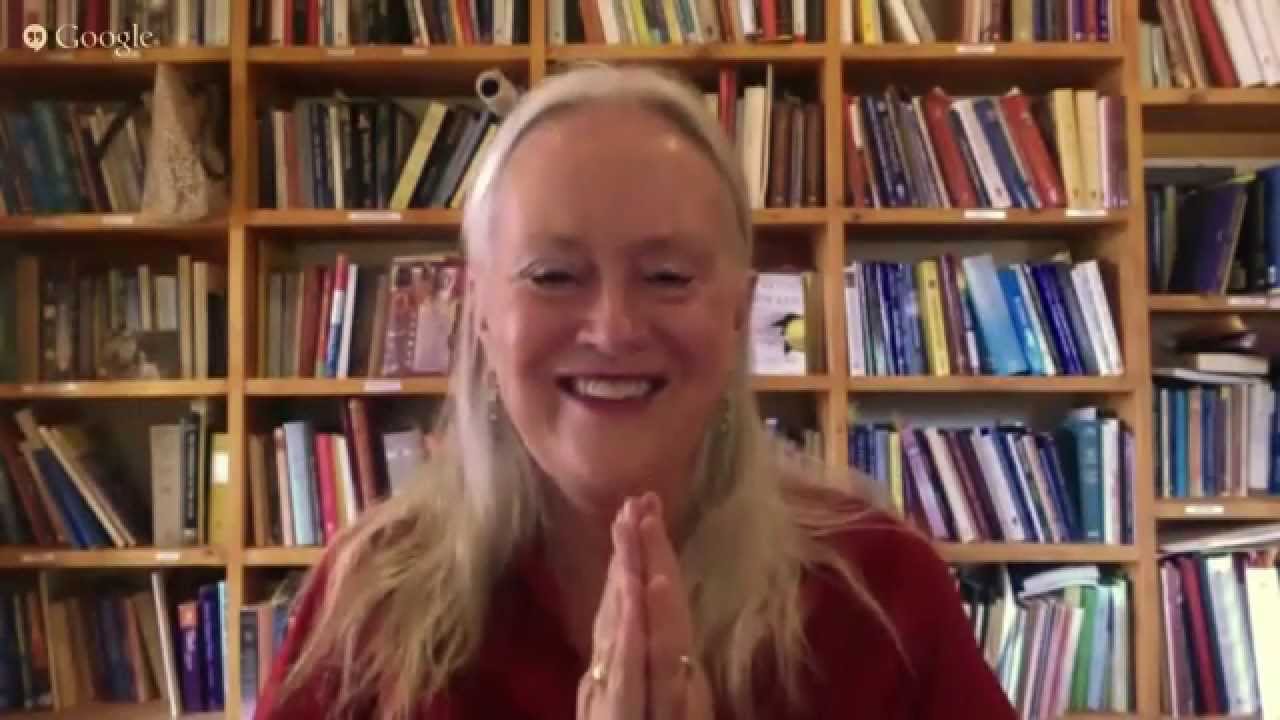
On a spring evening in 2015, Acharya Fleet Maull stood before an unexpected congregation: over 24,000 people watching from screens around the world, gathered for the first day of the Beyond Mindfulness online conference. The scale itself was remarkable—this was secular mindfulness crossing into the mainstream at a scale that would have seemed impossible a decade prior. But what Maull carried into that moment was something older and more demanding than the gleaming, attention-hacking version of mindfulness now standard in corporate wellness rooms. He carried a question that cut to the marrow of the movement's expanding reach.

"Are we bringing that deep, non-judgmental attending into the way that we're disseminating mindfulness into the mainstream?" Maull asked. The concern wasn't abstract. In an era when mindfulness was being mobilized as a tool for performance—to train the mind to do anything better, including, theoretically, "even violent activities"—he articulated a fear many serious practitioners held: that something essential had gotten lost in translation. The ethical spine. The spiritual context. The very source from which mindfulness had emerged.

Read · 6 sections

The Secular Mindfulness Paradox

Maull occupied a rare vantage point. He had spent decades moving between two worlds that rarely speak to each other—traditional Buddhist Dharma and its contemplative ethics on one hand, and on the other, the secular mindfulness movement unfolding in hospitals, schools, workplaces, and prisons. He was not a skeptic of the secular turn. Rather, he was invested in both: deeply rooted in Shambhala Buddhism and socially engaged Buddhism, and simultaneously working in what he called "the secular mindfulness movement" through projects like the Prison Mindfulness Institute and the Engage Mindfulness Institute.

This dual citizenship gave him credibility to ask hard questions without dismissing either path. From "where I'm sitting," he told the gathering, "mostly what I see actually is being presented with great integrity and with great depth." But integrity wasn't enough. The question that animated the five-day conference—and the reason it had drawn 24,000 sign-ups—was whether mindfulness, uprooted from its ethical and contemplative foundation, could sustain its transformative power, or whether something precious was evaporating in the oxygen of secular society.

What Gets Lost When Mindfulness Strips Down to Technique?

The danger wasn't imaginary. Mindfulness, as it had been repackaged in the West—particularly in the last fifteen years—had become almost synonymous with attention training: a neutral technology for focusing the mind on whatever task lay before it. In this rendering, mindfulness is amoral. Your mind works better. You're less distracted. You perform at higher capacity. The ethical questions—perform at what? In service of what?—simply don't arise.

This is where the ancient traditions diverged most sharply from the contemporary adaptation. Buddhist mindfulness—sati in Pali—was always embedded in a larger framework called the Eightfold Path. Mindfulness wasn't separate from Right Speech, Right Action, Right Livelihood. It couldn't be. The whole point of the practice was to wake up to suffering and interdependence and to reorient your life accordingly. You couldn't mindfully plan an attack. You couldn't mindfully swindle someone. The ethical dimension wasn't an add-on; it was the point.

"We're talking about simply attention training, or whether we could train our attention to do anything and to perform better doing anything," Maull explained to the online audience, laying out the fault line. The distinction mattered enormously—not just philosophically, but socially. If mindfulness was only a tool, then it was indeed amoral, available for deployment by anyone toward any end. But if mindfulness was inseparable from ethical awakening, then something else was at stake: not just individual flourishing, but collective transformation.

A Guided Journey Into Direct Experience

Rather than simply debate the issue, Maull invited the thousands of viewers into direct experience. He guided a live mindfulness practice—a movement from concept into sensation, from abstraction into the body itself.

"If you would sit with a nice uplifted, naturally dignified posture," he instructed, speaking to people who might be hunched over laptops, sitting in office chairs, or propped in beds. The very offer—that mindfulness required no special place, no perfect conditions—democratized the practice. You work with what you have.

He began where the traditional teachings begin: with contact. The felt sensation where the body meets the chair or floor. Not the idea of contact, but the actual tactile experience—the pressure, the texture, the boundary between self and world made tangible. From there, awareness expanded: to the surface of the skin, the passage of breath across the nostrils, the internal landscape of muscle and bone and blood.

But the real teaching emerged in a subtle turn. Maull pointed out how quickly the mind substitutes concept for actual experience. You feel the legs, and the mind says "the legs." You feel the breath, and instantly it becomes the word breath. The living, moment-to-moment particularity of sensation collapses into language. The practice, then, wasn't about relaxation or calm (though those might arise). It was about penetrating below the level of concept "into the actual field of sense and eight experience moment to moment."

Each sensation, he suggested, was completely unique. Each in-breath fresh. Each out-breath different from all previous out-breaths. But only if you actually felt them—not thought about them.

Comfort, Addiction, and the Full Spectrum

The practice also illuminated something uncomfortable. Maull asked the meditators to notice their "preferential mind"—the ingrained habit that reaches toward comfort and away from discomfort. More than that: "we're quite addicted to comfort and we, if we're honest and explore deeper, you will find that we actually live in fear of discomfort."

This wasn't pessimism; it was clarity. The fear isn't rational. It's deeply conditioned. But once you see it directly—not as a concept but as a lived reality in your own body and mind—the grip loosens. Maull suggested a radical shift: the willingness to "embrace the whole spectrum of our physical experience," to be present with what's actually here, rather than constantly negotiating with it.

That capacity—the ability to rest with the full range of your embodied experience, without judgment, without the compulsive urge to fix it immediately—is a skill. And it's portable. It travels with you from the meditation cushion into the world. It becomes the ground for equanimity under pressure, for responding rather than reacting, for making choices rooted in wisdom rather than fear.

Mindfulness Beyond the Individual

For Maull, the stakes of this practice extended far beyond personal peace. The conference itself—the sheer gathering of 24,000 seekers, the promise of over 30 teachers and wisdom holders offering perspectives across five days—was organized around a conviction: that mindfulness, grounded in its ethical and contemplative roots, was a tool for collective awakening.

That's where the question "beyond mindfulness" became genuinely provocative. Beyond didn't mean moving past mindfulness or discarding it. It meant asking: What does mindfulness in service of justice look like? How do we bring these practices to the incarcerated, to at-risk youth, to marginalized communities—not as charity, but as recognition that the transformative power of awakening belongs to everyone? How do we ensure that the benefits of contemplative practice are not cordoned off as a luxury good for the privileged?

Maull had spent years wrestling with these questions in prisons and through institutes devoted to engaged mindfulness. The conference, and this opening night, represented a scaling up of that mission: to gather teachers, researchers, and practitioners across traditions and specialties to map how mindfulness could serve healing and transformation on every level—individual, community, systemic.

Where to go from here

For anyone encountering mindfulness for the first time, or for those wondering why so many serious contemplatives worry about the way it's being diluted and repackaged, Maull's opening night offers both reassurance and a clearer question. The practice itself is robust—it works, precisely because it's rooted in how the mind actually functions. And yes, it can be taught with integrity and depth even in secular contexts. But the real power emerges when mindfulness is understood not as a technique for better performance, but as part of a larger awakening—one that naturally extends outward, toward wisdom, ethics, and the recognition that our own freedom is inseparable from the freedom of others. The conference to follow—and any serious engagement with contemplative practice—is an invitation to keep asking: awaken toward what? And for what purpose?

]]>

Comments

Loading the conversation…

Transcript

[0:02] good evening fleet mall here / Shambhala

[0:06] mountain center welcome to our beyond

[0:08] mindfulness online conference so

[0:11] exciting to be here with all of you and

[0:13] to introduce this we have over 24,000

[0:18] people signed up for this conference and

[0:20] the list is growing and from all over

[0:23] the world and I think it's safe to say

[0:25] that some people are watching it in

[0:27] groups and and people will probably

[0:29] share the link and so forth with with

[0:32] their friends so who knows how many

[0:34] people from all over the world are going

[0:38] to spend the next five days exploring uh

[0:41] the path of mindfulness and the healing

[0:45] and transformative power of mindfulness

[0:47] and this whole very provocative question

[0:51] of or title be on mindfulness so this is

[0:54] part of Shambhala Mountain centers

[0:56] awaken the world series and many of you

[0:59] I'm sure joined us last fall for the

[1:02] awakened the world online conference and

[1:04] the community is just growing and

[1:06] getting larger so this is really

[1:08] exciting we're going to be spending a

[1:11] week with with more than 30 amazing

[1:14] teachers Dharma teachers mindfulness

[1:17] teachers researchers wisdom holders

[1:20] thought leaders in this field and it's

[1:25] just going to be a pretty amazing week

[1:27] I'm sure so uh we'd really appreciate if

[1:31] you take a moment to say hello and

[1:33] there's our comment box just just below

[1:36] the video here and please just put your

[1:39] name in there and where you're where

[1:41] you're from and if you'd like to just

[1:43] say hi or or say say anything but just a

[1:46] sentence and and I'll say hello so we'd

[1:49] love to hear from you and get that we

[1:50] had sense of who's with us and this this

[1:53] community where we're all connecting

[1:56] from from around the world so tonight

[2:02] we're going to explore uh the path of

[2:06] mindfulness there will be a different

[2:07] theme for each day and this first theme

[2:10] is the path of mindfulness

[2:13] and in a moment I'm going to talk about

[2:17] the presentations tonight and we're also

[2:19] going to do a little mindfulness

[2:21] practice together but first I wanted to

[2:23] talk a little bit about this this theme

[2:26] our overall topic beyond mindfulness I'm

[2:29] sure all of you aware that that here in

[2:31] the US and many other countries and

[2:33] though in the West mindfulness of what

[2:36] some people call secular mindfulness is

[2:39] moving into the mainstream of society

[2:40] and it's sort of all the rage as they

[2:43] say and there are some concerns by some

[2:49] reasonable concerns as to whether the

[2:51] fullness of the Spirit of mindfulness

[2:54] and the context of mindfulness is being

[2:58] brought along with the practice itself

[3:00] from these very venerable and ancient

[3:05] contemplative wisdom traditions from

[3:07] which these mindfulness practices have

[3:10] derived whether the ethical foundation

[3:13] is being communicated whether it's

[3:16] whether we're talking about simply

[3:19] attention training or where we could we

[3:22] could train our attention to to do

[3:25] anything and to perform better doing

[3:26] anything even some things that may be

[3:29] less desirable and activities or even

[3:33] violent activities so uh you know

[3:36] concerns that are we bringing that that

[3:39] deep a non-judgmental attending to ah

[3:46] into the way that we're disseminating

[3:49] mindfulness into the mainstream you know

[3:51] and I think these are valid concerns I'm

[3:53] very involved in both personally been

[3:56] very involved in the law for a long time

[3:58] in traditional buddhadharma in socially

[4:01] engaged buddhism and in more recent

[4:03] years very involved in the secular

[4:05] mindfulness movement with our our prison

[4:08] mindful institute and engage mindful

[4:10] institute and and really pretty current

[4:13] with a lot of what's going on in this

[4:14] so-called secular mindfulness movement

[4:16] and actually from what out from where

[4:18] I'm sitting and mostly what I see

[4:20] actually michaelis is being presented

[4:22] with with great integrity and with great

[4:24] depth but nonetheless I think it's in

[4:26] him

[4:26] important topics to to explore and also

[4:31] as well uh you know along with

[4:33] mindfulness going into the mainstream of

[4:35] our society and perhaps sometimes the

[4:37] more privileged parts of our society are

[4:41] we also finding ways to make the

[4:44] benefits of mindfulness practice

[4:47] available to all powerful citizens even

[4:51] those that we sometimes think of as

[4:53] adults youth and adults at risk or or

[4:57] communities that are underserved or even

[5:00] times marginalized so so it's important

[5:03] it to it to explore all these different

[5:04] realms and that's what we're going to be

[5:05] doing over the next five days in many

[5:08] different ways so before talking about

[5:11] tonight's presentations uh let's do a

[5:14] little practice together so if you would

[5:16] I have no idea what kind of seating

[5:19] arrangement you have where you are with

[5:21] your computer or your perhaps big screen

[5:24] but if you would sit up and some kind of

[5:28] arrangement on a chair or or on your

[5:30] cushion on the floor or or if you're if

[5:33] you're even watching this with your

[5:34] laptop in bed maybe you could swing your

[5:36] legs over the side of the bed and sit on

[5:38] the side of your bed although certainly

[5:40] you can practice mindfulness laying down

[5:42] or standing up as well at any rate take

[5:46] a good posture and if you are able to be

[5:49] seated then you know sit with a nice

[5:52] uplifted naturally dignified posture let

[5:58] your shoulders relax have your head with

[6:01] good alignment ears lined over the

[6:03] shoulders your eyes open although many

[6:08] our customers are practicing mindfulness

[6:09] with your eyes closed so that's fine too

[6:11] if your eyes are open you might want to

[6:14] shift your gaze down towards the floor a

[6:16] little bit maybe six or seven feet in

[6:17] front of you so you'll be less

[6:20] distracted or if you like you can have

[6:23] your eyes closed and then bring your

[6:26] attention if you would to your body and

[6:29] to begin with the contact between your

[6:31] body and your chair or your feet and the

[6:35] floor to the actual tactile sensations

[6:39] that arise where you experience that

[6:43] contact between your body and whatever

[6:46] you're seated on or the floor itself and

[6:57] just take a moment to just be with and

[6:59] explore those actual tactile physical

[7:02] sensations that are arising and falling

[7:05] away moment to moment right there at

[7:07] that contact between your body and the

[7:09] cushion or the chair or the ground and

[7:23] then expanding your awareness throughout

[7:27] the body directly feeling all of the

[7:31] sensations the actual actual tactile

[7:34] physical sensations arising and falling

[7:37] away with the contact between your skin

[7:40] and your clothing your skin and the air

[7:43] and particularly the passage of air

[7:46] across the nostrils or the lips with

[7:48] each in breath and each out breath

[8:10] so all of these sensations on the

[8:13] surface of the skin from head to toe and

[8:19] as well the internal sensations within

[8:22] our body the overall weight and mass of

[8:26] the muscles and bones any sensations of

[8:33] muscle tension or relaxation any aches

[8:40] or pains that may be present or areas of

[8:43] discomfort sensations of coolness are

[8:51] warped both on the surface of the skin

[8:54] and within the body perhaps you can feel

[9:03] your heartbeat or your pulse and perhaps

[9:14] you can feel a quality of just the flow

[9:17] of sort of nervous energy in the body or

[9:20] life force energy if you will to see

[9:23] overall aliveness within the body all of

[9:33] the

[9:34] sensations are rising and falling with

[9:36] each in breath in each out breath with

[9:38] the rising and falling of the belly the

[9:41] expansion and contraction of the ribcage

[9:48] the diaphragm muscle and so on and you

[9:59] may notice that we have a tendency to

[10:01] very quickly substitute concept for

[10:04] actual experience so very quickly the

[10:08] actual sensations become simply oh the

[10:13] body or my leg or the breath and these

[10:19] are just names just concepts so the

[10:25] practice is penetrating below this level

[10:27] of concept into the actual field of

[10:31] sense eight experience moment a moment

[10:34] realizing that all of those sensations

[10:37] arising even just at the surface of the

[10:41] nostrils with the in-breath are

[10:43] completely unique and fresh and

[10:45] different from the previous in-breath

[10:49] that each out breath is fresh and unique

[10:52] and slowing down to experience the

[10:57] uniqueness and the freshness of our

[11:00] moment-to-moment experience

[11:08] you may also notice that we have this

[11:11] preferential mind that prefers comfort

[11:15] over discomfort and in fact we're quite

[11:19] addicted to comfort and we if we're

[11:22] honest and explore deeper you will find

[11:24] that we actually live in fear of

[11:26] discomfort so seeing that we could relax

[11:31] that a bit and and have a willingness to

[11:34] just embrace the whole spectrum of our

[11:36] physical experience sensations that are

[11:38] pleasant neutral or unpleasant the whole

[11:42] spectrum from comfortable too

[11:44] uncomfortable from pleasure to pain

[11:47] fearlessly embracing the complete

[11:50] experience of being in the body with

[11:53] interest without judgement with

[11:57] curiosity and appreciation for this

[11:59] miracle of life that's occurring breath

[12:01] after breath

[12:17] and if we notice I

[12:19] all sort of observing all of these

[12:21] sensations that's a wonderful skill in

[12:25] of itself nonetheless see if we can

[12:28] relax into just feeling them directly

[12:31] dropping into the flow of sensate

[12:34] experience and resting our attention

[12:35] there without the need for a feeler or a

[12:38] subject but just being in the experience

[12:41] the direct flow of sunset experience of

[12:44] all the physical sensations in the body

[12:47] as well as our other sense perceptions

[12:49] of sight sound taste and smell

[13:07] thin this deeply felt presence with our

[13:11] moment moment experience of our sense

[13:14] perceptions and in particularly the body

[13:16] and the breath we could also tune into

[13:20] and be willing to feel whatever is

[13:21] present for us in our emotional body if

[13:24] you will the full spectrum of human

[13:26] emotions which may be present in layers

[13:28] of subtle feeling subtle mood from

[13:31] gladness joy peace and contentment

[13:35] sadness or frustration anger fear

[13:39] realizing that they're all normal human

[13:41] emotions and we could just be willing to

[13:43] feel the whole thing again without

[13:45] judgement with appreciation and interest

[13:48] genuine interest and then also having an

[13:58] awareness of our thinking mind our

[14:00] cognitive mind and just appreciating

[14:02] that we have a mind and it produces

[14:03] thoughts continuously we don't need to

[14:06] avoid them we don't need to chase after

[14:08] them we can just be with your rising and

[14:11] falling away of the thoughts and

[14:14] appreciate when our mind is really

[14:16] active and also when it feels more

[14:17] peaceful and spacious and just be

[14:19] willing to experience that directly to

[14:21] feel it directly

[14:32] and then also being mindful of this

[14:38] awareness itself this mind space if you

[14:43] will whatever mind is in which all of

[14:46] this is a rising and falling away a

[14:48] moment to moment physical sensations

[14:51] emotions thoughts there is thus patient

[14:58] what's all of this is occurring and

[14:59] there's the awareness itself and we

[15:03] could be present to that mind club that

[15:14] thank you thank you so this evening's

[15:19] program the path of mindfulness we have

[15:22] some wonderful presentations so I had

[15:26] the wonderful opportunity to sit down

[15:28] with Joseph Goldstein and do an

[15:32] interview which I think you're going to

[15:34] find quite delightful Joseph Goldstein

[15:37] co-founder of the insight meditation

[15:39] society and the berry center for

[15:42] Buddhist studies in berry Massachusetts

[15:44] and really going to explore a sort of

[15:48] the classic foundation of mindfulness

[15:51] end and some of the ethical questions

[15:53] involved there a reverend my co-host for

[16:00] this whole event angel Kyoto William

[16:04] driver an angel keller williams who is

[16:06] an amazing mindfulness teacher

[16:07] meditation teacher and activist herself

[16:09] social activists is going to be

[16:12] interviewing the venerable bhikkhu Bodhi

[16:14] who was both a Buddhist a Buddhist monk

[16:17] and in the Theravada tradition he's a

[16:21] very prominent Buddhist scholar and he's

[16:24] a very well-known social activist so

[16:27] that'll be wonderful we're going to have

[16:30] a basic mindfulness instruction and

[16:33] guided meditation with Dale Azrael who's

[16:39] Anna charya senior teacher in ishbal

[16:42] tradition

[16:43] and actually in charge of mindfulness

[16:45] and meditation instruction the training

[16:49] of meditation instructors for the whole

[16:50] global Shambhala mandawa so she has a

[16:54] lot of wisdom and insight to share with

[16:55] us um we're also going to hear from my

[16:59] friend and colleague Janet salensus who

[17:02] is a also a Shastri who was a senior

[17:05] teacher in the Shamal attrition but

[17:07] she's also a senior teacher in the

[17:11] mindfulness-based stress reduction the

[17:14] MBSR community the Center for

[17:15] mindfulness community out of the

[17:17] University of Massachusetts to work of

[17:19] Jon kabat-zinn and sake Santorelli and

[17:22] janet is going to speak about mindless

[17:27] in the context of what she calls a three

[17:30] C's of carrying curiosity and culture

[17:33] we're going to hear from John Dupuis

[17:36] who's a psychologist and founder of

[17:40] integral recovery and he's going to

[17:44] speak about mindfulness in the context

[17:46] of the integral theory of the work of

[17:49] ken wilber many of you may be familiar

[17:51] with and particularly the four quadrants

[17:53] from from ken wilber aqwal integral

[17:56] model so we have those four quadrants of

[17:58] the interior aspects at the individual

[18:02] and collective level and then the

[18:03] exterior aspects at the individual and

[18:06] collective level and it's a wonderful

[18:07] map to take a big view a big map view of

[18:10] human consciousness and and just the

[18:12] whole realm of our human world in

[18:14] society and so John is going to speak

[18:17] about mindfulness on context to those

[18:18] four quadrants and then finally we'll

[18:20] hear from atreya Judas simmer Brown who

[18:24] is also a senior teacher in a charlie

[18:26] and the Shambhala tradition and Judith

[18:30] is actually ahead of the teacher Academy

[18:35] within the global Shambhala community so

[18:37] really takes the lead in training

[18:40] teachers so you're going to hear from

[18:42] two amazing senior teachers in the

[18:45] Shambhala tradition who have very

[18:48] important roles in both in training

[18:50] meditation instructors and in training

[18:52] Dharma teachers and mindfulness teachers

[18:54] so quite a wonderful

[18:56] line up this evening and I'm really

[18:59] excited about it so I want to go through

[19:01] just a few logistical details with you

[19:03] before we finish up here so I really

[19:07] want to encourage all of you to use the

[19:09] comments section below this video and

[19:12] all the videos that you watch and really

[19:13] share your comments and particular ask

[19:16] questions because we're going to gather

[19:18] those questions and we'll be responding

[19:20] to them periodically so post your

[19:21] questions and your comments please as

[19:25] soon as we finish here you'll see a link

[19:27] below this video where you'll be able to

[19:30] click there and then you'll have full

[19:31] access to all the videos that are part

[19:34] of this first day of the be on

[19:37] mindfulness online conference and those

[19:40] videos will be available for 48 hours

[19:42] for 48 hours there won't be available

[19:46] after that but you will be able to

[19:48] purchase this wonderful resource package

[19:52] that schmata mountainous centers put

[19:54] together which will include all the

[19:55] videos from the confidence and very high

[19:57] quality videos and along with lots of

[20:00] other related resource materials

[20:02] including a seven day meditation

[20:04] challenge and a three day meditation

[20:07] retreat on just an incredible resource

[20:10] package to continue exploring your own

[20:13] practice and deepening your own practice

[20:15] of mindfulness with amazing teachers and

[20:17] that's going to be available online and

[20:20] as a flash drive and and so you'll be

[20:22] able to and uh maybe as a DVD settlement

[20:25] sure but they all that the information

[20:27] is there available at that link so every

[20:30] night will will be here at eight o'clock

[20:32] eastern time seven o'clock central six

[20:37] mountain and five o'clock pacific time

[20:39] to introduce the next day's programme

[20:42] and i look forward to seeing you again

[20:45] tomorrow at eight o'clock eastern time

[20:49] to introduce day two of the conference

[20:52] so again just so excited to be here with

[20:55] this global community that we know is is

[20:57] twenty four thousand strong and growing

[21:00] and we're going to go through this

[21:03] wonderful exploration together so please

[21:06] enjoy it have a good time watch as many

[21:08] of the videos you can and be sure to

[21:10] post your comments in your questions so

[21:12] i have a wonderful evening and and jump

[21:15] in and explore what shambhala mountain

[21:17] center has worked so hard to make

[21:20] available for all of us thank you very

[21:21] much

Drala Mountain Center
ArtistDrala Mountain Center

Drala Mountain Center is a 600-acre contemplative retreat in Colorado's northern Rockies at 8,000 feet, home to the Great Stupa of Dharmakaya, a 108-foot monument housing the remai…

View profileWebsite
Explore Topics
MindfulnessBuddhism-ethicsContemplative-practiceSocial-engaged-spiritualityConsciousness

Got Questions?

Frequently Asked Questions

Secular mindfulness often focuses on attention training as a neutral tool for better performance and focus. Traditional Buddhist mindfulness (sati) is inseparable from an ethical framework—the Eightfold Path—where awakening and ethical conduct are interwoven. As Maull notes, this distinction matters because a purely technical approach treats mindfulness as amoral, available for any purpose, while the traditional approach understands mindfulness as part of a larger spiritual awakening toward wisdom and ethical action.
Within the traditional contemplative framework, no—ethical conduct is built into the practice itself. However, when mindfulness is stripped to technique and used as mere attention training, it becomes theoretically available for any purpose, even harmful ones. This is one of the key concerns Maull raises about how mindfulness is being mainstreamed: without its ethical foundation, the practice can serve ego or domination as easily as awakening.
You practice with what's available. Maull emphasizes that mindfulness requires no perfect conditions—you can meditate in a chair, on the edge of a bed, or standing. The practice begins with direct sensory contact: the feel of your body on the seat, the passage of breath across your nostrils, the sensations arising in your body moment to moment. Accessibility is part of the philosophy.
The mind habitually names and categorizes experience almost instantly. You feel your legs, and the mind says 'legs'—a concept. You feel breath, and it becomes the word 'breath.' This cognitive shortcut happens so fast we rarely notice. The practice asks you to slow down and penetrate below language into the actual, living particularity of each sensation, which is always fresh and unique.
We naturally prefer comfort over discomfort and often live in unconscious fear of discomfort. Maull suggests this addiction limits our freedom—we're constantly negotiating with our experience rather than meeting it. By developing the capacity to rest with the full spectrum of sensation—comfort, discomfort, pain, ease—without collapsing or reacting, we become less reactive and more capable of wise response in all situations.
Maull emphasizes that the benefits of mindfulness practice shouldn't be cordoned off for the privileged. Through projects like the Prison Mindfulness Institute and Engage Mindfulness Institute, he advocates for bringing contemplative practice to incarcerated people, at-risk youth, and underserved communities as recognition that transformative awakening belongs to everyone and as a tool for healing across all levels of society.
It doesn't mean discarding mindfulness. Rather, it asks: What comes next? Mindfulness rooted in its ethical and contemplative foundations naturally extends outward—toward wisdom, toward others, toward questions of justice and collective awakening. The conference explores how mindfulness serves not just individual peace, but healing and transformation on every level.

Continue Reading

More on Retreats

View All
Meditation Is Not What You Think It Is
Inspire

Meditation Is Not What You Think It Is

Susan Piver's guide to meditation demystifies the practice, separating marketing hype from the simple, transformative work of breath awarene…

1 min read
Sacred Feminine in Buddhism: Reclaiming the Divine
Inspire

Sacred Feminine in Buddhism: Reclaiming the Divine

Lama Tsultrim Allione explores how the tantric tradition reclaimed the sacred feminine in Buddhism and why rebalancing gender is essential f…

1 min read
Govinda Jaya: How Sacred Sound Awakens the Heart
Inspire

Govinda Jaya: How Sacred Sound Awakens the Heart

Radhika Das channels the liberating power of mantra through a luminous kirtan performance at Medicine Festival, invoking divine names to pur…

1 min read
Deva Premal & Miten Return to Melbourne After Years Away
Inspire

Deva Premal & Miten Return to Melbourne After Years Away

Deva Premal and Miten announce their return to Melbourne's Palais Theatre on October 26, celebrating 35 years of mantra and music with longt…

1 min read

Keep exploring

Continue your journey

More wisdom and gatherings from across the BrightStar directory.

More Articles

Browse the full library of teachings, interviews, and guides.

Back to all articles →

Teachers & Artists

Explore the lineages, musicians, and guides of the conscious world.

Explore artists →

Find an Event

Kirtan, retreats, sound baths, breathwork, festivals — happening soon.

Browse events →