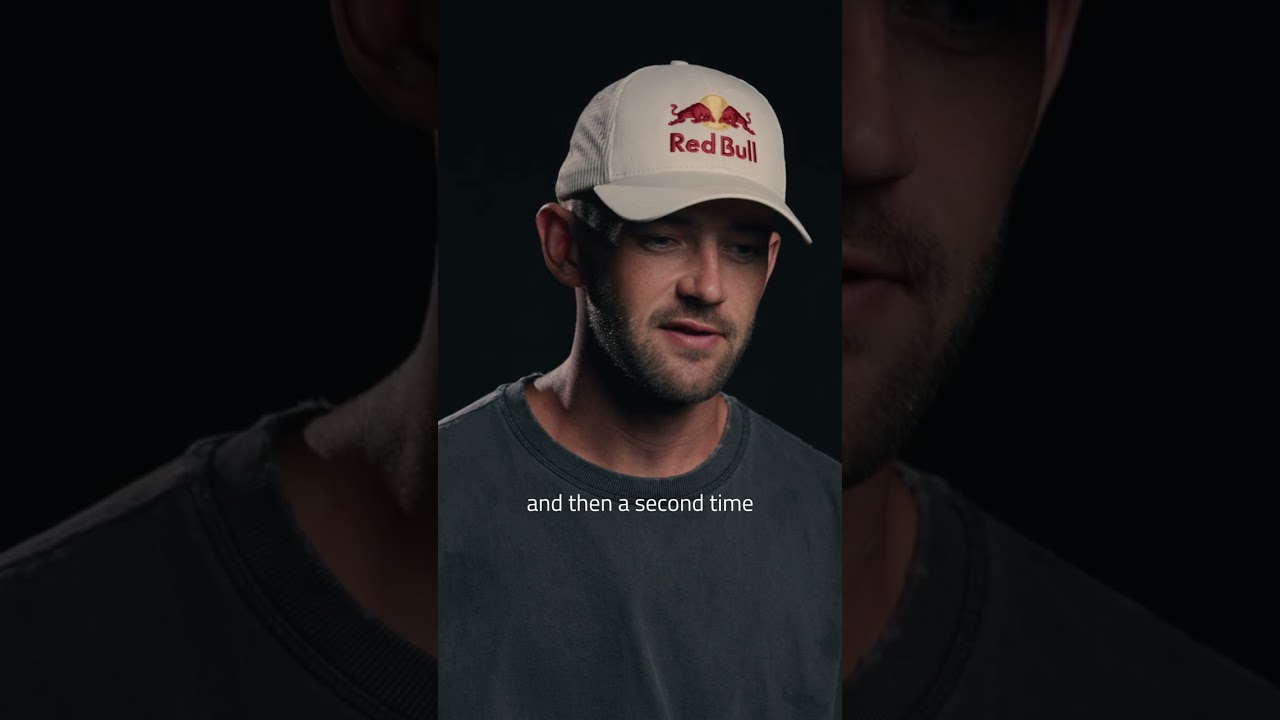
The 2025 Mainova IRONMAN Frankfurt European Championship showcased an electrifying display of endurance sports, drawing elite athletes from around the globe to compete in one of the most prestigious IRONMAN events. Set against the backdrop of Frankfurt's stunning architecture and vibrant culture, this race was not just about crossing the finish line; it was a testament to the athletes' relentless dedication, strategy, and physical prowess. In this article, we delve into the key moments of the race, the exceptional performances, and the strategies that defined this exhilarating championship.
Frankfurt, known for its impressive skyline and rich history, has long been a hub for endurance sports. The city’s unique blend of urban and natural landscapes creates a challenging yet beautiful course for triathletes. The 2025 Mainova IRONMAN Frankfurt European Championship featured a 3.8 km swim in the Main River, followed by a 180 km bike ride through the scenic Hessian countryside, and concluded with a 42.2 km marathon through the heart of the city. This combination not only tests the athletes' physical capabilities but also their mental fortitude.
The swim segment in the Main River poses its own challenges, including variable water temperatures and potential currents that athletes must navigate. Athletes typically aim to complete this segment in under one hour, maintaining an average pace of 1:30 to 1:40 per 100 meters, which is crucial for setting up a strong bike leg. This initial leg of the race can often dictate the overall performance, making it a critical focus for competitors.
The bike course, renowned for its undulating terrain, required athletes to manage their power output carefully. Many triathletes target a power zone of 70-80% of their Functional Threshold Power (FTP) to optimize speed without overexerting themselves early on. The cycling leg is often where races are won or lost, as a well-executed strategy can lead to significant time gains heading into the marathon.
The race unfolded with intense competition right from the start. Leading the pack in the swim was Germany's own Jan Frodeno, a multiple IRONMAN World Champion known for his exceptional swimming speed and tactical prowess. Frodeno's ability to maintain a consistent pace while navigating the river's currents set the tone for the race. His swim time of approximately 47 minutes positioned him well for a strong bike segment, as he emerged from the water with a lead over his closest competitors.
As the athletes transitioned to the bike, the dynamics shifted dramatically. The chase pack, including world-class cyclists like Kristian Blummenfelt and Gustav Iden, quickly began to close the gap. Blummenfelt's strategy of maintaining a higher power output of around 300 watts allowed him to bridge the distance effectively. This segment showcased the importance of pacing and strategy in endurance racing, where even a small miscalculation can lead to significant time losses.
The bike leg culminated in a thrilling showdown as Frodeno and Blummenfelt battled for the lead. Both athletes pushed their limits, with Frodeno averaging around 40 km/h during the ride, while Iden, known for his strong cycling background, made a late surge to catch up. The tactical decisions made during this segment would have far-reaching implications for the marathon, emphasizing the interconnected nature of triathlon disciplines.
The marathon leg of the IRONMAN is often seen as the ultimate test of endurance, and the 2025 Frankfurt Championship was no exception. With the sun beating down, athletes faced the challenge of maintaining their pace while managing their energy reserves. Frodeno, having established a significant lead, aimed to keep his pace close to 4:00 minutes per kilometer, a challenging but necessary goal to fend off the competition.
In contrast, Iden's race strategy involved a more conservative approach, starting at around 4:15 minutes per kilometer and gradually increasing his pace. This technique, known as negative splitting, is effective for conserving energy in the early stages and allowing for a stronger finish. This approach has been pivotal for many successful marathon runners, enabling them to finish strong when others falter.
Blummenfelt, meanwhile, pushed the pace aggressively starting from the halfway point, clocking in splits of under 4:00 minutes per kilometer. This aggressive strategy often pays off in races, as it can place immense psychological pressure on opponents. The marathon not only tests physical endurance but also mental strength, making the athletes' tactical choices critical in determining the final outcome.
Nutrition strategies play a crucial role in an athlete's performance during an IRONMAN. The 2025 Frankfurt Championship saw athletes relying on a carefully calculated intake of carbohydrates, electrolytes, and hydration. Most elite triathletes aim for approximately 60-90 grams of carbohydrates per hour during the bike and marathon segments to maintain energy levels and stave off fatigue.
During the bike leg, athletes often consume energy gels, bars, and sports drinks, strategically timed to coincide with their hydration needs. For instance, consuming a gel every 30 minutes while sipping on electrolyte drinks can help maintain performance. Athletes typically rehearse their nutrition plans during training to ensure their bodies respond well on race day.
As the marathon progresses, maintaining hydration becomes increasingly vital. Athletes must balance their fluid intake with their electrolyte needs to avoid cramping and dehydration. Many opt for a combination of water and electrolyte-rich drinks, adjusting their intake based on weather conditions and personal tolerance. The right nutrition strategy can make the difference between a podium finish and a struggle to finish the race.
In an IRONMAN, the right gear significantly impacts performance. The 2025 Frankfurt Championship highlighted the importance of selecting equipment that balances aerodynamics, comfort, and weight. Athletes like Frodeno and Blummenfelt are known for their meticulously chosen gear, from wetsuits to bicycles and running shoes, all optimized for speed and efficiency.
Triathlon wetsuits are designed for buoyancy and flexibility, with top athletes opting for high-end models that reduce drag in the water. For the bike segment, aerodynamic bicycles with deep-section wheels can provide a significant advantage, allowing athletes to maintain higher speeds with less effort. An optimized bike fit is essential, as even minor adjustments can enhance comfort and efficiency over long distances.
Footwear is equally critical; many athletes choose lightweight running shoes designed for marathon distances, offering a balance of cushioning and responsiveness. Brands like Nike and Adidas have developed shoes specifically for triathletes, featuring carbon plates for added propulsion. The combination of the right gear and a well-practiced routine can lead to substantial time savings, particularly in a race as competitive as the IRONMAN Frankfurt European Championship.
Post-race reflections are an essential part of an athlete's journey, providing insights into their performance and areas for improvement. The 2025 Mainova IRONMAN Frankfurt European Championship was no exception, with athletes analyzing their race strategies, performance metrics, and overall execution. Successful triathletes often review their race data, including swim splits, bike power output, and running pace, to identify strengths and weaknesses.
Additionally, the camaraderie among athletes is a hallmark of the IRONMAN experience. Many athletes share post-race thoughts and experiences, fostering a sense of community and mutual support. This sharing of knowledge can lead to valuable insights, helping others refine their strategies and approach for future races.
The mental aspect of racing also plays a significant role in athletes' reflections. Dealing with highs and lows during the race, managing pain, and overcoming challenges are all part of the athlete’s narrative. Many find that resilience built during the race translates into their everyday lives, highlighting the broader impact of participating in endurance sports.
Watch the complete video above for the full breakdown. For more endurance content, explore our latest articles, browse upcoming events, or discover athlete profiles on EnduranceFinder.