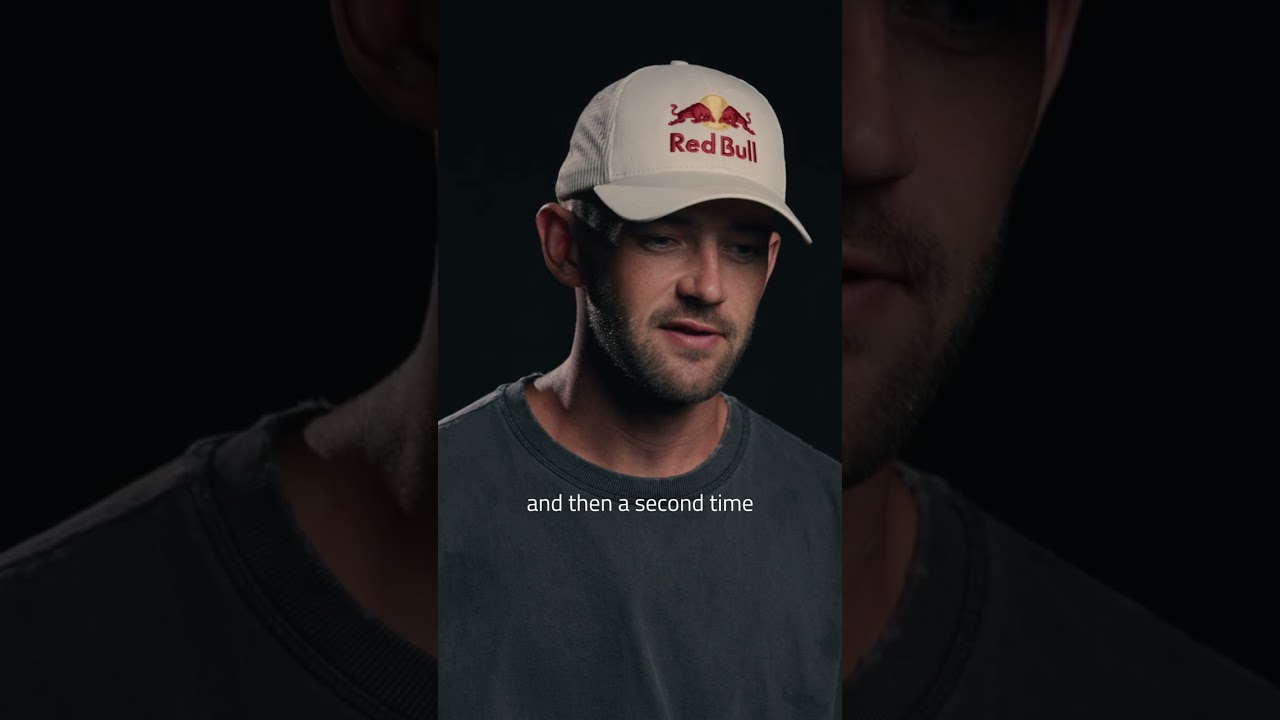
As the endurance sports community eagerly embraced the inaugural IRONMAN 70.3 Boise, Paula Findlay stepped into the spotlight, showcasing her formidable skills in one of triathlon's most demanding formats. This event not only marked a significant milestone for Boise but also served as a critical point in Findlay's career, allowing her to demonstrate the depth of her training, strategy, and resilience. This article will explore the nuances of her race day experience, from the challenges of the course to the strategies she employed, providing valuable insights for aspiring triathletes looking to conquer their own 70.3 races.
The Significance of IRONMAN 70.3 Boise
IRONMAN 70.3 Boise represents a thrilling addition to the IRONMAN race calendar, bringing the world of endurance competition to the scenic landscapes of Idaho. This new race not only introduces athletes to the beauty of Boise but also provides a chance for local triathletes to compete at a high level without traveling far. The course is designed to challenge even the most seasoned athletes, with its unique combination of terrain and climate factors that can affect performance dramatically.
The inaugural event drew attention not only for its scenic backdrop but also for the level of competition it attracted, with elite athletes like Paula Findlay aiming to make their mark. This race is particularly important for athletes seeking to earn qualifying slots for the IRONMAN 70.3 World Championship, making it a vital stepping stone in their triathlon journey. The buzz surrounding the event added an extra layer of excitement, as participants and spectators alike embraced the vibrant atmosphere.
As Findlay prepared for the event, she likely focused on both the physical and mental aspects of racing in a new location. The significance of the IRONMAN brand and the prestige associated with the 70.3 distance provide a unique motivation for athletes to push beyond their limits. For Findlay, this race was not just about the competition; it was also an opportunity to showcase her growth as an athlete and her ability to adapt to new challenges.
Course Overview: Swim, Bike, and Run
The IRONMAN 70.3 Boise course is designed to test the limits of endurance athletes, featuring a swim in the cool waters of the Boise River, a challenging bike segment through hilly terrain, and a scenic run that takes athletes through the heart of the city. The swim portion, typically a 1.2-mile distance, requires athletes to navigate the currents while maintaining an efficient stroke technique to conserve energy for the bike and run segments ahead.
Transitioning from the swim to the bike, athletes must quickly adapt to the changing demands of the course. The bike course is known for its elevation changes, which can significantly impact pacing strategies. Athletes like Findlay need to be mindful of their power output, aiming to stay within their optimal zones to prevent fatigue. Proper gearing choices and nutrition intake during this segment are crucial for maintaining energy levels and performance.
Finally, the run course presents its own set of challenges, often featuring varied terrain that can include both pavement and trails. For Findlay, pacing her run after the demanding swim and bike segments is critical. Athletes typically aim for a run pace that allows them to maintain form and efficiency, often targeting specific heart rate zones to maximize their performance without overexerting themselves.
Paula Findlay: Athlete Profile and Background
Paula Findlay has established herself as a prominent figure in the triathlon world, known for her impressive performances and determination. With a background in competitive swimming, she transitioned to triathlon, quickly making a name for herself on the international stage. Her experience and expertise in the sport provide her with a unique edge, allowing her to navigate the complexities of races like the IRONMAN 70.3 Boise with confidence.
Throughout her career, Findlay has faced numerous challenges, including injuries and intense competition, yet her resilience has been a hallmark of her journey. She has continuously adapted her training and racing strategies to overcome obstacles, demonstrating an unwavering commitment to the sport. As she lined up for the Boise race, her focus would have been on executing a well-planned strategy while drawing on her deep well of experience.
Findlay's approach to racing involves meticulous attention to detail, from her pre-race nutrition to her gear choices. Athletes at her level often work with coaches to develop personalized training plans that cater to their strengths and weaknesses. For Findlay, this race was not just another competition; it was an opportunity to showcase her growth and determination in a new environment.
Pre-Race Strategy and Preparation
Preparing for a race like the IRONMAN 70.3 Boise involves extensive planning, both in terms of physical training and mental readiness. Leading up to the event, Findlay likely engaged in a tapering phase designed to optimize her performance. This phase typically includes reducing training volume while maintaining intensity, allowing her body to recover and be primed for race day.
Nutritional strategies are also key during this preparation period. Athletes typically focus on carbohydrate loading in the days leading up to the race, ensuring they have ample glycogen stores for endurance. Findlay would have tailored her nutrition to her specific needs, often incorporating a mix of solid foods and electrolyte drinks to maintain hydration and energy levels.
Additionally, mental preparation plays a crucial role in an athlete's performance. Visualization techniques and race-day strategies are common practices among elite competitors. Findlay likely engaged in mental rehearsal, picturing herself navigating the course successfully, which can help reduce anxiety and improve focus when it comes time to race.
Navigating the Race Day Experience
Race day presents a unique blend of excitement and nerves for athletes like Paula Findlay. Arriving at the venue early allows her to familiarize herself with the course layout, set up her transition area, and mentally prepare for the challenges ahead. The atmosphere is electric, filled with the energy of fellow competitors and supporters, which can boost motivation significantly.
As the race begins, athletes must swiftly transition from their pre-race routines into competition mode. For Findlay, executing her swim strategy is crucial, focusing on pacing and stroke efficiency. The initial moments in the water can be chaotic, with athletes jostling for position, making it essential to stay calm and composed.
Transitioning from the swim to the bike, Findlay's ability to quickly change gears, both literally and figuratively, sets the tone for her performance. Effective transitions can save valuable seconds, allowing her to maximize her time on the bike course. From there, it's about managing her energy and sticking to her planned power output to ensure she arrives at the run segment ready to compete.
Nutrition and Hydration Strategies During the Race
Nutrition and hydration are critical components of endurance racing, particularly during a 70.3 event where athletes can spend several hours in competition. For Findlay, her race-day nutrition strategy would have been meticulously planned, incorporating easily digestible carbohydrates and electrolytes to sustain her energy levels throughout the race.
During the bike segment, many athletes consume gels, bars, or electrolyte drinks, aiming for a target intake of about 30-60 grams of carbohydrates per hour. Findlay likely practiced her nutrition strategy in training to ensure her digestive system could handle the chosen fuels without causing discomfort. Staying hydrated is equally important; she would need to drink fluids regularly to replace what is lost through sweat.
As she transitioned to the run, maintaining her nutritional strategy is essential, as fatigue can set in quickly without adequate fueling. Athletes often switch to lighter options, such as electrolyte drinks or chews, during the run to avoid gastrointestinal issues. This careful balance of nutrition and hydration is vital for sustaining performance and achieving optimal results on race day.
Post-Race Reflection and Insights
After completing the IRONMAN 70.3 Boise, Paula Findlay would reflect on her performance, considering both her successes and areas for improvement. Post-race analysis is a critical aspect of an athlete's growth, allowing them to identify what worked well and what adjustments might be needed for future events. This reflective process is essential for building resilience and enhancing performance in subsequent races.
In the aftermath of the race, recovery becomes a priority. Athletes often focus on rehydration and nutrition immediately following the event, consuming a mix of carbohydrates and protein to aid muscle recovery. For Findlay, this might involve a recovery shake or snack, followed by a well-balanced meal to replenish her energy stores.
Additionally, participating in a new event like Boise provides valuable insights into course specifics that can inform future training and racing strategies. The unique challenges presented by the race, such as elevation changes on the bike and run courses, can help athletes like Findlay fine-tune their approach for future competitions. This continuous learning process is part of what makes endurance sports so rewarding.
Watch the Full Video
Watch the complete video above for the full breakdown. For more endurance content, explore our latest articles, browse upcoming events, or discover athlete profiles on EnduranceFinder.