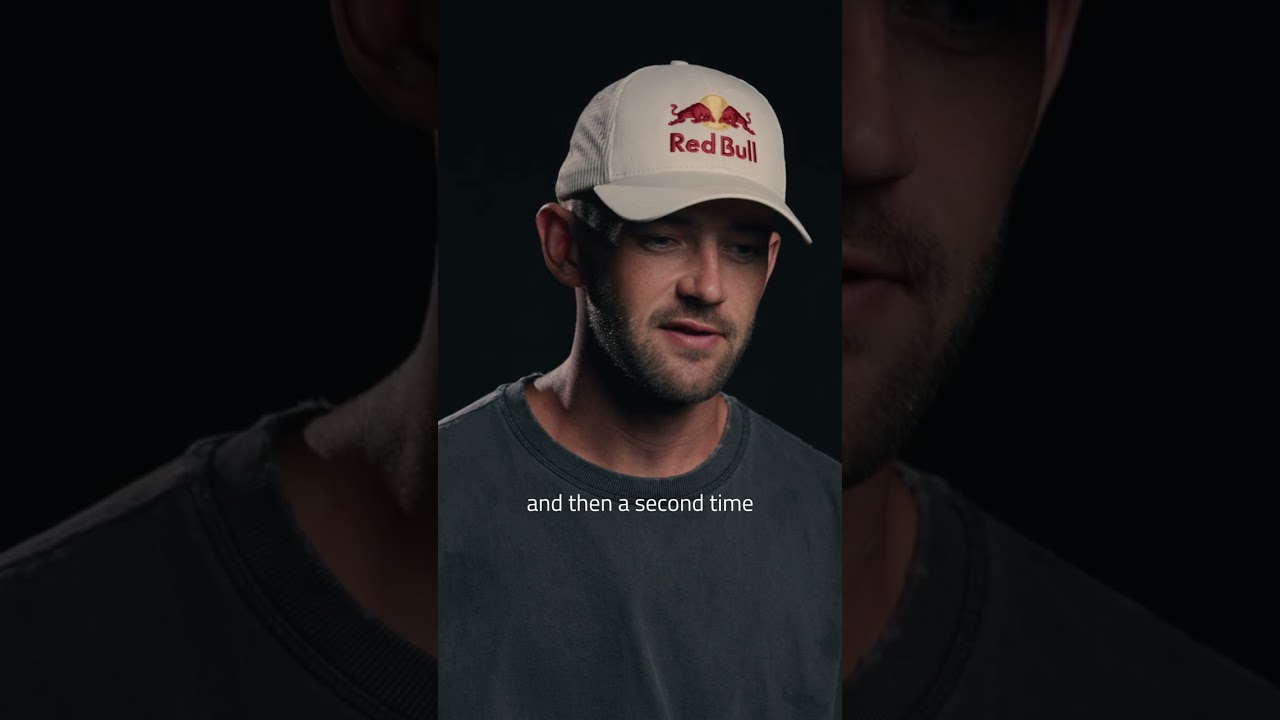
In the world of endurance sports, preparation is the cornerstone of success, especially when it comes to competing in events like the Intermountain Health IRONMAN 70.3 St. George. In the latest episode of "The Long Game," we follow elite triathlete Paula Findlay as she gears up for this highly anticipated race. Known for its stunning landscapes and challenging course, St. George offers a unique test for athletes, making it essential to fine-tune every aspect of training. This article delves into Paula's journey, offering insights into her training regimen, strategies for race day, and what it takes to perform at the highest level in triathlon.
The Intermountain Health IRONMAN 70.3 St. George is renowned for its breathtaking scenery but also its demanding terrain. With a swim in the warm waters of Sand Hollow Reservoir, followed by a hilly bike course and a challenging run, athletes must prepare meticulously. The swim is generally straightforward, but athletes must account for the water temperature and potential currents. Transitioning to the bike, the elevation gain can be daunting, requiring a focus on power management and pacing strategies to maintain efficiency throughout the course.
The bike segment features several steep climbs, with gradients that can challenge even seasoned cyclists. Athletes should train on similar terrain to build strength and endurance, incorporating hill repeats and long rides to simulate race conditions. Pacing becomes crucial here; many athletes aim to maintain a power output of around 70-75% of their functional threshold to avoid burning out before the run. Understanding the course profile can significantly enhance performance during race day.
Finally, the run course tests both physical and mental endurance. The combination of elevation changes and the potential for heat can make it a daunting challenge. Athletes should focus on brick workouts—where they practice cycling followed immediately by running—to adapt their legs to the transition. Training at a target pace that aligns with their goal finish time is vital for developing the stamina needed to conquer the final leg of this triathlon.
Paula Findlay's approach to training is rooted in consistency and specificity. She emphasizes the importance of structured workouts that align closely with race demands. For her preparation for St. George, Paula incorporates a blend of endurance training, speed work, and recovery sessions to ensure she builds both strength and resilience. This method not only enhances her physical capabilities but also fosters mental toughness, crucial for the demands of a 70.3 race.
Paula also prioritizes cross-training, integrating activities such as strength training and yoga into her regimen. These practices improve her overall body mechanics, flexibility, and injury prevention, which are essential components as she navigates the rigorous demands of triathlon training. She often incorporates strength sessions twice a week, focusing on compound movements that enhance core stability and leg strength, essential for both cycling and running.
Nutrition plays a pivotal role in her training philosophy as well. Paula meticulously plans her meals around her training schedule, ensuring she consumes the right balance of carbohydrates, proteins, and fats to fuel her workouts and recovery. During long rides or runs, she emphasizes the importance of staying hydrated and consuming energy gels or bars every 30-45 minutes to maintain optimal performance levels. This attention to detail in nutrition supports her training and recovery processes effectively.
Choosing the right equipment is critical for optimizing performance in triathlon, and Paula Findlay is no stranger to this reality. In her preparation for the IRONMAN 70.3 St. George, she evaluates her gear meticulously, from her bike to her running shoes. Her bike, a high-performance carbon model, is equipped with aero handlebars and a power meter to monitor her output, ensuring she remains within her target power zones during the race.
For the swim segment, Paula favors a wetsuit that balances buoyancy and flexibility, allowing her to maintain speed while conserving energy. She practices sighting techniques to navigate effectively in open water, which is crucial given the potential for a crowded swim start. Familiarity with the wetsuit's fit and comfort is essential during training to avoid any surprises on race day.
Finally, her choice of running shoes reflects her need for both cushioning and support. Paula opts for lightweight models with a responsive midsole, which helps her maintain a strong cadence throughout the run. She often trains in the same shoes she plans to race in, allowing her feet to adapt and ensuring optimal comfort during the event. This level of attention to gear selection can significantly influence her performance and overall race experience.
On race day, having a solid strategy is just as important as physical preparation. Paula Findlay emphasizes the need for a well-thought-out race plan, which includes pacing strategies for each segment of the triathlon. She aims to start strong but not at her maximum effort, especially during the swim. The focus is on finding a rhythm early on to conserve energy for the challenging bike and run segments ahead.
Transitioning efficiently between segments is another critical aspect of her race day strategy. Paula practices her transitions during training, ensuring she can change from swim to bike and bike to run quickly and smoothly. This includes having her gear organized and within easy reach, allowing her to minimize downtime. A well-executed transition can save precious minutes that can make a substantial difference in overall placement.
Mental preparation is equally vital for Paula. She employs visualization techniques, imagining each aspect of the race from the start to the finish. This mental rehearsal helps her feel more comfortable and confident on race day. Additionally, Paula practices mindfulness and breathing exercises during her training to enhance focus and reduce anxiety, which are essential for maintaining composure amidst the pressures of competition.
Proper nutrition before and during the race can be a game-changer for athletes like Paula Findlay. In the lead-up to the IRONMAN 70.3 St. George, she adheres to a carb-loading strategy, increasing her carbohydrate intake to ensure her glycogen stores are maximized. This typically involves consuming a diet rich in pasta, rice, and fruits leading up to the race while maintaining adequate protein intake for muscle recovery.
During the race, Paula focuses on consuming easily digestible sources of energy. She opts for performance gels and chews that provide a quick release of carbohydrates without causing gastrointestinal discomfort. Paula aims to consume about 60-90 grams of carbohydrates per hour during the bike and run segments, which helps maintain her energy levels throughout the race.
Hydration is also a significant component of her nutrition strategy. Paula ensures she drinks fluids regularly, aiming for about 500-750 ml of electrolyte-rich drinks per hour during the bike leg. This helps replace electrolytes lost through sweat and keeps her hydrated for the run. Post-race, she prioritizes recovery nutrition, focusing on protein and carbohydrates to replenish glycogen stores and initiate muscle repair.
Recovery is often overlooked in endurance training, but it plays a critical role in Paula Findlay’s preparation for the IRONMAN 70.3 St. George. She understands that effective recovery is just as important as intense training sessions. This involves incorporating rest days, active recovery workouts, and ample sleep to allow her body to heal and rebuild stronger.
After hard training sessions, Paula employs various recovery techniques, including foam rolling, stretching, and using compression garments. These methods help reduce muscle soreness and enhance blood flow, aiding in recovery. She also pays close attention to her post-workout nutrition, ensuring she refuels properly to optimize recovery times.
Active recovery sessions, such as easy swims or light jogs, are part of her routine, allowing her to stay loose without placing undue stress on her body. Paula also emphasizes the importance of listening to her body—if she feels fatigued or notices any signs of overtraining, she adjusts her training intensity or takes additional rest days to ensure she remains healthy and ready for race day.
Triathlon is not just an individual sport; it thrives on community and support, and Paula Findlay is a testament to this. Throughout her training for the IRONMAN 70.3 St. George, she engages with local clubs and training groups, where camaraderie and shared experiences enhance motivation and accountability. Training with others provides valuable feedback and encourages athletes to push their limits.
Moreover, Paula often shares her journey on social media, connecting with fans and fellow athletes. This interaction not only provides her with a support system but also inspires others in the triathlon community. By sharing her experiences, she highlights the ups and downs of training, emphasizing that perseverance and resilience are key to success in endurance sports.
As race day approaches, the support from coaches, family, and friends becomes even more crucial. Paula relies on her coach’s expertise for tailored training plans and race strategies, while her family’s encouragement helps keep her focused. This network of support is invaluable, reminding athletes that they are not alone in their journey, especially in challenging moments.
Watch the complete video above for the full breakdown. For more endurance content, explore our latest articles, browse upcoming events, or discover athlete profiles on EnduranceFinder.