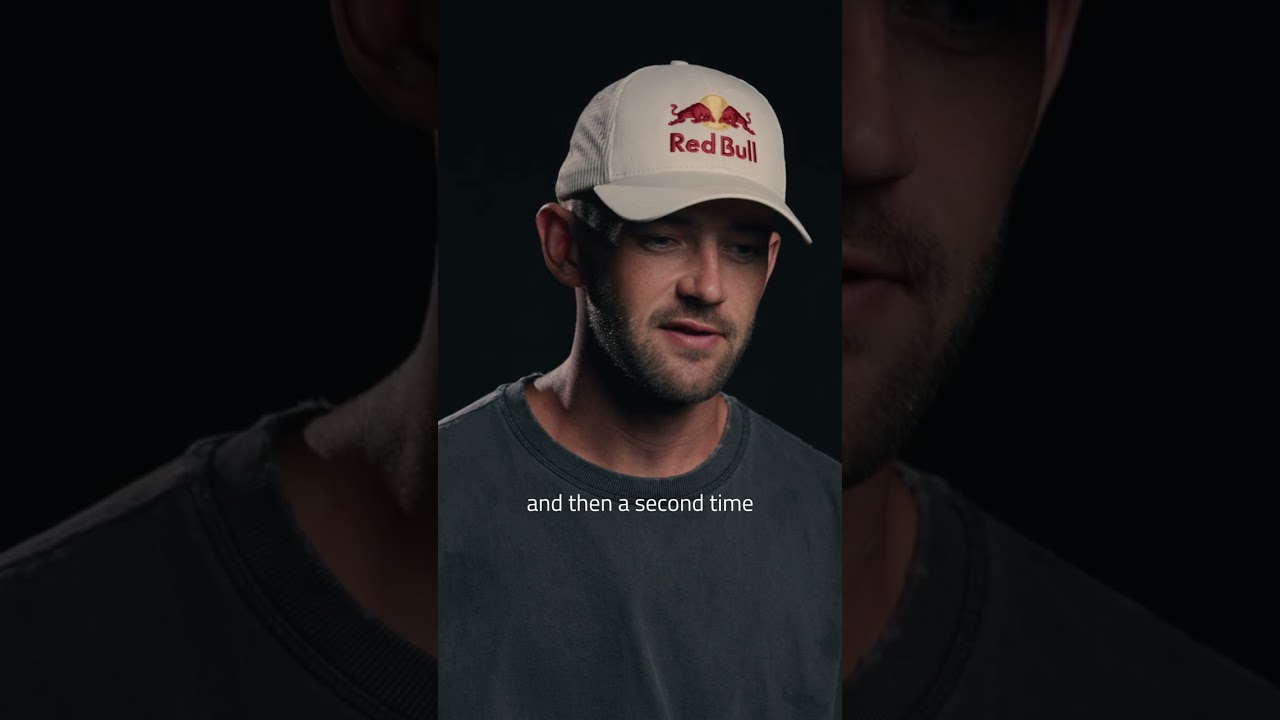
In the world of endurance sports, the underdog often captures the imagination of fans and competitors alike. With the IRONMAN World Championship approaching, Episode 33 of the "IRONMAN Insider" series presents a compelling narrative centered on three rising stars: Jamie Riddle, Harry Palmer, and Nick Thompson. Each athlete brings a unique story, strategy, and perspective to the race, showcasing how determination, innovative training methods, and the right mindset can reshape one’s trajectory in long-course racing. This article delves into their journeys, providing insights and practical advice for aspiring triathletes and enthusiasts looking to understand the nuances of competing at the highest level.
South African triathlete Jamie Riddle has emerged as a formidable contender in the long-course racing scene, making his debut at an IRONMAN earlier this year. His rapid ascent is a testament to the effectiveness of focused training and strategic race execution. Riddle's experience during a transformative training camp with renowned triathlete Sam Laidlow emphasized the importance of controlled training, steering away from the temptation of constant high-intensity efforts. This change has allowed him to build endurance without compromising recovery.
Riddle's strategy for the upcoming IRONMAN World Championship revolves around leveraging his strengths, particularly his explosive swim speed. By aiming for an early breakaway, he intends to establish a solid lead before transitioning into the bike segment. His plan is not just about speed; it’s about smart pacing and maintaining energy for the marathon, where he hopes to unleash his potential and finish strong. This tactical approach highlights the importance of understanding one’s strengths and how to utilize them effectively in a race.
As he prepares for the championship, Riddle emphasizes the need for mental fortitude and patience. He knows that the IRONMAN distance can be unforgiving, and pacing is crucial to avoid burnout. His ability to play his cards late in the marathon reflects a mature understanding of race strategy, something that will serve him well as he navigates the challenging course ahead. For aspiring triathletes, Riddle’s journey underscores the significance of tailored training and strategic race planning.
UK triathlete Harry Palmer is another rookie at the World Championship, bringing a fresh perspective to the competition. His approach to racing is heavily influenced by a unique "bonus race" mentality, which allows him to remain relaxed and focused despite the high stakes. This mindset is particularly beneficial for athletes who may feel overwhelmed by the pressure of a world championship. Palmer’s ability to balance his racing with significant life changes, such as purchasing his first home, speaks to his adaptability and resilience.
During the episode, Palmer reflects on the challenges of being a professional athlete and a content creator. Juggling multiple responsibilities can be daunting, but it has also enriched his experience as a triathlete. He emphasizes the importance of respecting the distance and staying patient throughout the race. By executing his race plan meticulously, he aims for a top-15 finish, which he considers a massive success. This realistic goal-setting is a crucial element for any athlete seeking to perform at their best.
Palmer’s insights provide valuable lessons for triathletes at all levels. His focus on maintaining balance and respecting the race distance highlights the importance of mental preparation and self-awareness. For those looking to compete in endurance events, incorporating a relaxed mindset can alleviate pressure and enhance performance. As Palmer gears up for the championship, his journey serves as an inspiration for athletes aiming to find their own balance between competition and personal life.
Australian triathlete Nick Thompson, known as “the silent horse,” has carved a niche for himself in the competitive landscape of triathlon. His journey has been marked by resilience and determination, particularly following a strong season that included a breakthrough performance at IRONMAN Cairns. Thompson’s podium finish at the IRONMAN 70.3 World Championship in Zell am See further solidified his reputation as a rising star. His experiences serve as a reminder that progress in endurance sports often comes with ups and downs.
Thompson draws motivation from a deeply personal source: a close friend who survived a serious cycling accident. This experience has instilled in him a sense of gratitude and a relentless drive to push through hardships during races. His ability to tap into this emotional wellspring not only fuels his competitive spirit but also serves as a reminder of the importance of mental resilience in endurance sports. Athletes often face physical fatigue, but the mental aspect of racing can be equally challenging.
As Thompson prepares for the IRONMAN World Championship, he emphasizes the need for a strong support system and the value of learning from past experiences. His journey encourages aspiring triathletes to seek inspiration beyond themselves and to harness personal stories as motivation. For those entering the world of endurance racing, Thompson’s narrative highlights the power of perseverance and the importance of mental strength in achieving one’s goals.
Training camps play a pivotal role in the development of endurance athletes, as evidenced by Jamie Riddle's experience with Sam Laidlow. These immersive environments provide athletes with the opportunity to refine their skills, learn new techniques, and adopt effective training philosophies. The focus on controlled training rather than relentless intensity can be a game changer for athletes looking to maximize their performance while minimizing the risk of injury.
For triathletes, attending a training camp can offer exposure to expert coaching, tailored workouts, and valuable peer feedback. Such camps often simulate race conditions, allowing athletes to practice their pacing strategies and nutrition plans in a supportive setting. This preparation is essential for successfully navigating the complexities of race day, particularly in a challenging event like the IRONMAN World Championship.
Additionally, training camps foster camaraderie among athletes, creating a shared experience that can enhance motivation and accountability. The relationships built during these camps can provide ongoing support as athletes continue their journey towards competition. For anyone serious about improving their triathlon performance, investing in a training camp experience could be a transformative step in their athletic development.
The mental aspect of endurance racing cannot be overstated, as illustrated by Harry Palmer's "bonus race" mentality and Nick Thompson's personal motivations. Athletes often face mental barriers that can hinder performance, making it crucial to develop strategies to overcome these challenges. A positive mindset can significantly influence how an athlete approaches training and racing, ultimately impacting their outcomes.
Visualization techniques, mindfulness practices, and goal-setting are effective tools athletes can use to enhance their mental resilience. By cultivating a strong mental game, triathletes can better navigate the inevitable ups and downs of long-distance racing. Strategies such as breaking the race into manageable segments or focusing on breathing can help maintain composure during high-pressure moments.
Furthermore, building a supportive network is essential for mental well-being in the sport. Engaging with fellow athletes, coaches, and family members can provide encouragement and accountability, fostering a positive environment for growth. As demonstrated by Thompson’s connection to his friend’s journey, drawing strength from personal stories can also be a powerful motivator. Endurance athletes must prioritize their mental health just as much as their physical training to achieve success.
As triathletes prepare for events like the IRONMAN World Championship, nutrition becomes a critical component of their training and racing strategy. Proper fueling is essential for optimizing performance, and athletes must tailor their nutrition plans to meet the demands of long-distance racing. Riddle, Palmer, and Thompson all emphasize the importance of pre-race nutrition and hydration to ensure they are adequately prepared for the challenges ahead.
A well-rounded nutrition plan should include carbohydrates, proteins, and fats to provide the necessary energy for training and racing. During the race, athletes should aim to consume around 60-90 grams of carbohydrates per hour to sustain energy levels. Additionally, electrolyte balance is vital, as dehydration can severely impact performance. Athletes often experiment with different gels, bars, and electrolyte drinks during training to find what works best for their bodies.
Post-race recovery nutrition is equally important, as it helps replenish glycogen stores and aids in muscle recovery. Consuming a combination of protein and carbohydrates within 30 minutes of finishing can optimize recovery. For endurance athletes, understanding their unique nutritional needs and developing a personalized plan is paramount for achieving peak performance on race day.
The narratives of Jamie Riddle, Harry Palmer, and Nick Thompson reflect a broader trend in the world of endurance sports—an influx of emerging athletes ready to challenge established norms. As the IRONMAN World Championship approaches, these underdogs are not just competing; they are redefining what is possible in the sport. Their unique training approaches, mental strategies, and personal motivations are setting the stage for a new era in triathlon.
As more athletes embrace innovative training methods and prioritize mental resilience, the landscape of endurance racing will continue to evolve. The emphasis on balanced training, nutrition, and mental preparation is becoming increasingly important for success in this demanding sport. Aspiring triathletes can learn valuable lessons from the journeys of these athletes, understanding that success is not solely determined by past accolades but by the determination to push boundaries and embrace challenges.
In a sport where endurance and skill are paramount, the stories of Riddle, Palmer, and Thompson serve as an inspiration for all athletes. As they gear up for the IRONMAN World Championship, their journeys remind us that the path to success is paved with hard work, resilience, and a willingness to learn. The future of endurance racing is bright, and these rising stars are just getting started.
Watch the complete video above for the full breakdown. For more endurance content, explore our latest articles, browse upcoming events, or discover athlete profiles on EnduranceFinder.