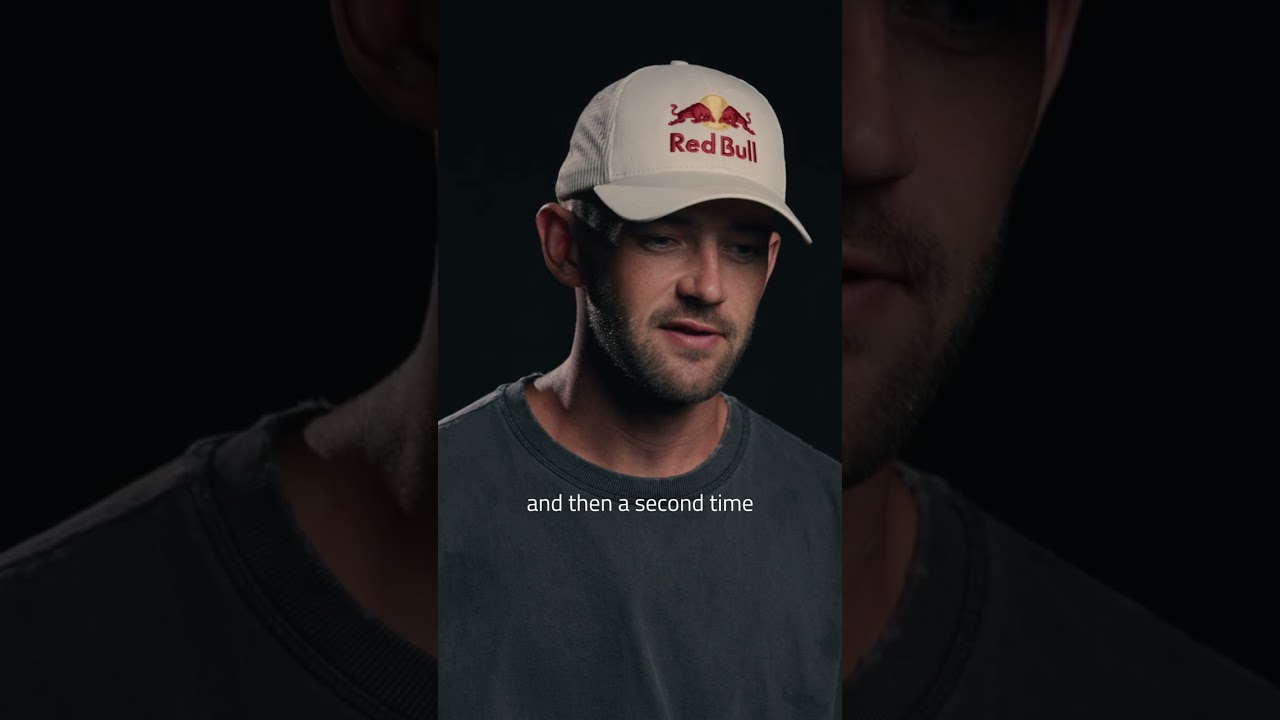
The 2025 Mainova IRONMAN Frankfurt European Championship was a monumental event in the endurance sports calendar, showcasing the grit and determination of triathletes from across the globe. This post-race report by Athletic Brewing dives deep into the highlights, challenges, and triumphs that defined this prestigious race. As athletes pushed their limits through the grueling 2.4-mile swim, 112-mile bike ride, and 26.2-mile run, spectators were treated to a display of athleticism and strategy. In this article, we’ll analyze the key aspects of the race, from course details to athlete performance, and provide insights that aspiring triathletes can apply in their own training and racing endeavors.
The Race Day Atmosphere
The atmosphere on race day at the Mainova IRONMAN Frankfurt was electric. Thousands of spectators gathered to cheer on their favorite athletes, creating an environment that was both supportive and inspiring. The excitement began early with the traditional athlete parade, where competitors showcased their country flags, fostering a sense of camaraderie among participants. This year, the weather was favorable, with mild temperatures and clear skies, setting the stage for personal bests and thrilling finishes.
As the athletes entered the water for the swim portion, the buzz in the air was palpable. The Frankfurt skyline served as a stunning backdrop, and the anticipation was high as each athlete prepared for the challenge ahead. The swim course, known for its unique urban setting, allowed participants to navigate through the historic Main River, making it not just a test of endurance but also a scenic experience, which many triathletes appreciated.
As the sun rose higher and the race progressed, the energy continued to escalate. Fans lined the bike and run courses, providing motivation through cheers and signs of support. This sense of community is integral to the IRONMAN experience, as it fuels athletes during the toughest moments of the race. The camaraderie among athletes and spectators alike is what makes the IRONMAN series special, turning each race into a celebration of endurance sports.
Swim Course Insights
The 2.4-mile swim in the Mainova IRONMAN Frankfurt is often regarded as one of the most challenging legs of the triathlon due to the river's current and urban environment. This year, athletes faced a slight current, which added an extra layer of complexity to their swim strategy. Many athletes utilized a drafting technique to save energy, positioning themselves behind stronger swimmers to minimize resistance.
In addition to physical prowess, mental fortitude was crucial during this segment of the race. Athletes had to maintain focus amidst the buoy markers and other competitors. Effective sighting techniques were essential, as the distance markers could easily be obscured by waves and fellow swimmers. Triathletes who practiced sightlines during their training were better prepared to navigate the course efficiently.
Nutritional strategies before the swim also played a significant role. Many athletes opted for easily digestible energy gels and hydration to ensure they were fueled without feeling weighed down. A pre-race meal rich in carbohydrates, taken around three hours before the swim, proved beneficial for optimal energy levels. This careful planning enabled athletes to tackle the swim leg with confidence and vigor.
The Bike Course Challenge
The bike course at the Mainova IRONMAN Frankfurt is known for its rolling hills and scenic views, making it both a beautiful and challenging experience. Covering 112 miles, the route takes athletes through picturesque landscapes, but also tests their endurance and pacing strategies. This year, cyclists faced variable wind conditions, which could significantly impact their performance and energy output.
Many experienced triathletes emphasize the importance of power zones during this segment, advising others to maintain an output that aligns with their training. For instance, staying within Zone 2 allows for sustained effort without excessive fatigue, crucial for a successful marathon run afterward. Athletes employing a power meter to monitor their output were able to adjust their effort according to the course's demands.
Nutrition on the bike is paramount. Athletes were encouraged to consume around 60-90 grams of carbohydrates per hour to maintain energy levels. This year, many competitors relied on a mix of energy bars and electrolyte drinks, creating a balance between hydration and fuel. Additionally, practicing their nutrition strategy during training rides helped athletes avoid gastrointestinal distress during the race, allowing them to focus solely on their performance.
Running the Marathon
The marathon segment of the Mainova IRONMAN Frankfurt is where many athletes experience the highest levels of fatigue, making mental toughness and pacing critical. Covering 26.2 miles through the city streets, the run course offers a mix of flat sections and gentle inclines, challenging athletes to maintain their momentum. This year, the heat became a significant factor, with many competitors adjusting their race strategies to adapt to the warmer temperatures.
Effective pacing strategies are essential during the marathon, and many athletes aimed to run at a target pace that they had practiced in the lead-up to the race. For instance, splitting the marathon into miles with specific pacing goals allowed athletes to conserve energy and avoid burnout. Those who trained with a heart rate monitor were able to stay within their optimal zone, ensuring they completed the run without hitting the infamous "wall."
Hydration and nutrition during the run were also critical, with athletes advised to take in fluids at regular intervals to avoid dehydration. Utilizing aid stations effectively, many competitors opted for water, electrolyte drinks, and energy gels, consuming small amounts frequently to maintain energy levels. Understanding individual needs for hydration and fuel proved to be a decisive factor that influenced finishing times.
Top Performers and Breaking Records
This year’s race saw some exhilarating performances, with several athletes breaking personal records and even some course records. The competitive field included both seasoned veterans and ambitious newcomers, creating an exciting atmosphere. Notably, the male and female winners displayed exceptional skills and strategies, showcasing the peak of human endurance and determination.
The male champion completed the race in an impressive time, demonstrating not only physical prowess but also strategic acumen throughout all three legs. His ability to maintain a steady pace on the bike and manage energy levels during the marathon was a testament to his experience and training. The female winner also showcased remarkable resilience, overcoming challenges on the bike course to secure her victory.
These top performers often cited their training regimes, which included high-volume workouts and specific race simulations. Such preparations helped them anticipate race day conditions and strategize effectively. Aspiring athletes can learn from these champions by adopting similar training methodologies, focusing on consistency, endurance, and race strategies that work best for their own bodies.
The Role of Community Support
The IRONMAN Frankfurt event is not just about the athletes; it’s also a celebration of community support. Local volunteers and fans play a crucial role in creating an uplifting atmosphere, offering encouragement and assistance throughout the race. From handing out water and snacks at aid stations to cheering from the sidelines, their contributions help to motivate athletes when they need it most.
This year, many volunteers were local residents who had witnessed the event grow over the years, and their enthusiasm added to the vibrant energy of the race. Athletes often mention how the cheers and support from the crowd can make a significant difference during the toughest moments of the race, helping them push through fatigue and discomfort.
The bonds formed within the triathlon community extend beyond race day, with many athletes finding lifelong friendships through shared experiences. The collective spirit of perseverance and achievement is what makes events like the Mainova IRONMAN Frankfurt special, creating an inclusive environment that encourages everyone to strive for their personal best.
Lessons Learned for Future Races
Reflecting on the 2025 Mainova IRONMAN Frankfurt, both athletes and coaches have identified valuable lessons that can be applied to future races. One major takeaway is the importance of adapting to race day conditions, whether it be temperature, wind, or course changes. Athletes are encouraged to develop flexible race strategies that can be modified based on real-time observations.
Another critical lesson is the significance of mental preparation. Many athletes noted that maintaining a positive mindset during challenging segments can lead to better performance outcomes. Techniques such as visualization and mindfulness can help competitors stay focused and motivated, particularly during the marathon when fatigue sets in.
Lastly, effective training and nutrition strategies are paramount. Athletes are encouraged to experiment with different fueling options and hydration methods during training to discover what works best for them. This practice not only enhances performance but also builds confidence going into race day, ensuring that athletes are well-equipped to tackle the challenges ahead.
Watch the Full Video
Watch the complete video above for the full breakdown. For more endurance content, explore our latest articles, browse upcoming events, or discover athlete profiles on EnduranceFinder.