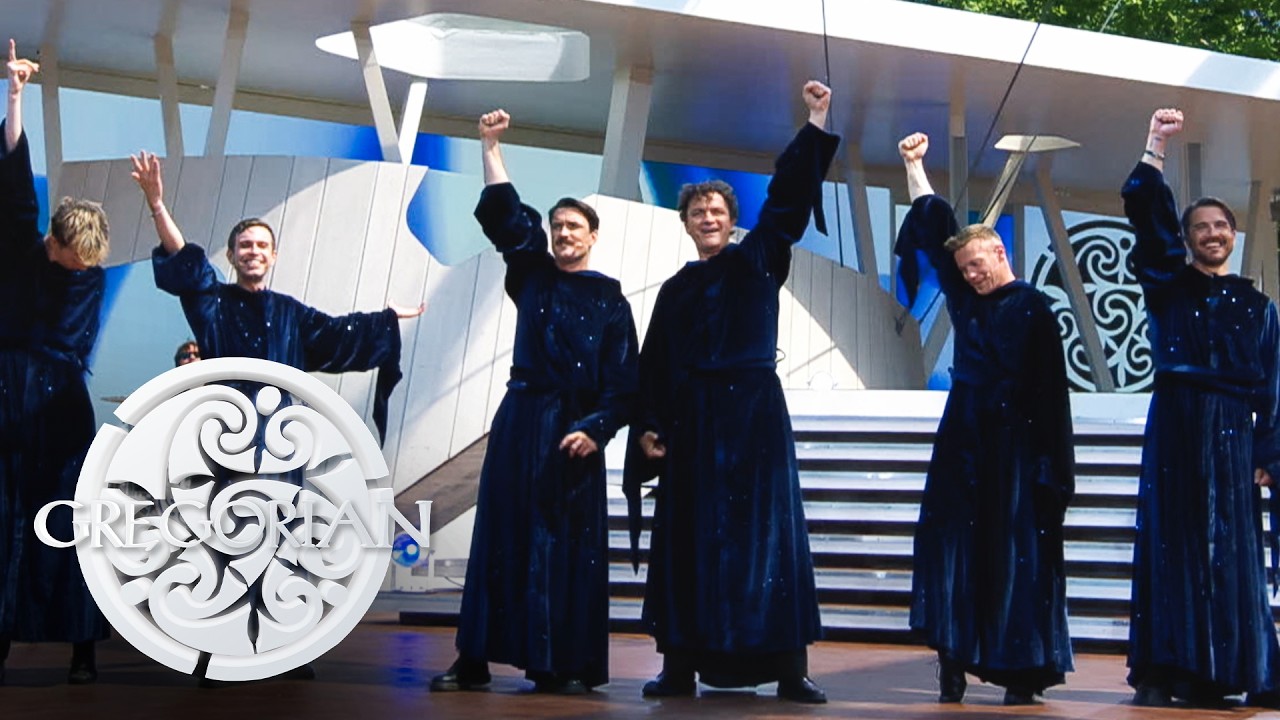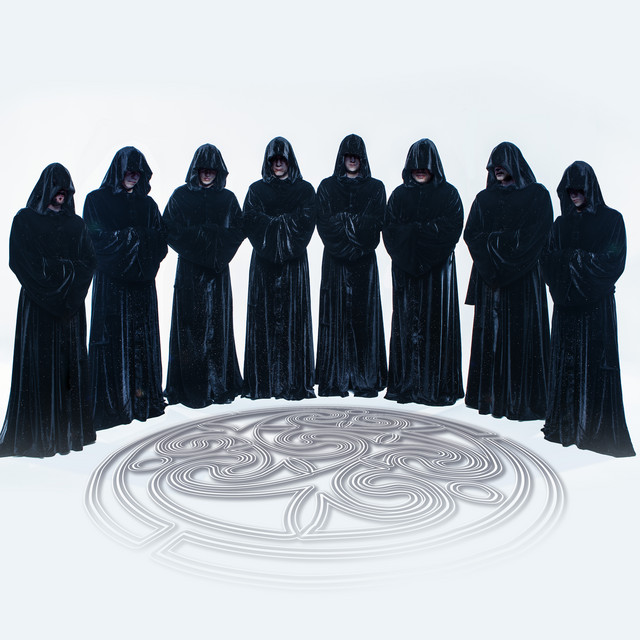
Press play on a five-minute track and you are asking for a particular kind of attention. "Conquest of Paradise," posted as official audio from the album Epic Chants, asks for it from the first note: a title that promises scale, a word, "chants," that promises voices rather than instruments, and a runtime of five minutes and ten seconds that is long enough to settle into a room and short enough to be repeated. This guide works from what the release itself gives us, the title, the album name, the official-audio designation and the posted runtime, and is honest about where that material runs out.
The first thing to say is what this piece cannot do. The video carries no transcript and no spoken commentary, so there is no artist explaining their choices in their own words. The description offers only a short note ("Enjoy the beauty!"), a licensing line crediting footage to Nemo Studios, and standard channel links. Anything more specific about how the track was built, recorded or arranged would be guesswork, and this article does not guess. What follows is a way of listening to a chant-titled epic track, built on the details that are actually on the page.
Titles do real work in recorded music. "Conquest of Paradise" is a phrase of arrival and struggle at once: a conquest implies a campaign, a paradise implies a destination. Put that phrase on a release called Epic Chants and the two words start to pull against each other. Chant, in the everyday sense, is repetitive, unhurried and communal. "Epic" implies the opposite, a sweep of narrative and a sense of vast distance covered. A listener approaching this track is being invited to hear whether the form can hold the story.
That is the productive question to carry into the five minutes. Rather than asking whether the track is "accurate" to anything, ask where the sense of motion comes from. In sacred and ceremonial vocal music generally, forward movement is rarely created by speed alone. It tends to come from changes in register, from the layering or thinning of voices, from the moments when a phrase is allowed to hang before resolving, and from the pacing of silence between phrases. Those are the places to listen for in any track of this kind, and they are the places where a title like this one either earns its promise or doesn't.
The album name is the second piece of evidence on the page, and it is a deliberate pairing. A release that calls itself Epic Chants is telling you its ambition before a single bar begins. It places the material in a lineage where chant is not a background texture for meditation but a vehicle for large-scale feeling. That is a legitimate and old tradition in vocal music: the chant as the carrier of drama, lament and triumph, rather than as a closed, inward exercise.
For a listener, the practical consequence is this. When you hear "Conquest of Paradise" as part of Epic Chants, you are hearing it as an album-level statement, not as a single isolated piece. The official-audio designation supports this reading. Official audio is the version the artist or label presents as the definitive recording, with the visual element stripped back to the sound itself. Listening to it without a picture asks you to meet the music on its own terms, which suits a track whose title is so reliant on imagery. The mind supplies the paradise and the conquest; the voices have to do the rest.
Five minutes is the length at which a listener either surrenders to a piece or gets restless, and the difference is mostly about posture. A practical approach that suits this form:
- Listen the first time without expectation. Let the opening establish the tonal center and the vocal weight before you judge anything.
- Listen the second time for register. Notice where the voices rise and where they settle. In epic vocal writing the rise is often where the story seems to move.
- Listen the third time for silence. The gaps between phrases do as much work as the phrases. Chant depends on them.
- Finish with the title. Ask again what "conquest" and "paradise" mean to you now that the sound has had its say.
This is not a method the recording requires. It is a way of paying the kind of attention that long-form vocal music rewards, and it works on any track of this length. The point is to give the piece the time it was built to take.
The verified record is short. The track is titled "Conquest of Paradise," it is presented as official audio from the album Epic Chants, it was posted to the Gregorian channel on July 10, 2026, it runs 5 minutes and 10 seconds, and at the time of the metadata used for this article it had 47,008 views. The footage used alongside the audio is credited as licensed from Nemo Studios. The channel's own description invites viewers to subscribe for updates on new releases.
That is the full factual scaffold. Everything beyond it, including the arrangement, the performers, the recording location and the story behind the choice of title, would need a source that this material does not provide. A reader who wants that depth should go to the album's own liner information or to the artist's published material rather than to inference.
Start with the track itself, at full volume, in a room where you will not be interrupted for five minutes. Then listen again with the four-step approach above. If the title's pairing of conquest and paradise has stayed with you, look for other releases on the same channel, where new material is announced, and compare how an epic chant treats its sense of journey. Pay attention to the moments when the voices seem to open a door. Those are the places where the title stops being a label and becomes something you hear.