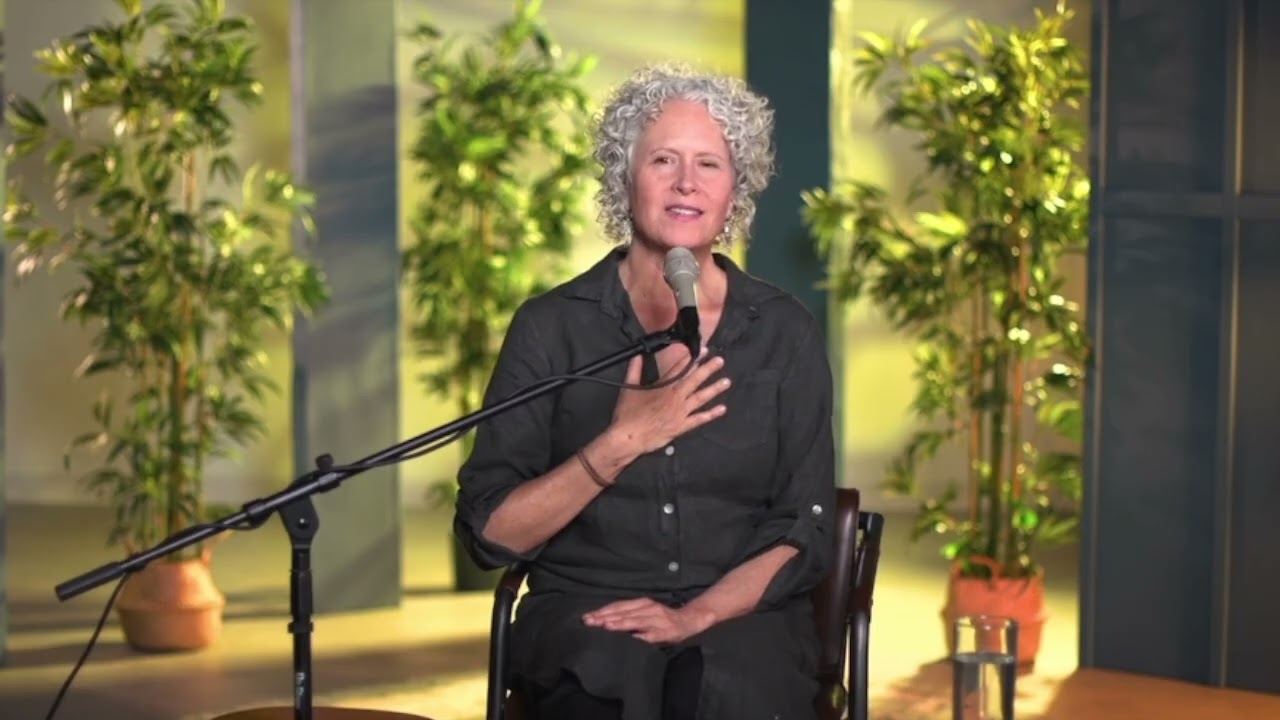
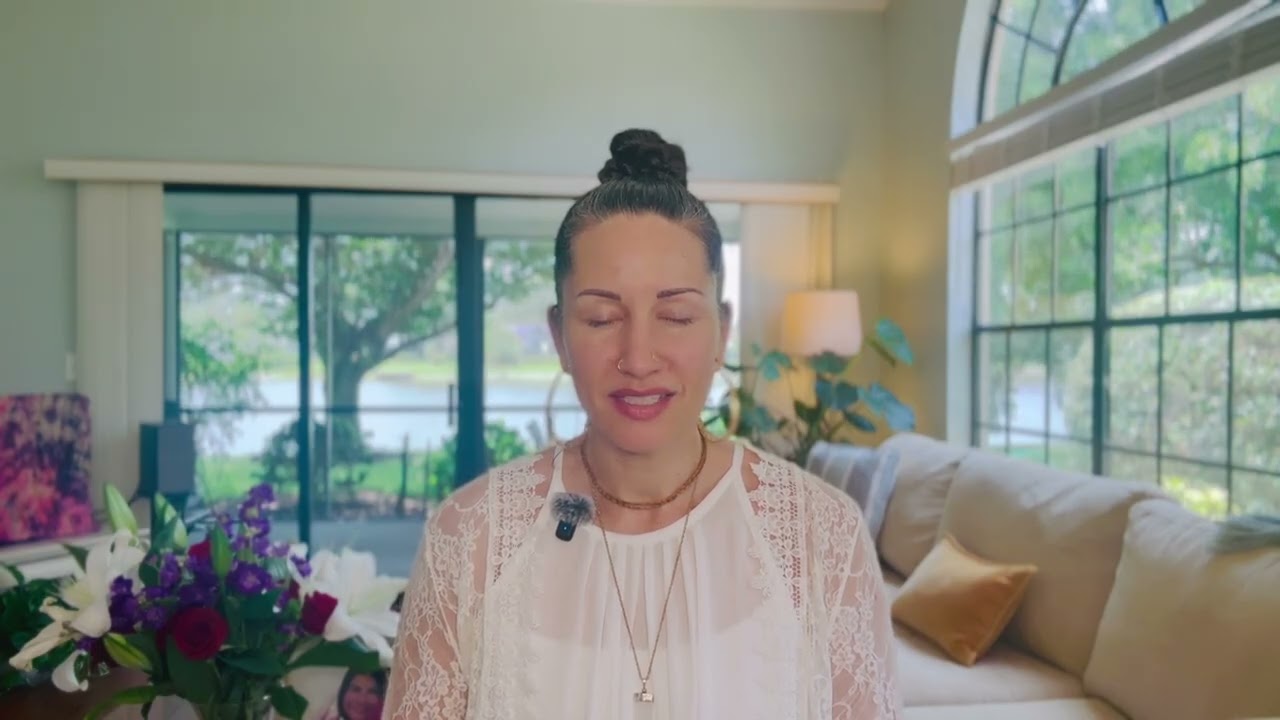
Yoga nidra, often called "yogic sleep," is a guided practice in which you lie still, follow a voice through a sequence of body awareness, breath, and imagery, and stay on the edge of waking sleep for half an hour or more. Kristi Kuttner's 32-minute recording layers a further element on top of that structure: distance Reiki, a healing practice she sends to specific points of the body while you rest. The whole session is framed around hormonal harmony and balance, with a sankalpa, or intention, set at the start and returned to at the end. What follows explains how each stage of the recording works, why its sequence matters, and how a listener who has never tried yoga nidra can make use of it.
Whatisyoganidra,andwhydoesthelying-downmatter?
Kuttner's description calls yoga nidra "an ancient technique that helps you deeply relax and reset the nervous system." The practice asks very little of the body and a great deal of attention. That is why she begins by asking the listener to build a bed of support before anything else happens: pillows, blankets, bolsters, an eye cover. In the opening minute she tells listeners that "there are no shoulds or shouldn'ts" and that "there is no way that you can do this wrong." That permission is not a throwaway. A nervous system that is still bracing for a performance will not settle into the kind of rest yoga nidra is designed to reach, and the recording's first ten minutes exist to remove that bracing.
The description also advises against listening while driving, which is a practical reminder of how far the practice pushes toward sleep. Yoga nidra is not meant to be a background track. It works best when the listener has time to drift.
Howdoesthebodyscanpreparethenervoussystem?
The early stage moves slowly from the feet upward. Kuttner asks the listener to check the feet and ankles, then the calves, knees, and thighs, then the hips, lower back, middle back, and upper back. She returns to the hands, arms, shoulders, and neck, and then to the face: "scan the expression on your face and soften your eyes forehead." Each area is named and released in turn. The body scan is one of the defining mechanics of the tradition, because it gives the mind a sequence to follow so that it stops generating its own agenda.
Around the three-minute mark of the recording the practice is already moving toward what Kuttner calls a feeling of being held: "feel held, nothing to do, your body is supported and resting." The point of the body scan is not to fix any particular area. It is to notice, in order, where the body is holding on and then to let go of that hold without forcing it.
Whatdoesasankalpadointhefirstminutes?
Before the Reiki begins, Kuttner introduces the sankalpa, the intention that anchors a yoga nidra session. In this recording it is a single sentence: "I honor and cherish my body's deep wisdom from within." She has the listener repeat it three times, silently or aloud, with the stated purpose of planting "the seed into the deepest part of your being." The sankalpa is the one thread that runs from opening to closing. It is repeated at the start, returned to after the deepest passage, and spoken again as the practice ends.
Readers who want to build their own practice can treat the sankalpa as the most portable part of the recording. It is short, positive in form, and tied to the body rather than to an outcome. That last feature is important. Kuttner's framing is about honoring the body's wisdom, not about forcing a hormonal result on a schedule.
HowdoesdistanceReikiworkinthisrecording?
The description says the practice includes "distance Reiki," and the transcript confirms that Kuttner sends energy to a long sequence of points. She names the fingers of each hand, the wrists, elbows, and shoulders, then the throat, the crown, the brow, the eyes, ears, cheeks, nose, lips, and chin. From there the sequence moves to the heart center on both sides of the chest, the navel, the tailbone, the hips, knees, ankles, and toes. The recording ends this passage with the whole body: "the entire right side of your body, the whole left side of your body, whole body filled with light."
Kuttner suggests a way to picture the transfer: "you might like to experience it as a healing warm rose gold colored light moving throughout your body." The listener is asked to do nothing except remain open. "There's nothing you need to do," she says. "Just be open to receive and allow your awareness to move from point to point." This is worth noticing for anyone who expects Reiki to feel like a hands-on session. Here the attention is the only instrument. The sequence is also long enough that the listener's awareness has to travel, which gives the mind something to hold other than its usual preoccupations.
The recording makes no clinical claim about hormones. The hormonal framing comes from the description and from Kuttner's own digital course on spiritual practices for hormonal health. Readers should treat the Reiki passage as a contemplative and relaxation exercise, not as a replacement for medical care.
Whydoesthepracticebreatheintotheenergybody?
After the Reiki sequence, the recording shifts from the physical body to what Kuttner calls the energy body. The breath becomes the vehicle. She asks the listener to feel the inhale pull "vital life force energy" down to just below the navel, above the pubic bone, into what she calls the womb space, and to feel the exhale disperse that energy outward into the aura. She describes the inhale as guiding energy "down to the lower belly, the sacral chakra," and the exhale as dispersing it "out to the fingers, toes, through the crown of the head."
The mechanic is a simple inhale-down, exhale-out pattern, and it is repeated for several rounds. Kuttner keeps returning the listener to the breath when attention wanders, which is a consistent feature of the practice. The result she describes is a body "alive with energy, pulsing, vibrating, tingling, balanced." Whatever a listener makes of the energy-body language, the physical effect of slow, lengthened exhalation is well established: it shifts the body toward rest. The recording simply gives that effect a language of energy and places it in the lower belly.
Whatisthewitnessstagewithsymbols?
The most distinctive passage of the recording comes in the middle. Kuttner invites the listener to expand the mind "and access to inner wisdom," then names a series of images one at a time: a red rose, morning dew, a bright full moon, baby laughing, a cozy warm blanket, an orange sun, ocean waves, a burning candle, sunlight shining through a crystal. The instruction for each is the same. "Simply be the witness, simply watching with detached awareness."
This is the stage where the practice most resembles classic yoga nidra, which often uses rapid imagery to keep the mind moving while the body rests. Kuttner ties the images to layers of self: the physical body, then the energy body, then the mind, and finally what she calls "pure awareness, eternal peace and freedom." Each image is a prompt to notice without grasping. The listener is not asked to interpret the rose or the candle. The task is to watch them come and go.
Howdoyouusethispracticeathome?
The closing stage is gentle and deliberate. The listener is asked to bring awareness back to the breath, to observe the body breathing, and then to take a deep breath and feel the energy "coming back into your physical body." Kuttner suggests placing the hands on the womb space, caressing and loving the body "with deep compassion." She returns once more to the sankalpa, then closes with a blessing: "please take the utmost precious care of yourself today."
For anyone trying this at home, the recording's structure offers a usable template. Set up a bed of support, dim the room, and choose a time when you will not need to drive or stand. Let the sankalpa be short enough to remember. Do not rush the return. The ending is not a formality; it is the stage that brings the sleeping listener back to ordinary waking. Kuttner's own note in the description invites listeners to share how they feel afterward in the comments, which suggests the practice is meant to be tracked as a personal experience over time rather than judged in a single sitting.
Wheretogofromhere
If this recording is your first encounter with yoga nidra, start with the body scan and the sankalpa, and treat the Reiki passage as an optional layer you can return to once the structure feels familiar. Listeners who want a longer container for hormonal-health practices can explore the digital course Kuttner links in the description, Spiritual Practices for Hormonal Health, and her Reiki training pages. Whatever path you take, the recording's central instruction is the one she gives at the outset: there is nothing you need to do, and nothing you can do wrong.
Southern California yoga and meditation teacher, Reiki Master, and somatic guide who offers "intentional liberating rest" through Yin Yoga, Yoga Nidra, Sound Healing, and Reiki.
Yoga nidra, often called yogic sleep, is a guided practice where you lie still and follow a voice through body awareness, breath, and imagery while staying on the edge of waking sleep. Kristi Kuttner describes it as an ancient technique that helps deeply relax and reset the nervous system. Unlike seated meditation, it is designed to be done lying down, with support.
A sankalpa is an intention set at the start of a yoga nidra session and repeated during it. In Kuttner's recording the sankalpa is 'I honor and cherish my body's deep wisdom from within,' repeated three times to plant the seed in the deepest part of the being. It is returned to again at the end of the practice.
Distance Reiki is a healing practice in which energy is sent without hands-on contact. In this recording, Kristi Kuttner guides the listener's awareness through a sequence of body points, from the fingers and wrists through the head, heart, navel, hips, and toes, and invites the listener to imagine a warm rose gold light. The listener's only task is to remain open to receive.
No. The recording makes no clinical claim about hormones; the hormonal framing comes from the video description and Kuttner's related digital course. It should be treated as a relaxation and contemplative exercise, not a substitute for medical care.
This Kristi Kuttner recording runs about 32 minutes. The description specifically advises against listening while driving, because the practice is designed to move the listener toward deep rest.
The witness stage is a middle passage where the guide names a series of images, such as a red rose, a full moon, ocean waves, or a candle, and the listener simply observes each one with detached awareness. Kuttner uses it to move attention through the physical body, the energy body, and the mind toward what she calls pure awareness.