BrightStar

Browse All Events

Discover conscious gatherings

events

Yoga
Meditation
Breathwork
Qigong
Tai Chi
Sacred Music
World Music
Medicine Music
Sound Healing
Ecstatic Dance
Popular Destinations
BaliSedonaLos AngelesCosta RicaNew YorkSan FranciscoAustinMiamiJoshua TreeTulum
View All CategoriesView All Destinations

Explore All Features

Powerful tools to grow your events

Platform Features

Smart Dynamic Pricing
Ticket Categories
Assigned Seating
Abandoned Cart Recovery
Visitor Recovery
Donations & Sliding Scale
Affiliate Engine
Ticket Scanner
Coupon Codes
Custom Questions
Ticket Sharing
Upsells & Add-ons
Analytics & Reporting
Email Sequences
Waitlist / Notify / Remind
People & Places
Artists & TeachersEvent OrganizersVenues & StudiosKnowledge BaseGlossaryInspiration
View All FeaturesAbout Us
PricingBlog
Language
Saved events
Browse All Events

events

YogaMeditationBreathworkQigongTai ChiSacred MusicWorld MusicMedicine Music

Popular Destinations

BaliSedonaLos AngelesCosta RicaNew YorkSan Francisco

People & Places

Artists & TeachersEvent OrganizersVenues & StudiosKnowledge BaseGlossaryInspiration

Platform Features

Smart Dynamic PricingTicket CategoriesAssigned SeatingAbandoned Cart RecoveryVisitor RecoveryDonations & Sliding ScaleAffiliate EngineTicket ScannerCoupon CodesCustom QuestionsTicket SharingUpsells & Add-onsAnalytics & ReportingEmail SequencesWaitlist / Notify / Remind
View All FeaturesAbout Us
PricingBlog
Log inFind EventsHost Events
  • Browse All Events
  • For Seekers
  • Yoga
  • Meditation
  • Breathwork
  • Qigong
  • Tai Chi
  • Sacred Music
  • World Music
  • Medicine Music
  • Sound Healing
  • Ecstatic Dance
  • Retreats
  • Workshops
  • All Categories →
  • Bali
  • Sedona
  • Los Angeles
  • Costa Rica
  • Tulum
  • Byron Bay
  • San Francisco
  • Austin
  • New York
  • San Diego
  • Denver
  • Seattle
  • Portland
  • Miami
  • All Cities →
  • Be Found
  • Sell Globally
  • For Creators
  • For Teams
  • For Writers
  • For Teachers
  • For Kirtan Artists
  • For Studios
  • For Festivals
  • For Retreat Centers
  • For Nonprofits
  • Brand Ambassador
  • Case Studies
  • Free Ticketing
  • Elevate
  • Amplify
  • 500K+ Buyer Network
  • Abandoned Cart Recovery
  • Smart Dynamic Pricing
  • Ticket Categories
  • Recurring Events
  • Assigned Seating
  • Affiliate Engine
  • Waitlist / Notify
  • Ticket Scanner
  • Embed Widget
  • Event Syndication
  • Message Center
  • Integrations
  • Reports
  • All Features →
  • About
  • The Ecosystem
  • Blog
  • Glossary
  • Inspiration
  • Help Center
  • Contact
  • API Docs
  • Brand Assets
  • Careers
  • Press
  • Terms of Service
  • Privacy Policy

Events

  • Browse All Events
  • For Seekers
  • Yoga
  • Meditation
  • Breathwork
  • Qigong
  • Tai Chi
  • Sacred Music
  • World Music
  • Medicine Music
  • Sound Healing
  • Ecstatic Dance
  • Retreats
  • Workshops
  • All Categories →

Destinations

  • Bali
  • Sedona
  • Los Angeles
  • Costa Rica
  • Tulum
  • Byron Bay
  • San Francisco
  • Austin
  • New York
  • San Diego
  • Denver
  • Seattle
  • Portland
  • Miami
  • All Cities →

For Creators

  • Be Found
  • Sell Globally
  • For Creators
  • For Teams
  • For Writers
  • For Teachers
  • For Kirtan Artists
  • For Studios
  • For Festivals
  • For Retreat Centers
  • For Nonprofits
  • Brand Ambassador
  • Case Studies
  • Free Ticketing
  • Elevate
  • Amplify

Features

  • 500K+ Buyer Network
  • Abandoned Cart Recovery
  • Smart Dynamic Pricing
  • Ticket Categories
  • Recurring Events
  • Assigned Seating
  • Affiliate Engine
  • Waitlist / Notify
  • Ticket Scanner
  • Embed Widget
  • Event Syndication
  • Message Center
  • Integrations
  • Reports
  • All Features →

Company

  • About
  • The Ecosystem
  • Blog
  • Glossary
  • Inspiration
  • Help Center
  • Contact
  • API Docs
  • Brand Assets
  • Careers
  • Press
  • Terms of Service
  • Privacy Policy
BrightStar
© 2026 BrightStar. All rights reserved.
Inspiration

Yamal Kathak Duet: ClassicalDance Meets Intricate Rhythm

Shyam Dattani
Shyam Dattani
Nov 7, 2019
5 min read

"Yamal," a Kathak duet choreographed by Urja Desai Thakor and performed by Shyam Dattani and Ishira Shah at Yuva Nartan 2017, demonstrates the intricate footwork, rhythmic precision, and expressive gesture vocabulary of one of India's most technically demanding classical dance forms. The piece showcases how Kathak merges storytelling, rhythmic complexity, and fluid movement within a structured improvisational framework.

Read · 7 sections

What is Kathak and Why Does It Matter?

Kathak is one of India's eight classical dance forms, historically rooted in North Indian courts and temple performance traditions. Unlike Bharatanatyam, which emphasizes static postures and rhythmic floor patterns, Kathak is characterized by rapid footwork, spinning movements, and a fluid torso. The form evolved across centuries as court dancers and traveling performers adapted narrative stories and musical compositions into virtuosic movement vocabularies. Today, Kathak remains one of the most technically demanding and least widely understood classical Indian dance forms outside South Asia, making live performances like "Yamal" crucial for expanding cultural awareness.

How Does Yamal Structure a Duet Performance?

The piece "Yamal" appears to have been choreographed by Urja Desai Thakor specifically to showcase the interplay between two dancers within the Kathak idiom. Rather than performing individual solo variations, a duet structure in Kathak typically involves moments of unison, mirroring, complementary rhythmic patterns, and call-and-response sequences. The dancers—Shyam Dattani and Ishira Shah—likely navigate synchronized footwork sequences while also demonstrating how two performers can occupy shared rhythmic and spatial terrain. This format allows audiences to perceive the precision of technique more clearly, since synchronized movement highlights both accuracy and musicality more vividly than solo performance.

What Role Does Music Play in This Performance?

Music composed by Aalap Desai serves as the architectural framework for the dance. In Kathak, the relationship between dancer and musician is dialogical—the tabla (hand drum) and other accompanying instruments do not simply provide rhythmic background but actively converse with the dancer's footwork and hand gestures. The raga (melodic framework) chosen for "Yamal" would have determined the emotional tone, the permissible notes, and the improvisational possibilities available to both musicians and dancers. The piece's structure likely moves through traditional Kathak sections: an opening exposition establishing the raga, rhythmic explorations building complexity, and virtuosic passages that showcase the dancers' control over intricate footwork and timing.

What Technical Elements Define Kathak Movement?

Kathak differs from other Indian classical forms in several key ways. The most distinctive element is tatak—rapid, percussive footwork executed in flat-footed shoes (ghungroo) that produce bell-like sounds. Dancers use their feet rhythmically and melodically, essentially playing a second percussion instrument. Hand gestures (mudras) in Kathak are less stylized and codified than in Bharatanatyam; they serve narrative and emotional purposes while remaining fluid and interpretive. The torso moves with greater mobility than in southern forms, allowing for expansive spins (chakkars) and flowing transitions. The neck, eyes, and facial expressions carry significant weight in conveying emotion and narrative content, making Kathak a highly expressive form that balances technical precision with interpretive depth.

Why Was Yuva Nartan Important for the Leicester Community?

As noted in the event description, most people in Leicester were familiar with popular Bollywood dance but had limited exposure to classical Indian dance forms. Yuva Nartan, curated by Nupur Arts at the Curve Theatre on November 25, 2017, served an educational mission: to present Bharatanatyam, Kathak, Kuchipudi, and Mohiniattam alongside tabla and sitar recitals, giving audiences a comprehensive view of South Asian classical performance traditions. This kind of curatorial approach is essential because classical dance forms carry centuries of cultural knowledge, philosophical frameworks, and artistic refinement that differ fundamentally from film dance. By supporting such events, Arts Council England helped ensure that diaspora communities and curious local audiences could encounter these traditions in context, with proper choreography, live music, and dedicated performance space.

What Can Audiences Learn From Watching This Duet?

Observing "Yamal" offers several insights into how Kathak works as a living art form. Viewers can notice the coordination required between two dancers moving at high speeds while maintaining musical synchronization with the tabla player. The piece demonstrates how improvisation and structure coexist in Kathak—while much is choreographed, dancers must remain responsive to the musicians and to their duet partner, creating a sense of real-time conversation rather than pre-set performance. The rhythmic cycles (taals) underlying the piece reveal how Indian classical music operates within repeating, mathematically sophisticated patterns that Western audiences may need to train their ears to recognize. Finally, watching skilled Kathak dancers like Dattani and Shah illustrates the years of physical training, musical study, and cultural transmission required to master the form.

Where to Go From Here

If this duet sparks interest, explore more of Kathak's repertoire by attending live performances or watching recordings of solo Kathak artists. Study the differences between Kathak and other classical forms—watch Bharatanatyam to see how footwork and hand gesture function differently in South Indian tradition, or explore Kuchipudi to see how narrative can be integrated into classical technique. Listen to recordings of tabla players and sitar musicians to develop an ear for the musical language that frames these dances. Consider the role of diaspora arts organizations like Nupur Arts in maintaining and transmitting these traditions outside India. Finally, reflect on why cultural access matters: classical forms like Kathak encode aesthetic, philosophical, and social values that deserve to be known and experienced by diverse audiences.

Comments

Loading the conversation…

Shyam Dattani
ArtistShyam Dattani

Shyam Dattani is a classical Indian vocalist specializing in ghazal and thumrī, performed in the intimate baithak format. He hosts the Poems of Love series in collaboration with Aa…

View profileWebsite
Explore Topics
Kathak-danceIndian-classical-danceDuet-performanceRhythm-techniqueBharatanatyam-kuchipudi

Got Questions?

Frequently Asked Questions

Kathak is a North Indian classical dance form featuring rapid, percussive footwork (tatak), fluid torso movement, and spinning sequences, while Bharatanatyam emphasizes static postures, rhythmic floor patterns, and codified hand gestures. Kathak evolved in court and traveling performer traditions, whereas Bharatanatyam developed in temple and devotional contexts, resulting in different technical vocabularies and aesthetic approaches.
The tabla is not merely a rhythmic accompaniment but an active dialogue partner with the dancer. The drummer responds to the dancer's footwork and hand gestures, maintaining and exploring complex rhythmic cycles (taals) that frame improvisation and structured sequences. This real-time musical conversation is central to how Kathak performance unfolds.
Synchronized or complementary movement between two dancers makes precision, timing, and musicality more visually apparent than solo performance. Audiences can more clearly perceive the technical demands when two performers must move together, mirroring footwork patterns, or responding to the same musical phrase simultaneously.
A raga is a melodic framework in Indian classical music that defines permissible notes, emotional character, and improvisational possibilities. The raga chosen for a piece like 'Yamal' determines the overall tone, the musical structures available to dancers and musicians, and the emotional journey of the performance.
Yuva Nartan provided audiences unfamiliar with classical Indian dance—particularly in Leicester's diaspora and local communities—with comprehensive exposure to multiple forms (Kathak, Bharatanatyam, Kuchipudi, Mohiniattam) alongside live tabla and sitar music. Such curated events preserve and transmit cultural knowledge while democratizing access to classical traditions.
Professional Kathak dancers undergo years of intensive physical training in footwork patterns and hand gestures, extensive musical study to understand ragas and rhythmic cycles, and cultural education in narrative and emotional expression. Mastery requires both technical precision and the ability to respond responsively to live musicians in real time.
While pieces like 'Yamal' are choreographed with specific sequences and structures, Kathak dancers remain responsive to the musicians and their duet partners, creating moments of real-time musical conversation. This blend of structure and responsiveness gives Kathak performances a quality of spontaneity within carefully organized frameworks.

Continue Reading

More from Shyam

View All
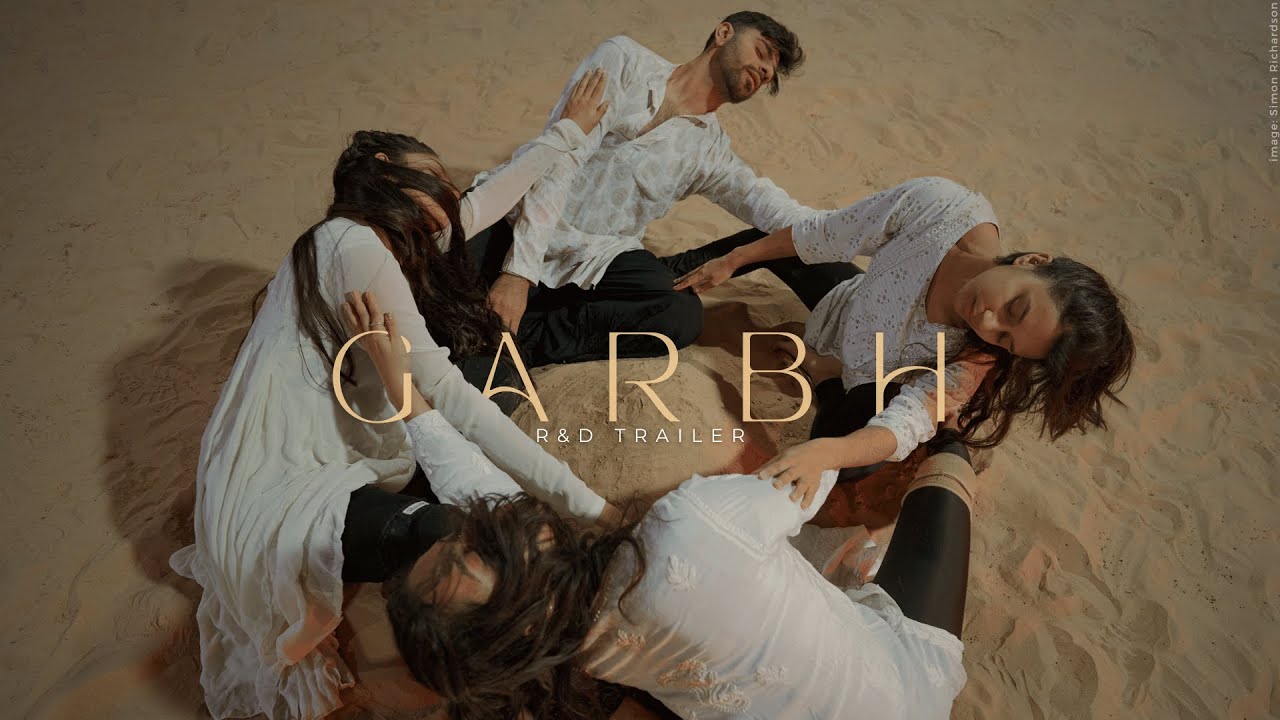
Garbh: Contemporary Reimagining of Gujarati Garba Dance
Inspire

Garbh: Contemporary Reimagining of Gujarati Garba Dance

Garbh transforms ancient Gujarati Garba through contemporary choreography, creating an immersive outdoor dance experience that brings commun…

1 min read
Garbh: Outdoor Dance Celebrating Shakti Through Gujarati Folk Traditions
Inspire

Garbh: Outdoor Dance Celebrating Shakti Through Gujarati Folk Traditions

Garbh is an outdoor dance work rooted in Gujarati Garba tradition, celebrating the Feminine Divine through ensemble movement and innovative …

1 min read
Minimal Vocalization as Spiritual Practice: Power in Simplicity
Inspire

Minimal Vocalization as Spiritual Practice: Power in Simplicity

A brief live vocal interlude demonstrates how devotional sound—stripped to its essence—can invoke presence and transformation through pure r…

1 min read
Govinda Jaya: How Sacred Sound Awakens the Heart
Inspire

Govinda Jaya: How Sacred Sound Awakens the Heart

Radhika Das channels the liberating power of mantra through a luminous kirtan performance at Medicine Festival, invoking divine names to pur…

1 min read

Keep exploring

Continue your journey

More wisdom and gatherings from across the BrightStar directory.

More Articles

Browse the full library of teachings, interviews, and guides.

Back to all articles →

Teachers & Artists

Explore the lineages, musicians, and guides of the conscious world.

Explore artists →

Find an Event

Kirtan, retreats, sound baths, breathwork, festivals — happening soon.

Browse events →