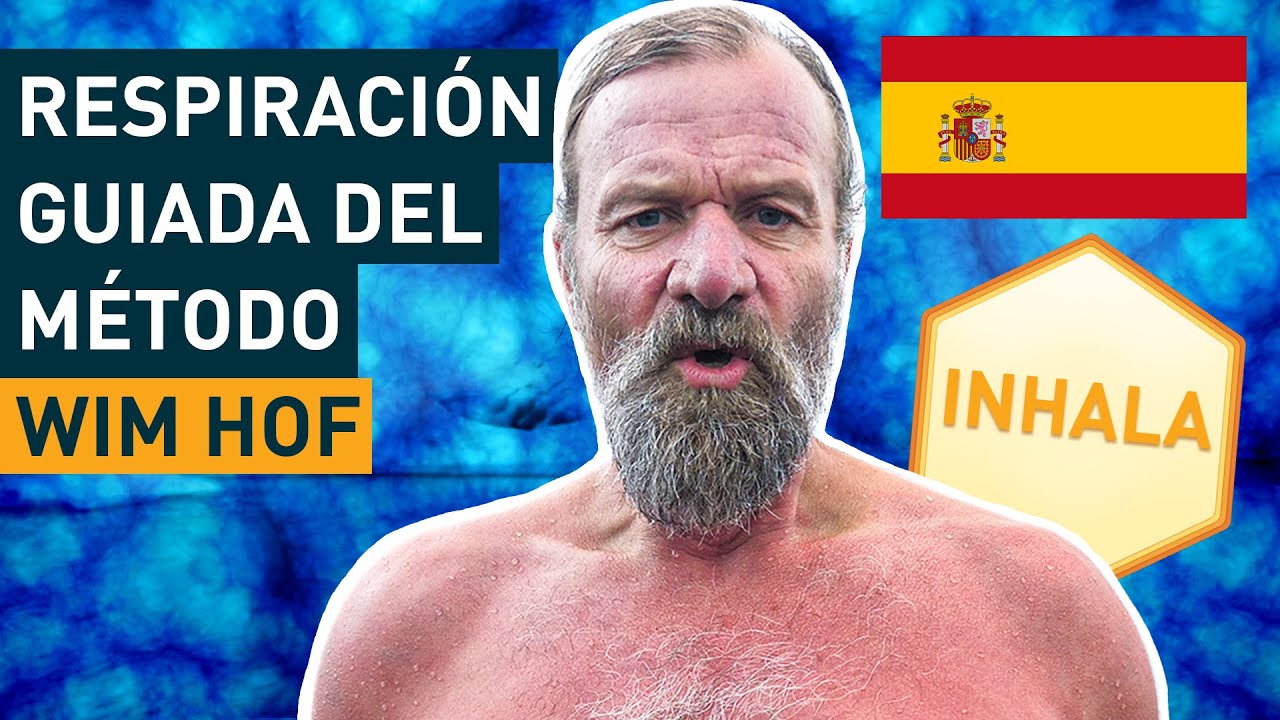
The Wim Hof Method is a structured breathing practice consisting of three rounds of hyperventilation followed by progressively longer breath holds (30 seconds, 1 minute, and 90 seconds). Each round uses circular, rhythmic breathing with no pause between inhalation and exhalation, combined with body awareness and mental focus. The slow-pace version is designed for beginners and those who prefer gentler guidance, with safety precautions emphasized throughout.
What is the Wim Hof Method breathing practice?
The Wim Hof Method is a systematic breathing exercise that combines rapid, controlled hyperventilation with breath-holding phases designed to influence the nervous system and increase mental and physical resilience. Unlike passive meditation breathing, this method involves active, forceful inhalations followed by complete exhalations, building momentum through each round. The practice moves through three distinct cycles, each building on the previous one in intensity and breath-hold duration.
The method operates on the principle that breathing patterns directly influence autonomic nervous system activation, heart rate, and blood oxygen levels. By deliberately inducing a state of hyperoxia (elevated blood oxygen) followed by voluntary breath retention, practitioners train their body's response to stress and develop greater control over physiological functions typically considered automatic. The beginner's slow-pace version progresses gradually to allow the body to adapt without overwhelming the nervous system.
How do you set up for the practice safely?
Safety is paramount before beginning any Wim Hof Method practice. You must always sit or lie down in a safe, controlled environment—never practice while swimming, underwater, in the shower, or operating any vehicle. This precaution guards against shallow water blackout or loss of consciousness that can occur during or after breath-holding exercises, particularly when combined with physical movement or water exposure.
The practice environment should be quiet and free from distractions. Being seated or lying flat provides physical stability and allows your body to focus entirely on the breathing rhythm rather than maintaining balance. Wim emphasizes in the guided session: "Lay or sit down. Whatever it takes… Relax" (8-12s). Additionally, practitioners should be aware that tinnitus (ringing in the ears) can occasionally occur from pressing too forcefully during breathing exercises. If this happens, it signals the need to reduce intensity and increase gradually over time rather than pushing harder.
What is the breathing rhythm in round one?
Round one establishes the foundational rhythm that carries through all three cycles. The breathing pattern is continuous and circular—"fully in, letting go"—with no deliberate pause between inhalation and exhalation. This differs from many breathing techniques that include counted holds between breaths; instead, the Wim Hof Method treats breathing as a flowing wave motion.
Wim guides practitioners through the pattern: "Breathe in. Breathe out. Just go with the flow of the breath. In. Out. In. Out. Into the belly, Into the chest. And let go. Like a wave. Make it circular" (21-55s). The inhalations are deep and complete, engaging both the belly and chest in a continuous motion, while exhalations are full releases without force. The round typically involves 30-40 rapid breaths maintained at a steady pace. Practitioners should focus on maintaining rhythm rather than counting specific breaths, allowing the body to find its natural tempo within the guided pace.
What happens during the first breath hold?
After completing approximately 40 full breathing cycles, the first breath hold begins at 30 seconds. This is the shortest hold of the three rounds, designed to allow beginners to experience the sensation and become accustomed to the practice without overwhelming their system. During the hold, Wim provides internal focus guidance: "Be in this moment. Let the body do what the body is capable of doing. Be aware of your heartbeat. Slow it down, and just be in this moment" (137-152s).
The purpose of this internal awareness during the breath hold is not to force any particular outcome but to observe what naturally occurs—changes in heart rate, tingling sensations, or shifts in mental clarity. After the 30-second hold completes, there is a recovery period where practitioners take a deep breath in and hold for 15 seconds before exhaling. This structure of longer hold followed by shorter hold helps reset the respiratory system before moving into round two.
How does round two intensify the practice?
Round two follows the identical breathing pattern to round one—circular, continuous inhalations and exhalations with no pause—but the subsequent breath hold extends to one minute (60 seconds). Wim resets the rhythm: "Breathe in. Breathe out. In. Out. Into the belly, Into the chest, and let go. Like a wave. Make it circular. Fully in. Letting go. Just keep on going. No pause between inhalation and exhalation" (187-234s).
The extended breath hold introduces new physical sensations that signal the method is working as intended. Wim acknowledges during this hold: "If your hands and feet are tingling or you feel your body temperature is changing, that's ok. You're doing fantastic" (306-316s). These tingling sensations (paresthesia) and temperature shifts occur because the breathing exercise alters blood pH and carbon dioxide levels, temporarily affecting nerve signaling and blood vessel dilation. Importantly, Wim communicates permission to break the hold early: "If you need to breathe before I give the cue, that's ok. You are almost there" (328-342s). The practice is self-regulated—pushing beyond genuine capacity serves no purpose.
Why does round three extend to 90 seconds?
The third and final round maintains the same breathing pattern as rounds one and two but concludes with the longest breath hold—90 seconds. This progression from 30 to 60 to 90 seconds allows the nervous system and respiratory system to gradually adapt rather than facing a sudden shock. By round three, the body has already experienced two cycles and understands the practice mechanics, making the extended hold more manageable than if it appeared unexpectedly.
During the final hold, Wim encourages specific internal awareness: "Become aware of the blood running through your veins, your heart beating. Feel" (514-521s). This metaphor-based guidance helps practitioners anchor attention inward rather than focusing on the discomfort of oxygen depletion. The extended hold also deepens the neurological training—longer retention periods signal the body that it can maintain function during periods of reduced breathing, thereby reducing panic responses to breath-holding situations and increasing perceived control over the nervous system.
What physiological changes occur during breath holds?
As breath-hold duration extends, several measurable physiological changes cascade through the body. Initially, oxygen levels in the blood remain relatively stable due to residual oxygen in the lungs and oxygen already bound to hemoglobin. However, carbon dioxide accumulates in the bloodstream, creating a mild acidosis that stimulates breathing urges. This tension between the urge to breathe and the voluntary hold trains the nervous system to remain calm under stress.
Blood vessel dilation also occurs, improving circulation to tissues. Heart rate may initially increase and then often stabilizes or even decreases as practitioners relax into the hold rather than fight it. Some people experience the tingling sensations mentioned earlier—primarily in the hands, feet, and face—which result from changes in nerve signaling caused by altered blood chemistry. These sensations, while unusual, are normal responses to the exercise and not harmful. They typically diminish with regular practice as the body adapts to the protocol.
How do you complete the practice?
After the final 90-second breath hold and recovery breath cycle, the guided practice transitions into a gentle closing phase. Wim instructs: "Let your breathing return to normal as you finish up the round. Move your body bit by bit, starting with your fingers and your toes. Let your breathing normalise" (610-627s). This gradual reintegration prevents dizziness or disorientation that can occur if practitioners stand or move too suddenly after an extended breath hold.
The slow, intentional re-engagement with the body—beginning with small movements of fingers and toes before transitioning to larger motions and eventually standing—allows blood pressure and oxygen distribution to normalize smoothly. This closing phase is as important as the breathing cycles themselves, as it signals the nervous system to shift out of the heightened state induced by hyperventilation and breath-holding back into baseline functioning.
Who should practice the slow-pace version?
The slow-pace guided version is explicitly designed for beginners who have no prior experience with the Wim Hof Method, as well as for experienced practitioners who prefer a gentler rhythm. The slower pacing allows beginners to understand the technique without feeling rushed, making it easier to coordinate breath patterns and remain focused on internal sensations rather than keeping up with a faster rhythm. This reduces the likelihood of hyperventilation-induced symptoms like dizziness or anxiety.
Additionally, those recovering from respiratory illness, managing anxiety disorders, or simply preferring a more meditative pace benefit from the slower version. The method adapts to individual capacity—the 30-second, 60-second, and 90-second hold progression can be experienced as manageable stages rather than sudden jumps in difficulty.
What are the key safety warnings?
The Wim Hof Method's primary safety concern is shallow water blackout, which can occur if someone practices breathing exercises before water immersion or in water. Loss of consciousness underwater can be fatal. The description provided in the YouTube video explicitly prohibits practicing "in a swimming pool, before going underwater, beneath the shower, or piloting any vehicle." Water combines breath-holding with an environment where losing consciousness is immediately dangerous.
Beyond water safety, practitioners should avoid practicing while standing or walking, as dizziness is possible. Tinnitus can develop if practitioners push excessively hard during the breathing phases—a sign to reduce intensity and progress more gradually. Finally, people with untreated hypertension, heart conditions, or seizure disorders should consult medical professionals before beginning, as the physiological changes induced by the method could interact with these conditions.
How often should you practice?
While the video itself focuses on completing a single guided session, the Wim Hof Method's benefits accumulate with consistent practice. Most practitioners find daily or near-daily practice effective, though even three times weekly produces measurable improvements in stress resilience and perceived control over the nervous system. The slow-pace version is sustainable for daily practice given its reduced intensity compared to faster protocols.
The method is not something to "master" in a single session—it is a skill that deepens with time. Initial sessions may feel awkward or produce unexpected sensations, but these typically diminish within the first 1-2 weeks of consistent practice. After several weeks, many practitioners report improved emotional regulation, better stress tolerance, and noticeable physical changes like improved circulation and reduced perceived anxiety in challenging situations.
Where to go from here
After completing this slow-pace beginner's session, practitioners can either repeat it multiple times before progressing, or move toward faster-paced versions of the breathing exercise once comfortable with the basic technique. The Wim Hof Method extends far beyond breathing—it includes cold exposure training and mental resilience exercises that build on the respiratory foundation established here. The method's official website offers a free mobile app with additional guided sessions, interactive breathing bubbles, and structured courses that progress through the full methodology over weeks or months.
The slow-pace version serves as the entry point into a systematic practice that many people integrate into their daily routines for stress management, emotional regulation, and physical resilience training. Consistency matters more than intensity; regular practice of this gentle version will yield results comparable to more intense protocols, simply over a slightly longer timeframe.