
BrightStar

Browse All Events

Discover conscious gatherings

events

Yoga
Meditation
Breathwork
Qigong
Tai Chi
Sacred Music
World Music
Medicine Music
Sound Healing
Ecstatic Dance
Popular Destinations
BaliSedonaLos AngelesCosta RicaNew YorkSan FranciscoAustinMiamiJoshua TreeTulum
View All CategoriesView All Destinations

Explore All Features

Powerful tools to grow your events

Platform Features

Smart Dynamic Pricing
Ticket Categories
Assigned Seating
Abandoned Cart Recovery
Visitor Recovery
Donations & Sliding Scale
Affiliate Engine
Ticket Scanner
Coupon Codes
Custom Questions
Ticket Sharing
Upsells & Add-ons
Analytics & Reporting
Email Sequences
Waitlist / Notify / Remind
People & Places
Artists & TeachersEvent OrganizersVenues & StudiosKnowledge BaseGlossaryInspiration
View All FeaturesAbout Us
PricingBlog
Saved events
Browse All Events

events

YogaMeditationBreathworkQigongTai ChiSacred MusicWorld MusicMedicine Music

Popular Destinations

BaliSedonaLos AngelesCosta RicaNew YorkSan Francisco

People & Places

Artists & TeachersEvent OrganizersVenues & StudiosKnowledge BaseGlossaryInspiration

Platform Features

Smart Dynamic PricingTicket CategoriesAssigned SeatingAbandoned Cart RecoveryVisitor RecoveryDonations & Sliding ScaleAffiliate EngineTicket ScannerCoupon CodesCustom QuestionsTicket SharingUpsells & Add-onsAnalytics & ReportingEmail SequencesWaitlist / Notify / Remind
View All FeaturesAbout Us
PricingBlog
Log inFind EventsHost Events
Tibetan BuddhistOm Mani Padme Hum · Om Mani Padme Hum · Om Mani Padme Hum · Om Mani Padme Hum ·
  • Browse All Events
  • For Seekers
  • Yoga
  • Meditation
  • Breathwork
  • Qigong & Tai Chi
  • Tai Chi
  • Sacred Music
  • Retreats
  • Workshops
  • All Categories →
  • Bali
  • Sedona
  • Los Angeles
  • Costa Rica
  • Tulum
  • Byron Bay
  • San Francisco
  • Austin
  • All Cities →
  • For Creators
  • For Teams
  • For Writers
  • For Teachers
  • For Kirtan Artists
  • For Studios
  • For Festivals
  • For Retreat Centers
  • For Nonprofits
  • Brand Ambassador
  • Case Studies
  • Free Ticketing
  • Elevate
  • Amplify
  • 350K+ Buyer Network
  • Abandoned Cart Recovery
  • Smart Dynamic Pricing
  • Ticket Categories
  • Recurring Events
  • Assigned Seating
  • Affiliate Engine
  • Waitlist / Notify
  • Ticket Scanner
  • Embed Widget
  • Event Syndication
  • Message Center
  • Integrations
  • Reports
  • All Features →
  • About
  • The Ecosystem
  • Blog
  • Glossary
  • Inspiration
  • Help Center
  • Contact
  • API Docs
  • Brand Assets
  • Careers
  • Press
  • Terms of Service
  • Privacy Policy

Events

  • Browse All Events
  • For Seekers
  • Yoga
  • Meditation
  • Breathwork
  • Qigong & Tai Chi
  • Tai Chi
  • Sacred Music
  • Retreats
  • Workshops
  • All Categories →

Destinations

  • Bali
  • Sedona
  • Los Angeles
  • Costa Rica
  • Tulum
  • Byron Bay
  • San Francisco
  • Austin
  • All Cities →

For Creators

  • For Creators
  • For Teams
  • For Writers
  • For Teachers
  • For Kirtan Artists
  • For Studios
  • For Festivals
  • For Retreat Centers
  • For Nonprofits
  • Brand Ambassador
  • Case Studies
  • Free Ticketing
  • Elevate
  • Amplify

Features

  • 350K+ Buyer Network
  • Abandoned Cart Recovery
  • Smart Dynamic Pricing
  • Ticket Categories
  • Recurring Events
  • Assigned Seating
  • Affiliate Engine
  • Waitlist / Notify
  • Ticket Scanner
  • Embed Widget
  • Event Syndication
  • Message Center
  • Integrations
  • Reports
  • All Features →

Company

  • About
  • The Ecosystem
  • Blog
  • Glossary
  • Inspiration
  • Help Center
  • Contact
  • API Docs
  • Brand Assets
  • Careers
  • Press
  • Terms of Service
  • Privacy Policy
BrightStar
© 2026 BrightStar. All rights reserved.
Inspiration

Why Unexplained Endings HurtMore Than Loss Itself

The School of Life
The School of Life
Sep 2, 2026
7 min read
Watch · 7

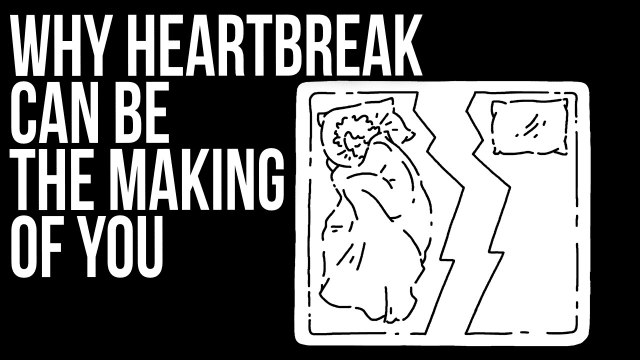
We're used to thinking of heartbreak as one thing—a single calamity with a single sort of pain. But anyone who has lived through multiple endings knows something stranger: not all unwilling breakups hurt the same. The intensity of heartbreak doesn't track with the fact of loss alone. Two people can leave your life, and one departure might leave you grieving while the other leaves you haunted for years. The difference lies not in how much you loved them, but in what story you're left to tell yourself about why they left.

The School of Life's exploration of heartbreak taxonomy offers something rarely discussed in the psychology of relationships: a framework that reveals what we truly need when the bottom falls out. Understanding these three distinct types—which escalate in severity—tells us something unexpected about ourselves: we are creatures who can tolerate loss, but we cannot easily tolerate mystery.

Read · 6 sections

The Least Painful Ending: Incompatibility With an Explanation

The first and least agonizing breakup is what might be called "trying but failing." This is the relationship that ends because of incompatibilities that, despite genuine effort, cannot be worked through. The crucial element here is transparency: both people know what the issues are. One person plays too much golf. Someone needs to live abroad. They want different things sexually. The problems have names. They're laid on the table, turned over many times in therapy sessions, late-night conversations, and therapy sessions again.

Both parties try. They make concessions, draw up compromises that hold for a season, then quietly collapse. The relationship unravels slowly, in daylight, with both watching it happen. When it finally ends, there is grief—sometimes enormous grief—but it's grief with a shape. The mind can rest on a narrative: "We were simply too different." There's an explanation. The suffering makes sense.

This is not painless. But it is survivable in a particular way. You are not haunted. You are sad, but the sadness has a logical home. Your brain has something to do with the pain—it can organize it, file it away as a known cause with a known outcome.

The Middle Type: Being Decided For, Not With

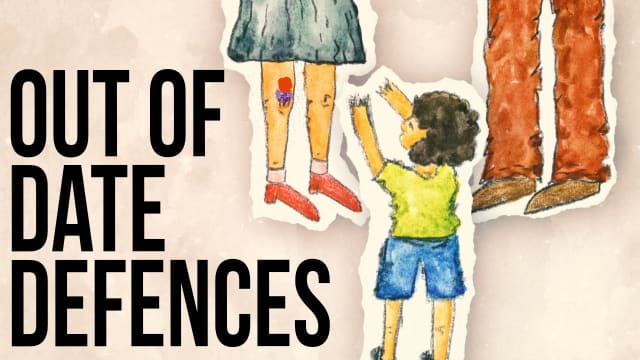
The second sort of breakup is measurably more painful. It might be called the "conscious fait accompli." Here, the ending comes without discussion. The other person arrives one day with their mind firmly made up. They present a resolution, not a question. They strip you of agency, and by doing so, they hurt you considerably more.

The reason might be valid: your attitude to politics, your conversational manner, your approach to work. You might think, "Fair enough, I can understand that critique. But can't we discuss this first? Can't I try to improve?" But choice has been confiscated. You were tried in absentia and informed only of the verdict. You were never given a chance to enter their mind while it was still forming, never invited to make your case.

The pain here is not only loss—it's exclusion from a conversation about yourself that you desperately wish you could have had. The thought that repeats endlessly is: "I wish I could have entered their mind before it was set." You're left ruminating on an unfairness that stacks on top of simply missing them. It's grief plus the violation of having had judgment passed on you without your participation.

The Worst Kind: Abandonment Without Explanation

Then there is the third sort of breakup—the most awful. The person leaving doesn't tell you why. They offer no explanation at all. They may block your number. They may leave the country without forwarding an address. Or they meet you but say they're confused, their mind feels foggy, they aren't able to speak. Alternatively, they may act so unreasonably that you're forced to end the relationship yourself—leaving you to bear not only the loss but also the guilt of having been the one who quit.

This is where pain reaches a different dimension entirely. You have no narrative to rest on. There is nothing to metabolize, no reason, no account, no farewell—only an absence where an explanation should have been. This is the heartbreak that can take years to process, precisely because there is nothing to process. Your mind has no purchase.

The human nervous system wants to make sense of threat. When threat arrives without reason, the system stays activated indefinitely. You keep replaying moments, inventing explanations, searching for clues in old texts and half-remembered conversations—all because your brain refuses to accept that there simply is no answer.

What the Three Types Reveal About Ourselves

If heartbreak were simply the pain of losing someone, all three endings would hurt equally. In each case, the loss is identical: a person has gone. But they don't hurt equally, not remotely. The differing levels of pain teach us something fundamental about our psychology. We are hugely committed to explanations. We want to avoid suffering, yes, but almost running parallel to that priority is something equally strong: the need to know why we're suffering.

This reveals a quirk of human consciousness that runs deeper than we usually acknowledge. We can bear deprivation. We can bear loss. What we struggle to bear is the void—the place where understanding should be. We are storytelling creatures. Give us a sad story and we can metabolize it. Leave us with no story at all, only silence, and we remain stuck in a loop of questioning that never resolves.

There's a reason mystery feels worse than a clear, even painful, ending. When someone leaves you with an explanation—even an explanation that hurts, that makes you see yourself critically—you have a map. You know what happened and why. You can grieve it and move on. But when someone leaves without explanation, you're left in the position of trying to construct meaning from nothing. Your mind becomes a prosecutor, judge, and jury all at once, trying endlessly to solve a case that has no solution.

The Social Case for Explanation as an Obligation

Given the particular cruelty of unexplained endings, there's a provocative implication: in an ideal society, there would be laws against it. Leave someone if you must. End a relationship if it no longer serves you. But do it without giving them a why? That should carry a considerable penalty—a fine, even a stay in prison.

This isn't sentiment. It's psychology. The person being left can't heal what they can't understand. They can't integrate what has no narrative form. Denying someone an explanation is denying them the basic tool they need to process their own abandonment.

Most people don't think of ghosting or silent departures as a form of cruelty with psychological teeth. They think of them as cowardice, as avoidance. But the actual harm is more specific: it's the prevention of narrative closure. It's denying another person the chance to understand their own story.

Where to go from here

If you're in the aftermath of an unexplained ending, understand that your lingering pain isn't weakness—it's your mind doing what it was built to do: searching for sense. This is why talking about the breakup, writing about it, or working through it in therapy can sometimes feel circular; you're looking for an answer that was never provided. The healing here doesn't come from solving the mystery—it comes from accepting that some people will leave without explaining themselves, and that says something about them, not about your worth or your ability to have prevented it.

If you're considering ending a relationship, consider what you owe the other person: not marriage, not reconciliation, but the basic dignity of an explanation. It takes courage to name what's broken. It takes honesty to say what you need to say. But what really breaks hearts is mystery—and you have the power not to be the source of that particular wound.
Transcript

[0:02] We're used to thinking of heartbreak as

[0:04] one thing, a single calamity with a

[0:07] single sort of pain.

[0:09] But anyone who's been through more than

[0:10] one ending knows a stranger truth. Not

[0:13] all unwilling endings hurt the same.

[0:16] There are, on closer inspection, three

[0:19] distinct sorts of heartbreak. It's worth

[0:21] going through them in ascending order of

[0:23] pain. For what distinguishes them tells

[0:26] us something unexpected about what

[0:28] heartbreak actually is. The first and

[0:31] least painful variety we might call

[0:34] trying but failing. This is the

[0:36] relationship that ends because of

[0:38] incompatibilities that cannot, despite a

[0:40] lot of effort, be worked through.

[0:43] Crucially, two people know what the

[0:45] issues are. One person plays too much

[0:47] golf, someone needs to live abroad, they

[0:50] want different sorts of sex. The

[0:51] problems have names, they're laid on the

[0:53] table and turned over many times. Two

[0:56] people try very hard. They go to

[0:59] therapy, they have discussions, they

[1:01] make concessions and draw up compromises

[1:03] that hold for a season and then quietly

[1:05] collapse. The relationship unravels

[1:08] slowly, in daylight, with both parties

[1:11] watching. When it finally ends, one is

[1:13] left thinking, "Well, it's really very

[1:15] sad that it failed, but I know why. They

[1:18] and I were simply too different." There

[1:21] is grief here, sometimes enormous grief,

[1:23] but it's grief with a shape. The mind

[1:25] can rest on a narrative. We suffer, but

[1:28] we are not haunted.

[1:30] The second sort of breakup is more

[1:32] painful. We might call it the conscious

[1:35] fait accompli. Here, things end but

[1:38] without discussion. The other person

[1:40] comes to us one day with their mind

[1:42] firmly made up. They present us with a

[1:44] resolution, not a question. And by

[1:46] stripping us of agency, we are hurt a

[1:49] lot more.

[1:51] It's because of our attitude to politics

[1:52] or our conversational manner or our

[1:54] approach to work. Fair enough, we want

[1:56] to say, but can't we discuss this first?

[1:59] Can't we try to improve?" But choice has

[2:02] been confiscated. We were tried in

[2:05] absentia and informed only of the

[2:07] verdict. And so we're left to ruminate

[2:10] endlessly on an unfairness that is added

[2:13] to simply missing them. I wish I could

[2:15] have entered their mind before it was

[2:17] set. I wish I could have made my case.

[2:20] The pain here is not only loss, it's

[2:23] exclusion from a doubt about us that we

[2:25] wish we could have had a go at

[2:27] answering. Then there is the third sort

[2:30] of breakup, the most awful.

[2:33] The person leaving doesn't tell us why

[2:35] they're leaving. They don't give us any

[2:38] explanation at all. They may simply

[2:40] block our number or leave the country

[2:42] without letting us have a forwarding

[2:43] address. Or maybe they meet us, but they

[2:46] say they're confused. They aren't able

[2:47] to speak. Their minds feel foggy.

[2:49] Alternatively, they may force us to end

[2:52] the relationship by acting so

[2:54] unreasonably that we have no other

[2:56] option but to quit.

[2:57] Then we're properly in pain. We have to

[3:00] bear the guilt of having left, and we

[3:02] also have no explanation to argue with,

[3:04] no narrative to rest on. This is the

[3:07] heartbreak that can take years to

[3:08] metabolize, precisely because there is

[3:10] nothing to metabolize, no reason, no

[3:13] account, no farewell, only an absence

[3:15] where an explanation should have been.

[3:18] If heartbreak was simply the pain of

[3:20] losing someone, all three endings would

[3:22] hurt equally, for in each case the loss

[3:25] is identical. A person has gone. But

[3:27] they don't hurt equally, not remotely.

[3:31] The differing levels of pain teach us

[3:33] something key about our psychology, that

[3:36] we are hugely committed to explanations.

[3:40] We want to avoid suffering, of course,

[3:42] but almost up there with this priority

[3:44] is to know why we're suffering.

[3:47] Given the chaos of the third kind of

[3:49] heartbreak, in the ideal society there

[3:51] would simply be laws against it. Leave

[3:53] someone if you need to, but never, under

[3:56] pain of a considerable fine or even a

[3:58] stay in prison, do it without giving

[4:01] them a why.

[4:03] What really breaks hearts is mystery.

The School of Life
AuthorThe School of Life

Watch more from The School of Life on YouTube.

View profileWebsite
Explore Topics
HeartbreakRelationshipsPsychologyLoss-griefCommunication

Got Questions?

Frequently Asked Questions

Unexplained breakups hurt more because the human mind needs narrative to process pain. When someone leaves without explanation, you can't file the loss away logically—you're left in a loop of questioning with no answer. As The School of Life explains, we're 'hugely committed to explanations,' and mystery is harder to metabolize than even a painful but clear reason.
A conscious fait accompli is when someone ends a relationship by presenting a decision already made, without discussion. You're stripped of agency and never get to make your case or try to improve. This adds a layer of exclusion and unfairness on top of the loss itself—you were 'tried in absentia and informed only of the verdict.'
Ending with a clear reason is significantly less harmful psychologically. Whether the incompatibility (type one) or a unilateral decision (type two), giving someone an explanation allows their mind to process and eventually grieve. Leaving without explanation or with silence traps them in unresolvable questioning for years.
Unexplained heartbreak 'can take years to metabolize, precisely because there is nothing to metabolize, no reason, no account, no farewell.' The timeframe depends partly on whether you eventually construct your own understanding, but the lack of an actual explanation from the other person means your nervous system stays activated, searching for closure that never comes.
Yes, ghosting is a specific form of psychological harm. It's not just cowardice—it prevents the abandoned person from getting the narrative closure they need to heal. Denying someone an explanation means denying them the basic tool required to process their own abandonment and move forward.
We're storytelling creatures who can tolerate loss but struggle with void. When you have a sad but clear explanation, you can grieve and integrate it. But when there's only silence, your mind stays caught in a loop, trying to construct meaning from nothing. Understanding why we suffer is almost as important to us as avoiding suffering itself.

Continue Reading

More from The

View All
Sensing the Essence of Another Person
Inspire

Sensing the Essence of Another Person

Learn how awareness of your own essence enables you to perceive the deeper nature of others. Discover what truly meeting another person mean…

1 min read
Most Important Relationship Question: Recognition Beyond Ego
Inspire

Most Important Relationship Question: Recognition Beyond Ego

Eckhart Tolle explores how recognizing your own consciousness—beyond memory and thought—allows you to truly sense that same awareness in ano…

1 min read
Ocean Goddess Rising: Two Voices Reimagine Yemaya
Inspire

Ocean Goddess Rising: Two Voices Reimagine Yemaya

Deva Premal and Ajeet unite in a devotional collaboration honoring Yemaya, the Yoruba ocean goddess, recorded in Costa Rica with arbutar acc…

1 min read
Chanting Together: The Sacred Practice of Kirtan
Inspire

Chanting Together: The Sacred Practice of Kirtan

A Thursday night satsang showcases the transformative power of collective chanting, weaving Sanskrit invocations with musical ensemble and d…

1 min read

Keep exploring

Continue your journey

More wisdom and gatherings from across the BrightStar directory.

More Articles

Browse the full library of teachings, interviews, and guides.

Back to all articles →

Teachers & Artists

Explore the lineages, musicians, and guides of the conscious world.

Explore artists →

Find an Event

Kirtan, retreats, sound baths, breathwork, festivals — happening soon.

Browse events →