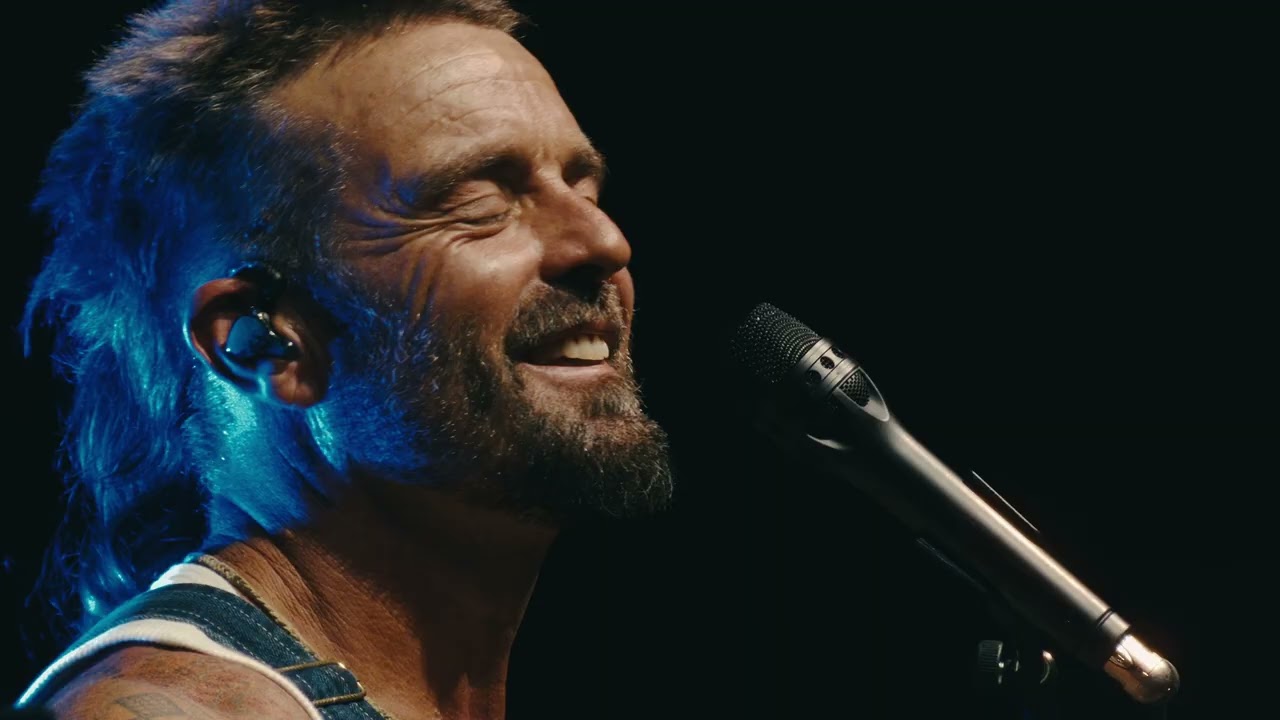
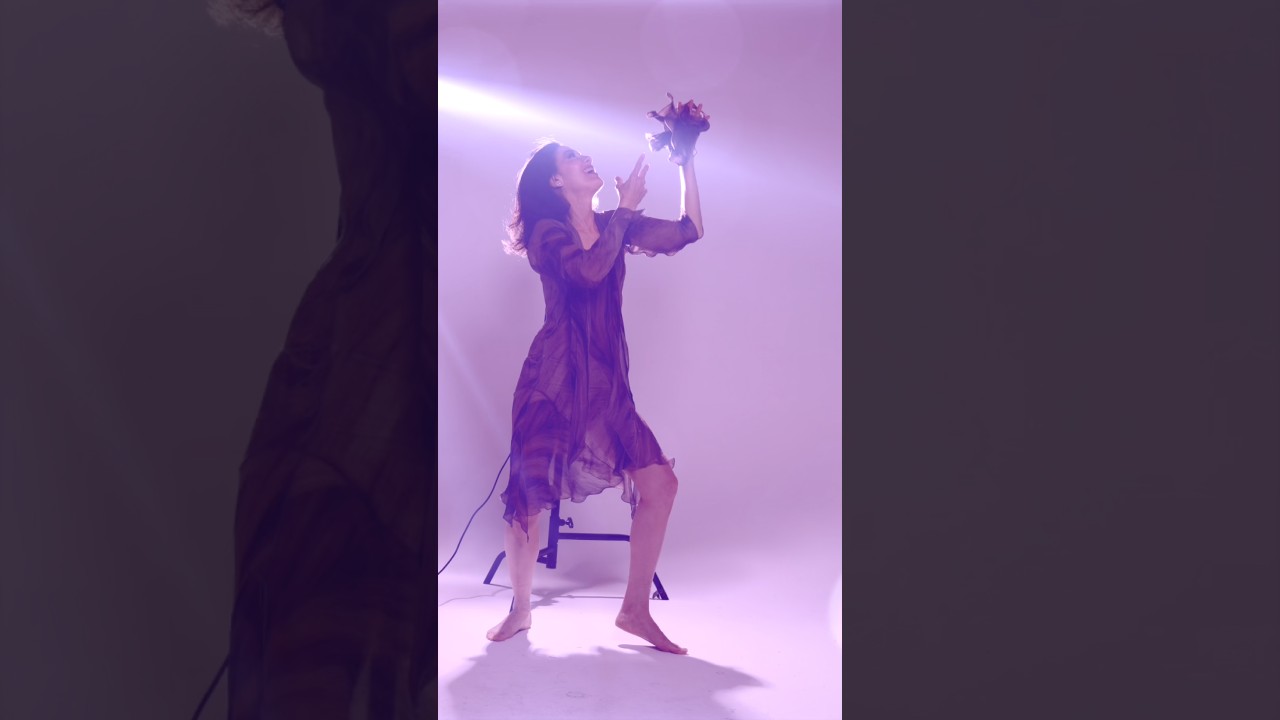
Xavier Rudd's "We Deserve To Dream" is a lyrical and visual meditation on belonging, the internal dialogue of doubt and questioning, and the fundamental human right to dream and aspire. Released in 2021 and filmed on Kabi Kabi country with choreography by yirrganydji dancer Tyrel Dulvarie, the song addresses the tension between inner conflict, personal growth through struggle, and the grounded assertion that we all belong here and deserve to pursue our deepest dreams. The track is not a simple affirmation but a nuanced exploration of how hard-won wisdom emerges from doubt, vulnerability, and the willingness to show up despite not having the answers.
At the heart of "We Deserve To Dream" lies a deceptively simple statement: "I belong here and I belong with you." Yet the song's architecture—built on accumulated doubt, confusion, and life experience—reveals that belonging is not a given but a hard-won recognition. Rudd opens by acknowledging displacement: "Thought my place was some other place," a line that resonates with the internal restlessness many carry. The song does not dismiss this restlessness as confusion to be solved but rather positions it as part of the journey toward recognizing genuine belonging.
The assertion "We belong here and we deserve to dream" functions as both anchor and permission slip. By linking belonging to the right to dream, Rudd suggests that belonging is not passive acceptance of circumstance but an active claim on one's future. In the context of filming on Kabi Kabi country with a proud yirrganydji dancer, this resonates with a deeper land-based understanding of belonging—not as abstract concept but as rooted presence with others and place.
The second verse confronts the listener with the texture of ongoing doubt: "Every wakin hour of every wakin day I wake up to the sound of discussions in my brain / I don't know the answer and I don't know the truth." Rather than resolve this internal noise, Rudd names it as a constant condition. He refuses the simplifying move of finding "the answer," instead treating uncertainty as a working condition of consciousness itself.
What emerges from this honest reckoning is not clarity but a kind of philosophical persistence: "I push on I philosophy / Keep my prophecies by my side." Here, "prophecies" need not mean visions of the future; they might be understood as the values, hunches, and creative impulses we carry despite not fully understanding them. The refusal to demand certainty before moving forward is itself a form of courage. This speaks to a mature spirituality: not one that requires perfect understanding, but one that acts in the face of genuine uncertainty.
The recurring refrain "We been high darlin we been low / And all of it's helped us grow" positions experience—especially difficult experience—as essential to becoming. The song does not romanticize struggle but acknowledges it as inseparable from growth. By naming both "high" and "low" as part of a single arc, Rudd sidesteps the temptation to seek only joy or to believe that growth happens only in moments of hardship. Instead, the full spectrum—including the contradictions—is what enables transformation.
This resonates with the visual language of the film: choreographer Tyrel Dulvarie's yirrganydji dance brings the body into relationship with the themes. Dance itself is a way of processing and expressing what words alone cannot; it embodies the integration of struggle and grace, effort and flow, that the lyrics invoke.
The phrase "we deserve to dream" carries implicit weight: it suggests that in the world as it is, simply asserting the right to dream requires a kind of courage. Many cultural narratives suggest that dreams are luxuries, earned only after survival is secured or after one has "figured things out." Rudd inverts this: belonging and the right to dream are not rewards for perfect understanding but birthright, regardless of the internal turmoil or external complexity we navigate.
In the incomplete third verse—"Every breakin hour tho a little more would break / And the courage could be summoned to bring about some change"—the song gestures toward action rooted not in certainty but in the summoning of courage itself. The word "breakin" suggests both breaking apart and breaking dawn, both dissolution and emergence. This ambiguity is generative, inviting the listener to sit with the tension rather than resolve it prematurely.
The decision to film "We Deserve To Dream" on Kabi Kabi country is not decorative. Indigenous Australia has a relationship to land, dreaming, and belonging that predates and exceeds Western individual psychology. In many Aboriginal cultures, "Dreamtime" or "Dreaming" is not fantasy but the foundational reality from which country itself emerges. By filming on Kabi Kabi country and collaborating with yirrganydji dancer Tyrel Dulvarie, Rudd locates his song's themes of belonging and dreaming within a context where these are not metaphorical but literally rooted in land and kinship.
This grounding transforms "We Deserve To Dream" from a personal affirmation into something more collective and place-based. The right to dream is not an individual achievement; it is a shared capacity that emerges from connection to country, to others, and to the deeper patterns that sustain life. Rudd's presence as a settler musician engaging this material with respect—crediting the dancer, the place, the creative vision—models one form of allyship and accountability.
One of the song's most mature moves is its refusal to resolve the tension between doubt and determination. "I don't know the answer and I don't know the truth" is stated not as a problem to be overcome but as the actual ground from which action and dreaming emerge. This is faith not as certainty but as commitment despite uncertainty. "I hope to meet you at the gates / See that light shinin on your face" suggests orientation toward future connection and clarity, but this hope is held lightly—not dependent on knowing in advance what will be found.
This resonates with contemplative traditions that distinguish between belief (which requires content) and faith (which is a quality of trust and openness). Rudd's speaker keeps "prophecies by my side" not because they are proven but because they are lived, carried, tested in experience. This is a spirituality of embodied practice rather than ideological certainty.
If "We Deserve To Dream" speaks to you, consider: What dreams have you deferred because you believed you had to have the answers first? What internal dialogues—the "discussions in your brain"—are keeping you from asserting your right to belong and to reach toward what matters to you? How might you honor the full spectrum of your experience—the highs and lows—as the soil in which new growth becomes possible?
Rudd's work also invites deeper engagement with Indigenous perspectives on dreaming, belonging, and land. Seeking out Kabi Kabi and yirrganydji cultural contexts—through direct learning, support of Indigenous artists and communities, and land acknowledgment—can deepen what this song opens. The music video itself becomes an entry point into conversations about place, collaboration, and what it means to dream in a world that has inherited colonial trauma and continues to shape whose dreams are centered and resourced.
Finally, the song suggests that belonging and dreaming are not solitary acts. "I belong with you / And all of our answers reside here too." The work of recognizing that we deserve to dream is work we do together, in relationship, rooted in place, moving forward even when we don't have the answers.