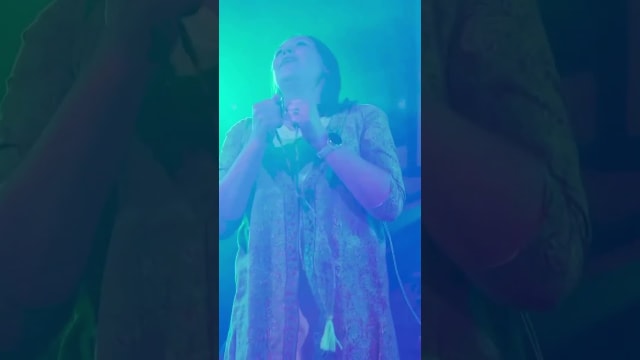
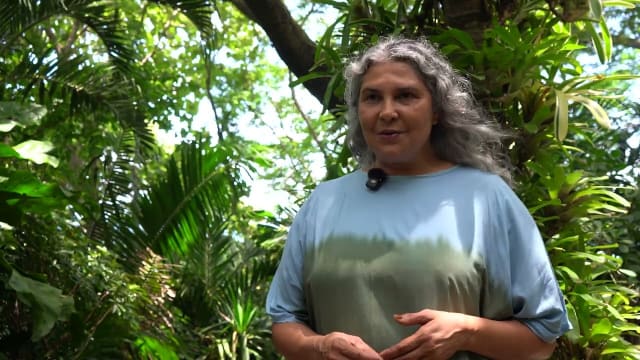
A fifty-seven-second clip from Radhika Das, posted around Diwali, makes a single claim that carries a whole devotional practice: the posture in which you chant changes how close the divine comes to you. Relaying a teaching she attributes to the saint Tukaram, she walks through four positions, lying down, sitting, standing and dancing, and says the nearness grows with each one. The short closes on the most intimate of the four, and on an invitation to joy that she calls our birthright.
The structure of the teaching is simple, and its repetition is the point. Radhika Das gives each posture its own image of divine presence. Lying down, she says, "the supreme comes and sits right next to you" [0:06]. Sitting, "divinity comes and stands right beside you" [0:15]. Standing, "the supreme dances right beside you" [0:26].
Read closely, the verbs climb. Sitting, standing and dancing are postures of increasing bodily engagement, and the divine moves from sitting beside you, to standing beside you, to dancing beside you. Then the clip turns the final step into a relationship rather than a presence:
"But hear this London, when you dance and you chant divinity comes and embraces you."
(Radhika Das, in the Short, [0:32])
The teaching does not explain the mechanism. It doesn't say why the body matters to the chant or how the saint arrived at this sequence. It presents a claim and asks the listener to test it. That restraint is worth noticing. The clip gives you the ladder and leaves the climbing to you.
She frames the invitation for a particular room. "It's a Sunday night London. Might as well give it a try" [0:43]. The line lands as a dare, and the clip's last phrases widen it: "for love and peace, for joy, for the supreme joy, for the eternal joy" [0:45–0:50], and then, "It's our birthright" [0:51]. Joy, in this telling, is not a reward for good chanting. It is what we already are entitled to, and dancing is one way to step into it.
The clip is a teaser, and it does not say where the Tukaram verses come from or how Radhika Das situates them within her wider teaching. For that context, look for her longer talks and chanting sessions on the same theme. The best test of this short is the one it proposes: the next time you chant, try changing your posture and notice what shifts. Tukaram's ladder is easiest to understand from the inside.