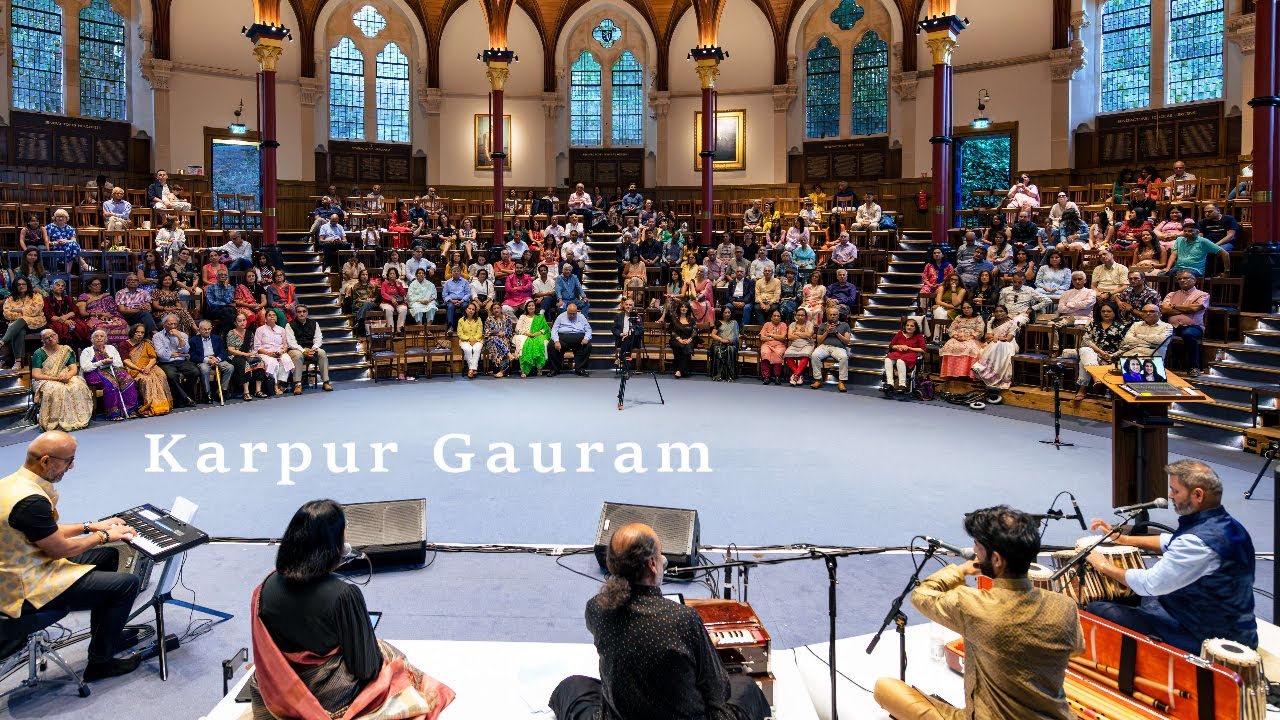
A four-minute trailer for a documentary called True World of Mantra opens on music, then a voice, then a burst of singing, then a scream, and the whole thing builds toward one idea: that mantra is a precise science of sound, carried forward from ancient Indian sages, that can change the listener's body, mind and inner life when it is practiced with care. The film, by Manish Vyas, presents itself as possibly the first in-depth documentary on this subject. Its promotional text says it also sets out to separate authentic mantra from practices that have been loosely attached to it, a distinction its makers say has confused people unfamiliar with India's cultural heritage. This article looks at what the trailer claims, why its central argument about sound is more interesting than it first sounds, and where the questions it raises still need answering.
The trailer is built almost entirely from fragments: chanted syllables, sustained musical passages, short testimonies, and cutaways that hold on a note just long enough for it to register. Nothing is explained in lecture form. Spoken lines arrive in the gaps between music, which is a deliberate choice for a film about sound. The viewer is asked to hear before being told what to think.
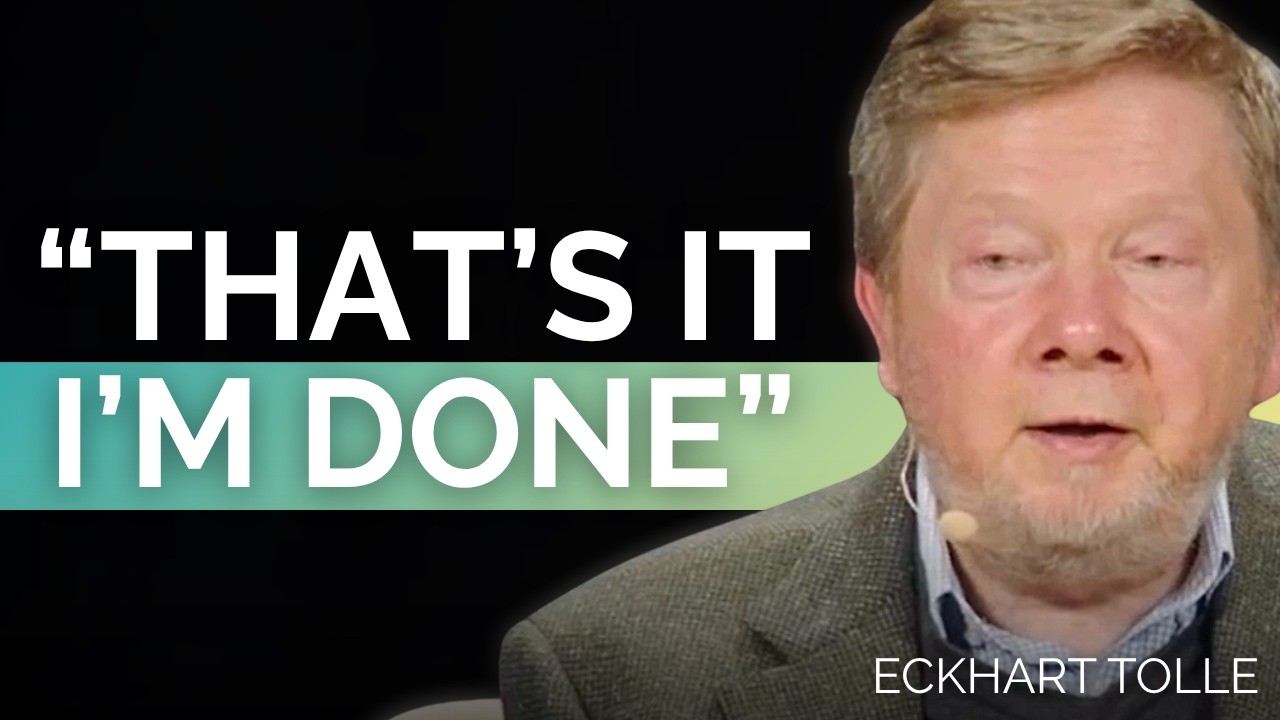
The speaking voices are not labeled in the transcript, and the promotional text refers only to "precious testimonies" without naming the people giving them. That matters for how you read the claims. These are the perspectives of practitioners and believers presented on their own terms, not independent verification of physiological effects. The film's own framing is confident. Whether that confidence holds up under scrutiny is a separate question, and one the trailer does not try to answer.
The opening spoken line is the film's thesis in one sentence: "Mantra is the science of energy where the energy has been flowing down right from the rishies to our times which have been thousands and thousands of years." The word rishis refers to the seers of the Vedic tradition, to whom much of the early sacred sound literature is attributed. The claim is one of transmission. The idea is not that a sound has power in itself, but that a lineage of practitioners has kept a method intact across millennia, and that the method carries something real down the generations.
That is a more specific claim than "chanting feels nice." It implies that the way a mantra is spoken, the correct sound, and the discipline of the practitioner are all part of what gets passed on. A mantra recited incorrectly is, in this framing, not simply a weaker version of the same thing. It is a different practice. That is the logic behind the trailer's interest in separating true mantra from imitations.
The trailer is direct about purpose. In one of the testimonies, a speaker says:
"The purpose of the mantra is to uplift our individual consciousness to the same level as divine consciousness. That being the goal of the mantra, the practice should be dedicated towards that objective."
— a speaker in the trailer for True World of Mantra (2026)
This is the spiritual endpoint of the argument. The film's synopsis describes effects that are both "practical and subtle," running from influence on human physiology and psychology to the "ultimate purpose" of elevating consciousness. Notice the structure: physical and psychological effects are presented as a first stage, while the final aim is spiritual. That ordering is common in traditional teaching, where the calming or focusing effects of a practice are seen as doorways rather than destinations. It also gives the film a way to talk about benefits without making the whole argument depend on them.
The trailer then moves to a related idea: that mantra works through vibration. A speaker describes "vibrations which can help you to grow to be spiritual, to become more and more to a higher level of understanding." The word "vibration" is doing a lot of work here, and the trailer does not define it in scientific terms. What it does establish is a worldview in which sound is not background to spiritual life but its primary instrument.
This is the claim that gives the film its distinctive spine. A speaker explains that sound "has to be perfect" because "the sound is the subtlest element and it's nearest to the absolute, to the truth." Sound, in this view, sits closer to ultimate reality than other forms of expression. A spoken word can be imprecise. A correctly formed sound, according to the tradition as the trailer presents it, is not.
This is why the film treats sound as something to be disciplined rather than improvised. The practitioners in the trailer emphasize that the meaning of a mantra lives in the sound itself. You cannot translate a mantra into a paraphrase and keep the mechanism intact. The pronunciation, rhythm and tone are the content, not wrapping around it. For readers who come to mantra through modern English-language chanting, this can be a striking reframe: the sound is not a vehicle for meaning. It is the meaning.
There is a useful tension here worth holding. A film that says sound must be perfect is making a demanding claim about correctness, and demanding claims about correctness are exactly where disorientation sets in for outsiders. Someone encountering mantra for the first time, without a teacher or lineage, has no easy way to tell whether a given recording or class is faithful to the tradition. The trailer's promise to clarify "what does not belong to the tradition" speaks directly to that problem.
The trailer makes a bold connection between mantra and music. A speaker says: "The mantra music and Indian music they are made for each other. They are not different from each other." Then comes the line that gives the trailer its emotional peak: "When the mantra is accompanied by the right music, by the right raga or by the right emotion, then it becomes really magic."
For musicians, this is the most interesting moment in the trailer. Raga, in the Indian classical tradition, is not simply a scale. It is a structured framework of notes, movement and mood, tied to time of day and to the emotional state a performance seeks to evoke. The claim that mantra and raga belong together is therefore a claim about structure as well as feeling. A mantra set in the wrong musical frame, on this view, loses something essential, just as a text set to the wrong melody becomes a different song.
The trailer then describes the effect it expects. A speaker says that mantra "makes you silent. It makes you come together and feel or realize the oneness which is all around." The movement from silence to togetherness to a felt sense of oneness is a common arc in devotional music. It is also a useful lens for reading the film: it presents mantra less as a technique for relaxation and more as a shared experience with a direction.
The promotional text makes a specific and somewhat unusual promise. Beyond explaining mantra, the film "brings light into what does not belong to the tradition of Mantra," a point the synopsis says "has brought much disorientation to those unfamiliar with the cultural heritage from India." The trailer does not show a list of forbidden practices, and the transcript excerpt does not name any. But the framing tells you what the filmmakers think is at stake: the reader or viewer's ability to tell authentic practice from what has been attached to it, often by people outside the tradition.
That is a legitimate concern, and it is one that serious teachers across many traditions raise. When a sacred practice travels, it tends to be simplified, repackaged and sold, and the original logic of correct use can disappear in the process. A documentary that tries to restore that logic, on its own terms and with testimonies from practitioners, is doing a kind of cultural translation. Whether the film draws its lines in the right places is something viewers will need to judge from the full documentary, which the trailer does not let us assess.
The trailer is an invitation more than an argument. It makes three claims that are worth testing rather than accepting whole. First, that mantra is a transmitted science with an unbroken lineage. Second, that correct sound and correct musical context are essential, not decorative. Third, that the ultimate purpose of mantra is spiritual, with physical and psychological effects as a stage on the way.
Each of these can be investigated. Lineage can be traced through teachers and texts. Claims about correct sound can be examined by listening to recordings and comparing traditions. Claims about effects on physiology and psychology are the most testable and the least settled, and a responsible viewer should look for research rather than rely on testimony alone. The film's "precious testimonies" are valuable as windows into practice, but they are not the same as evidence of outcomes.
What the trailer does well is make sound feel like a serious subject. Most people treat chanting as pleasant background or a wellness trend. This film treats it as something with rules, history and a destination, and it asks viewers to take the form as seriously as the content. For anyone who has ever felt a chant land in the body before they understood it, that is a worthwhile thing to be asked.
If the trailer has sparked a question, the most useful next step is the full documentary itself, which the description lists as released on 14 May 2026, with more information at the filmmaker's site, manishvyas.com. Watch it alongside a teacher or a recording from a living lineage, and listen for the things the trailer insists on: the precision of the sound, the relationship between mantra and raga, and the difference between a practice that is passed down and one that is simply borrowed. Then decide for yourself which claims hold up. The sound is still the best place to start.