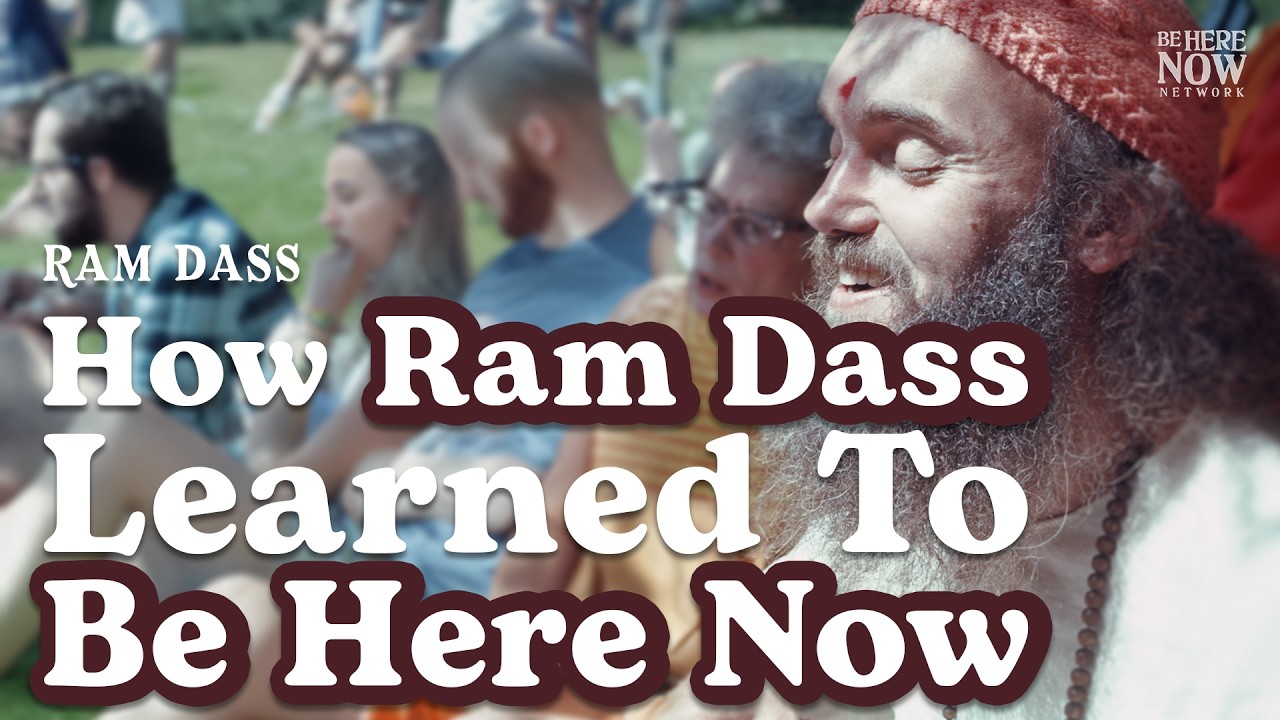
Meditation's fundamental purpose isn't relaxation, stress relief, or altered consciousness—it's to bring awareness into direct contact with the reality of the present moment. The past exists only as memory; the future exists only as fantasy. What is actually alive, what contains real substance and possibility, is only now. This understanding reframes meditation from a technique that produces special experiences into a practice of recognizing what is already here.
What Is the Actual Point of Meditation?
Most people approach meditation with an implicit goal: to feel better, to achieve peace, to reach enlightenment, to fix something broken. But as Kornfield teaches, this misses meditation's true purpose entirely. The actual point of meditation is simpler and more radical: to come into the reality of the present moment.
This distinction matters. When meditators sit expecting to achieve something—a certain mental state, an absence of thoughts, a spiritual experience—they are inherently positioned against what is. They are trying to change now into something else. But if meditation's purpose is to arrive in the present as it actually is, then the practice becomes one of recognition rather than achievement. You are not trying to produce anything. You are learning to see what is already here.
Why Is Only This Moment Actually Real?
Kornfield offers a precise ontological claim: the past is a memory, the future is fantasy, and what's alive is just now. This isn't poetic language—it's a direct observation about the structure of experience. The past cannot be contacted except through neural representations, thoughts, and stories. A memory is not the event itself; it is a present-moment mental construct about a former event. Similarly, the future cannot be lived until it becomes the present. When you worry about tomorrow or plan for next year, you are engaging in present-moment thinking—present-moment fantasy—about a time that doesn't yet exist.
What's alive, what has immediate reality, what can actually be felt and perceived, is only the now. This is not a mystical claim. It's the structure of consciousness itself. Every experience you've ever had has been present-moment experience. Every taste, sound, sensation, and thought has occurred now. There is no other time in which life happens.
Yet humans spend enormous amounts of attention caught in memory and fantasy—in the not-real—while the actual substance of life passes unnoticed. Meditation reverses this habit. It trains attention to return to what is alive.
How Does Recognizing This Change Practice?
If meditation's purpose is to come into the reality of the present, then the measure of successful practice is not the depth of peace you feel or the absence of thoughts, but rather the degree to which you are actually here. Are you in contact with the direct, unmediated reality of this moment? Or are you still primarily oriented toward your thoughts about experience rather than experience itself?
This reframing dissolves many common struggles in meditation. The person who sits and is bombarded with thoughts sometimes feels they are "failing" at meditation because their mind is busy. But if the purpose is to be present, then noticing that you've been lost in thought—and returning attention to the breath, to sensation, to sound—is exactly meditation working. The capacity to recognize you've been absent and to return is itself the practice. There is no moment where you fail to be present; there are only moments of forgetting and moments of remembering.
Similarly, if you sit and feel restless, bored, or anxious, you are actually present for those experiences. The restlessness is now. The boredom is now. The anxiety is now. Rather than viewing these as obstacles to meditation, they are the actual material of practice. Meditation is learning to be present with what is, not with what you prefer.
What Is the Difference Between Mind Activity and Presence?
A key insight in this teaching is the distinction between mental activity and actual presence. Your mind can be very active—planning, remembering, fantasizing, problem-solving—while you are completely absent from the reality of your body, your surroundings, and the living moment. Conversely, your mind can be quiet and empty while your attention is still more engaged with internal mental space than with the world around you.
True presence doesn't require any particular mental state. You can be present while thinking. You can be present while your emotions are moving. You can be present during pain, difficulty, or chaos. Presence is not about controlling the contents of mind; it's about the quality of your attention—whether you are actually here, or whether you are off somewhere in the realm of abstraction, of "what if," of "if only," of "someday when."
This is why meditation can be practiced anywhere, in any circumstance. It's not dependent on achieving silence or stillness, though those may arise naturally. It's about the return of your actual awareness to the actual present.
How Does This Purpose Affect Your Daily Life?
The implications of understanding meditation's true purpose extend far beyond sitting practice. If the only time that is actually alive is now, then a human life lived primarily in memory and fantasy is a life largely unlived. It's a life of potential contact being replaced by abstraction.
When you are with someone you love but your mind is rehearsing a conversation that happened last week, you are not really with them. The time with them—which is the only time that exists—is passing while you are somewhere else. When you are eating but thinking about work, you are not tasting the food. The taste is only in this moment; in the moment your attention is elsewhere, there is no taste.
Meditation trains the capacity to be present, so that when you are with someone, you are actually there. When you eat, you taste. When you work, you are engaged in the work itself rather than in anxiety about doing it well. This is not exotic or mystical. It's simply the difference between living your life and missing your life.
What Makes the Present Moment Unique?
The present moment is unique because it's the only time in which change can actually occur, in which choice is possible, in which you have agency. When you are lost in rumination about the past, you are imagining that you can change something that is already fixed. When you are lost in anxiety about the future, you are responding to something that hasn't happened yet. The power to affect your own life, to respond wisely to circumstances, to connect with others, to create—all of this can only happen in the present moment.
This is why contemplative traditions have always emphasized presence. Not because presence feels good (though it often does), but because presence is where life actually occurs. It's where the possibility of freedom is. It's where you can meet reality and respond to it with your full intelligence and heart.
Where to go from here
Understanding meditation's true purpose invites a shift in how you approach practice. Rather than meditating to produce a result, you might sit simply to be here. Notice where your attention is. When you realize you've been lost in thought, gently return. Not as a failure, but as the practice itself—the remembering to come home to now. This can be done in any meditation posture, with any technique, or with no technique at all. The question is simply: am I here? And if not, can I gently come back? The alive moment is always available. Meditation is learning to recognize it and inhabit it fully.