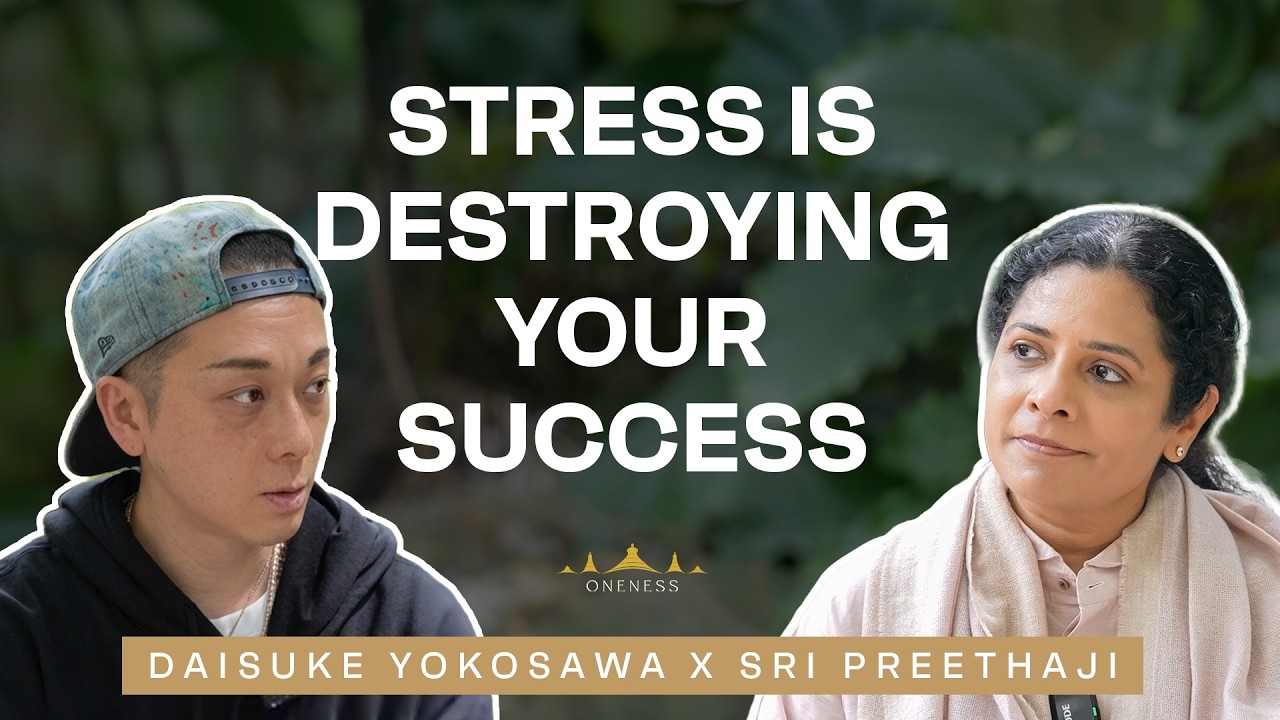
A true leader is not defined by title, authority, or personal gain, but by the capacity to operate from inclusivity and responsibility rather than ego or the pursuit of pleasure. According to this perspective from the Oneness Movement, genuine leadership requires fundamental inner shifts in consciousness—changes that ripple outward to determine whether an organization truly succeeds or merely functions as a vehicle for personal power.
What Distinguishes a True Leader From Someone in a Leadership Position?
There is a critical distinction between holding a leadership role and being a true leader. Someone may occupy a position of authority—a CEO, manager, or organizational head—yet lack the inner qualities that constitute authentic leadership. The difference lies in the foundation from which a leader operates.
A true leader, according to this teaching, operates from inclusivity and responsibility. This means the leader's primary concern is not personal advancement, comfort, or pleasure, but rather the wellbeing and integration of all stakeholders within the organization and beyond. Inclusivity here means that decision-making and vision-setting are not concentrated in the leader's ego or personal preferences, but rather emerge from a broader awareness of what serves the whole system.
Responsibility refers to an understanding that one's actions have consequences that extend far beyond oneself. A true leader feels accountable not just for quarterly results or personal success metrics, but for the human impact of their choices, the culture they create, and the example they set for others.
Why Does Operating From Ego Undermine Leadership?
Leadership rooted in ego—the desire to be recognized, to maintain control, to appear superior—creates an entirely different dynamic within an organization. Ego-based leadership often manifests as:
- Zero-sum thinking: The belief that the leader's gain must come at others' expense, or that power is a finite resource to be guarded rather than shared
- Isolation of decision-making: Leaders who operate from ego tend to consolidate information and authority, preventing the broader organizational intelligence from surfacing
- Fear-based culture: Employees and team members learn to protect themselves, manage up, and avoid transparency, which erodes trust and innovation
- Short-term optimization: Ego-driven leaders often prioritize immediate wins over sustainable, systemic health
In contrast, leadership rooted in responsibility and inclusivity creates conditions where the organization can access the intelligence, creativity, and commitment of all its members. Information flows more freely, decisions are more robust because they are informed by diverse perspectives, and people are motivated not by fear but by genuine commitment to shared purpose.
What Are Inner Shifts and Why Are They Essential for Leadership?
The teaching emphasizes that inner shifts are essential for genuine leadership. An inner shift is a fundamental change in how a leader experiences themselves, their role, and their relationship to power and responsibility. This is not merely about acquiring new skills or adopting better communication techniques—though those may follow. It is about a shift in consciousness or awareness itself.
Examples of such inner shifts might include:
- Moving from identifying with a separate, defended self to experiencing oneself as part of an interconnected whole
- Shifting from seeing one's role as accumulating personal status to seeing it as stewarding resources and relationships on behalf of something larger
- Releasing the need to always be right or in control, and instead becoming genuinely curious about perspectives different from one's own
- Experiencing responsibility not as burden but as a natural expression of one's interconnectedness with others
These inner shifts cannot be faked or installed through training programs alone. They require genuine transformation in how a leader perceives reality and their place within it. A leader may intellectually understand inclusivity and responsibility, but if the inner experience has not shifted, the organization will sense the inauthenticity and will not trust the leadership's commitment to these principles.
How Do Inner Shifts Impact Organizational Success?
The relationship between a leader's inner state and organizational outcomes is direct and measurable, even if the mechanism is not always obvious. Organizations led by individuals operating from genuine inclusivity and responsibility tend to show:
- Higher retention and engagement: People want to work for leaders they trust and feel genuinely cared for by
- Better problem-solving: When people feel included and psychologically safe, they bring their full intelligence and creativity to challenges
- More resilience: Organizations with inclusive, responsible leadership have deeper reserves of commitment to draw on during difficulty
- Better decision quality: Decisions informed by multiple perspectives and grounded in genuine responsibility rather than ego tend to be more sound
- Sustainable growth: Rather than growth driven by extraction or exploitation, it emerges from genuine value creation
Conversely, organizations led by ego-driven individuals, even if they show short-term success, tend to experience hidden costs: high turnover, knowledge loss, decreased innovation, and eventually, vulnerability to disruption or failure when circumstances change.
Is Leadership Development Primarily About Character or Competence?
This teaching suggests that the traditional focus on leadership competence—strategic thinking, financial acumen, operational excellence—is insufficient without corresponding development of character and consciousness. A highly competent leader operating from ego and self-interest is ultimately more dangerous than helpful to an organization, because their competence is in service of a fragmented, short-term vision.
True leadership development must therefore include both competence and character development, with particular emphasis on the inner shifts that allow a leader to genuinely operate from inclusivity and responsibility rather than ego-based motivation. This might involve contemplative practice, genuine reflection on one's own conditioning and motivations, work with mentors or teachers who can mirror back blind spots, and sustained commitment to becoming more conscious of how ego operates in oneself.
Where to Go From Here
If you are in a leadership role or aspire to be, the invitation here is to examine your own inner state with honesty. Do you operate primarily from a desire for personal recognition, comfort, and control? Or are you genuinely motivated by inclusivity and responsibility? This is not a judgment question—it is a diagnostic question that can point you toward the kind of inner work that will actually matter for your effectiveness as a leader.
Consider what inner shifts might be needed in your own consciousness: shifts in how you experience your separation from or connection to others, shifts in what you believe about power and responsibility, shifts in how you respond to situations where your ego feels threatened. These shifts cannot happen through willpower or intellectual understanding alone; they require sustained practice, reflection, and often, support from those further along the path. The good news is that authentic leadership is not a destination only the naturally gifted can reach—it is a capacity that can be cultivated through commitment to inner development.