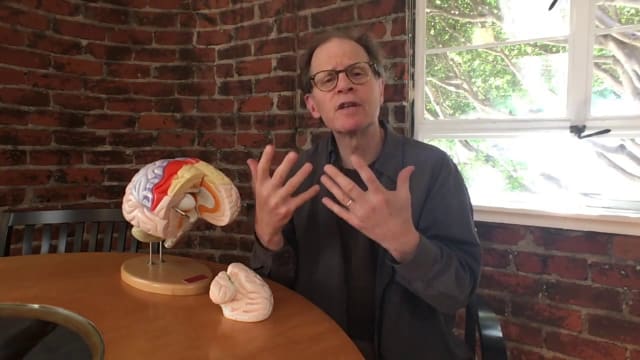
Transcript
[0:00] [Applause]
[0:03] thank you so much for that introduction
[0:05] and thank you for inviting me to come to
[0:07] join with you bless you um tonight um in
[0:11] fact let's have a bless you for
[0:12] everyone's going to sneeze bless you
[0:15] bless you um so we have the evening to
[0:18] spend together to talk about
[0:22] adolescence as individuals and
[0:25] adolesence as a period of time of our
[0:28] growth so let me just check out with you
[0:31] how many of you once were adolescent let
[0:34] me just see raise your hand if uh only
[0:36] half of the people are raising their
[0:37] hand that's interesting um now last
[0:41] night I spoke at uh another set of
[0:43] schools uh and we had a number of
[0:45] adolescents here I don't know if we have
[0:47] uh adolescence do we have any students
[0:49] here tonight okay we have raise your
[0:51] hand really high if you're here okay
[0:53] fantastic well welcome let's he for
[0:57] ades so I will be making these REM marks
[1:01] about the Adolescent period uh but as
[1:03] you can see all of us once were or still
[1:06] are adolescents although maybe we have
[1:08] anyone younger than adolescence here um
[1:12] yes good how old are
[1:13] you your eight okay cool well when
[1:17] adolescence begins you'll be a little
[1:18] bit older than eight so you can just
[1:21] listen up for what's going to happen in
[1:22] the future so here's the interesting
[1:25] thing um what
[1:28] animals besides human beings
[1:31] have an adolescent period does anyone
[1:34] know elephants dogs exactly actually
[1:38] most mammals do so it's not just
[1:40] something we invented here in California
[1:43] uh to just keep us kind of puzzled or
[1:45] something it's actually an important
[1:47] period of mamalian
[1:49] development um and so I want you to
[1:51] think about why would we have a period
[1:54] of time that's distinct from childhood
[1:57] we have an 8-year-old here so it's
[1:59] distinct from being 8 and it's distinct
[2:02] from being
[2:04] 38 we have a period of time that's
[2:07] roughly about the second Dozen Years of
[2:09] life more or less so it's not just the
[2:12] same as the teenage years that is a
[2:14] special period of time that is different
[2:18] from childhood and different from
[2:19] adulthood so the simplest way of
[2:21] defining this period of time is it's the
[2:24] period of development between childhood
[2:27] dependency like do you depend on your
[2:29] mom is that your mom next to you or you
[2:30] did you come on your
[2:33] own that's your mom great so would you
[2:35] say that you depend on your mom for
[2:38] stuff like getting you here or taking
[2:39] you to school things like that yeah and
[2:42] that's pretty natural when we're kids we
[2:44] depend on our parents right and that's
[2:46] great right so in childhood we're very
[2:48] dependent and in adulthood we have a lot
[2:51] of responsibilities don't we um and so
[2:54] adolescence is that transition between
[2:56] childhood dependency and adult
[2:58] responsibility and in in the old days it
[3:02] started around about 200 years ago it
[3:04] started around in human beings around 15
[3:08] or 16 years of age for females a little
[3:10] bit older for males and then it ended
[3:13] around 18 or 19 so it was a very short
[3:16] adolescent period we used to
[3:19] have and now it goes on from about 12 or
[3:24] so to about the mid 40s right it goes on
[3:29] so it goes on on and so we have a couple
[3:31] beliefs about this period of life and
[3:33] I'm going to start with the myths so if
[3:35] you're taking notes these are the things
[3:37] that are wrong but you hear them all
[3:39] around this planet the Adolescent period
[3:42] people say is caused
[3:44] by raging hormones exactly and I have
[3:48] interviewed many endocrinologists and
[3:50] said is there anything called a raging
[3:53] hormone and the answer is no there's no
[3:57] such thing as hormones which are
[3:59] chemicals in your body which influen how
[4:01] the body functions that have anger
[4:03] management problems they're just don't
[4:05] exist like that but everyone around this
[4:08] world says the phrase raging hormones so
[4:10] the first myth is Raging hormones now
[4:13] you may say well if it's not raging
[4:15] hormones what is it and that's what
[4:17] we're going to talk about
[4:18] tonight now if you're an adolescent in
[4:20] the room I want to say to you that these
[4:23] myths are very
[4:27] disempowering and I want you to think
[4:29] about if someone says to you and for our
[4:32] 8-year-old and I've been with like
[4:35] parents of 8-year-olds and nine-year
[4:36] olds and they said oh I'm so nervous my
[4:38] 8-year-old is going to become an
[4:40] adolescent and he's going to be taken
[4:42] over by raging hormones and the and the
[4:45] 8-year-old will look at me like oh my
[4:47] God right so if you believe the changes
[4:50] in what you are are these raging
[4:51] hormones what can you do about
[4:54] that
[4:55] nothing right
[4:57] nothing so luckily it's a lot
[5:01] but it's a disempowering lie because if
[5:02] you believe it you will believe there's
[5:05] nothing you can do about your adolescent
[5:06] period so this is the first thing the
[5:09] second thing is that people will say
[5:11] things like your teenager is crazy or
[5:15] your adolescence is nuts or you know
[5:18] what are what are the other insulting
[5:20] things people say about adolescence
[5:22] what's that out control they're out of
[5:24] control what else lazy lazy crazy out of
[5:27] control exactly all these things that
[5:29] are said they're really kind of nasty
[5:31] and even if you read some of the books
[5:33] written for parents of
[5:35] adolescence if I were an adolescent
[5:37] reading those books I would feel
[5:39] incredibly insulted and they're actually
[5:42] filled with a lot of lies also so what
[5:45] happened to me I'm trained as a
[5:46] scientist I study the way parents
[5:49] interact with children and how that
[5:51] affects healthy development called
[5:53] attachment research and I'm also trained
[5:56] as a physician and initially
[5:59] pediatrician and then a psychiatrist and
[6:02] then a Child and Adolescent psychiatrist
[6:04] so as a clinician what I found was that
[6:08] these statements that were commonly
[6:09] stated were really serious violations to
[6:13] what was scientifically accurate and
[6:15] then as a parent because I have two kids
[6:17] one is 22 the other's 27 uh a daughter
[6:21] and a son and they were going through
[6:24] their adolescent period and what our
[6:26] friends who also had adolescence were
[6:28] saying and what our pediatrician even
[6:30] said we're playing out
[6:32] wrong and as our kids went through their
[6:35] teen years and their later adolescence
[6:37] because adolesence goes into the mid to
[6:38] late 20s it really struck me that
[6:42] someone ought to clarify for adolescence
[6:45] themselves in their parents what the
[6:47] truths
[6:48] were so adolescents are not lazy crazy
[6:52] and all those other insulting things the
[6:54] third myth that is said is that
[6:57] adolescence is such a terrible period of
[7:00] time you ought to get through it as fast
[7:03] as possible and if you're lucky you'll
[7:05] make it out alive and not with a jail
[7:09] record that's actually what the head of
[7:11] nursing at some major university told me
[7:13] when my kids were not outst you said oh
[7:14] if they make it out alive don't get in
[7:16] jail that'll be the best and you know I
[7:19] understood she had a difficult time but
[7:20] here's the here's the issue that these
[7:23] views of the Adolescent period like
[7:24] you're supposed to get through it are
[7:26] actually exactly the opposite of what
[7:29] sign shows as you'll soon
[7:31] see that there's something very
[7:34] important about the Adolescent period of
[7:37] life that isn't only important for
[7:40] adolescents but it's important for us as
[7:44] adults believe it or not to actually
[7:47] hold on to the essential features of
[7:50] adolescence and there's certain
[7:53] incredible
[7:55] potentials of
[7:57] adolescence that our society
[8:00] our schools and our families are
[8:03] actually not
[8:05] supporting it's a huge human resource
[8:10] that is being wasted by the present
[8:12] setup we
[8:14] have and so this is actually pretty
[8:16] serious for you who have adolescence
[8:19] yourself or that is your your children
[8:22] are now in that period of time or if
[8:24] you're an adolescent yourself to really
[8:26] G gain a perspective about what this is
[8:28] all about
[8:30] so we're going to talk about that
[8:32] essence of adolescence in just a moment
[8:35] the fourth and final myth we'll just
[8:36] address here is that so that third myth
[8:39] was get over adolescence as soon as
[8:41] possible it's actually just the opposite
[8:44] hold on to your adolescence and you'll
[8:46] actually have a healthier brain as
[8:48] you'll see okay the fourth myth is that
[8:52] you know adolescents have to push away
[8:54] from all adults and while it is true
[8:57] that it is a natural process of across
[9:00] all cultures when you study for
[9:02] adolescence to push against the adults
[9:04] that gave birth to them and rais them
[9:07] adolesence in all societies need other
[9:11] adults that they can turn to for
[9:13] guidance who are not their birth parents
[9:16] but we have this setup in our society
[9:19] that that doesn't happen naturally we
[9:22] don't have mentorship by trustworthy
[9:25] adults that we can have and teachers are
[9:27] very busy in schools so teachers have
[9:30] have a hard time because of the number
[9:31] of kids under their care providing that
[9:34] kind of mentorship understandably so
[9:37] where does an adolescent
[9:39] turn for that kind of guidance it's just
[9:42] a question to keep in mind okay so let's
[9:45] go through what the essence of
[9:46] adolesence is but before we do this I
[9:48] want to just share with you a very short
[9:50] story which is basically asking the
[9:53] question why do we even have an
[9:55] adolescent
[9:57] period so to describe this to you I'm
[10:00] going to have you picture being not
[10:02] eight but being four years of age and
[10:06] just imagine this scene you've had a
[10:09] really wonderful
[10:11] sleep the sunlight begins to peek
[10:15] through your closed blinds and your
[10:18] mother comes into your room and opens up
[10:21] the door and comes to you gives you a
[10:24] kiss on the forehead and says good
[10:26] morning darling it's time to get up and
[10:29] go to preschool
[10:30] school so you're go you go mom that
[10:35] thank you thanks for getting me up and
[10:37] your mom says what would you like for
[10:39] breakfast and you go I think I have some
[10:42] oatmeal so your mom calls down to your
[10:44] dad she'd like some oatmeal this morning
[10:47] so your dad starts cooking the oatmeal
[10:49] and you get out of bed you go to the
[10:51] bathroom you wash your face you take off
[10:53] your PJs you get on your clothes for
[10:55] preschool you go downstairs your dads
[10:58] make this oatmeal with of course walnuts
[11:00] and blueberries and you're eating your
[11:02] oatmeal and you have time for a cartoon
[11:05] your favorite cartoon before you go to
[11:06] school your dad then drives you to
[11:08] preschool you get out you play with some
[11:11] blocks you go down the slide you're
[11:12] goofing around the other kids you're
[11:14] doing finger painting you take a little
[11:15] rest you have a snack you're hearing
[11:17] some stories you're doing some fun games
[11:19] and then your dad picks you up takes you
[11:21] home for lunch you then play with your
[11:24] dog you watch some cartoons you go take
[11:26] a nap your dad wakes you up you dance
[11:28] around with some music with him your mom
[11:30] comes home from work and then they all
[11:31] make dinner you eat your dinner you
[11:33] watch another cartoon then you're
[11:35] getting tired you get in the bathtub
[11:37] they scrub you down you brush your teeth
[11:39] you get in bed they massage you sing you
[11:41] a song and read you a story and you fall
[11:43] off to
[11:45] sleep sounds pretty good
[11:48] huh now not every kid has that
[11:50] experience but I just want you to
[11:52] imagine that actually most
[11:54] do and even a lot of spouses try to get
[11:57] that back
[12:00] so the adolescence are going what why
[12:02] would they do that yes so now picture
[12:05] this nature
[12:08] needs a child whose basically first
[12:11] dozen years of life is all about
[12:13] absorbing the world as it
[12:16] is nature needs to do something to this
[12:21] child's
[12:22] brain because for this child to make it
[12:25] in the world they've got to leave the
[12:28] oatmeal house
[12:30] house you can't have a child just
[12:33] hanging with genetically related people
[12:36] called your parents you got to get out
[12:38] and mix it up for all sorts of reasons
[12:40] and so how is nature going to take this
[12:44] four-year-old and 5-year-old
[12:45] six-year-old what is nature going to do
[12:47] to this child's brain to get this child
[12:51] to not want to be in that oatmeal Health
[12:54] situation so that's what I want you to
[12:56] think about if you were nature and Des
[12:59] designing a genetically programmed
[13:02] change that would exist in all
[13:05] adolescence and we'll talk about human
[13:07] adolescence now to get them to get out
[13:09] of the house the den the
[13:12] cave what would you
[13:16] do so to understand this we're going to
[13:19] review what research has shown so in
[13:22] general the way the brain works because
[13:24] we're going to look now at the brain a
[13:25] lot is the brain works
[13:28] by and I'm going to give
[13:31] you a very condensed summary of
[13:33] Developmental Neuroscience but here's
[13:35] how it goes I don't want to shock
[13:37] anybody but you start out as a sperm and
[13:41] an egg I hope they teach you that at gun
[13:44] and
[13:45] pallet so you start out as a sperm and
[13:47] an egg and the amazing thing just to get
[13:49] to the point of the brain is the two
[13:52] part genetic information get together
[13:54] they make a hole which is a very
[13:56] interesting thing and then what happens
[13:58] is the outer
[14:00] layer of this growing set of
[14:05] cells becomes such that it starts to
[14:08] push inward so the outer layer is going
[14:11] to become the skin it's called the
[14:12] ectoderm it pushes inward so if you go
[14:15] like this with your hands and put your
[14:17] fingernails try this out and then push
[14:18] your fingernails into the middle like
[14:20] that till your second Knuckles kiss each
[14:22] other like that see where your
[14:25] fingernails arrive in the middle that's
[14:28] going to become the nural
[14:30] tube so the reason I tell you this is
[14:32] because the nervous system comprised of
[14:36] neurons is basically made up of very
[14:39] sophisticated skin
[14:42] cells that's what a neuron is and what
[14:46] is the role of the
[14:49] skin it's the interface of the outside
[14:53] world and the inside world so the brain
[14:56] is exactly like that even though that's
[14:59] inside the body and encased by the skull
[15:02] with the brain reaching out to all parts
[15:03] of the body the fact is the nervous
[15:06] system is always about the interface of
[15:09] the outer and the inner so that's just
[15:11] the beginning of where we're going now
[15:13] two things are going to shape how this
[15:15] nervous system develops one is
[15:17] genetics and what regulates the genes
[15:20] called epigenetic controls we'll get
[15:22] into that now but basically we've
[15:24] learned that the way neurons find each
[15:26] other and connect up is driven by your
[15:28] genetic inher
[15:31] itance and the second thing is
[15:34] experience so I knew that the brain
[15:36] response to experience even in the womb
[15:39] so with my two kids I did an experiment
[15:41] where I would sing them a song through
[15:44] my wife's womb and then when they came
[15:47] out I had a neutral Party come and watch
[15:50] and I would sing four different songs
[15:52] and I asked one it was of her and one
[15:53] was of him I asked the neutral parties
[15:55] to guess which song was that Child's
[16:00] Song In the Womb and they could tell
[16:01] each time anyway now my kids don't let
[16:04] me sing at all so I'm not saying you
[16:06] should do this experiment not even in
[16:07] the shower so this is a bit of a problem
[16:10] um anyway but you could show that even
[16:12] at about 7 months of gestation the ears
[16:14] are working and you can show that you
[16:16] can learn in the womb very interesting
[16:20] issue so then what happens is you get
[16:24] this baby coming out of the womb and
[16:26] genes continue to determine how the
[16:27] neurons connect with each other and then
[16:30] experience like what happens between a
[16:31] parent and a child begin to shape how
[16:34] the brain is structured so you can show
[16:38] that if you are not a particularly
[16:39] caring parent and do
[16:43] particularly outrageous things you know
[16:46] like neglecting your child or abusing
[16:48] your child you can show that the brain
[16:50] will be affected in some pretty negative
[16:52] ways and the child will feel pretty
[16:55] badly about who he or she is you can
[16:58] create a state of Shame shame in your
[17:00] child in the first years of life by how
[17:04] you treat that child shame is an emotion
[17:08] that feels really heavy in the body it's
[17:10] like heavy in the chest it's a nauseous
[17:12] feeling in the belly and it has a belief
[17:14] that goes along with it I am
[17:18] defective and it's a feeling very
[17:20] different from
[17:22] guilt guilt is I've done something wrong
[17:26] and next time I do that thing I'll do it
[17:28] better
[17:32] but if you have a feeling of
[17:35] Shame there's something defective about
[17:38] me what can you do about
[17:41] that nothing so shame is coupled not
[17:44] only with this heavy feeling like I'm a
[17:46] defective person but I'm helpless to do
[17:49] something about
[17:50] it okay and we know that
[17:53] experiences can create the emotion of
[17:56] Shame the belief I'm defective and The
[17:58] Sensation of
[18:01] helplessness and these are
[18:03] experientially created things that we
[18:06] just know so the child is growing up and
[18:09] learning all these things about let's
[18:11] talk about really secure attachment
[18:14] learning I'm a good person who I am is
[18:16] fine I feel joyful about being alive I
[18:19] love connecting with other people I have
[18:21] a need I can reach out to other people
[18:23] communicate my need that's called secure
[18:26] attachment and secure attachment is
[18:28] based on four
[18:30] SES and they're worth memorizing because
[18:33] it's true not just parent child
[18:35] relationships is true in any
[18:37] relationship number one first s is you
[18:42] need to be
[18:43] seen seen means not just your body is
[18:46] observed seen means the Mind beneath
[18:51] behavior is recognized that is if I'm
[18:55] crying my mom doesn't just say stop your
[18:57] crying Danny
[19:00] because she saw I was cry she says what
[19:03] are you
[19:04] feeling what's the Mind beneath Behavior
[19:07] mind meaning your subjective experience
[19:09] what are your feelings what are your
[19:11] thoughts what's the meaning of that just
[19:13] happened that's creating these
[19:16] tears so you can call that mind sight
[19:20] that mother my mother sees the Mind
[19:24] beneath my behavior and with that
[19:26] mindsight skill she has I have the
[19:29] experience of feeling
[19:32] felt that my inner life is sensed by her
[19:38] and it gives me this feeling of
[19:39] wholeness it gives me this feeling of
[19:41] connection with
[19:43] her that's the first s seen the mind
[19:48] that I have is seen by the caregiver
[19:52] who's taken care of me does that make
[19:54] sense okay the second s is soothed s o o
[19:58] t h E de Soo it means when I'm
[20:02] distressed my mother or my father my
[20:05] caregiver is going to sense my
[20:08] distress and make an action to reduce my
[20:11] distress so if I'm hungry she may feed
[20:14] me if I'm cold she may put a blanket
[20:16] around me if I'm too hot she takes the
[20:17] blanket off if I'm tired she puts me in
[20:20] the crib for a nap you know if I'm
[20:22] lonely she hangs out with me all these
[20:24] kinds of things of being soothed when
[20:26] I'm distressed and what that teaches me
[20:29] two is that what I feel is worthy of
[20:32] being known by somebody else and leads
[20:34] to a behavior that actually makes me
[20:37] feel better that makees sense so soothe
[20:40] is what I'm learning in my first months
[20:43] of life even first years of life so
[20:47] that's s number two so seeing and Su the
[20:49] third s is I am safe and that has two
[20:53] parts to it one is I am not um put In
[20:58] Harm's Way by my parents so if my parent
[21:00] protects me and I feel a sense of really
[21:04] of safety with my parent but the other
[21:06] is that my parent doesn't terrify me and
[21:09] if she or he does she makes a repair of
[21:13] that rupture in the safety that I expect
[21:16] to have right we've already blessed you
[21:20] and now we'll bless you again um so
[21:23] being safe and this is why I put in
[21:26] books like parenting from the inside out
[21:28] or mindsight times when I frighten my
[21:30] kids and my kids say why do you put that
[21:32] you look like such a jerk and I say look
[21:35] many parents do this the issue is making
[21:38] a repair so if you're listening to this
[21:40] as a parent you oh my god I've terrified
[21:42] my kids many times it's never too late
[21:44] to make a repair go back and make a
[21:47] reconnection with your child with your
[21:49] spouse whoever it is and own up to that
[21:53] uh because that is what creates
[21:56] security so safety is being protected
[22:00] from harm and if your parent ever
[22:02] terrorizes you they make a repair and
[22:05] they try to reduce the intensity or the
[22:07] frequency or at all try to reduce times
[22:10] and they terrifi and those three s's
[22:13] being seen being soothed being say give
[22:15] you security the fourth
[22:18] s okay so what we know is that if you've
[22:22] had the Good Fortune of having that kind
[22:23] of experiences those kind of experiences
[22:26] you actually can feel pretty good about
[22:28] who you are and as you start going to be
[22:30] in preschool 3 4 5 you start reaching
[22:33] out and you have a certain way of
[22:35] regulating your own internal State
[22:36] called self-regulation you can actually
[22:39] start doing things with other kids you
[22:41] research has been now going on for about
[22:43] 40 years where these kids are in their
[22:45] actually mid 4S now where they've
[22:47] studied them across their whole lifespan
[22:49] and you can show this this is the work
[22:51] of Alan stro in the Minnesota study and
[22:53] his colleagues which basically show that
[22:55] these early experiences shape you but
[22:58] Chang relationship experiences continue
[23:00] to change this way that you feel about
[23:03] yourself so we're always in a process of
[23:06] emerging it's never over and if you had
[23:08] a really rough time in your early years
[23:11] you can always repair it to become what
[23:13] I call more integrated because in the
[23:15] brain these four s's create integration
[23:18] in the brain which helps you feel good
[23:20] about yourself feel connected to other
[23:22] people and allows you to have what's
[23:24] called resilience that's what
[23:26] integration in the brain
[23:27] creates okay so the brain is
[23:29] accumulating more and more connections
[23:31] become more and more integrated and then
[23:33] you're eight like our 8-year-old you're
[23:36] nine you're 10 you're 11 then something
[23:39] happened that was only discovered like
[23:40] about a dozen years ago or so or maybe a
[23:43] little few more now 15 years ago which
[23:45] kind of surprised people instead of the
[23:47] brain continuing just to make new
[23:49] connections which it was doing all this
[23:51] first dozen years of life driven by both
[23:53] genes and
[23:56] experience and you may say well hold on
[23:58] hold on how does experience change the
[24:00] connections in the brain you basically
[24:02] Drive
[24:03] energy through connections among the
[24:06] neurons so it goes very simply where
[24:09] attention goes and attention is a
[24:12] process that directs energy and
[24:14] information flow where tension goes
[24:18] neural firing flows and neural
[24:20] connection grows it's very simple where
[24:24] attention goes neural firing flows and
[24:27] neural connection grow
[24:29] grows and as you'll see soon this is how
[24:32] the culture of a society or the culture
[24:35] of a school or the culture of a
[24:38] family can immerse a child in a way that
[24:42] attention is directed in certain
[24:45] ways for example like on the
[24:48] destination of get a certain GPA get a
[24:52] certain grade point average thing done
[24:55] or get a certain standardized test or
[24:57] get a certain elite school or something
[24:58] like that that that's a lot of attention
[25:00] going to my worth is dependent on me
[25:05] getting a certain number it's a very
[25:08] externally directed set of criteria
[25:11] about what success means so that's all
[25:15] about how you're shaping the brain of
[25:16] that
[25:17] child and it's shaped by our larger
[25:20] culture School culture classroom culture
[25:23] family culture so we're going to look at
[25:26] that in just a few
[25:27] moments so the brain is being like a
[25:30] sponge soaking all this in but then
[25:32] around 11 12 13 not exactly
[25:35] corresponding with puberty which is you
[25:37] know the maturation sexually of the
[25:39] ovaries and sexual characteristics for a
[25:42] female and the male the testicles and
[25:45] sexual development there it's not
[25:47] exactly the same so you can have early
[25:48] puberty and a child is not in
[25:50] adolescence and you can have delayed
[25:52] puberty where adolescence has begun
[25:54] before puberty so it's not the same
[25:56] adolescence and puberty their onset is
[25:58] not the same same but they're roughly
[25:59] the same in terms of
[26:02] timing what adolescence is marked
[26:06] by is something that kind of shocked
[26:09] people you have a very significant
[26:12] moment now where you begin What's called
[26:14] the pruning
[26:16] process you start to remove synaptic
[26:20] connections that existed in an
[26:22] 8-year-old now for the 14-year-old are
[26:25] starting to be carved
[26:27] down wow why would I do this when I
[26:30] teach in middle schools and high schools
[26:32] the kids often go oh my God that's kind
[26:33] of freaky I don't want to be pruning my
[26:35] brain stop it and then they start
[26:37] singing the Peter Pan song Never Never
[26:39] Land and you know because they don't
[26:41] want to grow up but this is the issue
[26:43] growing up means you start specializing
[26:47] your circuitry this is the power of
[26:49] pruning it's like if you're growing a
[26:51] garden right you put the plants and they
[26:53] grow all over the place well for that
[26:55] Garden to really function well what do
[26:56] you have to do
[26:59] you got to prune it right so when you do
[27:02] studies like of how an 8-year-old
[27:04] functions in a scanner and you give them
[27:06] a problem solving thing the whole brain
[27:08] is doing a lot of different things a lot
[27:09] of Ander been used they solve the
[27:11] problem but it's using like everything
[27:13] you put a 14-year-old there they very
[27:16] selectively pick out very specialized
[27:18] circuits that solve the problem very
[27:21] efficiently it's big difference between
[27:24] 8 and 14 because the pruning process has
[27:27] begun so in brain development we talk
[27:29] about two things
[27:32] differentiation things being made
[27:34] different or specialized and the pruning
[27:36] process is a necessary part of the
[27:39] specialization of the brain the second
[27:42] thing is linkage how you connect the now
[27:46] differentiated circuits and in fact in
[27:49] the second half of adolescence so like
[27:52] mid to late teenage years and then way
[27:54] into the mid to late 20s you're having
[27:57] mile formation myelin M ye l i n it's a
[28:02] healthy sheath that is laid over
[28:05] connected neurons it allows them
[28:07] essentially to communicate 3,000 times
[28:10] more effectively it's 100 times faster
[28:12] the speed of conduction 10 times I'm
[28:15] sorry 30 times shorter the resting
[28:18] period between firings so that's 30 time
[28:20] 100 3,000 so that's where you get it's
[28:23] not just faster it's more coordinated
[28:25] and balanced with
[28:27] m myin is the linkage pruning is the
[28:32] differentiation so this process of
[28:35] pruning and myelination is called brain
[28:40] remodeling so if you had to say what's
[28:42] going on with adolesence it's completely
[28:45] accurate to say adolescence is a period
[28:48] of brain remodeling it's a construction
[28:52] site which is a beautiful thing for
[28:55] reasons you'll see in a moment okay so
[28:58] there are couple of other things that
[28:59] are going on but to really understand
[29:01] them I want to thank the principles of
[29:03] gun and P high schools for coming in
[29:07] early today they came in themselves with
[29:09] the help of the PTSA and they taped a
[29:12] model of the brain under your chairs for
[29:16] you to actually take home as a handout
[29:18] so if you reach under your chair and um
[29:21] see if you can feel that right there and
[29:25] then pull out your arm you'll see
[29:26] attached to your arm is a hand
[29:31] did everybody find your hand out for
[29:32] today okay good uh let me just check
[29:35] with our principles may they take these
[29:37] things home with them yes very good okay
[29:39] so take your hand fold your thumb into
[29:43] the middle and then fold your fingers
[29:45] over the top and this brain will be
[29:48] oriented like this in in your head and
[29:50] we're going to review these parts
[29:51] because to really understand adolescent
[29:54] brain remodeling you need to understand
[29:57] the brain in general so let's review the
[29:59] parts okay this is up in your excuse me
[30:02] up in your
[30:03] head so the spinal cord as well as the
[30:06] 10th cranial nerve the vus nerve bring
[30:08] in all the information and energy up
[30:10] from the body up through the neck and
[30:14] that's represented in your wrist right
[30:16] here so we'll just call that the spinal
[30:17] cord your wrist now if you lift open the
[30:21] top of your brain which is the cortex
[30:23] and then lift open the middle which is
[30:25] your limic area the thumb you'll see the
[30:28] palm area this palm area is the brain
[30:32] stem okay it is a
[30:35] 3 million year old part of the brain so
[30:40] it existed in reptiles we called the old
[30:42] Reptilian Brain and the two big
[30:45] processes it's responsible for are one
[30:49] excuse me it helps regulate thirst and
[30:52] uh eating and respiratory things and
[30:55] heart rate and stuff like that so basic
[30:57] bodily function
[31:00] and the second thing it
[31:05] does is it's responsible for the
[31:10] reactive states of fight flight freeze
[31:15] or faint so when you are
[31:19] threatened you literally in your brain
[31:21] stem activate should I fight
[31:25] back should I flee
[31:28] should I tighten up my muscles and
[31:31] freeze or am I so helpless that I just
[31:34] collapse in a faint those four fs and I
[31:37] say this to you
[31:39] because these reactive states are the
[31:43] basis of basically
[31:45] stress when we talked about stressed out
[31:48] people or stressed out adolescence or
[31:51] stressed out I was teaching at Stanford
[31:54] the medical school last year and the
[31:55] dean introduced me and said uh Cindy I
[31:58] don't know if you know this but
[32:00] said we had a surgeon invite this
[32:03] psychiatrist here and you know I don't
[32:05] know if you know this but the the
[32:07] internist who was introducing me they
[32:09] don't like psychiatrist just so you know
[32:12] and I thought that was the stupidest
[32:13] thing in the world um and I'm going oh
[32:16] my God what a way to begin the day with
[32:18] these people and uh he goes but this
[32:22] morning on my desk was the Mayo Clinic
[32:25] report and let me show you why Dr Dr
[32:28] Welton did a brilliant thing bringing
[32:30] psychiatrist here and he reads the
[32:32] reports the saddest thing in the world
[32:34] 2011 Mayo Clinic report shows that
[32:36] residents in training in hospitals 46%
[32:40] or so are burnt out many of them
[32:43] considering
[32:46] suicide 2014 after they already knew the
[32:48] 2011 result
[32:53] 56% and he goes this is an
[32:56] epidemic and then we spent the day today
[32:58] talking about mindsight seeing the mind
[33:01] and what you could do for these
[33:02] residents to reduce their stress which
[33:04] is what I'm going to talk to you today
[33:06] about in terms of our what we do with
[33:07] adolescence these days burnout and
[33:10] stress and suicidal thinking is not
[33:13] something limited to the Adolescent
[33:15] period these are residents just across
[33:17] the street at Stanford hospital and
[33:19] hospitals all around this
[33:23] country I have been giving lectures this
[33:27] year to the National meetings of the
[33:31] veterinarians Association 3,000
[33:33] veterinarians in one group 2,000
[33:36] veterinarians in another group ecoin
[33:38] veterans and the general veterinarians
[33:40] they have the highest suicide right now
[33:43] of any profession so I had to interview
[33:45] a bunch of veterinarians to figure out
[33:47] why are these veterinarians killing
[33:49] themselves it's very
[33:51] serious and even when I had a workshop
[33:54] afterwards with hundreds of
[33:55] veterinarians not the thousands in the
[33:56] big room but just a more smaller thing
[33:58] like room like this size a number of
[34:00] them took the microphone we're talking
[34:02] about why they were thinking of killing
[34:03] themselves so I won't get into that here
[34:05] but all I'm telling you is that stress
[34:07] is a serious thing across the lifespan
[34:10] and when you feel completely
[34:12] helpless suicide actually seems like
[34:16] it's a choice you should make that makes
[34:17] you feel
[34:19] empowered you're getting rid of your
[34:21] pain my teacher of who started the
[34:23] American suicide prevention service Ed
[34:25] sneidman called it psych a
[34:29] achy in the mind psyche is a sentim for
[34:31] soul intellect spirit and mind there's
[34:34] an ache that you only sense with
[34:37] mindsight seeing the mind of another
[34:41] person and that's what these Physicians
[34:43] are suffering that's what these
[34:44] veterinarians are suffering and that's
[34:45] what some of our high school students
[34:46] suffer for reasons that don't have to
[34:53] exist so the brain is pruning and
[34:57] specializing it's myelinating and all
[34:59] this stuff and sadly increased stress
[35:03] increases pruning and you can prune too
[35:06] much and then it makes you hard to
[35:09] regulate your emotions so we're going to
[35:11] go over how these systems work together
[35:14] and we're talking about the brain stem
[35:16] now but let's now go to the next level
[35:18] of the brain the lyic area because
[35:20] that's what changes the most at Birth
[35:23] your brain stem is pretty well formed
[35:25] the lyic area let's say is about halfway
[35:27] formed Med and it develops in the first
[35:30] 3 years of life in a big way but it
[35:32] continues to be molded throughout the
[35:33] lifespan during adolescence it changes
[35:36] in a very big way so I'm going to give
[35:38] you the five functions of the lyic area
[35:42] and we're going to think about how these
[35:44] change in adolescence and I'm going to
[35:47] actually ask the Adolescence in the room
[35:49] is it okay if I ask you a question you
[35:51] and all your colleagues adolescence
[35:53] raise your hand let me just see where
[35:54] you guys are okay so many of you are
[35:56] down here so I may ask you question
[35:58] question just collectively I'm not going
[35:59] to put any of you on the spot but just
[36:01] get ready calm your brain stem down you
[36:03] don't need to fight back you don't need
[36:04] to flee you don't need to freeze you
[36:06] don't need to faint so you can go bring
[36:08] yourself from a reactive state to a
[36:10] receptive State as we go over this in
[36:12] fact before we go through the lyic five
[36:15] functions let's do a little exercise
[36:17] where I'm going to teach you what it
[36:19] feels like to be in the reactive threat
[36:22] State and then what it's like to enter
[36:25] the receptive responsive State okay
[36:29] so put your notes down for taking
[36:31] notes I'm going to say a word I'm repeat
[36:34] it several
[36:39] times and then I'm going to
[36:41] pause then I'm going to say another word
[36:43] and repeat it several times and I'm
[36:44] going pause and then we'll do a few more
[36:46] things okay you ready so all I'm asking
[36:48] you to do is be aware of whatever arises
[36:52] as it arises just be it's called mindful
[36:54] awareness means you don't have to have
[36:56] judgment about it you don't have to have
[36:58] expectations about it just be aware of
[37:00] what happens as it happens there a
[37:01] spaciousness of Consciousness that
[37:03] allows you to be aware of it but you may
[37:05] start feeling intense things and that's
[37:07] fine everybody
[37:13] ready
[37:16] no
[37:19] no
[37:22] no
[37:25] no no
[37:30] no
[37:43] no
[37:46] yes
[37:50] yes
[37:53] yes
[37:56] yes yes
[37:59] yes
[38:02] yes
[38:13] yes now I invite you to take a nice deep
[38:17] breath and now try putting one hand on
[38:20] your chest and one hand on your
[38:22] abdomen just put some gentle pressure
[38:26] and just close your eyes just see how
[38:27] that feels
[38:37] and now just reverse it so the hand on
[38:39] your chest goes your abdomen the one on
[38:40] your abdomen goes your chest put some
[38:42] gentle pressure see how that
[38:53] feels and now put it in whichever
[38:55] configuration is most comforting for you
[38:57] left or right on top whatever works for
[39:01] you put some gentle
[39:09] pressure and now let's just take a
[39:11] moment just as your hands are like that
[39:13] just sense your breath wherever you feel
[39:15] it most naturally your
[39:17] nostrils air coming in and
[39:21] out could be your abdomen moving out and
[39:24] in with the
[39:25] breath your chest rising and falling
[39:28] just sense the
[39:41] breath now take a bit of a deeper and
[39:44] more intentional
[39:47] breath you can let that go and let your
[39:50] eyes come open if they're
[39:52] closed and if you want you can leave
[39:54] your hands there or put them down let's
[39:56] just do a quick survey how many felt um
[40:00] that putting a hand on your chest and a
[40:02] hand on your abdomen whichever way was
[40:04] comforting in some way raise your hand
[40:06] really high really really high okay so
[40:08] it's the majority of people how many
[40:10] felt right on top was the most
[40:12] comforting raise your hand really high
[40:15] and left on top okay so interesting okay
[40:18] so if anyone is interested in getting a
[40:20] doctoral degree I've now done this with
[40:22] probably 5,000 people and it's always
[40:24] the same it's about a quarter left on
[40:27] top three4 right on top It's usually the
[40:30] majority find it comforting no one knows
[40:32] why and you have a built-in control
[40:33] group so easy to get a PhD okay someone
[40:37] should go and do it and then call me and
[40:39] let me know what you
[40:40] find okay now let's just do a quick
[40:43] survey how many people found it was
[40:45] different how you felt when I said no
[40:49] versus when I said yes raise your hand
[40:50] if there was a difference okay so I'm
[40:52] going to just go over here and just
[40:54] shout out some words on this side what
[40:56] did know start with no what did no feel
[40:59] like just shout out at a word and I'll
[41:01] repeat it tight tight scary
[41:05] scary what's that
[41:07] angry
[41:09] hurtful
[41:11] rejecting what's it
[41:15] frustrating
[41:17] percussive restricting painful
[41:20] painful dense limiting limiting sh shame
[41:25] mean mean annoying
[41:29] judgmental bad okay wasn't very pleasant
[41:34] what that likely is doing is it's
[41:36] activating through all sorts of systems
[41:38] but in part a threat State you heard
[41:41] different aspects of fight flight freeze
[41:43] and even faint which is the can be seen
[41:45] as the shame state I'm I'm helpless to
[41:47] do anything now let's go through yes
[41:50] just shout out some things with yes what
[41:52] did yes feel
[41:53] like comforting
[41:56] soothing accept ing rela
[42:00] relaxing empowering warm
[42:03] warm
[42:05] loving what's that open
[42:07] open
[42:09] affirming what's that relief relief
[42:12] Joyful
[42:14] Joyful freeing what's that calming
[42:17] freeing and freeing okay so one thing
[42:20] that this exercise teaches us is the
[42:24] brain has two states it gets into if
[42:26] you're talking the big picture one is a
[42:29] reactive state that comes with
[42:31] no and one is a receptive state that
[42:34] comes with
[42:37] yes so my next parenting book with Tina
[42:40] Bryson is actually called the yes brain
[42:42] because it's how do you parent it's not
[42:45] just parent how do you live life really
[42:47] where you encourage a yes brain
[42:51] State because so much of what happens
[42:54] unfortunately in school is a no-brain
[42:57] State I don't mean it's a no-brainer I
[42:59] mean I mean it's literally cre it's
[43:01] reactive
[43:03] State you know like I work with one
[43:06] school people from one school in LA and
[43:09] the mission there is to get into the top
[43:11] five elief colleges well only about
[43:14] maybe 8 or 9% of the kids in that school
[43:16] will get there and the rest of them are
[43:18] considered failures by the
[43:21] administration of that school and I know
[43:23] that for a fact and those kids feel that
[43:28] that's a Nob brain
[43:31] school can you imagine you say 90% of
[43:34] you going to feel inadequate no matter
[43:36] what you do in a
[43:38] failure what kind of system does that to
[43:42] people so that's what I that that's the
[43:45] Nob brain State that's created right you
[43:47] feel horrible you can feel just even
[43:49] this little exercise I'm not even your
[43:51] dad saying you can't have ice cream I'm
[43:53] just saying no harshly right but it it
[43:56] activates the brain stem that way okay
[43:58] so now the the brain stem sits beneath
[44:01] the limic area now we're going to talk
[44:02] about the lyic area because it's the
[44:04] major thing that changes in adolescence
[44:07] so let's go through the five functions
[44:10] of the lyic area and I want you to think
[44:12] about adolescence I'm going to ask the
[44:13] Adolescence in the room just to reflect
[44:15] on it and I'm not putting any of you on
[44:17] the spot you don't have to say things if
[44:19] you don't want to but if you're inspired
[44:21] just say you know something that relates
[44:24] to it if you want to okay so it's not
[44:26] like you have to it's just an invitation
[44:28] not an expectation that good okay so
[44:32] Smiles that's good all right the first
[44:34] thing is the limic area which has
[44:37] regions you may have heard about the
[44:38] amydala the hippocampus and the
[44:40] hypothalmus the limic area your thumb
[44:42] area here first of all you'd have a left
[44:44] and right thumb for be a perfect model
[44:46] most of us just have one
[44:48] thumb and I say that because I used to
[44:50] not add that in and someone said you
[44:54] know I saw someone at a gas station WR
[44:56] two thumbs so you really need to respect
[44:59] those people and I said you're
[45:00] absolutely right and two meetings later
[45:03] when I started saying two thumbs I went
[45:05] to a gas station and there was a person
[45:07] with two thumbs I'm serious so okay but
[45:10] anyway so there's a left and right limic
[45:12] area and there's a left and right cortex
[45:13] but the brain stem is just cular okay
[45:17] so number one the limic area the thumb
[45:20] region works with the brain stem and the
[45:24] body meaning your muscles your heart
[45:28] your
[45:29] intestines send all the signals up from
[45:32] the body to the brain stem to the lyic
[45:34] area to do function number one create
[45:38] emotion so we say you want to identify
[45:41] the emotion that's going on in a person
[45:44] you're talking about this way the body
[45:46] is coming up into the brain and then the
[45:49] lmic area brain stem and body are
[45:51] pushing signals up into the cortex where
[45:53] we develop awareness as you'll see many
[45:57] people not only adolescence but many
[45:59] adults don't have much awareness of
[46:01] their internal bodily world or the brain
[46:03] stem world they don't have what's called
[46:06] selfawareness and if you don't have
[46:10] self-awareness you can't calm your
[46:13] interior State because you're literally
[46:17] living above your limic area as we'll
[46:20] talk about soon most of what happens in
[46:23] schools and even in families teachers
[46:26] used to live up in your cortex and not
[46:28] be aware of stuff that happens in your
[46:30] lyic area your brain stem and your body
[46:33] so we're just going to use the word
[46:34] self-awareness for that the lack of
[46:37] self-awareness leads to a lack of the
[46:39] ability to calm and soothe one's own
[46:45] emotions and studies show for example
[46:47] when parents teach kids they say oh
[46:50] little Danny let's say I fall down I
[46:51] hurt myself and my mom comes over she
[46:54] could say get up
[46:59] that's one option she could say oh my
[47:01] God oh my God oh my God your hurt is so
[47:03] terrible I can't believe how terrible it
[47:04] is oh my God you fell boy that's so
[47:08] horrible that's another option or she
[47:10] could say bless you I shouldn't bless
[47:12] you I should regulate myself she or she
[47:15] could say oh that must have been so
[47:17] scary for you to fall over that tricycle
[47:19] that your brother left there um let me
[47:22] help you up that must feel so scary to
[47:26] have that blood coming out of your knees
[47:27] right now or something like that right
[47:29] now what did she do in that
[47:31] case she used what's called mental state
[47:36] language she used words in her
[47:38] linguistic communication with linguistic
[47:40] is language where she
[47:42] said Danny you may have been surprised
[47:46] Danny you may be scared Danny it may be
[47:51] painful so in her relationship with me
[47:55] she's teaching me to be aware that I
[47:58] have an internal
[48:01] state number two she's teaching me my
[48:04] internal State can be known by someone
[48:07] else and number three she's teaching me
[48:11] to name it to tame
[48:14] it that if I can name my internal State
[48:18] and we did studies at UCLA to prove this
[48:20] you actually can calm the storms
[48:25] inside now if I were raised by parents
[48:28] just says get
[48:30] up what does that teach me about
[48:34] anything
[48:36] nothing or if my mother becomes so
[48:38] distressed she falls down she's crying
[48:40] oh she's aching with her leg you know
[48:43] then there's not enough differentiation
[48:45] in that relationship she's too much like
[48:49] me and that doesn't give me enough space
[48:51] so as parents we need to offer these
[48:54] things called reflective dialogues to to
[48:57] teach children about their own emotional
[48:59] state to give them self awareness okay
[49:01] so that's number
[49:03] one
[49:05] now in adolescence do you feel like your
[49:08] awareness of yourself is changing from
[49:10] when you were
[49:13] eight this shrugs okay all right so this
[49:17] is something just to think about um and
[49:19] just think about whether it could be
[49:21] changing and when we were all
[49:22] adolescence just remember if that
[49:24] changed at all okay number two the lyic
[49:27] area works with the brain stem to create
[49:31] what's called
[49:32] motivation it drives our Behavior
[49:36] motivation is an internal State combined
[49:38] with the limary and and the brain stem
[49:40] and there are all sorts of ways we have
[49:42] a book in our series I edit a series of
[49:44] books called a series on interpersonal
[49:46] neurobiology and one of those books is
[49:48] called um the archaeology of mind and it
[49:51] reviews these brain stem limic
[49:54] motivational circuits by Yak pep is his
[49:57] name y pain up anyway the bottom line is
[50:00] you have these deep motivational drives
[50:03] that push your behavior right now we
[50:06] have an 8-year-old
[50:08] here would anyone guess that when this
[50:11] 8-year-old is 14 what motivates him will
[50:14] be different from when he's at anybody
[50:16] think that's true yeah because
[50:18] motivation changes in a huge way in
[50:21] adolescence and teachers need to realize
[50:23] that so they can tune into what actually
[50:25] motivates an adolescent so number two
[50:27] motivation number three
[50:30] evaluation this limic area has something
[50:33] called appraisal appraisal is where the
[50:37] limary is saying is this thing happening
[50:40] right now important enough for me to
[50:42] allocate attentional resources so is it
[50:45] important or not that's step one step
[50:49] two of evaluation after I've appraised
[50:51] it's important is I say hey is this
[50:54] important thing I'm paying attention to
[50:56] is it good good or is it
[50:59] bad that's called hedonic tone that's
[51:02] number two number three it says if it's
[51:05] good how do I get more of it and if it's
[51:07] bad how do I get less of
[51:08] it that's the appraisal circuit so let's
[51:12] remember back when we were adolescence
[51:14] and the adolesence in the room would you
[51:16] say that the way you were evaluating
[51:18] things be important or not changed when
[51:21] you're 14 versus when you're eight
[51:23] anybody think it
[51:25] changed no that's so so amazing okay um
[51:29] well I remember it changed in a big way
[51:31] and this evaluation change we'll see in
[51:33] a moment has something called hyper
[51:35] rational thinking which we'll get into
[51:37] soon okay that's number three number
[51:40] four is memory memory changes a lot
[51:43] these areas govern factual memory that's
[51:46] laid down it starts building on what's
[51:49] called autobiographical memory and so
[51:51] adolescents have a richer kind of sense
[51:53] of who they are and start asking
[51:56] questions about
[51:57] who they are in life why are they here
[51:59] important existential questions like
[52:02] that the fifth function is called
[52:05] attachment and attachment is basically
[52:08] how we are connected to other people
[52:10] initially our parents and other
[52:12] Caregivers for soothing for being seen
[52:15] for being safe for feeling
[52:19] secure so let me ask the Adolescence in
[52:23] the room did you notice a change in your
[52:26] life from when you're eight to now on
[52:29] who you turn to when you're
[52:33] upset shrugs
[52:37] okay anybody want to commit themselves
[52:39] to a response no okay how about the
[52:42] adults what change do you remember
[52:45] happening when you're a kid versus when
[52:47] you're an adolescent who would you turn
[52:49] to when you're upset friends exactly and
[52:53] it's interesting it would be interesting
[52:54] to do a study if maybe Adeline cens
[52:56] aren't doing that anymore more but um
[52:58] that would be actually pretty
[52:59] fascinating but it's a natural part of
[53:01] adolescence to start turning to friends
[53:03] rather than parents now as a parent of
[53:05] course you feel rejected you think you
[53:07] did something wrong but it actually
[53:09] means you did something right because
[53:11] this is the Natural State of
[53:13] Affairs for turning toward care towards
[53:17] um uh not caregivers but turning towards
[53:20] friends instead of parents okay so let's
[53:24] do the cortex now if you put your
[53:25] fingers over the top this last part of
[53:27] the brain develop brain develops from
[53:29] Back to Front bottom to top and this
[53:33] part of the brain basically has six cell
[53:36] layers uh cortical columns they're
[53:39] called that make maps of things so in
[53:41] the back you make a map of the
[53:42] threedimensional world with your eyes if
[53:44] you can see if you're blind you make it
[53:46] with your fingers so it's a 3D map
[53:48] making part of the brain the occipital
[53:49] Lo in the back you taking sound through
[53:51] the ears that goes the temporal loes on
[53:53] the side you have the parietal loes here
[53:55] up upward on the side that Maps out the
[53:58] body and space and the frontal Lo the
[54:00] front part of this cortex is about more
[54:03] abstract things like thinking about the
[54:06] teenage brain or thinking about who
[54:08] you'd want to vote for in an election or
[54:10] thinking about the importance of freedom
[54:12] and respect stuff like
[54:15] that
[54:17] so these important issues of morality
[54:21] and compassion and thinking about the
[54:25] future are front Al map making ability
[54:28] so it's a map making area of the brain
[54:31] so when this brain is integrated in the
[54:33] cortex what's interesting is if you look
[54:35] at your middle two fingernails take a
[54:37] look at that let's do a little Anatomy
[54:39] lesson
[54:40] here look at these middle two
[54:42] fingernails of course they're part of
[54:43] the cortex but if you lift it up what do
[54:46] you notice it's also connected
[54:50] to go ahead do your an this is you
[54:52] didn't know you're going to be
[54:52] dissecting your brain I know but let's
[54:54] do your brain dissection here it's
[54:56] connected also what bra the lyic area
[54:59] exactly and what else the brain stem
[55:01] exactly you can't tell from your model
[55:03] but it takes in signals directly from
[55:05] the body itself and it also takes in
[55:07] signals from the social world so let's
[55:10] name the five sources of energy
[55:13] information
[55:15] flow that are coordinated and balanced
[55:18] by the area behind your
[55:20] forehead some people like to call that
[55:22] the third eye area let's just call it
[55:25] the prefrontal cortex
[55:29] cortex please say it this gets you more
[55:32] actively learning limic
[55:34] area brain stem bra St body body social
[55:39] World social okay now I'm going to tell
[55:42] you nine functions just you don't have
[55:44] to write them down but if you want to
[55:45] write them down and I want you to think
[55:47] about these functions because they're
[55:50] extremely important for talking about
[55:54] resilience in human beings
[55:57] and if you want a child who then becomes
[56:01] an adolescent in Middle School who then
[56:04] goes toward 12th grade before you launch
[56:06] them out into the world in this
[56:10] country to have
[56:13] resilience you want them to have maybe
[56:16] one of these functions or two or three
[56:19] maybe let's just say we're in to name
[56:21] nine and these are nine functions that
[56:24] come from the integrated role of this
[56:27] area of the brain called the prefrontal
[56:29] cortex that connects the cortex the lmic
[56:32] area the brain stem the body and the
[56:33] social World coordinates and balance
[56:35] them into one coherent flowing set of
[56:38] information energy
[56:41] flow you ready number one this area is
[56:45] important
[56:46] for regulating the body so it actually
[56:50] coordinates the limic area brain stem's
[56:52] input from the body and balances out
[56:54] what's called the parasympathetic and Sy
[56:56] sympathetic branches of the nervous
[56:58] system it's like an accelerator and a
[56:59] break that extends down from the head
[57:02] into the body you can measure in all
[57:04] sorts of ways the ultimate Arbiter of it
[57:06] is right
[57:07] here you can measure stress by someone's
[57:11] inability to balance these two branches
[57:13] of the nervous system you can measure it
[57:15] like that with heart rate variability
[57:18] coherence monitors like the math heart
[57:20] math programs that you can teach people
[57:22] how to do this so regulating the body
[57:25] number one
[57:27] number
[57:28] two attuned communication Attunement is
[57:32] tuning into the internal mental
[57:34] experience of another person their
[57:36] feelings their meanings their thoughts
[57:39] the significance of things for that
[57:41] person that's interpersonal Attunement
[57:43] and even internal Attunement which is
[57:45] one way of talking about mindful
[57:47] awareness tuning into your internal
[57:51] State a tune communication that's number
[57:54] two number three is something in science
[57:58] we call emotional balance that's where
[58:02] you allow emotions to rise up and really
[58:05] fill your life with passion and vitality
[58:08] you don't let them become too high where
[58:10] they're chaotic or too depleted where
[58:13] they're rigid so there's this optimal
[58:15] flow of emotional balance like a river
[58:18] of Harmony that's bound on one side by
[58:21] chaos The Other Side by rigidity that's
[58:24] called emotional balance
[58:29] number
[58:31] four is called response flexibility
[58:34] which means how do you pause before you
[58:37] act on an Impulse consider all the
[58:39] different responses that are possible
[58:41] and choose the one that's optimal for
[58:43] the situation you're
[58:46] in response flexibility number four
[58:50] number five is the ability to soothe
[58:54] fear and not just be driven to act on
[58:57] your fears to soothe
[58:59] fear that's number five number six is
[59:04] simply called insight and the scientific
[59:07] term for it is autonoetic consciousness
[59:10] self- knowing awareness which includes a
[59:14] wonderful term from the researcher endel
[59:16] Tolen called mental time travel where
[59:19] was I in the
[59:20] past who am I right now what's going on
[59:23] right now and where would I like to go
[59:26] in the future future called perspective
[59:29] thinking Insight is basically where you
[59:31] make a mindsight map of me where have I
[59:35] been me where am I now me where am I
[59:39] going in the future me so mindset map of
[59:41] me that's number six number
[59:44] seven
[59:46] is
[59:48] empathy which is making a mindsight map
[59:52] of
[59:53] you right what's going on in inside of
[59:56] you right now what are you feeling
[59:58] what's the meaning of this thing for you
[1:00:00] what matters to you what happened to you
[1:00:03] before that's in your memory system that
[1:00:05] gives you this perceptual view of what's
[1:00:07] going on and your view is different from
[1:00:09] my view we have different histories so I
[1:00:12] can empathically understand your
[1:00:14] perspective even if it's different from
[1:00:16] my view if your opinion is different
[1:00:17] from mine right that's a mindsight map
[1:00:20] of
[1:00:21] you that's number seven number eight and
[1:00:25] amazingly these are all coordinated by
[1:00:27] this area of the brain using other
[1:00:28] regions and linking them
[1:00:30] together number eight is
[1:00:34] morality which is a mindsight map of
[1:00:37] we it's how do we realize we are deeply
[1:00:40] interconnected with each other we're not
[1:00:42] just isolated silos we have a
[1:00:45] responsibility to each other and the
[1:00:47] planet even when we're
[1:00:50] alone that's number eight and number
[1:00:54] nine is in intuition how do you let
[1:00:58] yourself become aware of the wisdom of
[1:01:00] the body literally around the intestines
[1:01:03] you have a neural network and around the
[1:01:05] heart you have a neural network a heart
[1:01:06] brain and a gut brain and they send up
[1:01:09] signals that have important messages for
[1:01:12] you like don't do that don't drive 100
[1:01:15] miles an hour even if your head is
[1:01:17] telling it to it your gut says don't do
[1:01:20] it I wish the 19-year-old who ran over
[1:01:24] my favorite teacher and killed him
[1:01:28] had had mindsight lessons to develop his
[1:01:31] bodily wisdom so his gut would have told
[1:01:34] him don't do it even though his
[1:01:36] adolescent brand said oh that'll be so
[1:01:38] great to do as you'll see in a moment
[1:01:41] even though he crashed the car two
[1:01:42] months earlier and his parents bought
[1:01:44] him a new
[1:01:50] car so that's number nine now let's just
[1:01:54] look at that list and let's ask a couple
[1:01:56] of questions first of all how many of
[1:01:58] you would like to have these functions
[1:02:00] in your own personal life raise your
[1:02:02] hand so that means you want to have an
[1:02:04] integrated brain and you want to have a
[1:02:06] resilient mind that can create these
[1:02:08] nine functions this is how it's
[1:02:12] created
[1:02:14] now for a 8-year-old this may not make
[1:02:17] sense but please listen in okay let's
[1:02:21] talk amongst each other as
[1:02:24] parents how many of you as parents have
[1:02:26] ever had the experience of flipping your
[1:02:29] lid where you lost maybe one of those
[1:02:32] functions maybe two maybe all nine raise
[1:02:35] your hand if that's how yeah and in fact
[1:02:38] this is what I would write in the books
[1:02:39] that I would write flipping my lid this
[1:02:41] is where the flipping the lid term comes
[1:02:43] from right you flip your lid because
[1:02:45] when you are an integrated person you
[1:02:47] don't act like that but when you flip
[1:02:49] your lid you're like a different person
[1:02:51] aren't
[1:02:53] you right this is why my kids say why do
[1:02:55] you put this in books you look like a
[1:02:57] jerk because people tend to look like
[1:02:59] jerks at various times you haven't slept
[1:03:01] enough you haven't eaten you know
[1:03:03] someone pushes a hot button issue with
[1:03:05] you or whatever so making a repair means
[1:03:08] bringing yourself back into an
[1:03:09] integrated state so you can be more
[1:03:12] resilient again making a a repair also
[1:03:15] means reaching out and reconnecting with
[1:03:18] the person with whom you flipped your
[1:03:19] lid right now how many of you would
[1:03:23] like your parents to have the these nine
[1:03:26] functions raise your hand if you like
[1:03:28] that okay good how many of you would
[1:03:30] like your significant other to have
[1:03:32] these things how many would you like I
[1:03:35] don't know an elected official to have
[1:03:37] these
[1:03:37] things right so these are integrated
[1:03:40] functions of a resilient mind and guess
[1:03:43] what the principles of gun and
[1:03:47] P can do things with your kids in the
[1:03:51] school to teach them to develop these
[1:03:54] nine functions
[1:03:57] it isn't a mystery how you get these
[1:03:59] functions of an integrated brain so when
[1:04:01] I wrote the brainstorm book it was all
[1:04:03] about what kind of practices could you
[1:04:06] do as an adolescent yourself I wrote the
[1:04:08] book for adolescence to read right
[1:04:10] because nothing was available for my
[1:04:12] kids they had already passed through
[1:04:13] their early teen years but I said
[1:04:15] somebody ought to write book to
[1:04:17] adolescence respecting adolescence and
[1:04:19] looking at the essence of what
[1:04:20] adolescence is so they could develop
[1:04:22] these nine functions and that's what all
[1:04:23] the gray pages in that book are ways of
[1:04:25] developing veloping those nine functions
[1:04:27] of a resilient mind these are mindsight
[1:04:30] skills that are teachable even if you
[1:04:32] didn't learn them at home you can learn
[1:04:33] them at school or you can learn them
[1:04:35] from the book the most amazing award I
[1:04:39] ever
[1:04:40] got was I was teaching at the Aspen
[1:04:44] Institute and my wife and I met some
[1:04:46] friends for breakfast before the talk I
[1:04:48] was going to give and I don't eat gluten
[1:04:51] anymore because of bodily reactions to
[1:04:52] gluten anyway they were all ordering
[1:04:54] their gluten filled food whatever they
[1:04:57] do I had to develop empathic Joy when
[1:04:59] people eat these French toasts that look
[1:05:01] so good anyway so the waitress comes
[1:05:04] over she says what would you like and I
[1:05:05] said well I can't have this and I can't
[1:05:07] have that and I can't have this but you
[1:05:08] could modify this and modify that she
[1:05:10] goes we don't modify this
[1:05:12] restaurant so I said well could you try
[1:05:14] this she goes we don't do that and she
[1:05:16] leans over she goes but I know who you
[1:05:19] are so I'll do it for
[1:05:21] you so anyway she got me this incredible
[1:05:24] breakfast but afterwards she came back I
[1:05:26] said what do you mean you know who I am
[1:05:27] she goes you want me to tell you I said
[1:05:29] yeah my friends are listening with my
[1:05:30] wife she goes I have a 15-year-old at
[1:05:33] home she was probably I don't know 4550
[1:05:36] a waitress she said and he was
[1:05:39] suicid and I looked desperately around
[1:05:42] what I could get him I saw you on
[1:05:43] YouTube and I watched all your videos
[1:05:45] and then I bought the brainstorm book
[1:05:47] for him and it completely changed his
[1:05:50] life and that's why I got you that
[1:05:52] omelet and and to me that was like
[1:05:55] literally the best award anyone could
[1:05:57] ever want as a
[1:06:00] educator so let's let's look at the
[1:06:02] essence of adolescence and I want you to
[1:06:05] think
[1:06:05] about why nature would create these
[1:06:08] changes in the brain that we're going to
[1:06:10] go over
[1:06:11] now what's the downside of it and what's
[1:06:14] the upside there's four aspects of it to
[1:06:16] it now I have to make a confession I
[1:06:18] have a problem it's a pretty serious
[1:06:20] problem actually I'm an acronym addict
[1:06:25] so if you don't like acronyms I'm very
[1:06:30] sorry I have to share one with you and
[1:06:33] it's when I was writing the book um you
[1:06:37] know when you when you when you write
[1:06:38] books you want to what I do as a
[1:06:40] scientist is I want to look deeply into
[1:06:42] the science so you I have these 50
[1:06:44] textbooks I've edited and stuff like
[1:06:45] that that's many of them other people
[1:06:46] wrote but I'm writing my own book I want
[1:06:48] to take the science and I want to
[1:06:50] crystallize the essential features of
[1:06:52] the hardcore science in peer revieww
[1:06:54] journals and then I want to translated
[1:06:56] in a way that's memorable for the
[1:07:00] reader so that's what what I do so I
[1:07:04] said well what is the essence of
[1:07:06] adolescence and I had all read all the
[1:07:08] research and all the brain stuff and all
[1:07:09] that kind of stuff I'd already read it
[1:07:11] all I said now it's time to write so I
[1:07:13] said what's the essence of what's the
[1:07:15] essence I'm sitting there I'm going oh
[1:07:17] my God the essence of adolescence is the
[1:07:23] essence that's the acronym and I go whoa
[1:07:26] this is awesome so here it is sorry es
[1:07:31] es the first part of essence is
[1:07:33] emotional spark what you see in the
[1:07:36] Adolescent brain is more in input from
[1:07:39] the body the brain stem and the lyic
[1:07:41] area up into the cortex and so
[1:07:44] adolescence are more
[1:07:46] emotional literally if you compare an
[1:07:48] 8-year-old to a 14-year-old to a 34y old
[1:07:53] you just see a lot more emotion in the
[1:07:56] brain now you didn't need me to tell you
[1:07:58] brain studies a show that just go to
[1:08:00] dinner where there's a bunch of
[1:08:01] adolescents at one table and then
[1:08:03] there's a bunch of adults at the other
[1:08:04] table here's the adult table yes oh
[1:08:08] that's R yes and here's the Adolescent
[1:08:11] table oh my God I can't believe that's
[1:08:13] so incredible wow you know they're
[1:08:15] having so much more
[1:08:17] fun because the emotional spark is
[1:08:20] [Music]
[1:08:22] Passion it's a more emotional brain now
[1:08:25] part of that needs to be understood and
[1:08:27] this was very helpful for
[1:08:29] me that there is this intense emotion
[1:08:32] remember it's appraisal too and it's
[1:08:34] going to appraise these other feature of
[1:08:37] the Olympic
[1:08:39] area that neutral things actually can
[1:08:42] look hostile any adults know what I'm
[1:08:45] talking about so like I just read the
[1:08:48] paper at work I came home I had two
[1:08:50] adolescents at home I said hi I'm home
[1:08:52] they go what do you
[1:08:53] mean I go I mean I'm home you're doing
[1:08:55] it again it's that tone of your voice
[1:08:57] you know what oh stop Sor I just okay
[1:09:00] whatever you know now for parents I want
[1:09:04] to suggest you when you get the eye
[1:09:06] rolling and get the push back on things
[1:09:09] you need to realize the emotional spark
[1:09:11] is there for a reason and if you take
[1:09:13] them on and say don't talk to me like
[1:09:15] that young lady you're going to start
[1:09:16] World War II
[1:09:19] unnecessarily because you know in about
[1:09:21] 60 seconds it's going to go but if you
[1:09:23] take them on it's going to last for hour
[1:09:25] hour won't it you know and with my son
[1:09:29] one time I like took away his guitar
[1:09:31] case for like the next 10 years or
[1:09:33] something like that or nuts I mean
[1:09:35] absolutely nuts what we do as parents is
[1:09:38] what I mean what we do as parents don't
[1:09:40] take them all give them space because
[1:09:43] emotional spark why is it there emotion
[1:09:46] evokes motion it ribs up the
[1:09:50] body it's passion for sure the reason is
[1:09:53] to get out of the oatmeal house
[1:09:57] Okay now what's the downside of having a
[1:10:00] more emotional
[1:10:05] brain it's tiring it's unpredictable
[1:10:08] what
[1:10:10] else H what's that people get upset at
[1:10:13] you you get upset at yourself you're
[1:10:16] irritable you're Moody
[1:10:18] absolutely so there's a downside to it
[1:10:20] but what's the
[1:10:22] upside fun fun passion you know it's
[1:10:26] great to be alive now it's up and down
[1:10:29] because the Sorrows are deeper right
[1:10:31] it's up and down so if we don't teach
[1:10:36] adolescence about the natural state of
[1:10:38] intense
[1:10:41] emotions then they just withdraw from
[1:10:44] their own signals from down below and it
[1:10:47] is possible to do what's called
[1:10:49] dissociate and just live up in your
[1:10:52] cortex but then you lose the Vitality of
[1:10:54] life you can do your homework you can
[1:10:58] aim for the grades but you're feeling
[1:11:01] very
[1:11:03] little this is not
[1:11:08] good so what do we need to do instead of
[1:11:11] avoiding the surf we need to teach kids
[1:11:13] how to
[1:11:14] surf their emotional life don't avoid
[1:11:18] the water don't get drown in the waves
[1:11:21] teach them how to serve but we basically
[1:11:23] don't do that at home and we don't do
[1:11:25] that in
[1:11:27] school
[1:11:28] right so that's number one emotional
[1:11:31] spark you can teach skills of Surfing
[1:11:33] emotions they're completely teachable
[1:11:36] you the start is in the book The Gray
[1:11:38] Pages teach you how to do that they
[1:11:39] teach you to become aware of your heart
[1:11:41] aware of your intestines aware of your
[1:11:43] muscles aware of your brain stem aware
[1:11:44] of your limic area the source of emotion
[1:11:47] and then once you're aware of that you
[1:11:48] learn to regulate it you learn to surf
[1:11:52] the waves and my God you see an
[1:11:54] adolescent who is self-possessed who's
[1:11:56] learned to ride the surf of her own
[1:11:58] emotional waves she's like a different
[1:12:00] person just read the mindsight book
[1:12:02] story of Jonathan a 16-year-old he had
[1:12:05] so many wild emotions people wanted to
[1:12:07] put him in all these medications his
[1:12:08] parents refus I taught him to do these
[1:12:10] mindset techniques and he
[1:12:13] is filled with equilibrium what's called
[1:12:18] Equanimity as Jonathan said when he
[1:12:20] learned this thing called The Wheel of
[1:12:21] awareness which you can do from my
[1:12:23] website and that's what he did in the
[1:12:25] practice with me he learned that even if
[1:12:27] an emotion was really intense he didn't
[1:12:29] have to take it so
[1:12:32] personally that's
[1:12:34] wisdom and he just learned that from
[1:12:37] talking to me but you can learn it from
[1:12:39] the book is what people say it's what
[1:12:42] that waitress told me about her
[1:12:44] 15-year-old
[1:12:45] son but no one seems to talk to kids
[1:12:47] about it we even teach 5-year-olds how
[1:12:49] to do that it's teachable this wheel of
[1:12:52] awareness practice it integrates
[1:12:54] Consciousness I won't get that here but
[1:12:56] it's a teachable skill so that's number
[1:12:57] one es emotional spark number two social
[1:13:03] engagement if you're an adolescent
[1:13:07] gazelle and you don't have social
[1:13:11] engagement with your other Adolescent
[1:13:13] gazel and you're out on the plains what
[1:13:16] is going to happen to you you're
[1:13:19] somebody's
[1:13:21] lunch you
[1:13:23] have well probably about 100 100 million
[1:13:26] years of evolution in you as an
[1:13:28] adolescent that tells you if you don't
[1:13:31] belong to an adolescent group or another
[1:13:35] single adolescent you're going to
[1:13:38] die literally it's survival life and
[1:13:41] death to
[1:13:44] belong okay that is hugely important for
[1:13:47] us to know as parents and for adolesence
[1:13:49] to know themselves why because when your
[1:13:51] adolescent comes to you and my daughter
[1:13:53] says I got to buy these shoes you know
[1:13:55] CU everyone else is wearing these shoes
[1:13:56] I said those are $300 shoes I'm not
[1:13:58] going to buy but if I just said that
[1:14:00] shut up that's so stupid you're caving
[1:14:02] into peer pressure that's not attuning
[1:14:05] to her I can say I understand you really
[1:14:08] want to buy those shoes they're $300
[1:14:09] that's a lot of
[1:14:10] money and I wonder you know if you're
[1:14:13] feeling like you really want to make
[1:14:14] sure that people accept you as you are
[1:14:17] and that's understandable I understand
[1:14:18] you want those connections with people
[1:14:22] you know and amazingly when you identify
[1:14:25] the internal feelings and the meanings
[1:14:28] of things as a parent everything begins
[1:14:31] to settle down why because you're seeing
[1:14:34] what's actually going on in your
[1:14:37] adolescent right belonging is hugely
[1:14:40] important even if it's with it one
[1:14:42] friend now that's the reason for the
[1:14:46] social engagement what's the downside of
[1:14:48] social engagement besides spending $300
[1:14:50] on a pair of shoes what's the downside
[1:14:56] what's that caving into peer pressure
[1:14:59] you give up morality to gain membership
[1:15:03] exactly seriously I need to belong to
[1:15:06] them so I'm going to do all this crap
[1:15:07] and I'm going to bully some kid at
[1:15:09] school because everybody else is doing
[1:15:10] that or something like that you give up
[1:15:12] morality to gain membership now we can
[1:15:16] understand the drive for membership life
[1:15:17] and death and all that stuff however we
[1:15:19] need to give our adolescen and that's
[1:15:22] our responsibility as adults with you
[1:15:25] can call an internal Compass part of it
[1:15:29] is surfing the emotional waves so that
[1:15:32] it's the issue number one of emotional
[1:15:33] spark the second thing is the internal
[1:15:35] Compass says you know something I know
[1:15:37] I'm an adolescent I know I have these
[1:15:39] remodeling my brain I know I have a
[1:15:41] drive to belong but those people
[1:15:43] bullying that kid is not right my gut is
[1:15:46] telling me it's wrong my heart tells me
[1:15:49] this is really sad what they're doing
[1:15:50] and I will find other friends whose
[1:15:52] values I agree on
[1:15:55] that's an internal Compass we actually
[1:15:58] know the neural circuitry of that
[1:16:00] internal Compass it has to do in part
[1:16:01] with this this prefrontal region and we
[1:16:04] know how to develop it developing
[1:16:07] self-awareness self-possession
[1:16:09] Equanimity that gives a kid an internal
[1:16:11] compass and kids who don't develop
[1:16:15] this they are absolutely prone to peer
[1:16:17] pressure why because it's a drive of the
[1:16:20] lyic area beneath the cortex where
[1:16:23] awareness is it's a drive of this limpic
[1:16:25] area to have them belong so they don't
[1:16:28] die but they're not even thinking about
[1:16:31] that they're just doing it they're just
[1:16:33] bullying that kid or wearing those
[1:16:35] clothes or getting drunk at parties or
[1:16:37] having sex because they don't want to
[1:16:38] have sex but everybody else is having
[1:16:39] sex whatever the thing is to just belong
[1:16:42] or it's like what one patient of mine
[1:16:44] once said you know he came in I don't
[1:16:45] think people were doing these days but
[1:16:46] there was a day not so long ago when
[1:16:48] boys wore their pants beneath their butt
[1:16:51] remember that so he walked in the belt
[1:16:53] was beneath his butt his his underwear
[1:16:55] is like hanging out and he walks in I
[1:16:57] thought this is great because my kids
[1:16:59] pass through that age and they never did
[1:17:00] that but he was doing that so I thought
[1:17:03] this is a great opportunity in his kind
[1:17:06] and compassionate way I said why do you
[1:17:08] do that but I didn't say it like that I
[1:17:11] said tell me tell me like what goes on
[1:17:15] inside of you to wear your pants beneath
[1:17:16] your
[1:17:18] butt but he he was such a sweet guy I
[1:17:20] love I love all my patients but I love
[1:17:22] him and he goes like he looks at me and
[1:17:24] goes I I I'm not going to get the phrase
[1:17:26] just right I said it in the in the book
[1:17:28] but it goes like this it goes he goes
[1:17:31] I'm trying to be just like everybody
[1:17:33] else who's trying not to be like anybody
[1:17:41] else and I looked at him I said
[1:17:44] exactly it was so a awesome you know it
[1:17:48] was epic okay so um all right so what is
[1:17:54] so the downside is give Mor what's the
[1:17:55] upside of social
[1:18:01] engagement you're not lonely that's good
[1:18:03] you feel good for the moment because you
[1:18:04] have connections what else is a
[1:18:06] long-term positive thing
[1:18:08] also communication skills if I tell you
[1:18:12] that if you looked at the scientific
[1:18:14] research on how happy you are meaning
[1:18:19] you dionic happiness a sense of purpose
[1:18:21] connection and equinity that kind of
[1:18:23] happiness happiness studies number one
[1:18:26] how long you live longevity
[1:18:30] studies Medical Health how healthy your
[1:18:33] body is and mental health how healthy
[1:18:37] your mind is those four studies
[1:18:40] happiness udonia happiness connection
[1:18:43] meaning
[1:18:45] equinity longevity how long you live
[1:18:47] mental health and medical health and I
[1:18:49] told you there is one factor that's like
[1:18:52] the most robust factor shared by all
[1:18:54] four studies
[1:18:56] what would it
[1:18:58] be social connection social
[1:19:01] relationships you learn them in a big
[1:19:04] way in
[1:19:05] adolescence adolescen are built to be
[1:19:08] collaborative they're built to find
[1:19:10] connections with each
[1:19:15] other that's the upside it's a
[1:19:18] lifelong source of
[1:19:21] resilience how you learn to build social
[1:19:24] networks of support
[1:19:27] so that's a great upside that's SE now
[1:19:29] we have n and CE n is novelty novelty
[1:19:33] seeking and nature needs novelty to be
[1:19:37] sought to get out of the oatmeal house
[1:19:40] right the oatmeal house is comfortable
[1:19:42] familiar warm oh the parents are so
[1:19:44] great it's not like the parents changed
[1:19:46] I remember when our two kids went
[1:19:48] through their adolescence it was like I
[1:19:50] can't wait for him to be out of this
[1:19:51] house you know what I'm talking about
[1:19:54] and same thing with her it was like so
[1:19:56] sad but so happy you know that they
[1:19:59] were and nature is brilliant my God I
[1:20:03] wouldn't have let either of them go if
[1:20:05] they were like they were when they were
[1:20:06] 8-year-olds like that oh my God can I
[1:20:09] take you home with me anyway you know I
[1:20:11] remember that now now they're in their
[1:20:13] 20s is like a magical time but um you
[1:20:16] know adolescence is tough okay
[1:20:19] so that's the novelty C how does nature
[1:20:22] do
[1:20:23] that well nature does it in two ways we
[1:20:26] didn't understand before one is there's
[1:20:29] a circuit take your hand model the brain
[1:20:31] there's a circuit between the cortex the
[1:20:34] lyic are the brain stem so because it
[1:20:36] goes up and down we call it a vertically
[1:20:39] distributed set of circuits really it's
[1:20:41] a set of circuits but we simply call it
[1:20:43] the reward
[1:20:45] circuitry the neurotransmitter the
[1:20:47] chemical that allows neurons of the
[1:20:49] reward circuitry to communicate with
[1:20:50] each other is called dopamine and
[1:20:53] anything in science is controversial but
[1:20:55] one leading view is this nature drops
[1:20:59] the Baseline dopamine levels compared to
[1:21:02] an 8-year-old to a 14-year-old drops the
[1:21:04] Baseline levels and increases the
[1:21:06] release levels novelty new stuff is one
[1:21:11] of the main things that secretes
[1:21:14] dopamine so what that means is when your
[1:21:17] Baseline dopamine is lower it means you
[1:21:19] feel restless and bored and irritated
[1:21:23] with the same old same old like your
[1:21:26] parents you know what I'm talking
[1:21:28] about and as parents we got to not take
[1:21:31] that personally those eye rolls and the
[1:21:33] dismissing thing and finally I felt like
[1:21:35] I was back in medical school where in
[1:21:36] surgery you know when the surgeon says
[1:21:39] you know cut the the um uh suture you
[1:21:43] always learn to say do you want it too
[1:21:44] short or too long cuz you knew You'
[1:21:47] never get it right so I I would remind
[1:21:49] myself this with our kids you know they
[1:21:51] would say something I'd say no matter
[1:21:53] what I say it's going to a problem right
[1:21:56] it's left it should be right right
[1:21:57] should be whatever so but you need to
[1:21:59] realize they're kind of pushing away
[1:22:01] that way but the novelty seeking is
[1:22:03] driven by this dopamine so it's not just
[1:22:05] with the familiar okay what is the
[1:22:09] downside of having novelty drive and by
[1:22:13] the way it's not just the dopamine
[1:22:16] change it is something called hyper
[1:22:20] rational thinking another limpic change
[1:22:23] where basically the evaluative circuits
[1:22:26] say I'm mostly going to pay attention to
[1:22:29] the exciting parts of a choice and not
[1:22:32] to the dangerous parts of a choice does
[1:22:35] that sound familiar so like if you're
[1:22:38] going to drive a car 100 miles hour
[1:22:40] unfortunately your hyper rational
[1:22:41] thinking go like this you know if I
[1:22:43] drive this car 100 miles an hour there's
[1:22:46] probably a I don't know 65% chance I'll
[1:22:49] probably make it through fine which
[1:22:51] means there's only a 35% chance that
[1:22:53] something terrible will happen but if
[1:22:55] someone were to ask me you know what's
[1:22:57] the most likely outcome well the most
[1:22:59] likely outcome is that 65% is greater
[1:23:01] than 35% it'll be fine which is
[1:23:04] mathematically
[1:23:05] correct and then I just don't care about
[1:23:08] the
[1:23:10] downside and I drive the car 100 miles
[1:23:12] hour and I kill this wonderful
[1:23:16] teacher so hyper rational thinking
[1:23:18] combined with the dopamine issue of the
[1:23:21] reward circuitry is what we believe
[1:23:23] drives novelty seeking
[1:23:26] now what novelty seeking is really they
[1:23:28] all about is
[1:23:29] courage just like emotional spark is
[1:23:32] passion and social engagement is
[1:23:35] connection and collaboration novelty
[1:23:37] seeking is courage but what's the
[1:23:39] downside of this
[1:23:43] courage risk taking and I don't want to
[1:23:45] scare you especially you I don't want to
[1:23:48] scare you but adolescents are two to
[1:23:51] three times as likely to have permanent
[1:23:53] damage or
[1:23:55] lethal effects on their body due to
[1:23:58] things that they themselves
[1:24:01] did than at any other time of life
[1:24:03] childhood or adulthood it is the
[1:24:05] healthiest time of life and the D most
[1:24:07] dangerous time of life so adolescence
[1:24:09] when your parents get freaked out about
[1:24:11] you making certain decisions about
[1:24:12] driving after you've had drinks or
[1:24:14] something like that why you're drinking
[1:24:15] anyway but um or going to parties where
[1:24:17] there no adults they are they are not
[1:24:20] overly reacting that's based on the
[1:24:22] sence it's like one of my patients came
[1:24:24] in one day day he looked absolutely
[1:24:26] terrified I said what are you terrified
[1:24:27] of he goes you know I went to a party
[1:24:29] this weekend and my parents insist i'
[1:24:33] come home at midnight but my friends who
[1:24:34] I drove with they were going to stay
[1:24:36] till 2:00 or 3: in the morning I said so
[1:24:38] what'd you do he goes well I was scared
[1:24:39] of my parents and I didn't really want
[1:24:41] to not get the things I would get if I
[1:24:43] didn't show up so I decided to take a
[1:24:45] cab they told me take a cab I took a cab
[1:24:47] okay fine took a cab and then what
[1:24:49] happened well my friends drove home at
[1:24:51] 2: in the morning and they crashed into
[1:24:53] a tree and two of them were killed and
[1:24:56] one of them was killed was sitting in
[1:24:57] the seat I would have been
[1:25:00] sitting and you know this is the idea
[1:25:04] those kids were drinking and they were
[1:25:05] driving and the problem with that is not
[1:25:07] only you have this adolescent brain
[1:25:09] thing with the hyper rational thinking
[1:25:10] the dopamine drive but once you drink
[1:25:13] any kind of semblance of reasonable
[1:25:15] thinking you have from the alcohol is
[1:25:17] gone so it's a it's you know I don't
[1:25:20] know if you know this but we in
[1:25:21] California have deeper concerns than our
[1:25:25] New York colleagues whose kids don't
[1:25:27] drive cars and when they get drunk they
[1:25:31] just fall down on the street they don't
[1:25:34] crash into trees now I'm serious about
[1:25:37] that I've talked to them about that they
[1:25:38] go you guys have to drive cars in
[1:25:40] California you know it's true so you
[1:25:42] know we need to we need to think about
[1:25:44] that anyway so it is a risky time what's
[1:25:46] the upside of novelty
[1:25:49] seeking creativity courage and you can
[1:25:52] go for it you can try new ideas you can
[1:25:53] do all sorts of things it's a fabulous
[1:25:56] fabulous aspect of adolescent to have
[1:25:58] that
[1:25:58] courage okay the last one is CE creative
[1:26:03] exploration creative expiration
[1:26:06] basically
[1:26:07] means the Adolescent mind which is being
[1:26:10] shaped in part by the brain and shaped
[1:26:13] in part by culture and relationships is
[1:26:16] pushing against the status quo so I used
[1:26:19] to run a research program at UCLA called
[1:26:21] the center for culture brain and
[1:26:22] development we were always studying how
[1:26:26] uh things might be Universal and in
[1:26:27] adolescence what I can tell you is it is
[1:26:29] universal to have adolescence push
[1:26:31] against the status quo you could be at a
[1:26:34] small village in in South America and
[1:26:36] what they're doing is the adults weave
[1:26:39] from the bottom to the
[1:26:40] top so the adolescence are going to
[1:26:43] weave from the top to the bottom you
[1:26:45] know that's a big deal like how could
[1:26:46] you do that that's kind of thing
[1:26:49] so creative
[1:26:51] expirations are basically there so so
[1:26:54] that you can say as the kid in the
[1:26:56] oatmeal house this is the way this house
[1:26:59] is set
[1:27:00] up and I've learned about this house in
[1:27:03] my childhood when I was eight and a
[1:27:05] little
[1:27:06] older but now I can
[1:27:09] imagine a house that I might want to
[1:27:11] make on my
[1:27:13] own so if novelty seeking is courage and
[1:27:17] social engagement is connection and
[1:27:19] collaboration an emotional spark is
[1:27:21] Passion creative expiration is
[1:27:23] Imagination
[1:27:25] right and what it does is it allows you
[1:27:29] to imagine another life you could have
[1:27:32] so it allows you get out of the oatmeal
[1:27:33] house what's the downside of creative
[1:27:38] expiration is there a downside to
[1:27:41] it drug overdose well drug overdose is
[1:27:45] good you're mentioning that that would
[1:27:47] be from the dopamine thing that that
[1:27:49] alcohol cigarettes heroin cocaine all
[1:27:52] are driven we think by this dopamine
[1:27:54] issue it's a very very serious problem
[1:27:56] and that's why we think kids have drug
[1:27:58] issue for the novelty seeking but what's
[1:28:00] the downside of having creative
[1:28:02] exploration and mo pushing against the
[1:28:03] status quo yeah you can be kind of
[1:28:06] offensive to okay so you can offend
[1:28:09] other people because you're like a Rebel
[1:28:10] Without a Cause And and especially
[1:28:12] parents who are very reactive to you
[1:28:14] could try to squash you or schools that
[1:28:17] say that the only thing that matters is
[1:28:18] grade point average in SATs and
[1:28:20] standardized tests that might not be too
[1:28:22] Swift for a person who's got a creative
[1:28:24] imagination but you would irritate other
[1:28:28] people what about internal
[1:28:31] experience you might have unrealistic
[1:28:33] expectations and well that's interesting
[1:28:36] unrealistic expectations that's a really
[1:28:38] interesting one what what do you mean by
[1:28:49] that I see so you might just imagine
[1:28:51] yourself into a castle in Germany with
[1:28:54] ser and stuff like that that does remind
[1:28:56] me of once a dear friend of mine um her
[1:28:59] son was once in kindergarten and um she
[1:29:03] was called into the school they said
[1:29:05] your son we think he's
[1:29:06] psychotic and she said oh my God she ran
[1:29:08] to the school they said what's going on
[1:29:10] she says uh the teacher says to my
[1:29:12] friend your son is saying he lives in a
[1:29:15] castle and has
[1:29:18] servants and my friend goes uh he
[1:29:22] does and I went to visit her she does
[1:29:24] live in a castle it was on sale and they
[1:29:27] actually bought it it wasn't Germany it
[1:29:28] was France um but the point is that you
[1:29:30] know she had Big Dreams and she got the
[1:29:32] castle that she always wanted and it was
[1:29:34] like on sale so that's
[1:29:37] okay so I would be very careful to say
[1:29:40] to an adolescent you have unrealistic
[1:29:42] expectations CU we would never have
[1:29:44] Microsoft or Facebook or any of the
[1:29:46] amazing things that happen in art music
[1:29:49] technology and science you know most of
[1:29:51] if not all of Einstein's ideas he came
[1:29:53] up with before
[1:29:55] 26 the major
[1:29:58] contributions for all those fields comes
[1:30:00] from the Adolescent mind and so just to
[1:30:03] stay with the downside for a moment for
[1:30:04] me the downside was I got very
[1:30:08] sad I thought my parents were
[1:30:11] Gods I thought the world was fine and I
[1:30:15] was wrong on both camps you know what
[1:30:17] I'm talking about and now more than ever
[1:30:20] before right so you know it's really
[1:30:23] painful to be an adolescent who came
[1:30:27] from a childhood where you just say oh
[1:30:28] this is great I'm learning learning
[1:30:29] learning and then the creative
[1:30:31] expiration says let me see the way
[1:30:33] things could be whoa you know things the
[1:30:36] way they are are not so good I think
[1:30:38] I'll create this new thing whether it's
[1:30:40] music art technology or science so it's
[1:30:42] got an upside which is these incredible
[1:30:45] contributions but it has a downside this
[1:30:47] thing now I just want to say one thing
[1:30:49] about creative
[1:30:51] expiration um if you take a step back
[1:30:54] and look at our whole Human family and
[1:30:57] this is just a suggestion I'm having you
[1:30:59] think
[1:31:00] about in many ways the reason we've
[1:31:03] adapted all over this planet now it's
[1:31:06] for good and for bad but the reason we
[1:31:08] are incredibly adaptive I'm going to
[1:31:10] have you consider is because of
[1:31:13] adolescence
[1:31:15] adolescence are our Prime
[1:31:21] resource in adapting to the world
[1:31:26] so let's just do a little
[1:31:28] survey when we become adults we've
[1:31:31] gotten a niche that we've learned to
[1:31:33] work in whether we're going to stay at
[1:31:34] home and have a family or we're going to
[1:31:36] be working and staying at home we're
[1:31:37] going to be out and working but let's be
[1:31:40] honest as adults when you come home
[1:31:43] after a whole day of doing whatever
[1:31:44] you're doing when you're at home how do
[1:31:46] you
[1:31:48] feel tired okay I don't want to
[1:31:51] disillusion the kids or the Adolescent
[1:31:53] you're tired
[1:31:55] the last thing you want to do is figure
[1:31:56] out how to adapt to an everchanging
[1:31:59] world right you are exhausted all you
[1:32:01] want to do is watch some TV and go to
[1:32:04] sleep or you know other things you might
[1:32:07] do but you want to just relax okay now
[1:32:10] the world is forever changing we evolved
[1:32:13] we adapted we developed we grew we
[1:32:15] adults grew in a world that doesn't even
[1:32:17] exist barely
[1:32:18] anymore the future is about
[1:32:23] adolescence it's about their Essence so
[1:32:26] let's say one thing so I don't forget
[1:32:29] it if you look at every research study
[1:32:33] on our brains as adults and this where
[1:32:36] talk let's say on adult well-being
[1:32:38] happiness sense of medical health mental
[1:32:42] health all the things we talked about
[1:32:44] and we looked at a set of studies called
[1:32:46] neuroplasticity studies that is how does
[1:32:48] our brain as adults continue to grow and
[1:32:51] stay strong stay integrated throughout
[1:32:53] the lifespan
[1:32:55] well you can look at the factors that
[1:32:56] are good for that sleeping well
[1:32:58] exercising all that kind of stuff but
[1:33:00] there's also four
[1:33:02] features that I will tell you as
[1:33:05] adults you need to keep alive in your
[1:33:08] life if you want to keep your brain
[1:33:10] strong integrated and growing well
[1:33:12] throughout the
[1:33:13] lifespan can you guess which one's
[1:33:17] there keep passion in your life with an
[1:33:20] emotional spark keep friends close to
[1:33:23] you with social engagement do new stuff
[1:33:27] have the courage to do new stuff
[1:33:30] novelty and challenge the status quote
[1:33:32] challenge your
[1:33:34] mind the essence of adolescence is the
[1:33:37] essence of a healthy
[1:33:39] adulthood now I was teaching this once
[1:33:41] at a school and uh one of the Adolescent
[1:33:44] said oh my God I think I figured
[1:33:46] something out so I said what is it what
[1:33:47] is it he goes I think I figured out why
[1:33:51] they hate us
[1:33:55] I said say more and he goes they've lost
[1:33:58] their Essence and we've got it and
[1:34:00] they're
[1:34:02] jealous isn't that beautiful from an
[1:34:04] adolescent's mind so here's what I want
[1:34:08] to leave you with and then we'll open up
[1:34:09] for
[1:34:12] questions the future is all about how we
[1:34:17] as a human family can embrace the
[1:34:20] essence of adolescence
[1:34:24] our entire future on this planet I don't
[1:34:27] want to get too heavy here but it's
[1:34:29] about serving
[1:34:31] others having the grit to serve it if
[1:34:33] you look at Angela Duckworth's beautiful
[1:34:35] book grit if I had to summarize the key
[1:34:37] points for what we're talking about what
[1:34:39] she has studied is number one building
[1:34:41] on Carol D's work here at Stanford on a
[1:34:45] growth mindset realize that instead of a
[1:34:47] fixed mindset where you say hey my GPA
[1:34:50] or my SAT score is a reflection of some
[1:34:53] innate quality in and if it's not high
[1:34:55] enough it means I'm defective that's
[1:34:57] like a shame
[1:34:58] view instead you go oh life is always
[1:35:02] full of Challenge and effort and
[1:35:05] growth that's the growth mindset that's
[1:35:07] what we need too many people adults kids
[1:35:11] and adolescents have a fixed mindset and
[1:35:15] they take challenges as a threat to
[1:35:18] their sense of who they are and parents
[1:35:21] I got to say evoke this you say to
[1:35:24] Little Johnny oh you're so smart you're
[1:35:26] so smart you're so smart oh you're so
[1:35:27] smart instead of wow you put in a lot of
[1:35:31] effort I really love the way you put
[1:35:33] energy into making that painting you
[1:35:36] know what do we say oh that painting
[1:35:37] could be in a museum you're like Picasso
[1:35:39] oh my God quick put it on your resume
[1:35:42] you know something like
[1:35:44] this I'm serious so praising effort not
[1:35:49] outcome is crucial it's about the
[1:35:53] journey not about the destination that's
[1:35:56] what the growth mindset is it's about
[1:35:58] the journey to learn and be lifelong
[1:36:01] Learners hold on to your curiosity love
[1:36:05] learning you get about a hundred years
[1:36:07] in this body make the most of it why
[1:36:09] should you be saddled down thanks a lot
[1:36:11] for being
[1:36:13] here thank you let's hear it for our
[1:36:16] 8-year-old we're ready for you we're
[1:36:19] going to change the schools and the
[1:36:21] culture by the time you get to be an
[1:36:22] adeson you'll see we're going to do
[1:36:25] it don't worry thanks so we owe it to
[1:36:29] him we really do so it's about the
[1:36:33] journey not about the destination but
[1:36:35] we're so focused on the destination and
[1:36:37] I'm going to talk about that a little
[1:36:39] bit more in just a
[1:36:40] second so the second thing is in Carol
[1:36:46] and Carol that's Carol dxw then Angela
[1:36:48] Duckworth she wrote a beautiful book
[1:36:50] called grit and in that book here's what
[1:36:53] she says every individual has a certain
[1:36:56] proclivity a tendency of their brain
[1:36:59] really to like certain things one of our
[1:37:01] kid like paint another Likes music one
[1:37:05] likes science the other likes Reading
[1:37:07] literature okay whatever you have a
[1:37:09] proclivity that proclivity sometimes
[1:37:11] gives you
[1:37:13] pleasure when you combine a proclivity
[1:37:16] with pleasure let's just call it as
[1:37:18] Angela Duckworth does call it
[1:37:21] passion we need to support adolescence
[1:37:24] finding their passion because as the
[1:37:27] pruning is happening the brain is
[1:37:29] becoming
[1:37:32] specialized as it prunes down the things
[1:37:35] it wants to hold on to and lets go of
[1:37:37] the thing it doesn't so for our son for
[1:37:39] example he had a proclivity to music he
[1:37:43] got a lot of pleasure out of it it was
[1:37:46] his passion he would play six seven
[1:37:49] hours a day wouldn't do much homework
[1:37:53] and we said said to him he said look you
[1:37:55] have responsibility for your homework
[1:37:56] but we really support you in what your
[1:37:58] passion is when you combine that Angela
[1:38:03] Duckworth has found in her research with
[1:38:06] purpose what is purpose purpose of being
[1:38:09] service to others being in service of
[1:38:12] others well-being so in our son's case
[1:38:15] he play music with other people and they
[1:38:16] would give them incredible Joy right
[1:38:19] being of service to others letting
[1:38:21] people illuminate things or our daughter
[1:38:24] went into environmental science she's in
[1:38:26] service of the well-being of others in
[1:38:28] the well-being of our
[1:38:30] planet having purpose combined with your
[1:38:34] passion she loves nature like crazy and
[1:38:37] so she takes her proclivity and her
[1:38:38] pleasure that's her passion she combines
[1:38:41] it with a purpose then she will have
[1:38:43] grit notice all of that is about the
[1:38:47] Journey about the feeling of what your
[1:38:50] proclivity is what you get pleasure at
[1:38:52] where your passion is realize that you
[1:38:54] can't do everything there's no reason to
[1:38:56] have to do
[1:38:57] everything be great at everything all
[1:39:00] that kind of stuff that you hear about
[1:39:01] for college applications it's absurd
[1:39:03] it's
[1:39:05] unnatural
[1:39:07] so what can we do to support our
[1:39:11] adolescence here's just a couple simple
[1:39:14] simple things that are
[1:39:16] huge number one I'm now speaking to the
[1:39:19] adults in the room who are parents and
[1:39:22] teachers look I have two kids who are
[1:39:25] now in their 20s they're out in the
[1:39:27] world and I'm just going to just say how
[1:39:30] it felt for me you can think about how
[1:39:32] it feels for you cuz I can't tell you
[1:39:33] what your feelings are but for
[1:39:37] me when I became a
[1:39:40] dad the huge feeling came up in me that
[1:39:45] the number one thing in my life was
[1:39:49] protect our son's older was protect that
[1:39:51] boy and when our daughter was born it
[1:39:53] was to protect both of them protect her
[1:39:56] protect him and when they fought with
[1:39:57] each other that became very
[1:39:59] complicated as you know if you've read
[1:40:01] the Crepes of Wrath story in the
[1:40:02] mindsight book oh my God is that
[1:40:04] complicated anyway but that's another
[1:40:06] story sibling rivalry but the idea is to
[1:40:08] protect them to keep them
[1:40:12] safe okay now when they're in preschool
[1:40:15] in the oatmeal house it's relatively
[1:40:18] straightforward to do not in every
[1:40:19] neighborhood not in every world but you
[1:40:21] know you can do that there are things
[1:40:23] obviously get in the way Way domestic
[1:40:24] violence someone with an alcohol problem
[1:40:26] all sorts of things but in general you
[1:40:28] want to protect your kids and it's more
[1:40:29] straightforward when they're preschool
[1:40:31] then they get in elementary school and
[1:40:32] kids can actually be pretty nasty to
[1:40:34] each other and Bullying happens and you
[1:40:37] feel so vulnerable how do you protect
[1:40:40] your kid from bullying I still take care
[1:40:42] of a kid who's kid who's now in his 30s
[1:40:45] and I took care of him when he was
[1:40:46] younger he was bullied like crazy no one
[1:40:48] stopped it at the school when he was
[1:40:49] like in second grade still has issues
[1:40:52] about the bully
[1:40:54] it's a form of abuse anyway so they get
[1:40:56] exposed you just feel
[1:40:58] so how can I but they come home and you
[1:41:01] give them massage you read them the
[1:41:03] story you do all the stuff you can do
[1:41:05] then they go to middle school and their
[1:41:08] adolescence is starting to push away
[1:41:09] from you I remember my son became an
[1:41:11] adolescent first time I I said hey
[1:41:13] there's a cool movie out he goes oh
[1:41:14] that's really cool I said you want to go
[1:41:15] he goes not with
[1:41:17] you oh I felt so badly you know I like
[1:41:21] what not with me he goes yeah not with
[1:41:24] you I mean just my God that was actually
[1:41:26] right before the Crepes problem actually
[1:41:27] I think about it h I should think about
[1:41:29] that a little more all right so then
[1:41:32] they go to high
[1:41:34] school and I remember this feeling now
[1:41:37] I'm a child in adolescent psychiatrist
[1:41:38] so like I saw a lot of people going
[1:41:40] through this ahead of before our kids
[1:41:42] were there so I could think it through
[1:41:44] but here's the issue you look at the
[1:41:46] world
[1:41:47] today and you know there are more
[1:41:50] unemployed people below 35 on this
[1:41:54] planet than ever before and it freaks
[1:41:56] you out and even if you don't want your
[1:41:58] kid to have a castle on Germany and
[1:42:00] servants all stuff but you just want
[1:42:01] them like to have a
[1:42:04] job seriously you go oh my God oh my God
[1:42:08] now we have a weird issue especially
[1:42:09] here in Silicon Valley but we have at
[1:42:11] silicon Beach down there where you get
[1:42:12] this illusion maybe they'll start
[1:42:14] Snapchat or maybe they'll start Facebook
[1:42:16] or like
[1:42:19] that and if you don't you'll feel
[1:42:21] inadequate as a parent and the kid fix
[1:42:23] set up and feels oh my God I'm
[1:42:24] inadequate they have the shame state of
[1:42:26] inadequacy it's really serious actually
[1:42:29] but put it that aside you want them at
[1:42:31] least get a job so how can you try to do
[1:42:35] something to deal with your
[1:42:41] anxiety that you want to protect this
[1:42:43] kid who's about to launch out when
[1:42:44] they're 18 they're out of the house my
[1:42:48] God is this nerve-wracking right you
[1:42:49] know what I'm talking
[1:42:50] about oh my God oh my God what am I
[1:42:53] going to lock on to well I'm going to
[1:42:54] lock on to something that has some kind
[1:42:56] of solidity to it like a like a
[1:42:59] number a
[1:43:01] [Music]
[1:43:03] GPA yeah that's what I'll do get a big
[1:43:05] GPA get a big G biggest biggest the
[1:43:07] biggest one like that
[1:43:10] right because you're trying to deal with
[1:43:12] your anxiety because you love your child
[1:43:15] of course you love your child you just
[1:43:16] want them to get a job or start Facebook
[1:43:18] or something but you want them to you
[1:43:20] want them to to get get to the
[1:43:24] destination you have in your mind to
[1:43:26] reduce your anxiety so if something
[1:43:28] happens to you they'll be okay listen
[1:43:31] let's take a deep breath
[1:43:36] literally and let's actually give
[1:43:37] ourselves an Applause for actually
[1:43:39] taking care of our children let's let's
[1:43:41] give each other
[1:43:45] a now in that beautiful drive to take
[1:43:48] care of our children we have anxiety
[1:43:50] inside of us and there's something
[1:43:52] called mirror neurons and and our kids
[1:43:54] are going to mirror they're going to
[1:43:55] soak in like a sponge they really should
[1:43:57] call a sponge in our eyes they sponge in
[1:43:59] our feelings they feel our
[1:44:04] anxiety and we lock onto a
[1:44:07] number and we lock onto a
[1:44:11] destination instead of the process of
[1:44:15] curiosity and love of life we lock onto
[1:44:18] a number like a GPA an SAT score or the
[1:44:23] lowest acceptance percentage for an
[1:44:26] elite
[1:44:29] College because those are
[1:44:33] symbols false ones but symbols of
[1:44:37] certainty they're an illusion of
[1:44:40] certainty so we can understand how in
[1:44:44] many schools of this caliber and my kids
[1:44:47] went to them
[1:44:49] too
[1:44:50] that as parents
[1:44:53] we try to calm our anxiety down our
[1:44:57] fears our beautiful love of our children
[1:45:01] our drive to keep them safe and have
[1:45:04] them get to the destination of a secure
[1:45:07] Life
[1:45:08] by holding on to a destination that they
[1:45:12] will get to through these numbers GPA
[1:45:16] SAT score all the resume stuff the elite
[1:45:20] school totally understandable
[1:45:24] but if we do a science
[1:45:26] check that's our certainty drive if we
[1:45:31] do a science check here's what we
[1:45:34] find where you go to
[1:45:37] college has no impact on you being
[1:45:42] successful
[1:45:43] financially you being successful in
[1:45:45] terms of contributing to society or you
[1:45:49] being
[1:45:50] happy none
[1:45:56] so hold on hold
[1:45:58] on we put our kids through this thing
[1:46:02] where we get a destination in our
[1:46:05] mind that they should get a certain GPA
[1:46:08] and a certain SAT score so they get into
[1:46:10] that certain low acceptance rate El lead
[1:46:12] school so we go to a party we can say my
[1:46:15] child's that blah blah
[1:46:16] blah not that you're trying to boast
[1:46:20] but and it guarantees nothing it's it's
[1:46:24] it's a psychotic
[1:46:26] delusion now why do I say psychotic cuz
[1:46:29] it's not consistent with the scientific
[1:46:30] reality now here's the thing to think
[1:46:33] about what's the downside of doing that
[1:46:37] the downside let's list them together
[1:46:39] number
[1:46:40] one your child is going to feel
[1:46:44] incredibly
[1:46:46] stressed you who they love like crazy
[1:46:49] believe it or not they do have taught
[1:46:52] them what whether it's explicitly with
[1:46:54] what you say or implicitly by how you
[1:46:57] behave that the destination is what
[1:47:01] matters and they start living with a
[1:47:04] fixed
[1:47:05] mindset that it's all about where you
[1:47:07] get
[1:47:08] to that shows some quality in
[1:47:12] yourself well all of that is a prison
[1:47:16] that you have unintentionally
[1:47:20] created then they enter a school like
[1:47:23] this or the schools my kids went
[1:47:26] to and the culture of the children now
[1:47:30] adolescents creates the same set of
[1:47:33] meanings that the parents have imparted
[1:47:35] in this common community that they have
[1:47:37] and you hear it in the
[1:47:39] media and then the teachers who may not
[1:47:42] even believe all that stuff they feel it
[1:47:44] too and the principal says well I got to
[1:47:45] do this I got to have this kind of great
[1:47:47] point that kind of great Point like that
[1:47:49] and no one is actually taking a step
[1:47:53] back in any systematic way and
[1:47:56] saying this is
[1:47:59] insane and here's what it does it gets
[1:48:03] kids number one to be focusing on
[1:48:06] destinations rather than the process of
[1:48:08] the journey and that does not equip them
[1:48:10] for Life number two it gives them zero
[1:48:14] mindsight skills which you can learn in
[1:48:17] the brainstorm book you say how do I
[1:48:18] learn those the gray pages of the
[1:48:19] brainstorm book will teach you how to do
[1:48:21] that which basically creates in inside
[1:48:23] of them an internal
[1:48:27] Compass which is about the growth
[1:48:29] mindset it's about knowing their own
[1:48:31] proclivities and pleasures and passions
[1:48:34] it's about realizing that life is about
[1:48:36] being of service to others not just
[1:48:39] about me me me me
[1:48:42] me that's number two you don't develop
[1:48:44] those skills number three you don't
[1:48:47] develop the capacity for being
[1:48:51] self-aware to the point where you say
[1:48:53] you know something I'm not going to go
[1:48:55] with those people who are going in that
[1:48:57] direction I'm going to be guided by my
[1:49:01] sense of
[1:49:02] morality and
[1:49:07] purpose number four if you look at those
[1:49:10] nine middle prefrontal functions that we
[1:49:12] talked
[1:49:13] about you've done very little to help
[1:49:15] your in your adolescent develop them so
[1:49:18] as you launch them at 18 in the fancy
[1:49:21] College you got them into they are not
[1:49:24] prepared for life and believe me I have
[1:49:26] many of those people as my
[1:49:29] patients and they weren't given a
[1:49:32] resilient mind they were given a fancy
[1:49:37] resume and they come to believe that's
[1:49:40] all there is to
[1:49:42] life and you know how that feels when
[1:49:44] they start becoming aware of
[1:49:46] it empty
[1:49:50] meaningless and you ask questions like
[1:49:52] why do people jump in front of
[1:49:55] trains or why do they do other things
[1:49:58] like become addicted to things because
[1:50:00] life is
[1:50:01] meaningless everything all of their
[1:50:05] life was carved by their parents by
[1:50:08] their friends by their teachers by the
[1:50:11] school environment by the community was
[1:50:13] about this destination that's an
[1:50:20] illusion I don't know how you feel right
[1:50:22] now was just talking about this but it's
[1:50:25] really sad because the fact is and if
[1:50:29] you just look at Finland as an example
[1:50:32] where they have basically no homework
[1:50:34] and what the kids do in those schools
[1:50:35] the top rated School in the
[1:50:37] world those schools and what they do is
[1:50:40] those kids help each other so let's just
[1:50:43] take a brief moment and review what have
[1:50:47] you've been doing as parents or you as
[1:50:48] teachers or you as administrators to
[1:50:51] support the essence of adolescence
[1:50:53] and we'll talk about school now just in
[1:50:55] Broad Strokes not gun or P but just in
[1:50:58] general what do schools do how does
[1:51:00] schools take an adolescent who's come
[1:51:02] from childhood and enters middle school
[1:51:04] and then goes into high school and
[1:51:06] supported their emotional spark the
[1:51:09] schools I know about shove it down or
[1:51:13] call it funny names like you're nuts or
[1:51:15] you're crazy they don't do anything to
[1:51:17] to nurture that and let it find its
[1:51:20] energy
[1:51:21] somewhere emotional spark in the schools
[1:51:24] I'm familiar with I don't know the
[1:51:26] schools here but the major thing
[1:51:29] is competition instead of
[1:51:32] collaboration where you look to the left
[1:51:34] you look to the right one of you is
[1:51:36] going to get into brown or Stanford or
[1:51:38] Harvard or something like that and the
[1:51:41] others are
[1:51:43] not and so you better do better than
[1:51:46] them it's the opposite of candle light
[1:51:50] just picture a candle let's say I'm a
[1:51:52] candle with my quick
[1:51:54] lit and here next to me on the right is
[1:51:57] a candle without light candle to the
[1:51:59] left without light right so I lean over
[1:52:03] and I share my
[1:52:05] flame with the candle to my
[1:52:08] right and I lean back straight and now
[1:52:11] that candle's lit up and I lean to the
[1:52:14] left and I light up this candle and now
[1:52:17] the three of us are
[1:52:19] lit what did that take away from my
[1:52:22] Flame
[1:52:26] I'm asking nothing what did it do to the
[1:52:30] world it made it brighter exactly we do
[1:52:35] the
[1:52:37] opposite we say someone's got a better
[1:52:39] light than you that's a better resume
[1:52:41] they're only going to take one of you to
[1:52:42] that school for this
[1:52:44] Mo I've been through this stuff it is
[1:52:46] the saddest thing in the
[1:52:48] world adolescence are built for social
[1:52:51] engagement to collaborate
[1:52:55] all we do is teach them to compete with
[1:52:56] each other if we want to get competition
[1:52:58] down here's the way to set up
[1:52:59] competition you lay out the 10 worst
[1:53:02] problems on the planet and there's
[1:53:04] probably a lot more but let's pick 10 of
[1:53:05] the biggest ones you know what they are
[1:53:07] poverty famine climate change issues
[1:53:10] violence on and on you say to a kid get
[1:53:13] in touch we say hey you are a seventh
[1:53:16] grader eighth grader you're no longer a
[1:53:18] child I am your consultant not your
[1:53:21] teacher what I'm going to do is have you
[1:53:24] get in touch with your gut feeling
[1:53:26] that's your internal Compass your heart
[1:53:29] and just figure out which of these 10
[1:53:31] problems really speaks to you right now
[1:53:33] I think I want to deal with famine that
[1:53:35] I don't know why good go with your
[1:53:37] feeling and then let's see other people
[1:53:40] in this classroom are going to have that
[1:53:42] same feeling yeah let's work on famine
[1:53:43] okay we're going to work on famine okay
[1:53:44] I'm your consultant as your teacher
[1:53:46] let's find ways of looking at the
[1:53:49] knowledge we have and people you could
[1:53:50] turn to and then when you beat this
[1:53:54] competition everybody
[1:53:58] benefits that's the kind of world we
[1:54:00] could create instead of get this best
[1:54:03] sat scor get the best GPA beat out the
[1:54:06] people next to you it's really sick if
[1:54:09] you think about it and it's the world in
[1:54:11] which our adolescence are
[1:54:13] living
[1:54:18] seriously so social
[1:54:21] engagement okay number three
[1:54:24] novelty what do we do to support
[1:54:27] adolescents doing things in a new way we
[1:54:30] just basically make the classroom a
[1:54:32] sophisticated fifth grade classroom more
[1:54:34] and more they sit there they sit down
[1:54:36] doing all this stuff you could have so
[1:54:39] many problem-based learning approaches
[1:54:41] that are done in a novel kind of way
[1:54:43] where they have the courage to try to do
[1:54:45] things in new new ways it's the courage
[1:54:48] piece and we just don't do that we
[1:54:51] could but we don't
[1:54:53] and then finally creative expiration
[1:54:56] when adolescence push against the status
[1:55:00] quo we just crush them we just crush
[1:55:04] them and they're just trying to do the
[1:55:06] best they
[1:55:07] can right our
[1:55:10] future on this planet depends on the
[1:55:14] essence of adolescence not just being
[1:55:18] tolerated but actually being nurtured
[1:55:23] these adolescen are our future as a
[1:55:26] human family and you know I say in the
[1:55:29] end of the brainstorm book what I'll end
[1:55:30] this talk with
[1:55:32] tonight we have unintentionally probably
[1:55:35] for 2500 years and I talk a lot about
[1:55:38] this in my new book mind
[1:55:41] um we have
[1:55:44] unintentionally basically taken what
[1:55:46] hipocrates said 2500 years ago which is
[1:55:49] that the mind is only coming from the
[1:55:54] brain and then William James a physician
[1:55:57] who was the grandfather of modern
[1:55:59] psychology affirmed this in 1890 with
[1:56:01] his principles of psychology saying the
[1:56:03] mind is just brain activity we know that
[1:56:06] now if you realize that the self comes
[1:56:09] from the
[1:56:10] mind and you believe what these
[1:56:13] Physicians have said my field medicine
[1:56:17] that the mind is the synonym for the
[1:56:19] brain well then where is yourself
[1:56:23] yourself is up in your head or at best
[1:56:25] it's encased by your
[1:56:28] skin I
[1:56:30] think that is this hidden belief that
[1:56:35] we've all been taught by our parents by
[1:56:37] our schools by science and by Society in
[1:56:42] modern
[1:56:43] society so an integrated self would be
[1:56:46] yes I have a me I need to get good sleep
[1:56:48] sleep is really important it's a Time
[1:56:50] the gleo cells clean up all the the
[1:56:53] toxins that are released when you're
[1:56:54] awake adolescents are not getting enough
[1:56:56] sleep and it's hurting them they are
[1:56:58] literally poisoning their brains because
[1:57:01] we're giving them too much
[1:57:03] homework and I'm not using the word
[1:57:05] poisoning like accidentally or
[1:57:08] metaphorically the poisons that are
[1:57:10] released are not getting time to be
[1:57:12] cleaned
[1:57:12] up they need about 8 to 10 hours of
[1:57:16] sleep every
[1:57:18] night I used to tell my kids when they
[1:57:20] said I my homework done I said I don't
[1:57:22] care go to
[1:57:24] sleep why would we care it just
[1:57:27] literally is destructive to their bodies
[1:57:30] and you need to really look deeply at
[1:57:32] the research on homework which says
[1:57:34] after one or two hours it actually
[1:57:36] doesn't do anyone any
[1:57:38] good so we need to really look at that
[1:57:40] seriously just look at the science I'm
[1:57:43] not making this stuff up you know just
[1:57:45] look at a book that'll come out in
[1:57:46] January called at what cost you know by
[1:57:49] David gleon I'm just reading out writer
[1:57:50] blurred for it it it's a beautiful book
[1:57:52] because it gives you the summary of the
[1:57:53] science okay so you know the sleep is
[1:57:57] really important so you have a me that
[1:57:59] has a body you want to have exercise for
[1:58:01] the body you want to have the body hang
[1:58:03] out you want to feed the body well enjoy
[1:58:04] the body that's great that's really
[1:58:06] great but you also have a self that is a
[1:58:12] we you're connected to other people we
[1:58:15] need more face tof face time you're
[1:58:17] having conversations with other people
[1:58:18] you're being of service to other people
[1:58:20] that's where udonia is emerging this
[1:58:23] happiness that's about
[1:58:25] connection about
[1:58:27] meaning and about Equanimity udonia is a
[1:58:31] Greek term for that kind of Happiness we
[1:58:33] know how to get it and it comes in
[1:58:35] connection it's what wisdom is all about
[1:58:38] so what would an integrated identity be
[1:58:40] integration is differentiation linkage
[1:58:42] you have a me identity and you have a we
[1:58:44] identity well the way we can put those
[1:58:48] together is as a mu
[1:58:51] mwe mu
[1:58:53] is literally a way you can realize
[1:58:55] that's who you are yes you have the body
[1:58:57] for about 100 years but your connection
[1:59:00] to other people and the planet is a part
[1:59:03] of who you are to it's a part of
[1:59:05] yourself and instead of treating this
[1:59:07] planet like a trash can we can actually
[1:59:09] treat it like an extension of our body
[1:59:12] it's a part of our
[1:59:15] self so when integration happens in the
[1:59:18] brain and when we can allow mindsight to
[1:59:21] be taught in schools and home to
[1:59:23] adolescence and they can develop those
[1:59:25] nine functions of an integrated
[1:59:27] brain do you know what the outcome of
[1:59:30] integration
[1:59:32] is it's kindness and compassion if you
[1:59:37] want to graduate a 12th grer who is
[1:59:39] ready for the
[1:59:41] world with a resilient mind with
[1:59:45] kindness and
[1:59:47] compassion we actually know how to do
[1:59:50] this you know Margaret me said don't
[1:59:54] ever think that a small group of people
[1:59:57] like all of us in this room right here
[1:59:59] now cannot make a change a huge change
[2:00:02] in cultural
[2:00:04] Evolution because you know something
[2:00:06] it's the only thing that ever has she
[2:00:09] said so if you want to make a difference
[2:00:13] when you go home tonight with your
[2:00:15] adolescence you hug your adolescent you
[2:00:18] see your Adolescent and just start
[2:00:20] thinking about Journeys
[2:00:23] maintaining a love of
[2:00:25] learning a love of connection to other
[2:00:28] people a kindness and compassion that
[2:00:31] comes from leading this integrated life
[2:00:33] you can do this starting tonight and
[2:00:36] there are steps if you want to develop
[2:00:38] this internal reflective capacity called
[2:00:40] mindful awareness I teach them in the
[2:00:42] book The brainstorm book you can use it
[2:00:44] there's going to be book clubs here you
[2:00:45] can get involved in that this is not
[2:00:47] just a you know oh here's one lecture we
[2:00:49] heard this is actually a shift not just
[2:00:53] in the way you may be with your kidss
[2:00:54] but you start doing that with your
[2:00:56] adolescence your adolescence will feel
[2:00:58] your support as
[2:01:00] parents the principal of these schools
[2:01:03] the teacher of these schools they can't
[2:01:04] do it
[2:01:05] alone it's got to start with you your
[2:01:08] adolescence will feel it in you when you
[2:01:11] look at them and you realize you don't
[2:01:13] want to drive them into stress you don't
[2:01:15] want to drive them to feel like they are
[2:01:17] inadequate you don't want to drive them
[2:01:19] to feel shame that there's something
[2:01:21] wrong with them cuz because they didn't
[2:01:22] get in here or get in there it's the
[2:01:25] journey loving the journey loving
[2:01:28] oneself loving others feeling compassion
[2:01:31] for oneself compassion for others really
[2:01:33] contributing to the world in these
[2:01:35] positive ways we are
[2:01:38] candles not competition
[2:01:41] machines and bringing light to other
[2:01:44] people is what we can do and
[2:01:48] together
[2:01:49] we can make this a Kinder more
[2:01:53] compassionate more resilient world for
[2:01:57] now and for generations to
[2:02:00] come thank you very much
[2:02:07] [Music]
[2:02:13] [Applause]
[2:02:14] [Music]
[2:02:15] [Applause]