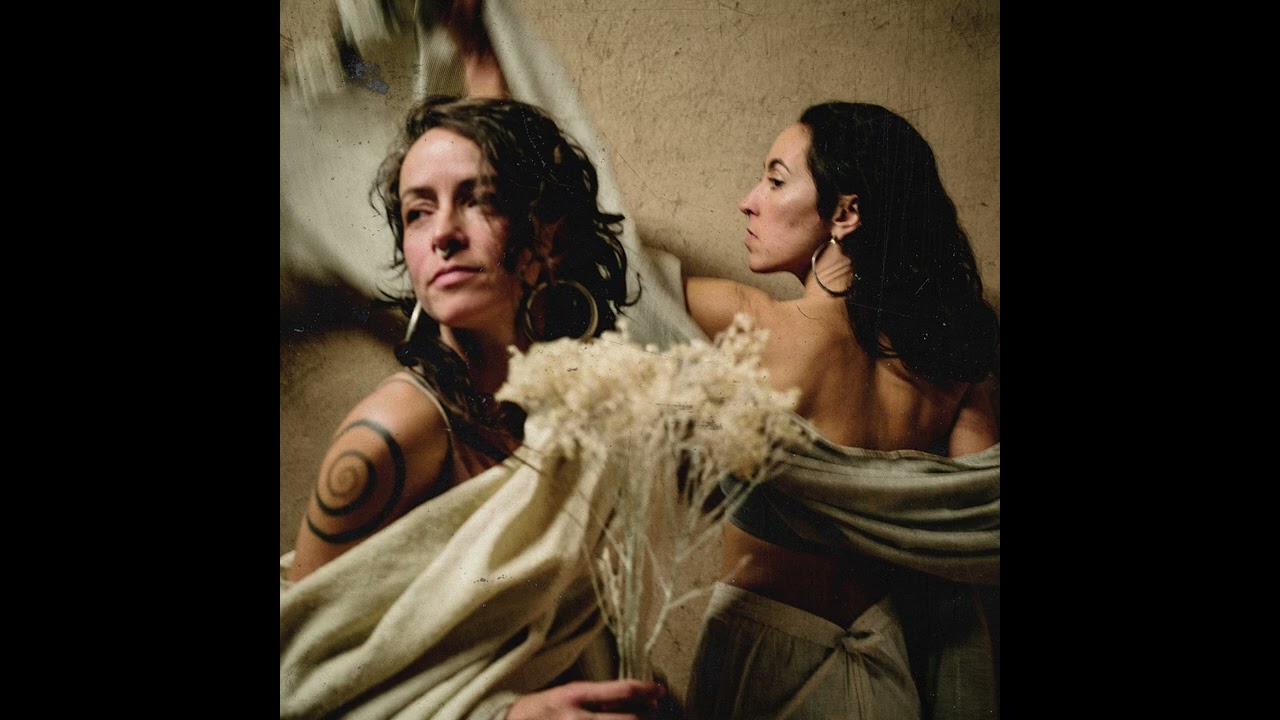
Professor Paramjeet Singh's Urdu poem "Woh Thaka Hua Meri Baahon Mein" (Tired, So What If in My Embrace) weaves together the imagery of physical exhaustion, spiritual rest, separation, and paradox—exploring how vulnerability and surrender form the foundation of intimate connection. Through the lens of a lover's arms as sanctuary, the poem uses water in the desert, torn pages from the heart, and the contrast between abundance and scarcity to examine how meaning and growth emerge from what appears broken or incomplete. This is not a poem about perfection or completion, but about the radical acceptance of tiredness, loss, and the capacity to rest in another's presence.
The central image of the poem—a person tired and falling asleep in the speaker's arms—establishes rest not as weakness but as surrender. In traditional Sufi philosophy, exhaustion is often a prerequisite for spiritual opening. When we are too tired to maintain our defenses, our resistance falls away. The speaker does not question or reject this tiredness; instead, the refrain "Woh Thaka Hua Meri Baahon Mein" (He is tired in my embrace) becomes an affirmation. The tiredness is not a problem to solve but a condition to shelter.
This distinction is crucial. Many philosophical and spiritual traditions treat rest as the opposite of action—a pause before resuming effort. But Professor Paramjeet Singh's poem suggests something deeper: rest as presence. The embrace does not cure the tiredness; it allows the tired one to simply be tired without shame or the burden of pretense. "Zara So Geya To Kya Hua" (So what if he fell asleep a little while?)—the speaker's acceptance is absolute. There is no expectation that sleep is failure or that rest must be earned.
The poem pivots toward more complex emotional terrain when the speaker invokes the image of the moon reflected on a flower's stem: "Abhi Meine Dekha Chand Ko, Kisi Shaakh-e-Gul Pe Jhukaa Hua" (I have seen the image of the moon lowered on a flower endowed stem). This is not the moon in the sky but the moon's reflection—a copy, an echo, a secondary manifestation. The flower stem bends beneath this reflected light, suggesting both the weight of beauty and the transience of what is reflected. What we perceive, what we hold, is never the original but always a refraction.
This prepares the reader for the devastating image that follows: a page torn from the book of the heart, blown away by wind. "Jise Le Gayi Thi Abhi Hawa, Tha Wo Warq Dil Ki Kitab Ka" (The one that was blown away was a page from the book of my heart). The heart is a book—a text of accumulated meaning and memory—and loss removes pages from it. Some portions are written in tears; others are erased by tears. The poem holds loss as both inscription and deletion, both the recording of grief and its obliteration. Nothing stays intact. Even our attempts to preserve meaning—through writing, through words—are subject to the very forces that compose the emotional landscape.
One of the poem's most striking movements appears in the final verse, which presents two images in stark juxtaposition. "Kayi Meel Rait Ko Cheer Kar Koyi Boond Phool Khila Gayi" (Slicing through the endless dryness of desert, one water drop blossomed a flower). Here is the miracle of irrigation—a single drop of water in a vast, parched landscape produces bloom. This is the logic of scarcity that generates value: the flower blooms precisely because the desert is dry.
But immediately the poem inverts this: "Koyi Per Pyass Se Mar Raha, Tha Nadi Ke Paas Khara Hua" (Yet a tree is dying parched, planted next to a gushing river). A tree stands beside abundance—a river flowing with water—and still dies of thirst. The proximity to the source of life does not guarantee access to it. This is not about the absence of resources but about disconnection, about standing in the presence of what we need while remaining unable to receive it.
These two images together express a spiritual truth: suffering is not always proportional to scarcity, and abundance does not guarantee flourishing. The world contains contradictions that cannot be resolved through effort alone. The tree beside the river does not bloom simply because we will it to. The drop in the desert does not nourish every thirsty root. The poem holds this fact without resentment and without false hope. It is an acceptance of the world's fundamental asymmetry.
Throughout the poem, Professor Paramjeet Singh employs the metaphor of writing—words, pages, books—to examine how we attempt to preserve meaning against the forces of dissolution. A page from the book of the heart is torn and blown away. Some of what was written is erased by the very medium that preserved it: tears both inscribe and wash away. This suggests a paradox at the heart of language itself. We write to preserve, but writing does not protect against loss; it may even accelerate it by making us aware of what is being lost.
In Sufi and mystical traditions more broadly, there is a recognition that the word, the concept, the written symbol is always a step removed from the thing itself. The moon reflected on the flower's stem is not the moon. The poem about love is not love itself. Yet it is through these reflections, these secondary manifestations, that we approach what cannot be directly grasped. Professor Paramjeet Singh does not lament this distance; he uses it as the substance of his meditation.
The poem's recurring refrain—the image of a tired person resting in an embrace—is an image of absolute vulnerability. To be tired is to be depleted, to have no resources left, to be without defense. To fall asleep in someone's arms is to entrust one's safety to another. The speaker's acceptance of this tiredness—the refusal to demand wakefulness, productivity, or continued vigilance—is an act of radical hospitality toward the beloved's exhaustion.
In many cultural narratives, love is portrayed as an energizing force, something that revives and restores. But Professor Paramjeet Singh's poem suggests a different vision: love as the space where tiredness can finally be lived without apology. This is not the romantic love that conquers obstacles or triumphs over adversity. It is the love that makes room for what is broken, incomplete, and worn down by living.
This vision extends to the other images in the poem—the torn page, the dying tree, the water drop in the desert. Each of these is incomplete, insufficient, or inadequate. Yet each is held within the poem's attention with a kind of tender regard. The poem does not try to fix these situations or offer consolation. It simply witnesses them, names them, and by doing so, makes them part of the landscape of what is being acknowledged and loved.
If you are moved by this poem, consider exploring more of Urdu Sufi poetry—works by poets like Mirza Ghalib, who also worked with paradox, loss, and the limits of language to express spiritual longing. You might also explore how other contemplative traditions use the body and physical rest as gateways to spiritual understanding; the concept of shavasana in yoga, for instance, parallels the poem's use of rest as a form of presence. Finally, reflect on your own relationship to tiredness, vulnerability, and the way you offer or receive rest in your relationships—the poem invites us not just to understand these themes intellectually but to feel them in our own embodied experience.