BrightStar

Browse All Events

Discover conscious gatherings

events

Yoga
Meditation
Breathwork
Qigong
Tai Chi
Sacred Music
World Music
Medicine Music
Sound Healing
Ecstatic Dance
Popular Destinations
BaliSedonaLos AngelesCosta RicaNew YorkSan FranciscoAustinMiamiJoshua TreeTulum
View All CategoriesView All Destinations

Explore All Features

Powerful tools to grow your events

Platform Features

Smart Dynamic Pricing
Ticket Categories
Assigned Seating
Abandoned Cart Recovery
Visitor Recovery
Donations & Sliding Scale
Affiliate Engine
Ticket Scanner
Coupon Codes
Custom Questions
Ticket Sharing
Upsells & Add-ons
Analytics & Reporting
Email Sequences
Waitlist / Notify / Remind
People & Places
Artists & TeachersEvent OrganizersVenues & StudiosKnowledge BaseGlossaryInspiration
View All FeaturesAbout Us
PricingBlog
Language
Saved events
Browse All Events

events

YogaMeditationBreathworkQigongTai ChiSacred MusicWorld MusicMedicine Music

Popular Destinations

BaliSedonaLos AngelesCosta RicaNew YorkSan Francisco

People & Places

Artists & TeachersEvent OrganizersVenues & StudiosKnowledge BaseGlossaryInspiration

Platform Features

Smart Dynamic PricingTicket CategoriesAssigned SeatingAbandoned Cart RecoveryVisitor RecoveryDonations & Sliding ScaleAffiliate EngineTicket ScannerCoupon CodesCustom QuestionsTicket SharingUpsells & Add-onsAnalytics & ReportingEmail SequencesWaitlist / Notify / Remind
View All FeaturesAbout Us
PricingBlog
Log inFind EventsHost Events
  • Browse All Events
  • For Seekers
  • Yoga
  • Meditation
  • Breathwork
  • Qigong
  • Tai Chi
  • Sacred Music
  • World Music
  • Medicine Music
  • Sound Healing
  • Ecstatic Dance
  • Retreats
  • Workshops
  • All Categories →
  • Bali
  • Sedona
  • Los Angeles
  • Costa Rica
  • Tulum
  • Byron Bay
  • San Francisco
  • Austin
  • New York
  • San Diego
  • Denver
  • Seattle
  • Portland
  • Miami
  • All Cities →
  • Be Found
  • Sell Globally
  • For Creators
  • For Teams
  • For Writers
  • For Teachers
  • For Kirtan Artists
  • For Studios
  • For Festivals
  • For Retreat Centers
  • For Nonprofits
  • Brand Ambassador
  • Case Studies
  • Free Ticketing
  • Elevate
  • Amplify
  • 500K+ Buyer Network
  • Abandoned Cart Recovery
  • Smart Dynamic Pricing
  • Ticket Categories
  • Recurring Events
  • Assigned Seating
  • Affiliate Engine
  • Waitlist / Notify
  • Ticket Scanner
  • Embed Widget
  • Event Syndication
  • Message Center
  • Integrations
  • Reports
  • All Features →
  • About
  • The Ecosystem
  • Blog
  • Glossary
  • Inspiration
  • Help Center
  • Contact
  • API Docs
  • Brand Assets
  • Careers
  • Press
  • Terms of Service
  • Privacy Policy

Events

  • Browse All Events
  • For Seekers
  • Yoga
  • Meditation
  • Breathwork
  • Qigong
  • Tai Chi
  • Sacred Music
  • World Music
  • Medicine Music
  • Sound Healing
  • Ecstatic Dance
  • Retreats
  • Workshops
  • All Categories →

Destinations

  • Bali
  • Sedona
  • Los Angeles
  • Costa Rica
  • Tulum
  • Byron Bay
  • San Francisco
  • Austin
  • New York
  • San Diego
  • Denver
  • Seattle
  • Portland
  • Miami
  • All Cities →

For Creators

  • Be Found
  • Sell Globally
  • For Creators
  • For Teams
  • For Writers
  • For Teachers
  • For Kirtan Artists
  • For Studios
  • For Festivals
  • For Retreat Centers
  • For Nonprofits
  • Brand Ambassador
  • Case Studies
  • Free Ticketing
  • Elevate
  • Amplify

Features

  • 500K+ Buyer Network
  • Abandoned Cart Recovery
  • Smart Dynamic Pricing
  • Ticket Categories
  • Recurring Events
  • Assigned Seating
  • Affiliate Engine
  • Waitlist / Notify
  • Ticket Scanner
  • Embed Widget
  • Event Syndication
  • Message Center
  • Integrations
  • Reports
  • All Features →

Company

  • About
  • The Ecosystem
  • Blog
  • Glossary
  • Inspiration
  • Help Center
  • Contact
  • API Docs
  • Brand Assets
  • Careers
  • Press
  • Terms of Service
  • Privacy Policy
BrightStar
© 2026 BrightStar. All rights reserved.
Inspiration

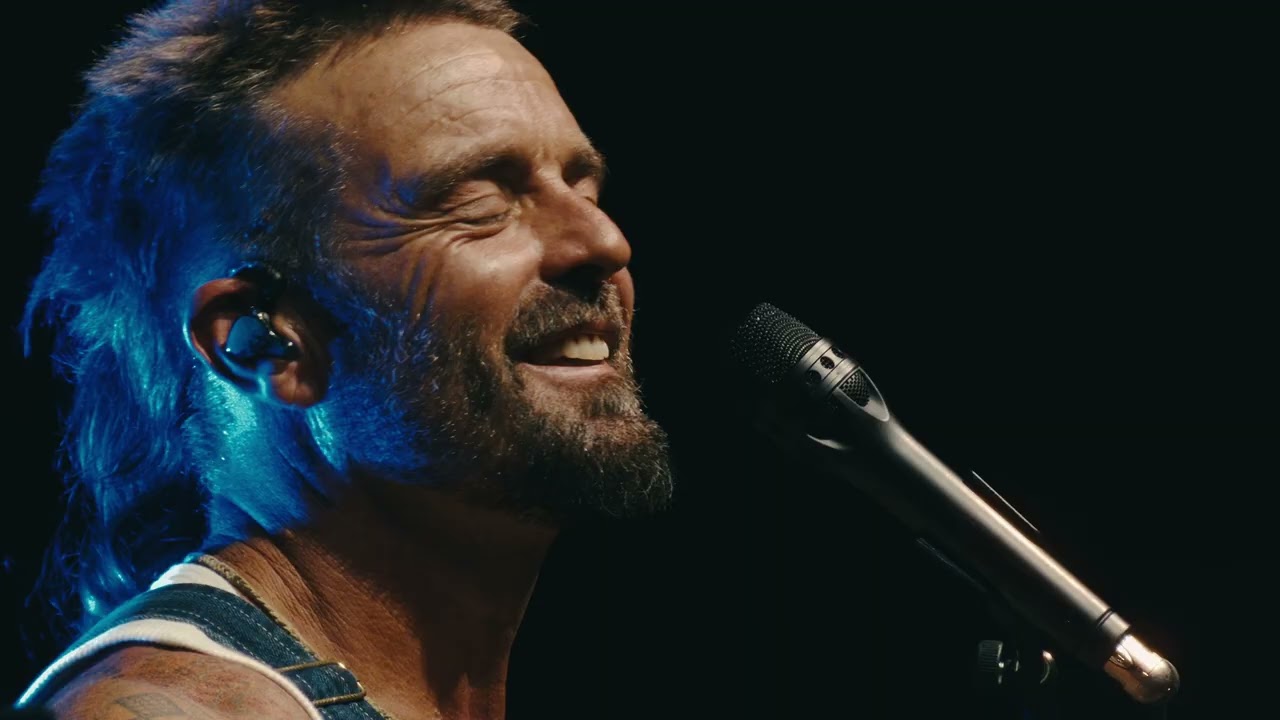
Storm Boy Live Performance:Indigenous Spirit and Reconciliation

Xavier Rudd
Xavier Rudd
Dec 9, 2024
10 min read

Xavier Rudd performs "Storm Boy" live at Ancienne Belgique in Brussels, a song that carries deep spiritual and environmental themes rooted in his relationship to Australian Aboriginal culture, the yidaki (didgeridoo) instrument, and a message about consumption, inner peace, and community resilience. The performance, recorded during his 2022 Jan Juc Moon tour in the post-COVID period, combines personal meditation with cultural responsibility, offering audiences a contemplative journey grounded in 60,000 years of Indigenous Australian wisdom and the ongoing work of reconciliation.

Read · 12 sections

What Is the Yidaki and Why Does Xavier Travel with It?

At the heart of Xavier Rudd's practice lies the yidaki, a ceremonial wind instrument from Northeast Arnhem Land in Australia's Northern Territory. As Rudd explains in his introduction, he was granted permission approximately 20 years ago by a descendant of the creation story to carry this sacred instrument around the world. This permission is not casual—it reflects a profound responsibility. The yidaki is not merely a musical tool but a vessel of spiritual lineage, connecting the player directly to 60,000 years or more of Indigenous Australian culture that has existed in complete harmony with the land and sea. By traveling with the yidaki and incorporating it into his live performances, Rudd honors that ancestral permission and carries the spirit of his homeland across continents, making each performance an act of cultural stewardship.

How Does "Storm Boy" Explore the Problem of Excess?

The opening verse of "Storm Boy" poses a direct philosophical question: "When will you learn that the more you take means the less that you'll have at the end of the day." This line cuts to the heart of modern consumption patterns and their spiritual and material consequences. Rudd is not merely critiquing greed in the abstract—he is diagnosing a fundamental misunderstanding of sufficiency. The song suggests that accumulation, the relentless drive to acquire more, actually creates scarcity and dissatisfaction. This teaching aligns with ancient wisdom traditions, including those embedded in Indigenous Australian culture, which emphasize reciprocal relationship with the land rather than extraction from it. In the context of a 60,000-year-old continuous culture that sustained itself through sustainable practices, Rudd's lyrical warning carries the weight of lived knowledge.

What Does Rudd Mean by "Stillness of the Mind" in the Song?

Following the critique of excess, "Storm Boy" identifies another central challenge: "Stillness of the mind seems so hard to embrace." Despite its simplicity, this line names one of the most persistent struggles in contemporary life—the inability to rest the mind, to stop the constant seeking and doing. Rudd acknowledges the difficulty without judgment; he does not claim that stillness is easy or that his own mind easily achieves it. Instead, he recognizes it as a practice worth pursuing. The song then pivots to a counter-proposal: "Freedom of the Heart Is What We crave." This suggests that mental quietude and emotional liberation are interconnected, and that true freedom comes not from external acquisition but from internal release. By placing these two lines in sequence, Rudd establishes that outer restraint (taking less) and inner quietude (stillness of mind) are mutually reinforcing paths toward the freedom the heart seeks.

Who Is Storm Boy and What Does He Represent?

The song references "like Mr P stor boy"—an allusion to Storm Boy, the protagonist of a classic Australian children's novel by Colin Thiele. In the book, Storm Boy lives a solitary, simple life on a remote beach, finding companionship with pelicans and the natural world rather than human society. By invoking this character, Rudd taps into a cultural archetype of the person who has chosen simplicity, closeness to nature, and freedom from societal pressure. Storm Boy in Rudd's lyric becomes a symbol of an alternative way of living, one that aligns with the song's earlier themes. The character watches the tide, sits by the river with tea, and moves at the pace of nature—embodying the stillness of mind and freedom of heart that Rudd advocates. When the song says "like Mr P stor boy you me cook a bar," it positions the listener as capable of living this way too, not as a distant fantasy but as a real possibility within reach.

What Is the Emotional Arc of the Song?

After establishing the problems (excess, mental restlessness) and the archetype (Storm Boy), the song shifts into personal narrative. "He's watched me grow through those rainy days and those rocky roads" suggests that the character of Storm Boy—or the way of life he represents—has been a steady presence during difficult times. The song then moves from reflection into celebration: "Now everybody Smiles in the Setting Sun and sides with contentment when the day is hand in hand with the one you love." This verse marks the moment when spiritual practice and simplicity have yielded their fruit—a life of contentment, connection, and ease. The repetition of "we're just living in this beautiful world" functions as both affirmation and meditation, a mantra that grounds the listener in the present moment and the beauty available right here, not in some future achievement.

What Cultural Responsibility Does Rudd Emphasize?

In his spoken introduction, Rudd emphasizes that when he travels with the yidaki and shares his music, he carries not only his personal artistry but also a responsibility to reconciliation. He notes that Australia has suffered colonization that "smashed" Indigenous culture, and that "there's a lot of good people in our country that are working from all different Bloodlines working together to rebuild build a culture." By explicitly dedicating "Storm Boy" "back to my homeland to all the elders the uncles and aunties brothers and sisters all the good people of our country still fighting the fight to keep culture alive in the eyes of Oppression," Rudd transforms the song from a personal meditation into a political and spiritual act. The performance becomes a bridge-building gesture, an affirmation of ongoing decolonial work, and a reminder that cultural survival is not passive—it requires active, intentional gathering and remembrance.

What Role Does the Yidaki Play in the Musical Arrangement?

While the transcript does not provide detailed instrumental breakdowns, the presence of the yidaki in this live performance carries significant weight. The instrument's ceremonial origins and its connection to the creation stories of Northeast Arnhem Land mean that when Rudd plays it, he is invoking not just a sound but a spiritual presence. The yidaki's drone-like tonal qualities and breathing techniques mirror the kinds of meditation practices that underpin the song's themes of stillness and presence. For audiences unfamiliar with the instrument, its appearance and sound introduce them to an Indigenous Australian cultural practice in an intimate, live setting—part of the educational and reconciliation work Rudd explicitly describes in his introduction.

How Does the Post-COVID Context Deepen the Song's Meaning?

Rudd recorded this performance in 2022 during his Jan Juc Moon tour, a period when the world was "coming out of COVID." In his written statement, he reflects on this timing as significant: "It was an interesting time in the world, coming out of COVID and coming together again to remember the importance of our basic freedoms and the power of community coming together as one." In this context, the song's emphasis on hand-in-hand connection, on gathering, and on simple contentment takes on added resonance. After months of isolation and loss, audiences were re-learning the basic freedom to be in the same room together. The repetitive affirmation "we're just living in this beautiful world" becomes a reclamation of life itself, a collective healing mantra. Rudd was "returning to performing solo again after many years playing with others and was locked into an intimate space with myself and my perception of the world at the time"—suggesting that "Storm Boy" served as a vehicle for his own re-entry into live performance and direct human connection.

What Is the Significance of Paying Respect to the Directions?

In the bridge section of the song, Rudd sings "pay respect to the north the South the west and the East pay respect to the spirit of this old country and freedom in the hearts of the young and braveful." The invocation of the four cardinal directions is a practice rooted in many Indigenous traditions worldwide, including Australian Aboriginal culture. By centering the song on this act of respect, Rudd anchors the performance to place—the specific "old country" of Australia—and to a spiritual framework that honors all directions and all beings. He also explicitly links respect to "freedom in the hearts of the young and braveful," positioning the next generation as carriers of this freedom and suggesting that cultural survival depends on young people's courage and commitment.

How Does Rudd Honor Those Who Sacrificed?

The song includes a verse dedicated to "the Journey of the diggers who gave their lives to the service and the government game so that we could dance together on this beautiful day." The "diggers" reference Australian soldiers, particularly those who served in World War I and beyond. By honoring their sacrifice in the context of this song about community, freedom, and simple contentment, Rudd locates the right to gather and celebrate within a lineage of struggle. He is not celebrating war, but he is acknowledging that the freedom to "dance together on this beautiful day" has been enabled by sacrifice. This verse broadens the song's scope beyond just Indigenous reconciliation to include all people who have given their lives in service of collective freedom and the nation.

What Is Meant by "When the Wind Seeps into My Bones"?

Near the end of the song, Rudd sings "when the wind seeps into my bats and I hear the cold from the north I will go I will go." The shift to this more mysterious, elemental language suggests a recognition that despite all efforts toward stillness and contentment, there is a call from the natural world itself—the wind, the cold, the north—that requires response. It is not a surrender or a defeat of the earlier message, but rather an acknowledgment that humans remain part of nature's rhythms and currents. When the conditions demand it ("when the wind seeps into my bones"), the only authentic response is to "go"—to move, to respond, to follow the pull of that larger force. This reflects the Indigenous worldview Rudd carries: humans are not separate from or in control of nature, but woven into it, responsive to it, part of its cycles.

Where to Go from Here

For listeners moved by "Storm Boy," several paths forward are available. First, explore Xavier Rudd's broader discography and live performances, which consistently weave together environmental advocacy, Indigenous reconciliation, and meditative musicianship. Second, deepen your own practice of stillness and presence through meditation, time by water, or simply slowing consumption patterns—all themes the song advocates. Third, learn more about Australian Aboriginal culture, the yidaki, and the ongoing reconciliation movement in Australia, recognizing that Rudd's art is inseparable from this larger struggle for justice and cultural continuity. Finally, consider the role of music and gathering as tools for healing and community renewal, particularly in post-crisis periods when people hunger to reconnect.
Comments

Loading the conversation…

Transcript

[0:00] when we travel uh we travel with respect

[0:04] um I play an instrument there um called

[0:08] the yidaki which comes from Northeast

[0:10] Aram land a ceremonial tour from up that

[0:13] way um very very special to the young

[0:15] old people and I was lucky enough to be

[0:18] given U permission to travel with that

[0:20] instrument around the world uh about 20

[0:23] years ago from one of the descendants of

[0:27] of the creation story and um it's a real

[0:29] honor to travel with that Spirit of our

[0:32] homeland we come from a place that has

[0:35] 60,000 years or more of of indigenous

[0:38] culture existing with the land and the

[0:40] sea in complete Harmony um for all that

[0:43] time it's a beautiful magical culture

[0:44] that all of us can learn from so when we

[0:47] travel and play music we like to share

[0:50] not only our culture but the spirit of

[0:53] reconciliation because there's a lot of

[0:54] good people in our country that are

[0:57] working from all different Bloodlines

[0:58] working together to rebuild build a

[1:00] culture that was smashed during

[1:03] colonization and we're rebuilding those

[1:05] bridges of reconciliation keeping that

[1:07] Spirit strong so I'd like to send this

[1:09] song back to my homeland to all the

[1:11] elders the uncles and aunties brothers

[1:13] and sisters all the good people of our

[1:15] country still fighting the fight to keep

[1:17] culture alive in the eyes of Oppression

[1:23] [Music]

[1:38] when will you learn that the more you

[1:41] take means the less that you'll have at

[1:44] the end of the day Stillness of the mind

[1:47] seems so hard to embrace freedom of the

[1:51] Heart Is What We crave and we sit by the

[1:54] river with a cup of tea watch the

[1:57] movement of the tide in the gentle Brea

[2:01] pic drifting slowly looking for a fe

[2:04] like Mr P stor boy you me cook a bar CR

[2:10] just like he knows and I'll call right

[2:13] back yes I'm home he's be with me he's

[2:18] watched me grow through those rainy days

[2:21] and those rocky roads now everybody

[2:25] Smiles in the Setting Sun and sides with

[2:28] contentment when the day is

[2:31] hand in hand with the one you love

[2:35] feeling blessed by the magic of the Moon

[2:38] above and we

[2:43] sing we're just living in this beautiful

[2:48] [Music]

[2:51] world we're just living in this

[2:53] beautiful world

[2:58] [Music]

[3:09] it's time for fire smoking leaves only

[3:14] mosquito repellent we need pay respect

[3:17] to the north the South the west and the

[3:20] East pay respect to the spirit of this

[3:23] old country and freedom in the hearts of

[3:26] the young and braveful no little of the

[3:29] Journey of the diggers who gave their

[3:32] lives to the service and the government

[3:35] game so that we could dance together on

[3:37] this beautiful day now everybody Smiles

[3:41] in the Setting Sun and sides with

[3:44] contentment when the day is done hand in

[3:48] hand with the one you love feeling

[3:51] blessed by the magic of the Moon above

[3:54] and we

[3:55] [Music]

[3:59] sing where just living in this beautiful

[4:06] world we're just Liv in this beautiful

[4:10] [Music]

[4:23] world when the wind seeps into my bats

[4:28] and I hear the cold

[4:30] from the north I will

[4:34] go I will

[4:39] go now everybody Smiles in the setting

[4:43] song and sides with contentment when the

[4:46] day is done hand in hand with the one

[4:50] you love feeling blessed by the magic of

[4:53] the Moon above and we sing sh

[5:01] we're just living in this beautiful

[5:05] [Music]

[5:07] world we're just living in this

[5:10] beautiful world let me hear

[5:13] [Music]

[5:28] you la la la we're just living in this

[5:33] beautiful world sh la

[5:38] la we're just living in this beautiful

[5:42] world

[5:44] [Applause]

Xavier Rudd
ArtistXavier Rudd

Australian musician and yoga teacher who weaves folk, blues, and world music with spiritual themes, championing environmental consciousness and connection to nature through soulful…

View profileWebsite
Explore Topics
Indigenous-cultureReconciliationStillness-mindEnvironmental-wisdomYidaki

Got Questions?

Frequently Asked Questions

The yidaki is a ceremonial wind instrument from Northeast Arnhem Land in Australia, sacred to Aboriginal culture. Rudd was given permission about 20 years ago by a descendant of the creation story to travel with it globally, honoring 60,000 years of Indigenous Australian culture and carrying the spirit of his homeland into his performances.
Storm Boy references the classic Australian character who lives simply by the beach, finding contentment in nature rather than society. In Rudd's song, he represents an alternative way of living aligned with simplicity, freedom from excess, and closeness to the natural world—showing that this way of life is possible, not just fantasy.
The song warns that taking more material goods actually results in having less—less peace, less contentment, less true wealth. It counters modern consumerism with Indigenous wisdom about sufficiency and sustainable living aligned with the land.
The Jan Juc Moon tour recordings captured a significant moment—coming out of COVID lockdowns when people were re-learning the importance of gathering, basic freedoms, and community. It was Rudd's return to solo live performance after years of playing with bands, reflecting his own intimate relationship with the world at that time.
Invoking north, south, west, and east is an Indigenous spiritual practice that honors all directions and anchors the song to place and ceremony. In this context, it connects Rudd's performance to Aboriginal traditions and emphasizes respect for the land itself.
Rudd dedicates the song to elders, uncles, aunties, and all people working to keep Indigenous culture alive despite colonization and ongoing oppression. By performing with the yidaki and spreading this message, he participates in active bridge-building and cultural survival.
The song suggests these are connected practices—restraining mental chatter and reducing the drive to consume external things allows the heart to experience true freedom. Inner quiet and emotional liberation reinforce each other, leading to the contentment the song celebrates.

Continue Reading

More from Xavier

View All
Music as Spirit Medicine: Touching Souls Through Sound
Inspire

Music as Spirit Medicine: Touching Souls Through Sound

Xavier Rudd explores how music serves as a bridge to the spirit world, allowing us to access realms beyond words and touch the souls of othe…

1 min read
Let Me Be: Finding Freedom in Acts of Humanity
Inspire

Let Me Be: Finding Freedom in Acts of Humanity

Xavier Rudd performs "Let Me Be," a song written after 9/11 to counter fear with joy, accompanied by 8000 Belgian fans in this live Forest N…

1 min read
Minimal Vocalization as Spiritual Practice: Power in Simplicity
Inspire

Minimal Vocalization as Spiritual Practice: Power in Simplicity

A brief live vocal interlude demonstrates how devotional sound—stripped to its essence—can invoke presence and transformation through pure r…

1 min read
Har Har Har Har Gobinday: Sacred Mantra in Song
Inspire

Har Har Har Har Gobinday: Sacred Mantra in Song

Snatam Kaur's rendition of "Har Har Har Har Gobinday" brings one of Sikhism's most potent mantras into devotional music. A gateway to healin…

1 min read

Keep exploring

Continue your journey

More wisdom and gatherings from across the BrightStar directory.

More Articles

Browse the full library of teachings, interviews, and guides.

Back to all articles →

Teachers & Artists

Explore the lineages, musicians, and guides of the conscious world.

Explore artists →

Find an Event

Kirtan, retreats, sound baths, breathwork, festivals — happening soon.

Browse events →