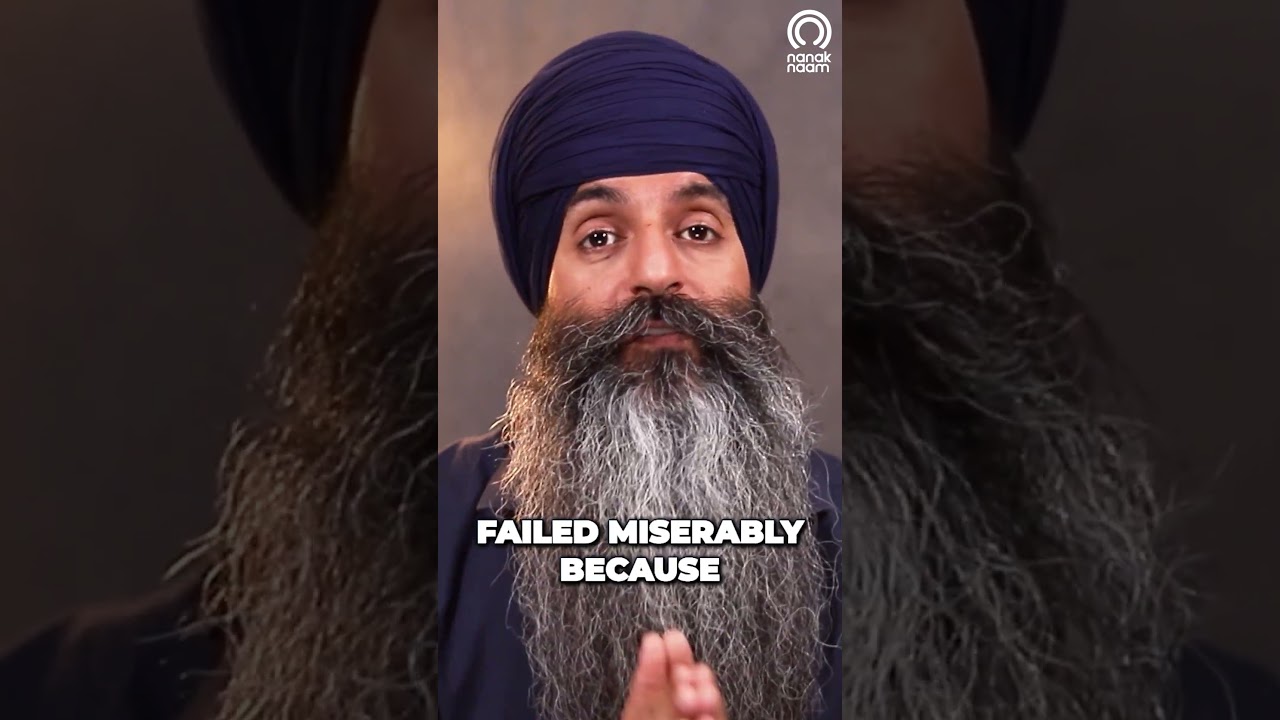
You cannot always control what happens in your life, but you can control your response to it. Psychoanalyst Carl Jung observed that "what you resist persists"—the very act of fighting against painful circumstances, loss, or trauma keeps you locked in mental anguish. By practicing acceptance and aligning with life's natural flow (what Guru Nanak calls hukam and Lao Tzu calls the Dao), you stop expending energy on resistance and instead tap into a source of peace, balance, and healing. This isn't passive resignation; it's an active practice of surrendering to what is, so you can move forward without the weight of denial.
Why Your Mind Resists Reality (And Why That Makes Pain Worse)
When something difficult happens—the loss of a loved one, a career collapse, health crisis, or old trauma—the mind's first instinct is to push back. You create a story: this shouldn't have happened, life wasn't supposed to go this way. This resistance is so automatic that most people never recognize it as a choice they're making. Instead, they live it out as complaining, avoiding, trying to run away, or protesting the situation in various forms (0s–93s).
Nanak Naam's Sethball explains: "The longer that we hold on to the pain, the more it ends up hurting us." The problem isn't the original event—it's the ongoing mental rejection of it. You can't change what already happened, but you can stop re-injuring yourself every time you mentally resist the fact that it did.
What Does Carl Jung Mean by "What You Resist Persists"?
Carl Jung's insight captures why willpower alone doesn't dissolve emotional pain. When you tell yourself "just let go" or "I shouldn't think about this," you're actually putting energy into fighting the thought or memory. You're resisting. And paradoxically, resistance keeps the thing you're trying to release front and center in your mind (109s–133s).
The practice isn't to force yourself to let go. Instead, Sethball asks: "What am I not accepting right now? What part of reality am I resisting?" Once you notice that resisting is something you're actively doing, you realize that not resisting is also a skill you can practice and learn. It's a reframe: you're not broken for feeling the pain; you're just practicing a habit (resistance) that you can gradually replace with another habit (acceptance).
The Universe Isn't Against You—You're Fighting the Universe
When life feels unbearable, it's common to feel that the whole universe is conspiring against you. But Sethball invites a different perspective: "The universe isn't against me. It's normally me that's fighting against the universe" (137s–149s).
He uses the metaphor of a fish swimming upstream, exhausting itself to move against the current. No matter how hard the fish tries, it cannot change the direction of the river. In the same way, there are circumstances and people you simply cannot change. The energy you spend resisting them is energy wasted; it doesn't alter the reality, only your suffering.
Learning to Flow Like Water, Not Fight Like a Fish
Rather than being like the fish that fights the current, Sethball suggests becoming like the water itself—the river that flows down the easiest path, taking the path of least resistance (149s–184s). This principle is called hukam in Guru Nanak's teachings, the Dao in Lao Tzu's philosophy. Different names, same universal force: the natural flow of life.
No one is above or outside this force of nature. Everyone operates within it. The mind's only task is to learn to live in unison and harmony with the flow. This means accepting that sometimes things will happen outside your control, and you face a choice: resist it (creating inner conflict and pain) or go with it (creating alignment and peace).
Guru Nanak teaches that the most meaningful and fruitful life is one that learns to live in acceptance—a total surrender to the universe (222s–229s). This isn't defeat; it's alignment.
How to Practice Acceptance: A One-Day Challenge
Acceptance is not something you understand once and then have forever. It's a practice, like learning to play an instrument. Sethball offers a practical mantra to live by: "I don't mind what happens. If it comes, let it come. If it goes, let it go" (233s–243s).
He challenges viewers to try a one-day experiment: live in total acceptance for 24 hours. No resisting whatever happens. No complaining when things don't go your way. No getting agitated or frustrated. Just total surrender to the flow of life (246s–265s). This isn't about being a doormat or accepting injustice; it's about ending the internal war with reality so you can respond from a place of clarity and peace rather than reactivity and pain.
The Link Between Acceptance and Mental Well-Being
Sethball found in his own life that "having the tools to bring me back to peace have been the most helpful in allowing me to heal and take the emotional pain away" (43s–53s). Acceptance is one of those tools. When you stop fighting reality, you free up mental and emotional energy that was bound up in resistance. That energy can now go toward genuine healing, growth, and forward movement.
The practice works because you're no longer divided against yourself. Your conscious mind stops saying "this shouldn't be" while your body and nervous system are locked in the stress of that very thing happening. Acceptance creates coherence: your mind, body, and circumstances align, which Sethball describes as "balance and harmony."
Where to Go From Here
Start by noticing resistance in your own life. When you feel pain, frustration, or mental anguish, pause and ask yourself: "What am I not accepting right now?" Don't judge yourself for resisting; just observe it with curiosity. Then, as a micro-practice, try the mantra: "I don't mind what happens." Repeat it when things don't go as planned. Over time, this shifts from an intellectual idea to a lived experience. If you want deeper support, Nanak Naam offers guided meditations and courses on how to cultivate this acceptance through meditation and Guru Nanak's spiritual teachings on the wisdom of oneness.