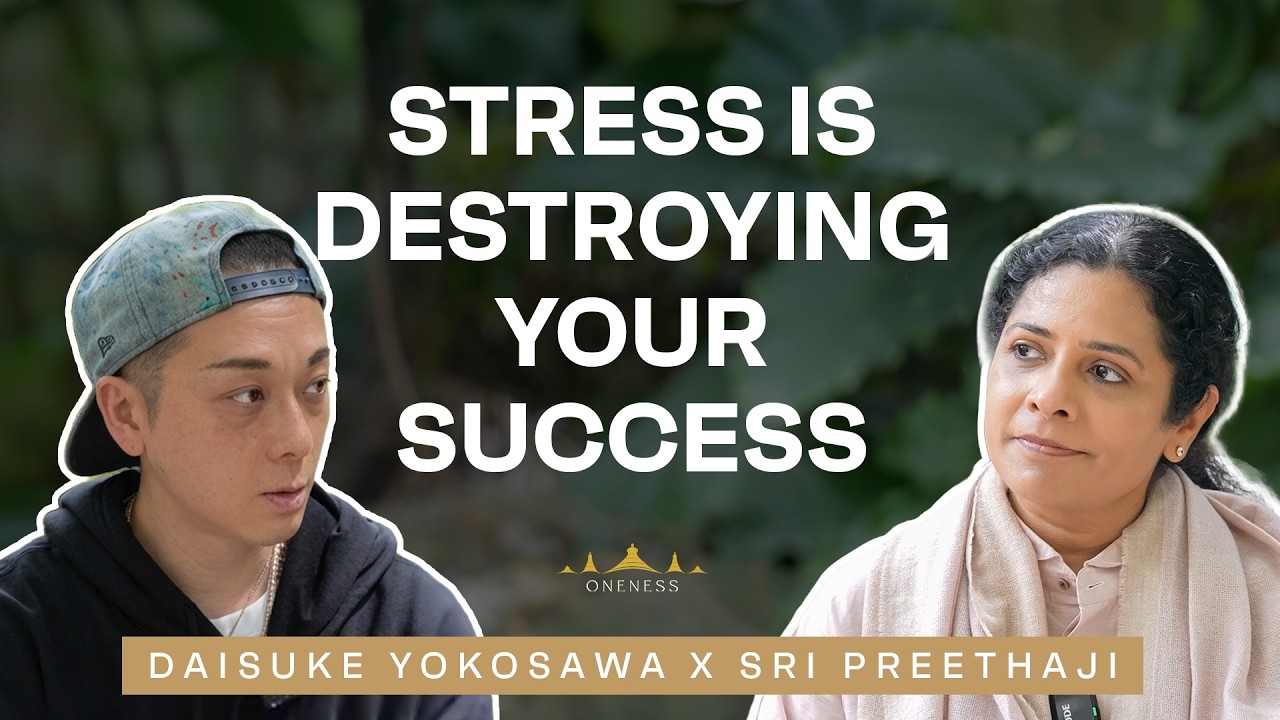
Staying calm during chaos requires a fundamental shift in how you relate to problems. Rather than indulging in stress—allowing it to consume your thoughts and emotions—you must learn to engage with difficulties by detaching from the emotional charge and actively seeking solutions. This distinction between indulgence and engagement is the key to maintaining composure, thinking clearly, and moving toward resolution even in highly hectic circumstances.
What Does It Mean to Indulge in Stress Versus Engage With It?
Most people confuse emotional involvement with productive action. When problems arise, the typical response is to become mentally and emotionally entangled in worry, frustration, or anxiety. This is indulgence—the tendency to let stress dominate your inner state, feeding the emotional reaction rather than channeling energy toward solutions.
Engagement, by contrast, means acknowledging the problem while maintaining emotional distance from it. You recognize the difficulty exists, but you refuse to let it hijack your mental clarity. Engagement is active, solution-oriented, and grounded in the present moment. Instead of spiraling in worry, you ask: "What can I actually do about this right now?"
The teaching emphasizes that this shift is learnable. It is not about pretending problems don't matter or adopting toxic positivity. Rather, it is about training your mind to distinguish between legitimate problem-solving and unproductive rumination. When you indulge, you multiply the suffering. When you engage, you contain it and move through it.
How Does Detachment From Stress Lead to Clarity?
Detachment does not mean apathy or disconnection. In this context, detachment means creating psychological space between yourself and the reactive pattern. When chaos erupts—whether it's a work crisis, a relationship conflict, or a health concern—the mind typically fuses with the problem. You become the problem, and the problem becomes you.
By detaching, you observe the situation as something occurring around you and to you, but not fundamentally *as* you. This subtle shift in perspective allows several things to happen simultaneously:
- Your nervous system settles. When you step back from full emotional identification, your body registers less threat and produces fewer stress hormones.
- Your prefrontal cortex stays online. The thinking, strategic part of your brain remains available instead of being hijacked by your amygdala's panic response.
- You access resourcefulness. Creativity and problem-solving require a baseline of mental calm. Panic closes these pathways; detachment opens them.
- You respond instead of react. In a detached state, you can choose how to move forward rather than being driven by automatic emotional patterns.
The teaching suggests that the chaos itself is neutral—it is the quality of your engagement with it that determines the outcome. Life will always have problems. The person who remains calm and clear within that chaos is the person who finds solutions first.
What Is the Relationship Between Composure and Success?
Success does not come from perfect circumstances. It comes from the ability to maintain clarity and direction when circumstances are messy. When you shift from indulgence to engagement, you are essentially choosing to bet on your own resourcefulness rather than on the problem going away.
Hectic life is a constant. There will always be obstacles, deadlines, conflicts, and uncertainties. The question is not whether chaos will arise—it will. The question is whether you will meet it with a scattered, reactive mind or with a focused, intentional one.
When you refuse to indulge in stress, several things naturally follow:
- You make better decisions because you have more mental bandwidth available.
- You model calmness to others around you, which tends to settle their nervous systems too.
- You see more options because panic narrows vision while clarity expands it.
- You preserve your own energy instead of burning it on emotional loops.
- You move toward solutions faster because you are not stuck in complaint or resistance.
The teaching implies that success in any domain—work, relationships, health, personal growth—depends less on circumstance and more on the quality of presence you bring to difficulty. This is why some people thrive through chaos while others fall apart. The difference is not luck or intelligence alone; it is the ability to engage without indulging.
How Can You Practice This Shift in Daily Life?
The distinction between indulgence and engagement is theoretical until you practice it. Here are concrete ways to apply this teaching when problems arise:
Pause before reacting. The moment you notice stress rising—tension in your chest, racing thoughts, the impulse to act out of panic—introduce a brief pause. Even three conscious breaths create space between stimulus and response.
Name the problem without becoming it. Instead of saying "I am stressed" or "This is a disaster," describe it externally: "There is a problem that needs attention" or "This situation requires a solution." Language shapes perception. By speaking about the problem rather than as the problem, you create psychological distance.
Ask what engagement looks like right now. Once you have paused, ask yourself: "What is the actual next step I can take?" Not what should have happened, not what could go wrong, but what one thing can I do now? This anchors you in actionable reality.
Distinguish between solving and worrying. Notice when you shift from problem-solving mode into worry loops. Worry rehashes the same thoughts without moving toward solutions. Solving identifies specific actions. When you catch yourself worrying, redirect: "Am I solving or spinning?"
Notice your body as feedback. Indulgence typically feels like contraction—clenching, holding, bracing. Engagement typically feels like openness and readiness, even in difficulty. Your body can be a biofeedback system that tells you which mode you are in.
Return to the present moment. Stress lives in the future (what if?) or the past (if only). Engagement lives here. When chaos is high, deliberately ground yourself in what is actually happening now: what you can see, hear, sense, and do in this moment.
Why Does This Teaching Matter for Modern Life?
In contemporary culture, stress is treated as inevitable and indulgence in it as normal. People wear their busyness and anxiety as badges. The teaching challenges this assumption by suggesting that while stress is inevitable, the way we relate to it is entirely within our control.
Chronic indulgence in stress—living in a constant state of reactivity and worry—erodes health, damages relationships, and ironically makes you less capable of solving problems effectively. It is a vicious loop. The teaching breaks the loop by offering a simple but profound distinction: you can acknowledge difficulty without fusing with it.
This is not about becoming emotionally numb or detached from life. It is about becoming skillfully engaged—present, clear, and directed toward what matters. In a world that constantly pulls you toward reactivity, that skill is increasingly valuable.
Where to go from here
Start by observing yourself over the next week. When faced with a problem—small or large—notice whether you are indulging in stress or engaging with the situation. This awareness alone begins to shift the pattern. You cannot change what you do not see.
Practice one of the concrete techniques above—the pause, the reframing, the body check—in a real situation and notice what happens. The shift from indulgence to engagement is not instantaneous, but it is accessible with practice. Each time you choose clarity over reactivity, you are rewiring your default response to chaos.
Finally, recognize that this is not a personal failing if chaos unsettles you. The human nervous system is wired to react to threat. What the teaching offers is not immunity to stress, but mastery of your relationship to it—the difference between being swept away and standing firm in the current.