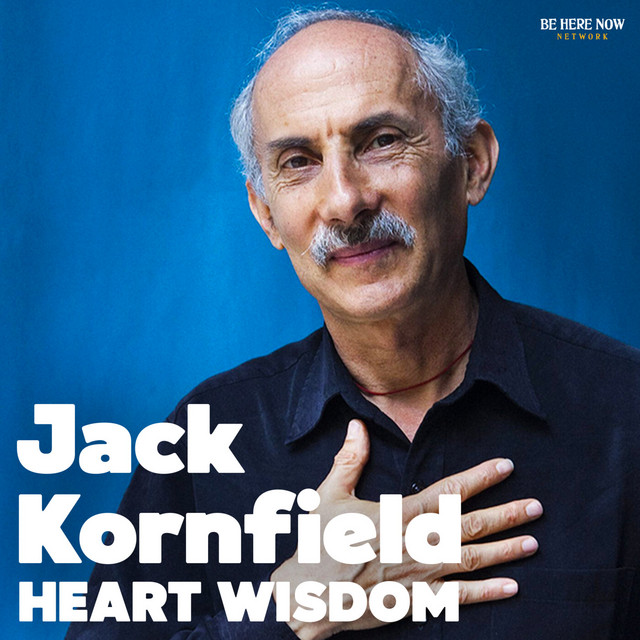
Jack Kornfield presents a paradox central to mature spiritual practice: the simultaneous recognition of your true divine nature alongside the acceptance of the particular social, professional, and relational role you occupy in this incarnation. Rather than transcendence as escape from identity, Kornfield frames spiritual maturity as the ability to hold both—the infinite and the personal—without reducing one to the other. The metaphor of "central casting" (the Hollywood casting system) captures how we arrive in specific circumstances and relationships not by accident, but as part of a larger pattern to work with consciously.
What Does "Central Casting" Mean in Spiritual Practice?
Kornfield uses "central casting" as a poetic metaphor for the way life circumstances, roles, and relationships are arranged—not randomly, but as part of what might be called karma, dharma, or simply the unfolding of cause and effect. Just as an actor receives a role from a casting director, you have received a particular life: a specific body, family, talents, wounds, and social position. The spiritual task is not to reject this arrangement as illusion, but to recognize it as your actual curriculum.
This reframes a common spiritual pitfall: the belief that recognizing your "true nature" means transcending or dismissing your particular identity. Kornfield suggests the opposite. Mature spiritual practice requires honoring both the infinite divine nature available to awareness and the finite, specific role you've been given to play. Your job, your relationships, your cultural identity, your social security number—these are not obstacles to enlightenment but the very ground where spiritual work happens.
How Does Spiritual Practice Integrate Divine Nature and Personal Identity?
The teaching hinges on a both/and rather than either/or orientation. Kornfield points out that remembering your true divine nature is indeed central to spiritual practice—that dimension of consciousness that is boundless, unborn, untouched by suffering. But spiritual maturity does not mean living permanently in that recognition while ignoring the personal dimension. Instead, it involves developing a consciousness spacious enough to hold awareness of transcendence and full presence in your particular role.
This has practical implications. If you are a parent, a teacher, a healer, or a community member, those roles carry real responsibilities. Spiritual awakening does not absolve you of showing up fully in those roles. In fact, it demands more, not less. An enlightened parent is not one who has transcended parenting, but one who brings full consciousness, compassion, and presence to their children. A spiritual teacher who forgets their social security number and financial obligations has not transcended identity; they have simply become irresponsible.
Kornfield's framing suggests that the traditional spiritual suspicion of the personal—the idea that ego and identity are merely illusions to be dissolved—can lead to spiritual bypassing. Yes, there is a dimension of consciousness that transcends all identity. But there is also the realm of relationship, responsibility, and the particular gifts you are meant to bring into the world. Both are real, both matter, and mature practice involves developing facility with both.
What Is the Relationship Between Ram Dass and This Teaching?
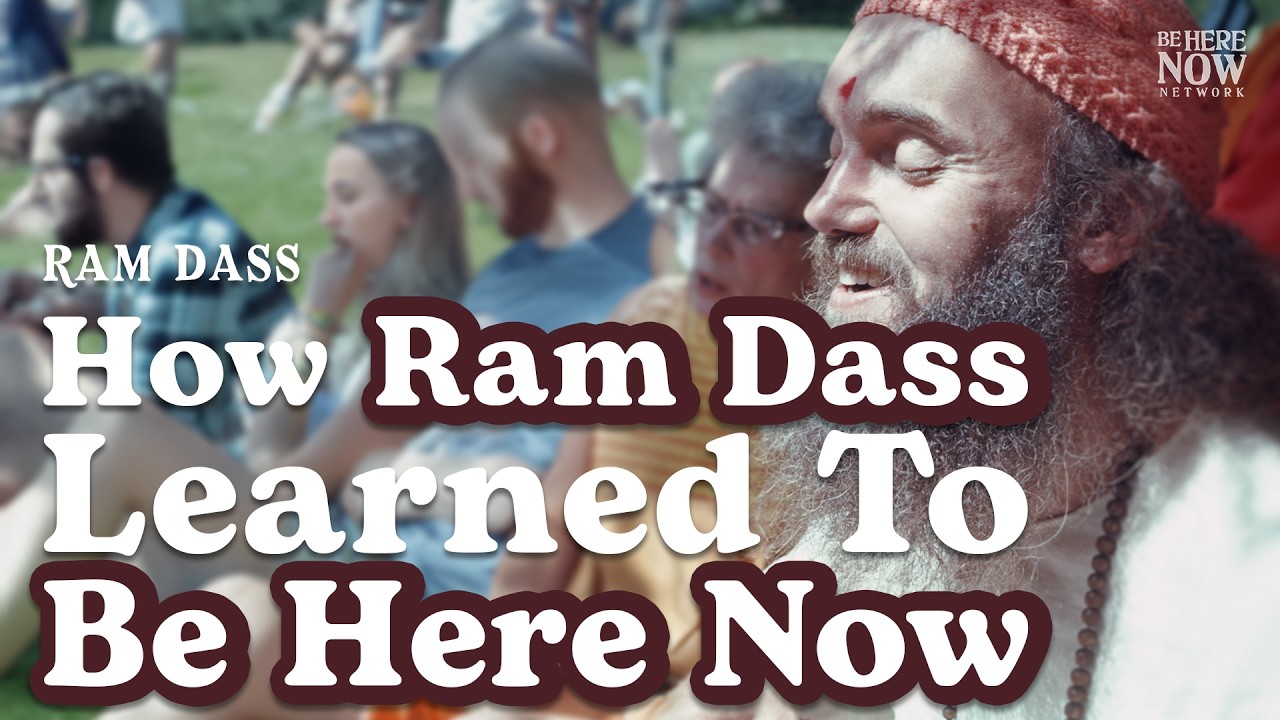
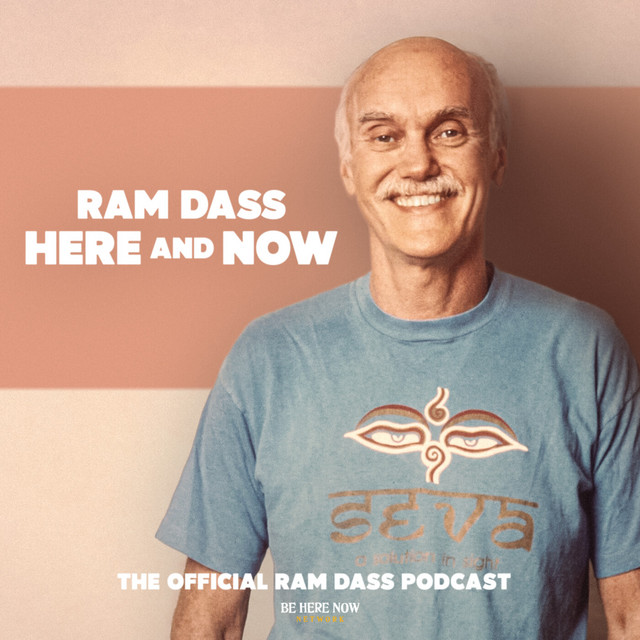
The video title references Ram Dass, one of the most influential figures in bringing Eastern spiritual practice to the West. Ram Dass (formerly Richard Alpert) embodied this exact tension: a Harvard psychologist who underwent a radical spiritual awakening, became a renunciate in India, and then returned to the West to teach, marry, parent, build institutions, and work with communities. Rather than remaining in ashram withdrawal, Ram Dass deliberately re-engaged with his particular role and relationships as vehicles for service.
Kornfield's teaching about "central casting" may be understood partly as a reflection on Ram Dass's example. Ram Dass did not erase his American identity, his psychological background, or his capacity for relationship when he awakened spiritually. Instead, he integrated these aspects of his particular role into his spiritual service. He became more effective, not less, by maintaining facility with both the transcendent insights he had received and the specific cultural and psychological context of his students.
How Can You Apply This in Daily Life?
The practical implication is straightforward: stop treating your particular identity and circumstances as obstacles to spiritual practice. Your job, your relationships, your unique combination of talents and limitations—these are not distractions from the "real" spiritual work. They are the spiritual work.
This means:
- Take your role seriously. Whether you are an accountant, a parent, an artist, or a community organizer, bring full presence and integrity to what you do. This is not compromising your spirituality; it is expressing it.
- Integrate rather than transcend. The goal is not to escape your social identity but to hold it lightly while remaining fully responsible. You can simultaneously recognize the constructed nature of your personality and treat your relationships and duties with genuine care.
- Honor the particular. Universal spiritual truths are vital, but they are realized through the particular. Your specific challenges, relationships, and gifts are not generic. They are the precise curriculum suited to your growth and service.
- Avoid spiritual bypass. Using spiritual language or experiences to avoid personal responsibility, financial obligations, or relational depth is a common pitfall. Kornfield's teaching suggests this is a misunderstanding of what awakening actually means.
Where to Go from Here
To deepen this exploration, consider how you might be compartmentalizing your life—treating your "spiritual self" as separate from your professional, familial, or creative self. Notice where you might be using spiritual concepts to avoid fully showing up in your particular role. Kornfield's central insight is that the transcendent and the particular are not in conflict but in creative tension, and maturity involves developing the capacity to honor both.
Engage more deeply with Jack Kornfield's full teachings on the Heart Wisdom Podcast and through his books, which consistently model this integration of psychological insight, practical wisdom, and genuine spiritual depth. Explore how Ram Dass, despite his radical spiritual journey, continually returned to the question of how awakening manifests in relationship, service, and the specific circumstances of an incarnate life.