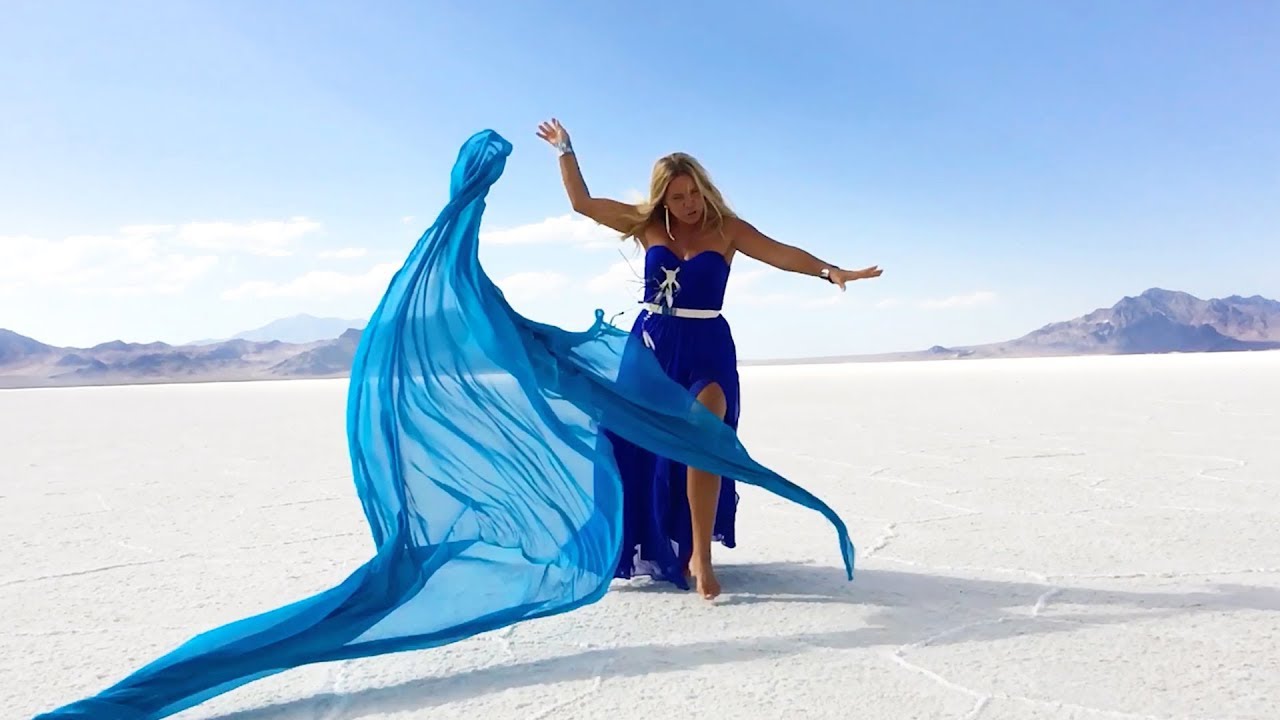
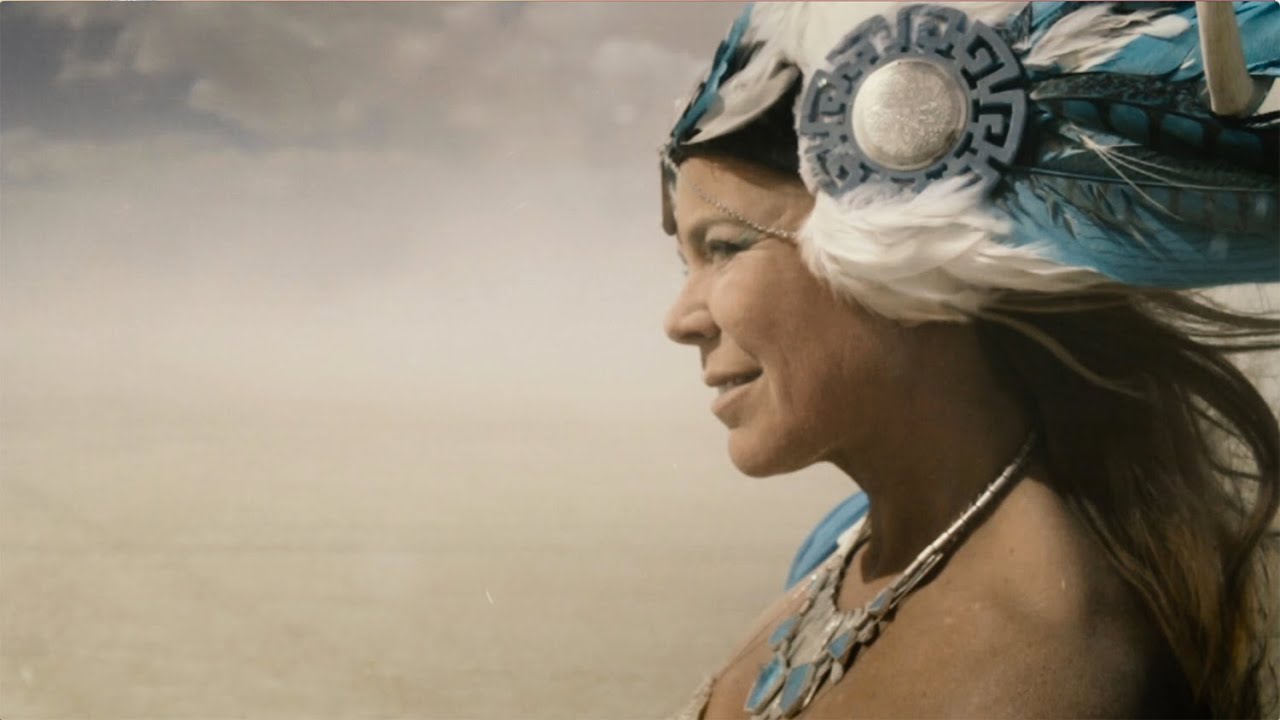
Deya Dova shares a live spontaneous singing performance recorded at the Ring of Brodgar, an ancient Neolithic stone circle on Orkney Islands, Scotland. The piece explores how sacred geometry and earth energy grid points create containers for human voice and consciousness to attune with planetary forces. Brodgar sits at a UVG Planetary Grid Point intersection, described as an axis mundi where heaven and earth meet through the body. The song emerges from a 7-year journey recording at 44 planetary grid locations, investigating how standing stones, ceremonial sites, and natural landscapes hold and amplify the resonance of human sound.
What Are Ancient Stone Circles as Sacred Containers?
The Ring of Brodgar is not a random arrangement of rock. It exists as a carefully mapped ceremonial vessel—a Neolithic design that held specific cosmological knowledge. According to Dova, the stones themselves represent human understanding of humanity's place within a greater order. The site is described as an axis mundi, the sacred center where the above and below converge. This is not metaphor alone; the region around Brodgar is a colossal prehistoric ritual complex interwoven with stone temples, chambered cairns, sentinel stones, and multiple stone circles, all aligned in relationship with what Dova calls "the grand procession of Nature."
When Dova stands within the Ring of Brodgar to sing, she is not performing in an empty field. She is positioned within a structure that was designed—likely over centuries—to function as a container for ceremony, gatherings, and direct human contact with what practitioners recognize as earth energy. The life force energy in the sacred ring is described as "breathtaking," suggesting that those who enter such spaces experience something tangible in their bodies and nervous systems, not simply imagination.
How Do Earth Energy Grid Points Shape Sound and Consciousness?
The Ring of Brodgar sits at UVG Planetary Grid Point 11—a point of intersection along what are called leylines, or energetic lines flowing through the Earth's surface. This positioning is central to understanding why Dova chose to record there as part of her Planetary Grid Music Journey. Over seven years, she traveled to 44 locations across the globe, each selected because they mark confluences of planetary energy.
The hypothesis underlying this work is that the Earth itself has a kind of circulatory or energetic system, and that certain locations amplify the relationship between human consciousness and planetary life force. When singing at such a point, a musician is not simply making sound in a geographic location—they are resonating within a field that carries particular qualities or frequencies. Dova describes the experience as "listening to the leylines of the land inside the huge Neolithic stone circle." This listening is not merely auditory. It involves the whole sensory and energetic body.
What Is the Connection Between Voice, Body, and Planetary Awakening?
In the description of her experience at Brodgar, Dova articulates a specific understanding of why voice and song matter during this moment in time. She writes: "Now is the time to re-atone with our spiritual nature. Now is the time to re-a-tune with our natural environment." The wordplay between "atone" and "a-tune" is deliberate. To atone suggests both reconciliation and a restoration of harmonic alignment. The human body, in this framing, is an instrument that can be tuned—like a musical instrument—to frequencies both spiritual and natural.
The song, when performed at a sacred site, becomes an act of environmental attunement. Dova describes the sound as like breath moving "over the embers of a fire, over the seeds lying dormant in the Earth." This suggests the voice functions as an activating force—not through will or intention alone, but through resonance. Seeds are dormant; the voice is fire. When the two meet in a resonant container, something dormant has the possibility of awakening.
How Does the Body Function as an Axis Mundi?
A key phrase in Dova's reflection is "Here in the axis mundi where Heaven and Earth meet through biological body and flesh." The standing stones create an outer axis mundi—a spatial container where worlds meet. But the axis mundi is not only external; it also runs through the body itself. The spine, in many mystical traditions, is understood as a vertical axis through which celestial and earthly forces flow. The body is not separate from the land or the stones; it is another form of the same axis, another point of meeting between heaven and earth.
When Dova sings, her body becomes a conduit. She describes feeling "the original teachings of Fire" and being "filled with a sense of a noble presence, upright and sovereign." This upright, sovereign presence is the embodied axis—a human standing vertical, aligned with the direction of gravity and light, capable of channeling forces larger than the individual self. The spontaneous nature of the song—that it emerges live, in the moment—suggests that Dova is not imposing a melody but rather allowing the voice to move through her as a channel for something already present in the land.
What Does It Mean to Sing as a Witness Rather Than a Performer?
Dova's statement—"All I can do is move out of the way to let the song be sung"—describes a specific relationship to the act of singing. This is not performance in the conventional sense, where the singer owns the song or demonstrates technique. Instead, it is a witnessing, a allowing, a channel. The singer becomes a medium through which the place sings itself.
This distinction matters because it changes what the voice is doing and why. A performer with an audience relationship aims to impress, communicate, or entertain. A channel or witness aims to be transparent—to let something move through the body without obstruction. Dova describes experiencing "a sense of urgent planetary awakening" while singing. This urgency may not be her individual urgency; it may be the urgency of the place, the moment, the Earth itself, expressed through her voice.
How Does the Ring of Brodgar Exist Within a Larger Ceremonial Landscape?
Orkney is not simply home to one stone circle. The region is described as a "colossal prehistoric ritual complex" with stone temples, chambered cairns, sentinel stones, and multiple circles, all aligned and interwoven with nature's patterns. This suggests that the ancients understood the land itself as a text—a landscape that could be read, inhabited, and engaged through placement of stone and ceremony.
To sing at Brodgar is thus to sing within a larger conversation that has been ongoing for thousands of years. The stones are not isolated monuments but nodes in a network of meaning-making. They mark the places where community gathered, where rituals occurred, where humans attempted to articulate their understanding of cosmos, cycles, and the sacred. When Dova sings there, she is adding her voice to a chorus that extends across time.
Where to Go from Here
For those interested in exploring this work further, Deya Dova's Planetary Grid Music Collection documents 44 locations where she has recorded spontaneously, creating a global map of sacred resonance. The full album project, of which "Ring of the Old Lore" is one track, can be found through her website and the Planetary Grid Project. Listeners may also explore the history and archaeology of the Ring of Brodgar and the broader Orkney Islands ceremonial complex to understand the physical and cultural context of the site. For those drawn to the practice itself—singing as a form of attunement to place and planetary energy—the model offered here suggests that any sacred site, whether ancient stone circle or beloved natural landscape, can become a container for such resonant practice.