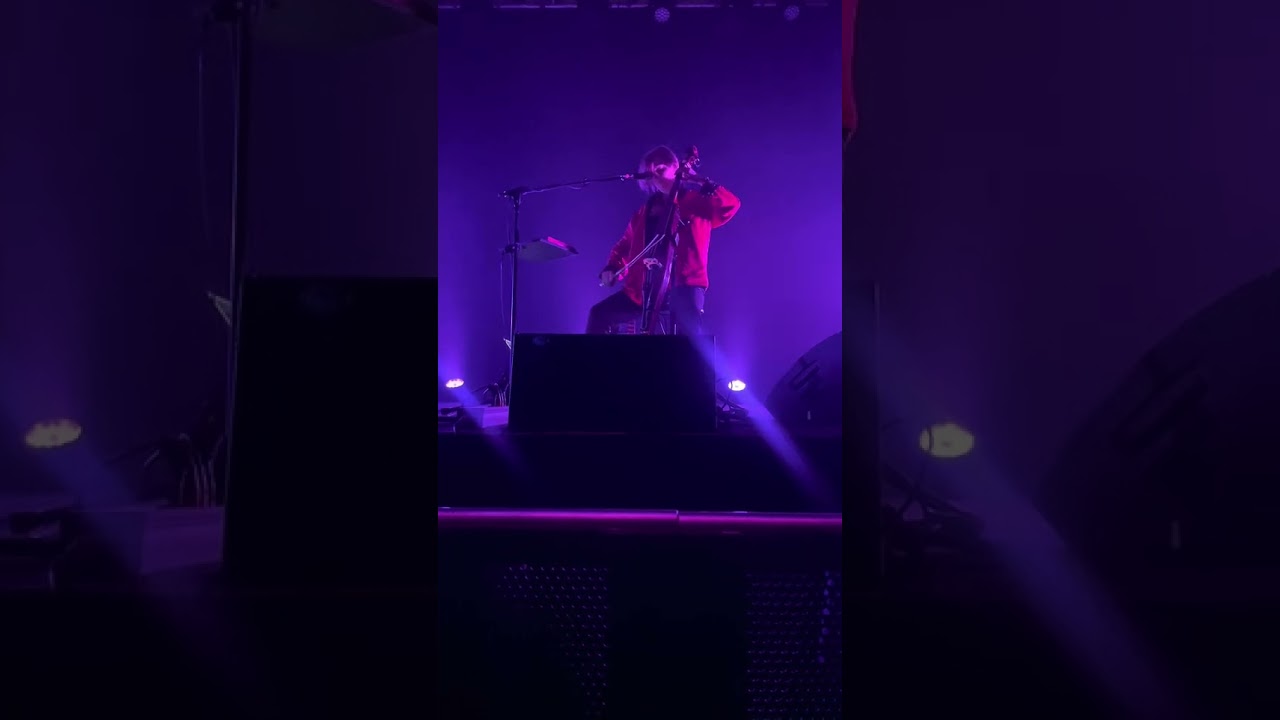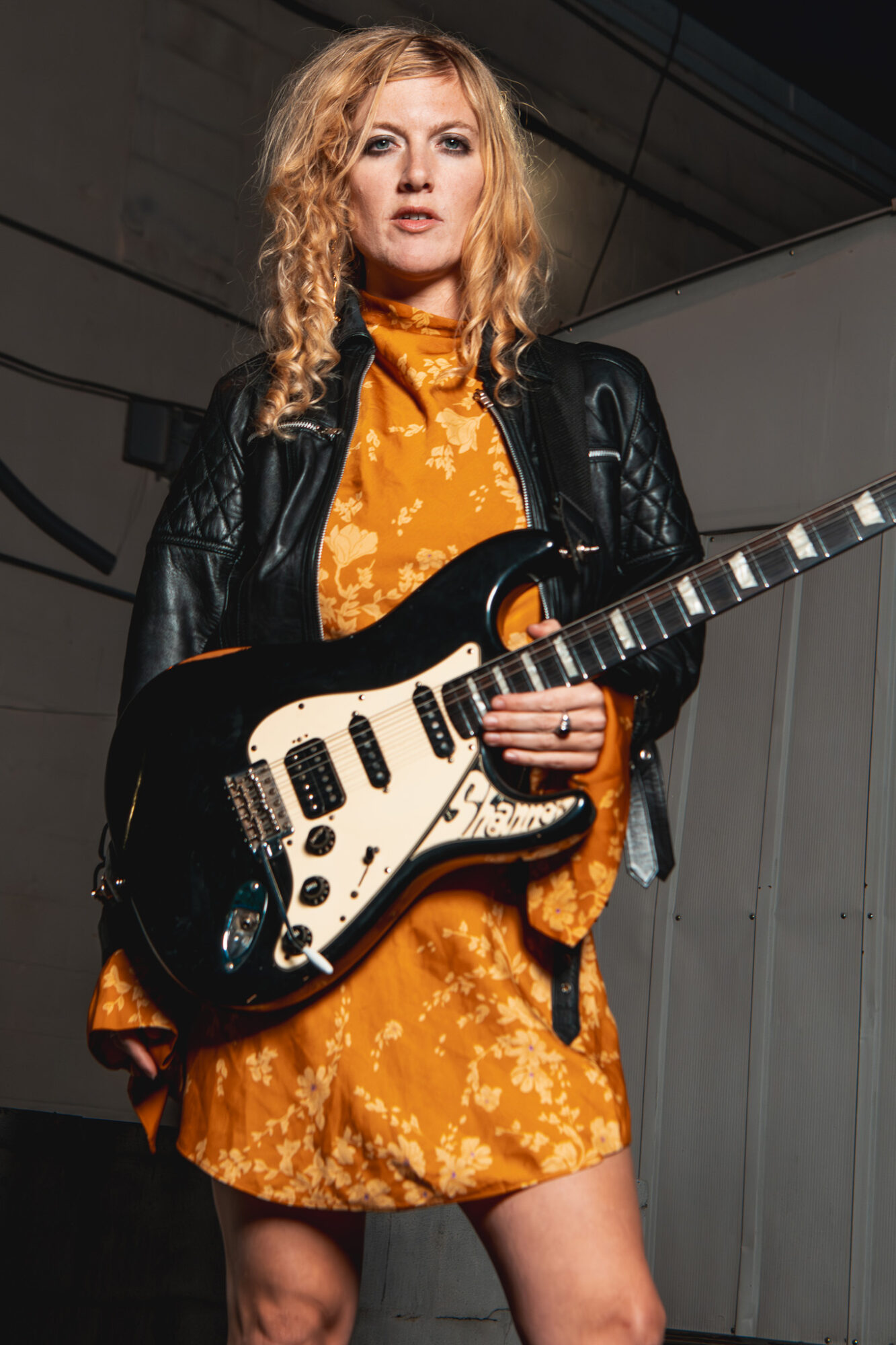
This is a live performance video of Shannon Hayden performing "Silver Superstar" at Big Car Gallery, a community arts venue. The video captures an intimate moment of music-making in a gallery space, documenting the artist's work in a direct, unmediated format without additional staging or production bells.
What is the context of this live performance?
Big Car is a community-centered arts gallery and venue, and this performance represents Shannon Hayden's engagement with grassroots cultural spaces. Rather than a large concert hall or festival stage, the Big Car Gallery setting suggests an artist working within community infrastructure—spaces designed for direct interaction between performer and audience. This 2013 recording captures a moment when digital documentation of live music was becoming more accessible, allowing artists to share performances beyond those physically present.
How does performance shape artistic presence?
Live performance is distinct from recorded studio work in that it captures the artist in real time, with all the variables that entails: the specific acoustics of a room, the energy of whoever was present that day, the unedited vocal delivery. For Shannon Hayden, performing "Silver Superstar" live in a gallery meant presenting the work in its most immediate form—not shaped by overdubs, mixing, or takes. The brevity of the video (just over 6 minutes) suggests this may have been a single song performance or an excerpt from a larger set, documenting the artist's work at a particular moment.
Why do artists engage with community gallery spaces?
Community galleries and independent venues like Big Car serve functions beyond commercial concert halls. They provide experimental space, direct audience connection, and often support emerging or independent artists whose work might not fit conventional music industry pathways. For artists interested in building sustained local relationships rather than chasing touring circuits, venues like this become crucial infrastructure. The existence of this video—uploaded to YouTube and preserved—also suggests how artists use digital platforms to extend the reach of performances that were originally local and time-bound events.
What does it mean to document live music in this era?
In 2013, smartphone and consumer camera quality had reached a threshold where independent artists could document their own performances. This video represents that democratization of recording technology. Rather than needing a full production team or professional videographer, artists could capture and share their work directly. For Shannon Hayden, this documentation served multiple functions: proof of live activity, a record of the song in performance context, and a way to reach people beyond the gallery's immediate geography. The modest view count (233 views) reflects the reality of independent artist distribution—not algorithm-favored, but real evidence of community engagement and artistic output.
Where to go from here
If you're interested in exploring Shannon Hayden's work, searching for additional recordings or performances would provide more context on the artist's development and range. Exploring other Big Car Gallery performances and artists can shed light on the venue's role in local music culture. For those curious about independent music distribution and community arts infrastructure, Big Car represents a model worth studying—how spaces nurture art-making outside mainstream industry structures.