Transcript
[0:02] all right welcome back to another
[0:04] edition of the Manifest at all podcast
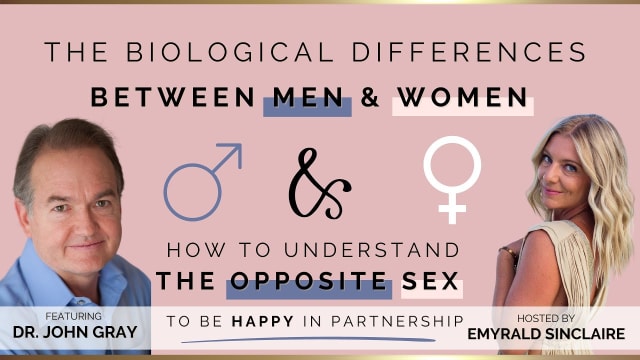
[0:06] and I have an encore episode for you
[0:09] with Dr John Gray it's been almost two
[0:12] years since our last amazing
[0:13] conversation of course we'll drop that
[0:15] link down in the show notes but if you
[0:16] weren't there for the first conversation
[0:19] let me introduce you to Dr John Gray
[0:21] which it still amazes me when I tell
[0:23] people about your work about his work
[0:26] that they haven't heard of you and so
[0:28] let me tell the world me tell our
[0:30] listeners who it is that you are Dr John
[0:33] Gray is the author of the most
[0:35] well-known and trusted relationship book
[0:37] of all time Men Are from Mars Women Are
[0:40] from Venus USA Today listed his book as
[0:43] one of the top 10 most influential books
[0:45] of the last quarter Century in hard
[0:48] cover it was the number one best-selling
[0:50] book of the 90s Dr Gray's books are
[0:53] translated into 45 languages in more
[0:55] than 100 countries and continues to be a
[0:58] bestseller Dr Gray has written over 20
[1:01] books and his most recent book is beyond
[1:03] Mars and Venus and his Mars Venus book
[1:06] series has forever changed the way that
[1:08] men and women view their relationships
[1:11] John helps men and women better
[1:13] understand and respect their differences
[1:14] in both personal and professional
[1:17] relationships his approach combines
[1:19] specific communication techniques with
[1:21] healthy nutritional choices that create
[1:23] the brain and body chemistry for lasting
[1:26] health happiness and romance his many
[1:29] books blogs and free online workshops at
[1:31] marsvenus.com provide practical insights
[1:34] to improve relationships at all stages
[1:36] of life and love an advocate of health
[1:39] and optimal brain function he also
[1:41] provides natural solutions for
[1:42] overcoming depression anxiety and stress
[1:45] to support increased energy libido
[1:47] hormonal balance and better sleep he's
[1:50] appeared repeatedly on Oprah as well as
[1:52] The Dr Oz Show today CBS This Morning
[1:56] Good Morning America and others
[1:58] including the Manifest at all podcast gu
[2:01] he's been profiled in times Forbes USA
[2:04] Today and people and he was also the
[2:06] subject of a three-hour special hosted
[2:08] by Barber Walters John Gray lives in
[2:10] Northern California where for 34 years
[2:13] he happily shared his life with his
[2:14] beautiful wife Bonnie until her passing
[2:17] in 2018 they have three grown daughters
[2:20] and five grandchildren and he is an avid
[2:22] follower of his own health and
[2:24] relationship advice welcome John back to
[2:27] the pot thank you so much it's happy to
[2:29] be back
[2:31] so let's get into it I'm a big fan of
[2:34] just jumping straight into it so in our
[2:36] last conversation we talked so much
[2:39] about the differences between men and
[2:41] women especially all of the updates in
[2:44] your book beyond Mars and Venus so in
[2:46] your first Book Men Are from Mars Women
[2:48] Are from Venus you highlighted the
[2:49] differences between men and women based
[2:51] on all of your years in counseling but
[2:54] with the updated version you brought in
[2:57] so much around hormonal differences
[2:59] brain differ es to really show the
[3:01] science behind the traditional roles of
[3:04] men and women and how we can be happy
[3:05] and fulfilled in life and love and so I
[3:08] would love you to give perhaps a little
[3:10] bit of a summary on the differences
[3:12] between men and women so that then we
[3:13] can go into communication and
[3:16] polarity sounds great you know in one
[3:18] sentence I think uh someone did an
[3:20] interview with recently and summed it up
[3:22] I think it was she who came up with this
[3:24] nice phrase but we have something called
[3:27] uh role mates and then we have soulmates
[3:30] and in a roate relationship we're there
[3:32] to fulfill each other's roles because in
[3:35] the past men had a role women had a role
[3:38] pretty much if you stuck to that role
[3:39] and you were successful you're pretty
[3:41] fulfilled and happy a soulmate is not
[3:44] fulfilling each other's roles it's
[3:45] fulfilling each other's Soul which is to
[3:49] provide a higher level of love a more a
[3:52] deeper level of emotional fulfillment
[3:54] that's what we're looking for today and
[3:57] because particularly when we don't have
[3:59] the traditional role
[4:01] uh as women are more independent money
[4:03] makers providing so many women are
[4:05] actually making the same as their
[4:06] husbands or more than their husbands
[4:08] many men because it's practical the man
[4:10] will stay home with the children the
[4:12] woman has her job so we're all over the
[4:15] place and Men Are from Mars Women Are
[4:18] from Venus talked about the different
[4:21] misunderstandings that men and women
[4:23] have and how to in some cases correct it
[4:25] very
[4:26] quickly when people are in more
[4:28] traditional roles but particularly even
[4:30] back then if it was a person who was not
[4:33] in an intimate relationship and
[4:34] particularly if they didn't have
[4:36] children they were more independent they
[4:38] were single even then sometimes women
[4:40] will go I feel like you know I'm from
[4:41] Mars uh because when I talk about Mars
[4:44] we're talking about people who are
[4:46] independent and we're talking about
[4:48] Venus we're talking about the part of us
[4:50] which is dependent on something
[4:52] particularly our partners uh and
[4:55] dependence not in a negative sense a lot
[4:57] of women that's a Charged word does
[5:00] doesn't mean you're needy doesn't mean
[5:01] you have to have them and you can't be
[5:03] happy it means that they're just like
[5:05] I'm dependent on food I'm dependent on
[5:07] you in order to get my message out into
[5:09] the world it's a healthy form of
[5:11] dependence this is what life is no
[5:13] person is an island the whole idea of
[5:15] intimacy is uh particularly for women
[5:18] intimacy is I need to depend on you to
[5:22] provide a safe space an unconditional
[5:25] space for me to open up and share my
[5:28] feelings as opposed to someone who was
[5:30] going to uh be judgmental or critical or
[5:33] dismiss or minimize what I feel and I'm
[5:36] very glad that you said that because so
[5:38] many women think I don't need a man and
[5:41] correct you don't need a man in the
[5:43] traditional sense but what you're
[5:44] sharing is we do need that emotional
[5:47] connection just like we need food we
[5:48] need air we need water and so how can we
[5:51] change a woman's perspective around a
[5:54] relationship especially if she has been
[5:56] single especially if she's been in her
[5:57] masculine energy especially if she's
[6:00] just been raised in the current times
[6:02] and upbringings and after feminist
[6:04] movement of like I can do it all right
[6:07] and there's this feeling when when when
[6:09] I counsel women I counsel a lot of women
[6:12] and also relationships but whenever
[6:14] women come in and they're stress often
[6:16] one of the things they say is I feel
[6:19] overwhelmed I feel like I do everything
[6:21] it feel like I have to do everything so
[6:23] where they're single or they're in a
[6:25] relationship there's this feeling of I
[6:27] have to do this and this and this I have
[6:30] no time for me I can't relax uh and Men
[6:34] typically don't say that I I was
[6:36] recently just giving a talk in a seminar
[6:38] and I asked all the women how many women
[6:40] feel like there's so many things you
[6:42] have to do there's no time for you and
[6:44] they all raised their hand I mean it was
[6:47] RA my hand to that right and and I said
[6:50] now how many men feel that way no man
[6:53] raised his hands see that's one of the
[6:55] differences that's the challenge of men
[6:58] not understanding women women not
[7:00] understanding men the reason men don't
[7:02] become overwhelmed is before we become
[7:05] before we become overwhelmed our brain
[7:08] just goes into well I can't do
[7:09] everything so I need to
[7:11] rest we do that uh you know it's not
[7:14] like I've analyzed it it's not like I
[7:16] don't have so much stuff and I could say
[7:18] oh it's so overwhelming I don't even go
[7:20] there because I'll do it tomorrow I can
[7:22] only do one thing at a time there's this
[7:24] sort of a mechanism inside of men that
[7:26] says if I can't do it then forget it do
[7:29] it another time if there's nothing I can
[7:31] do about it ever then it's not a problem
[7:33] at all you just have to learn to live
[7:34] with it whereas women have a different
[7:37] set of genes and that those genes there
[7:40] are some differences there's so many
[7:41] similarities between men and women if
[7:44] you actually get down to the actual
[7:46] uh DNA with the Y chromosome that the
[7:50] male has otherwise he has all of the
[7:54] genes the X genes all the genes that a
[7:56] woman has we all up about three weeks
[7:58] into the womb we're all the same and
[8:01] then when the Y chromosome gets
[8:03] activated it releases only 23 genes now
[8:06] there's thousands of thousands of genes
[8:09] that function the body and everything
[8:10] but these 23 genes their function is
[8:13] that they
[8:14] override his some of his female genes so
[8:18] one of those genes that gets override we
[8:20] have to presume because women have this
[8:21] tendency to always be there for
[8:23] everybody you know it's like if I can do
[8:25] it I have to do it okay and you kind of
[8:28] go well why would that be well when you
[8:30] look at a female Biology one of the
[8:32] differences between a man and a woman
[8:33] and she can make a baby and when you
[8:35] make a baby you really have to be on all
[8:37] the time you know it's just a
[8:39] never-ending job it's literally and
[8:41] nature prepared her for that by giving
[8:44] her 25% more fat cells fat cells produce
[8:48] much more energy than muscle cells
[8:51] muscle cells is like sprinting fat cells
[8:53] is like longdistance running so
[8:57] literally men just run out of energy uh
[8:59] you know know often women go I think my
[9:01] husband's lazy I go no not exactly um he
[9:05] has what's called the efficiency Gene
[9:07] now the efficiency Gene basically and
[9:10] I'll ask male audiences love this phrase
[9:12] because I say efficiency Gene it's it's
[9:16] rule of function it can vary but its
[9:18] rule of function is never do anything
[9:21] you don't have to do if I don't have to
[9:23] do it if I can get somebody else to do
[9:25] it why should I do it so there's a the
[9:27] concept of that where in a sense we're
[9:29] always conserving our energy for the
[9:32] Emergency you know it's like a fireman
[9:34] he sits around all day waiting for that
[9:36] Bell to go off and then he has the
[9:37] energy to do it and that's because he
[9:40] burns most of his energy through his
[9:41] muscles whereas women if they're relaxed
[9:45] okay if women feel safe if women feel
[9:48] supported if they feel like it's not all
[9:51] up to them alone that they have
[9:53] backup then their stress levels go down
[9:56] and then they can burn fat and if they
[9:58] can burn fat
[10:00] they have huge amounts of energy
[10:02] endurance energy they can go on and on
[10:04] and on uh they're designed for that but
[10:07] as soon as a woman's in a stressful
[10:08] situation and as you know I was just on
[10:11] my way I was uh I missed our appointment
[10:13] I was uh it was put on my schedule later
[10:16] and I was in the car with my wife going
[10:17] to buy groceries and when we got I we're
[10:20] going to try to buy the groceries and
[10:22] she said this is too rushed I don't want
[10:24] to we'll go back home I said okay uh
[10:27] because she says I don't I don't like
[10:29] this feeling because in her life she has
[10:31] a partner who I'm her backup and I
[10:34] create one of the secrets of
[10:36] communication around romance is if I
[10:39] plan a date for example I always give
[10:40] myself an extra 20 minutes to be late uh
[10:44] I in case there's traffic or whatever
[10:45] because we'd be on the bridge San
[10:47] Francisco bridge and there was traffic
[10:50] my wife would go oh we're going to be
[10:52] late I said no no I scheduled extra 20
[10:54] minutes no problem see that's thinking
[10:56] in advance is a a really really great
[11:00] uh piece of wisdom that I had to learn
[11:02] see women always think in advance men
[11:05] don't they're kind of like in the moment
[11:08] you know I like I'll get there as fast
[11:10] as I can because if I'm in a rush if I'm
[11:13] in a hurry it doesn't really cause much
[11:15] stress in me this is the biology of men
[11:18] and women once again is danger actually
[11:20] causes men to calm down as long as they
[11:23] feel confident if they don't feel
[11:25] confident then danger or being late uh
[11:28] uh causes stress if you don't have
[11:30] confidence a woman can have confidence
[11:32] but if she's rushing around it will
[11:34] produce adrenaline uh women produce
[11:36] adrenaline much faster than men and when
[11:39] they do produce
[11:40] adrenaline it's that means little
[11:42] problems uh when little stress but you
[11:45] still have confidence she will have
[11:47] eight times more blood flow to the
[11:48] emotional part of the brain and to relax
[11:52] she has to transform the adrenaline now
[11:55] for men if you have adrenaline all you
[11:57] have to do is use your muscles and that
[11:59] will reduce the adrenaline you relax
[12:01] again for a woman if she can talk about
[12:04] what's what she's feeling what's what's
[12:06] upsetting her what what her problem is
[12:08] just talking about it will reduce the
[12:11] adrenaline and she can relax again wow
[12:14] so again and this is all centered from
[12:16] biology and hormones the differences
[12:18] between men and women and so even more
[12:20] so a woman who is single or even a man
[12:23] who is single coming together in
[12:25] Partnership and understanding the
[12:26] difference between men and women you can
[12:28] realize why is that we do need each
[12:31] other and not in the traditional sense
[12:33] let's just say in the 1950s the man
[12:36] needed to go to work to make the money
[12:37] to provide for the family because the
[12:39] woman wasn't working but he felt needed
[12:41] he had a role to fulfill and so did she
[12:45] but in the modern world we know that's
[12:46] not the case and yet there still needs
[12:48] to be I believe this mindset shift
[12:50] around how it is we can support each
[12:52] other in Partnership and not in those
[12:54] traditional roles per se but still in
[12:57] understanding the differences between
[12:58] our biology a partnership in in
[13:01] providing emotional fulfillment for each
[13:04] other and to summarize that you can just
[13:07] listen to the opposite which is couples
[13:09] who aren't emotionally fulfilled with
[13:11] each other sometimes you just look at
[13:13] the other side of it and you get more
[13:14] clarity when a man says to me you know
[13:16] I'm done in this relationship I'll ask
[13:19] him well what's the I'll take him to the
[13:20] side and I say okay what's the what's
[13:23] the reason and often a man can get right
[13:25] to the point of what the reason is and
[13:27] it's almost the same phrase for a man
[13:29] he'll
[13:30] say look I've tried my best nothing I do
[13:33] is ever enough to make her
[13:35] happy so that means he has a need that's
[13:38] not being fulfilled and his need is to
[13:41] feel that I am needed by my partner that
[13:44] I have I provide a significant level of
[13:48] Happiness to her so we're always gauging
[13:50] that now I've never heard a woman say no
[13:52] matter what I do it's never enough to
[13:54] make him happy what women will typically
[13:56] say is along these lines of well done
[13:59] with this relationship I've given so
[14:01] much I do this I do this for him I'm
[14:04] attentive for him I helped him with this
[14:06] and I get nothing back I feel ignored I
[14:09] feel neglected I feel I'm not important
[14:12] I feel uh he he just uh takes me for
[14:15] granted so she's very verbal and women
[14:18] are typically more verbal uh when it
[14:21] comes to their complaints not that a man
[14:23] can't be uh which is again a subtlety
[14:26] here women will be very you're average
[14:29] you know there's always exceptions but
[14:30] when a woman starts to
[14:32] complain about something men have if
[14:36] they're having sex with the woman
[14:37] meaning in the they're in a sexual
[14:39] relationship a bond is taking place
[14:42] which activates in the brain what's
[14:44] called Mirror cells and the mirror cells
[14:47] if you have a complaint about me well
[14:50] then I'll have a complaint about you way
[14:52] men think of it as long as you don't
[14:54] complain I have no complaints about you
[14:56] but if you're going to complain then
[14:58] I've got equal complaints and even more
[15:00] and so you should feel grateful I'm not
[15:02] sharing all my complaints with you so
[15:04] this is male psychology and so I have to
[15:07] train men and women can train men as
[15:09] well as long as you don't say I'm
[15:10] training you but but if my wife has a
[15:14] complaint there is a tendency to balance
[15:17] it with my complaint and what I teach
[15:19] men is don't complain and it's not
[15:22] really a novel message uh we've been
[15:24] taught this for thousands of years to be
[15:26] manly so to speak to be desirable to a
[15:28] woman often what is considered
[15:30] manly to be a man you don't whine you
[15:34] don't complain you don't you actually
[15:36] you don't show negative emotions you
[15:38] become quiet and the problem today is
[15:41] when a man becomes quiet women think oh
[15:44] he must hate me he doesn't love me
[15:46] anymore he doesn't want to connect with
[15:48] me anymore because when women become
[15:50] quiet often that's what they're feeling
[15:53] I can't trust you I'm not going to share
[15:55] what's inside which is becoming quiet
[15:58] has always been always been a way for a
[16:01] man to process stress and you might even
[16:04] think where does that come from well go
[16:06] back to back to the hunter gatherer a
[16:08] ages you know very primitive Parts when
[16:10] the brain was developing uh a man's job
[16:13] was was the dangerous job of hunting and
[16:16] standing guard protecting and he had to
[16:20] be quiet you know even as a young boy in
[16:22] Texas growing up you know we' shoot go
[16:25] out deer shooting you you find a place
[16:27] you hunker down you stay really quiet
[16:30] that's it and and it it this is the
[16:33] remedy for men and yet psychology is
[16:36] pushing this whole idea that whatever
[16:38] you're stressed you need to talk about
[16:40] your feelings now when a man is
[16:43] experiencing chronic
[16:45] cortisol that's different from
[16:46] adrenaline okay adrenaline is Mo
[16:48] moderate stress for moderate stress
[16:51] women need to talk about what's
[16:53] bothering them for moderate stress men
[16:55] need to stop talking and do something
[16:58] that's one but if a man has high stress
[17:00] that when my my wife died that was the
[17:02] most stressful thing in my life uh
[17:05] devastating uh two years of grief and
[17:07] processing emotions okay so then I
[17:09] needed to talk a lot but even in that uh
[17:12] a lot of it was internal but also I
[17:14] needed to share the first thing I did
[17:15] was called one of my best friends and
[17:17] cry and tell them what was going on how
[17:19] I'm feeling because under big stress
[17:22] then suddenly men are sort of knocked
[17:25] out of their masculine and they go to
[17:27] their feminine so whenever you see for
[17:29] example example uh a big stressful event
[17:31] for a man other than my wife died or my
[17:35] business failed or I'm out of work and
[17:38] what happens at those times of big
[17:39] stress you can measure a man's hormones
[17:42] and his male hormones are very low and
[17:44] his female hormones are very high that's
[17:47] measured his estrogen levels are very
[17:49] high and big stress means there's danger
[17:52] and I've lost my confidence I don't know
[17:55] what to do and I can't get help so
[17:57] that's where men need training so they
[17:59] always know there's something I can do
[18:02] and but if we don't train men to do that
[18:05] then let's say is the most important
[18:06] thing is life is his wife when he loves
[18:09] her and he the communication isn't
[18:12] working so he interprets what she's
[18:14] saying as
[18:15] attack okay criticism when women
[18:18] criticize or complain to to a certain
[18:21] degree it will hit a limit and then a
[18:23] man will feel that he's not loved and we
[18:25] all want love men want love women want
[18:27] love and so when he's feeling threatened
[18:29] by her not loving him the mistake he
[18:33] makes is he wants to explain to her why
[18:36] she's
[18:37] wrong this is you know now classic it's
[18:41] classic I mean this is the universal
[18:43] issue is it men would explain why she's
[18:46] wrong and he's right now first of all
[18:49] why does he want to do that because in
[18:50] the work world that works see
[18:54] it's if you're right if I'm the leader
[18:57] of the pack it's because I do the things
[18:58] that are right and I can point out to
[19:00] others what they do is wrong okay so I
[19:02] know the truth here so then people want
[19:05] to follow me you know my ideas resonate
[19:07] with a lot of people so I've written you
[19:09] know my books have sold the millions of
[19:11] people around the world it's a huge
[19:13] thing so and their minds I Won't Say I'm
[19:16] right for everybody but in their minds
[19:18] John has a lot of wisdom he's right
[19:19] about a lot of things we'll put it
[19:22] simply that makes money and women don't
[19:25] go around looking for a guy who's always
[19:26] wrong okay so so we feel threatened
[19:29] but if a man can be taught at those
[19:32] times don't talk just listen and the
[19:36] communication skill for men and a woman
[19:38] can say to a
[19:40] man when he's trying to explain himself
[19:43] she can say Hey you really don't have to
[19:45] say anything I just need to talk about
[19:48] what I'm feeling and my feelings will
[19:50] change right now I'm feeling stressed
[19:53] I'm not feeling good but if I can talk
[19:55] about it for a little while then I'll
[19:57] feel good if as long as you don't say
[19:59] anything you really don't have to
[20:00] explain yourself at all and and do that
[20:03] in a kind way he goes really and he goes
[20:05] yeah just don't
[20:08] talk just don't talk and let me talk
[20:11] number two and sometimes if you nod your
[20:15] head and try to listen and know you
[20:17] don't have to fix anything and you can
[20:19] say to me my favorite thing I love to
[20:21] hear you as a woman I'm talking to your
[20:23] husband here you see you're being what I
[20:25] love to hear is when I'm talking for you
[20:27] to just say something like help me
[20:29] understand that better or tell me more
[20:32] or say and what else those are three
[20:34] powerful phrases that he can practice
[20:36] and so he now he knows he needs to know
[20:38] what to do okay why he's not talking
[20:41] otherwise he will revert to well that's
[20:44] not exactly what happened
[20:46] dear or I think maybe you're making a
[20:49] big deal out of this it's not such a big
[20:51] deal uh as soon as he says
[20:56] that she's going to become more upset
[20:59] it's like making her wrong so just like
[21:01] he wants to be right he thinks to be
[21:03] right I'm going to make her wrong that
[21:06] she needs to be right but logically
[21:08] speaking here's the here's the The Edge
[21:10] on it she doesn't have to be factual
[21:12] she's being factual about how she feels
[21:14] it's not necessarily what's true about
[21:16] the outer world it's what's what I'm
[21:18] feeling inside and my feelings change
[21:21] see facts don't change but feelings do
[21:23] change and women have a remarkable
[21:26] ability and men do as well but it
[21:28] happens in a different way
[21:29] women have a remarkable ability to go
[21:31] from I'm feeling upset now I feel heard
[21:33] I feel safe I feel better and I'm not uh
[21:37] upset with you so this is a good good
[21:40] communication skill have you seen this
[21:42] with all of your women because I'm very
[21:44] curious because especially women
[21:46] nowadays are very much in their
[21:47] masculine like truly just talking about
[21:50] their feelings have you consistently
[21:52] seen that it helps every single woman to
[21:54] feel better no they have to learn how to
[21:57] do it that's why we have something
[21:58] called therapy
[21:59] it's an education process and 90% of the
[22:02] people who go to therapists are women
[22:05] because talking is talk therapy and men
[22:08] don't go because why do I need to pay
[22:09] someone to listen to what I say I can
[22:11] tell my friends anything I want to say
[22:14] and I don't need to say that much so I
[22:16] can look in the mirror and talk so it's
[22:19] see what's happening when you share your
[22:22] feelings what's what or what you think
[22:24] share what you wish what you want what
[22:27] your feelings are particular
[22:28] particularly when you share feelings
[22:30] more of the female hormones get produced
[22:33] that's just the phenomena so when you're
[22:36] estrogen is the female hormone and one
[22:39] of the major ones and when you're
[22:40] sharing feelings estrogen levels go
[22:43] higher and higher you see when you share
[22:45] feelings they don't have to be logical
[22:48] see that's what you think what you think
[22:50] is logical what you feel may not be
[22:53] logical it may be logical it's Hit or
[22:55] Miss
[22:57] okay because let me give you an example
[23:00] of that uh my wife asking me to she
[23:05] would complain to me sometimes honey you
[23:07] left the light on you always leave the
[23:08] light on already I can have an argument
[23:11] with her I'd be a fooled to do it but
[23:13] she says you always leave the light on
[23:14] honey I don't always leave the light on
[23:16] now I've just invited an argument okay
[23:18] she said but you did this time and this
[23:20] time I say yeah but I didn't do this
[23:21] time and this time but I just feel like
[23:24] it's a simple thing why can't you just
[23:25] turn the light out and I say it's not a
[23:28] big deal to me that's why I don't turn
[23:30] it out okay so I'll give my reason but
[23:32] all of that just makes her insignificant
[23:35] so you have to I have to understand as a
[23:36] man that what I say affects her on an
[23:38] emotional level and I say well why does
[23:41] it even bother you did she'll say I feel
[23:43] like you don't even care about me you
[23:45] don't care about what I think of course
[23:47] I care about what she thinks and and if
[23:49] I repeated that behavior over and over
[23:51] it gradually didn't change it in her
[23:53] mind she'd be thinking you know I've
[23:55] asked him 50 times and he keeps
[23:57] forgetting over the last 10 years
[23:59] I guess he just doesn't love me and
[24:01] that's what she'll feel she will feel I
[24:03] feel like you don't love me now is that
[24:05] true no it's not true at all of course I
[24:08] love you honey I just forget little
[24:11] things but I have to understand and she
[24:13] has to understand there's two sides of
[24:15] trying to come together to communicate
[24:18] effectively but she she will um and this
[24:21] is a common thing if a woman has man
[24:24] does something over and over and over a
[24:26] little thing and as a therapist it's a
[24:28] little little things that build up into
[24:30] the big things this is It's almost like
[24:32] comedy to hear couples fighting about no
[24:35] I said this and you said this right what
[24:36] you said right and it's that age-old
[24:39] expression of do you want to be right or
[24:40] do you want to be happy do you want to
[24:42] understand how to communicate with your
[24:44] partner or do you want to be right and
[24:45] maybe end up in
[24:47] divorce absolutely no no question about
[24:49] it but to finish that other thought it's
[24:51] just a thought that in her mind her
[24:54] she's thinking it's just a little thing
[24:56] to remember to turn out the light
[24:58] because for her it's a little thing and
[25:00] it's easy to remember for me it's a
[25:03] little thing so it's not easy to
[25:05] remember men do not remember little
[25:07] things generally speaking we have a kind
[25:09] of a ladder of priorities what's the
[25:11] most important thing don't think about
[25:13] anything else unless it's number two so
[25:16] it's this is way our brain tends to
[25:17] function which is goal oriented focus on
[25:20] that whereas women have a more expanded
[25:22] awareness of well if you do this what
[25:25] would happen what would that affect here
[25:26] and how would affect the children how
[25:28] would it affect the finances how to
[25:29] affect these other things she's going to
[25:31] have a more bigger picture that she
[25:33] tends to see generally speaking and if
[25:36] you want to see even physical evidence
[25:38] of that our eyes are different the cells
[25:41] around the eyes are dramatically more
[25:44] for women to actually see more and for
[25:46] men there's part of the eyes that women
[25:48] don't have developed is the ability to
[25:50] see dots moving in the distance be be it
[25:54] a football traveling down the football
[25:56] tring down a football game or animal at
[25:59] a distance moving so these are we're
[26:00] wired up in different ways and but
[26:03] there's this tendency of man of men to
[26:06] not notice little things but think big
[26:09] because after all you don't get paid for
[26:11] turning out light switches you get paid
[26:13] for doing the big things that other
[26:14] people don't want to do so there's a or
[26:19] can't do there's an a aspect of
[26:22] masculinity is that traditionally all
[26:24] the male roles were doing the things
[26:26] were dirty dangerous difficult
[26:29] inconvenient and hard not to say that
[26:31] women weren't doing some of that but men
[26:33] particularly did this stuff it's as if
[26:35] we had a conversation a long time ago
[26:37] and said women the bottom line for us is
[26:40] we want you to be happy so you want to
[26:41] have sex with us because sex is the very
[26:44] big deal and so the women said well I
[26:46] think I'd be most happy if I got to do
[26:48] the things I like to do and so what are
[26:50] those things I like to take care of the
[26:51] kids this is a long time ago when you
[26:53] had a community of women helping you
[26:55] take care of the kids I like to be in a
[26:57] nice neighborhood I'd like to feel SI
[26:58] safe i' like to have food I'd like to
[27:01] have a garden I'd like to have plenty of
[27:04] time available to me to be with the
[27:06] family and so forth and I don't want to
[27:09] go into the forest and risk my life I
[27:11] don't I don't want to stay in stand
[27:12] guard at cold nights I don't want to
[27:15] have to lift heavy things you have more
[27:17] muscle mass so he says yes I do I'm
[27:19] happy to do that as long as something
[27:22] provides a need a meaningful need for a
[27:25] woman it actually literally raises his
[27:28] Mas hormones and makes them feel really
[27:30] good not all men have been trained this
[27:32] way though this is how we're
[27:33] biologically
[27:36] suited
[27:38] and we've evolved where my muscles
[27:41] aren't necessarily going to win my
[27:43] wife's heart because as she evolves into
[27:46] more her
[27:47] masculine more Independence more
[27:50] wholeness for her feminine and masculine
[27:52] the wholeness
[27:53] inside she'll go to her masculine but to
[27:56] get back to her female one of the most
[27:58] important ways is to have a man do
[28:01] things for you on to provide a level of
[28:05] emotional fulfillment now what can I do
[28:07] for my wife's level of emotional
[28:09] fulfillment well when she's stressed I
[28:11] can say oh
[28:13] honey tell me what's going on inside and
[28:16] be a good listener and well help me
[28:18] understand that and you're having that
[28:19] meeting today how did it go oh they said
[28:22] this and this and this how did that feel
[28:24] to you and then she shares a little bit
[28:26] about that and she talk about something
[28:27] else and I would just listen at the end
[28:29] I might say something like um let me
[28:32] give you a hug you do so much for so
[28:34] many people that's it no fix it no solve
[28:37] it no advice unless she really is asking
[28:40] for my advice which she does sometimes
[28:43] never give advice to a woman unless
[28:45] she's really asking and I suggest to
[28:47] women never give advice to a man unless
[28:49] he's really asking
[28:52] uh I think that's incredibly important
[28:55] and causes so many issues in
[28:57] relationship because it's almost like
[28:59] you're trying to be in charge then it's
[29:00] like Hey listen to me I'm the authority
[29:02] but no one really likes being told what
[29:04] to do unless they're asking for help
[29:07] support and guidance and so
[29:09] communication being I loved what you
[29:10] said earlier around asking to share and
[29:14] for the man asking her for more
[29:16] information and so asking the questions
[29:18] asking permission even like is now a
[29:20] good time I have something I would like
[29:21] to share with you for example yeah
[29:24] that's a that's a nice way to do it and
[29:26] another way along the same thing not
[29:29] better than but another thing is just
[29:31] Bonnie would come home from her job and
[29:33] she she's saying John with a big smile
[29:36] on her face I want to talk about my day
[29:38] I said oh what
[29:39] happened and that would be it it's kind
[29:42] of how can you turn down that and I just
[29:44] want to remind you you don't have to say
[29:46] anything I just want to talk about my
[29:47] day and I know how that sounds to some
[29:50] women like well I want a real
[29:52] conversation you know like I have with
[29:54] my girlfriends no he's not your
[29:57] girlfriend yeah and a lot of times women
[29:59] will say and not that you can't have
[30:02] conversation but when there's any kind
[30:04] of stress and you're joing a
[30:07] conversation where he's responding to
[30:10] what went on he'll tend to want to solve
[30:12] the problem and what you want to do is
[30:14] free him from that tendency because
[30:15] we're like emergency workers if you got
[30:17] a problem I got a solution and let me
[30:19] give it to you and it's even in some
[30:22] situations when a man gives a solution
[30:24] it's like a it's a put down Bonnie would
[30:27] come home from office sometimes with
[30:29] complaints and oh they didn't do this
[30:31] really what happened and she'd I'd let
[30:33] her talk for a while listening and and
[30:34] then I'd say you know honey you don't
[30:36] ever seem to like your job why don't you
[30:38] just quit it you know you could do
[30:40] something else and she goes then she
[30:42] taught me she said John I just need to
[30:44] talk about I love my job I love going to
[30:46] my job it's great it's just that I I I
[30:49] love being able to come home and talk
[30:50] about the things that didn't work
[30:52] because I I just need to get it out and
[30:53] then I'm fine that's how I learned it
[30:55] she just told me what she needed smart
[30:58] woman
[30:59] but you you brought up something really
[31:00] really key about women who are more on
[31:02] their male side are have they have jobs
[31:05] that are supporting the expression of
[31:08] male hormones that's what I mean by male
[31:10] side if you're making a lot of
[31:11] testosterone you're on your male side
[31:14] and what stimulates testosterone is
[31:16] problems that you have to solve for
[31:19] money okay problems that you have to
[31:22] solve for money problems you have to
[31:24] solve for love is nurturing mothers are
[31:27] great at that and ironically they still
[31:29] make more testosterone doing that but
[31:31] because they're not doing it for money
[31:32] they're also making female hormones so
[31:35] for people who women who want to have
[31:37] children it's can be an
[31:40] amazingly uh fulfilling experience the
[31:42] women I know and if you look at it's
[31:44] just it's such a a behavior that's
[31:46] aligned with the purpose of their body
[31:49] okay which is making babies you do have
[31:51] a whole setup not that every woman has
[31:54] to have children it's just that it's an
[31:57] easy alignment but even then it's
[31:59] difficult because you need to have a man
[32:01] who takes care of you right you're not
[32:03] designed to have babies
[32:05] alone that that's not the reality you
[32:07] know uh so when you're trying to do it
[32:10] yourself it is a big stress now again
[32:13] life is not perfect we all have
[32:14] different sources of stress nothing's
[32:16] ever the but we can look at when we're
[32:18] stressed as women to know what are the
[32:21] ways I can lower my stress levels and
[32:24] for men if you're stressed what are the
[32:26] ways you can lower your stress levels
[32:28] because what I've seen is that there's
[32:30] some things that are mutual but many
[32:32] things are very different for example a
[32:35] man he's a little annoyed by his wife
[32:38] even just don't say it just ask her
[32:40] what's going on get her to talk a little
[32:42] bit and then and forget about yourself
[32:44] you know as soon as a man is annoyed or
[32:47] bothered or resistant to what she's
[32:49] saying if he expresses that resistance
[32:53] when you talk about resistance estrogen
[32:55] goes up okay and that's that's already
[32:58] why he's feeling resistance is because
[32:59] his estrogen is too high men only when
[33:03] men when men uh experience adrenaline
[33:05] are resistance stress frustration this
[33:08] is taking too long is she blaming me you
[33:10] whatever it might be that's moderate
[33:12] stress men can let go of moderate stress
[33:15] so easily women don't realize that I
[33:17] could be grumbling about inside what
[33:19] she's saying and then then she changes
[33:21] the subject and it's gone it's moderate
[33:23] it's not a big deal but when men become
[33:26] quiet uh when there's moderate stress
[33:28] women think it must be big stress
[33:31] because women typically become quiet
[33:32] when it's a big stress and when women
[33:36] having a little stress they often want
[33:37] to talk about it that's going to produce
[33:40] the estrogen that will lower her stress
[33:42] levels and she'll relax again but men
[33:44] don't know that men think if you have to
[33:46] talk about it it must be a big deal I
[33:49] mean think about what men say all the
[33:51] time to women that women don't like
[33:53] honey it's no big deal and she can say I
[33:55] know it's no big deal I just want to
[33:56] talk about it and then he says well if
[33:59] it's not a big deal what do you need to
[34:00] talk about it for let's just have fun no
[34:03] it's just it's like learning that when
[34:06] she's upset about something he thinks
[34:08] that she's making it a big deal it's
[34:09] really a little deal as long as you
[34:11] don't interfere and make her wrong for
[34:13] it right and just let her Express and
[34:15] just let her get it out so having said
[34:18] all that I just want to there's a little
[34:20] everything there's a yes
[34:22] but it's best if she practices and he
[34:26] practices listening see everything think
[34:28] takes some practice with this
[34:30] stuff if she practices talking about
[34:33] things that are bothering her or
[34:35] stressing her out or exhausting her or
[34:38] that she doesn't like anything like that
[34:40] practice doing that about something that
[34:42] he's not responsible
[34:45] for otherwise he'll think she's
[34:47] complaining about him him he'll take it
[34:49] personally it's to a certain extent
[34:52] even he some men are more on their
[34:54] female side so they'll take things more
[34:56] personally so you have to be a little
[34:58] careful if your man's that way uh so the
[35:01] pro you have to be aware that you may
[35:03] not be directly uh upset with him but
[35:06] you could be talking about some problems
[35:08] in your life that he feels it's because
[35:11] of him that you're having that problem
[35:13] like let's say I have one client
[35:15] and the the woman keeps talking about
[35:18] how much she doesn't like her job and
[35:20] she really doesn't like her job she
[35:21] wishes she didn't have to have this job
[35:24] she didn't need to make this money
[35:26] what's he G to feel right away it's like
[35:28] gee if I only made more money right so
[35:31] she if I provided if I yeah exactly so
[35:33] he's gonna take it personally there's
[35:35] just subtleties here not that we have to
[35:36] be so afraid because there's another
[35:39] aspect of this that you love each other
[35:41] and so it's easy if you're saying oh
[35:42] gosh I wish I could do something else I
[35:44] didn't have to do that but I am so
[35:47] grateful uh that you're in my life
[35:49] because without you I'd be all by myself
[35:51] you see you can balance negativity with
[35:53] positivity that's a beautiful aspect
[35:55] it's just I call them buffers if you
[35:58] have a complaint about something you
[36:00] know always sandwich it between
[36:02] something good the complaint something
[36:04] bad I'm sorry something something good
[36:07] something bad a complaint and then
[36:08] something good as opposed to more bad uh
[36:12] it it softens everything uh and then
[36:14] there's another there there's so many
[36:17] aspects but one of the key things is if
[36:19] you think about having a bank of
[36:21] fulfillment uh if I've done many many
[36:24] good things for my wife this week uh and
[36:28] they're just little things I think was
[36:30] the most recent thing I did I was
[36:32] um I had to go on some errand somewhere
[36:35] oh I was taking care my daughter at her
[36:37] house uh and my wife was home and uh she
[36:42] wanted to have uh yogurt a yogurt ice
[36:44] cream kind of thing she was wanting to
[36:45] go out that night to do it so oh you
[36:47] have to go to your daughter's house so
[36:49] yeah I'm GNA go there and she's kind of
[36:50] like oh I said well we can do it when I
[36:52] get home but instead I just stopped and
[36:54] got the yogurt on the way home and
[36:56] brought it to her oh that's so thought
[36:58] see that you get a response like oh that
[37:00] was so nice that's a that's like a a
[37:03] dollar in the bank okay they build up
[37:05] and they build up and build up and then
[37:06] so the so the day that I do something
[37:09] that's a little Annoying to her that's
[37:12] just a dollar taken out of the bank okay
[37:14] but there's a lot there so you want to
[37:16] build up points in the relationship so
[37:18] that you're both people are feeling like
[37:20] yeah we're doing really good together
[37:22] then how do you build up points this is
[37:25] a key
[37:26] thing it's what it's little things that
[37:29] a man does creates points for a woman
[37:32] big things create just one point little
[37:35] things create just one point so we have
[37:38] to look at the math here so I can be
[37:40] thinking okay women like flowers I'll
[37:42] give her two dozen flowers that's 24
[37:45] points and now I don't have to do it for
[37:46] several months no it's you get one point
[37:48] for that and I and I look at it just
[37:51] hormonally uh you bring her a rose bring
[37:54] her three roses bring her 24 roses it's
[37:56] an act of love and so she feels not
[37:59] forgotten she feels seen she feels
[38:01] acknowledged she does something
[38:02] beautiful for her you know little things
[38:04] now flowers may not be it for every
[38:06] woman but you find out what are the
[38:07] things that work for your wife the
[38:09] little things of offering help and so
[38:11] forth uh you wanted me to talk about
[38:13] communication skills here's my favorite
[38:15] or one of my
[38:16] favorites which is it's hand signals
[38:19] again it's with men hand signals are
[38:21] really
[38:22] good asking they're more
[38:24] visual well when we're we're out in the
[38:26] forest and we're hunting you use hand
[38:28] signals you know you go here I'll go
[38:30] here you know watch out they have even
[38:32] in baseball they have all these hand
[38:33] signals between the pitcher and the so
[38:36] they're non-verbal non-verbal men are
[38:37] not as verbal as women this is a
[38:39] scientific fact that with part of the
[38:41] brain that's verbal in women is much
[38:42] bigger much more active much more
[38:44] connected to the whole brain uh men
[38:47] aren't uh we're more active the muscles
[38:49] are there and so forth the reaction time
[38:51] of men generally speaking is much faster
[38:53] than a woman's it's to do and for women
[38:55] it's to share to talk
[38:58] um so I was gathering one of my
[39:01] favorites one but little points these
[39:03] are like the little points you can get
[39:04] and I've got some standard ones in all
[39:06] my books which is four hugs a day
[39:08] initiated by the man that's a point each
[39:10] time uh if you if you have to search for
[39:13] her you get a point for searching for
[39:15] her pursuing where's mom oh you upstairs
[39:18] I want to give you a hug you know go
[39:19] somewhere put some effort and energy
[39:21] into giving her the hug see these are
[39:22] little things but another one
[39:26] is you know I know some people are
[39:28] listening Emerald who are also single
[39:30] and they might be thinking yeah but I'm
[39:31] not in a relationship but I want to
[39:33] point out but I have been in
[39:35] relationships and I didn't practice
[39:38] these things and I didn't know these
[39:40] things and maybe that would have made
[39:42] that relationship better see because all
[39:45] when relationships end many times you
[39:47] feel like a sense of failure and can I
[39:49] really trust myself or can I trust a
[39:51] relationship and and then or I have to
[39:53] go through a lot of judging and judging
[39:56] another person whe I want to get into
[39:58] relationship you know this you can avoid
[40:00] a lot of that if you look back at your
[40:03] back past relationship and you go well
[40:05] maybe they're the wrong person but boy
[40:07] we did not have these communication
[40:09] skills it could have been a lot lot
[40:11] easier and and um and my next
[40:13] relationship can be really easy as well
[40:16] so whether you're in a relationship or
[40:17] not we've all been in relationships and
[40:19] it's a way for us to find completion in
[40:21] them building a greater sense of
[40:23] motivation and awareness of what Poss
[40:26] what's possible to be well and couldn't
[40:28] you also practice we could argue if
[40:30] we're talking to single women you could
[40:31] practice with your girlfriends you could
[40:33] practice talking about it when you've
[40:34] had a stressful day practice asking for
[40:36] help and support practice saying I would
[40:39] just like to vent and I don't even need
[40:40] your opinion are you available to just
[40:42] hear me right like we can still practice
[40:45] we're always in relationship with other
[40:46] humans even if it's not intimate no
[40:49] question about it I I would look at the
[40:51] things that you said you could practice
[40:54] with certainly the difference between
[40:56] two women and a woman and a man I just
[40:59] point out a distinction there but what
[41:01] you said is right okay but here's the
[41:02] difference is that uh first of all with
[41:05] another woman before you ask you already
[41:07] feel like you've earned
[41:09] it the women keep score all the time
[41:11] with each other and also conversation
[41:14] wise you can't just say to a woman you
[41:16] I'm gonna be a woman you're a woman I
[41:18] say look I just want to talk about my
[41:19] day I don't want to hear anything from
[41:21] you you're right we don't do that we
[41:24] don't do that and it would be very
[41:26] inappropriate you know women are like
[41:27] often even one of the reasons women want
[41:29] to get men to talk is because if you go
[41:31] on Venus and one woman says oh I want to
[41:34] go talk to Carol tell her what happened
[41:35] in my life so this is Jane going to
[41:38] Carol Jane feels oh I want to tell her
[41:41] what's going on in my life but that
[41:42] would be rude I have to ask Carol what's
[41:44] going on in her life first so you have
[41:46] to sort of give earn it and then you get
[41:48] your rights your husband it's even
[41:50] better if you just say honey you don't
[41:52] have to say anything just relax but I
[41:54] just need to vent this stuff and know
[41:56] that I want to feel more connected with
[41:57] you and and you know we talk about and
[41:59] this would do it you don't have to say
[42:01] anything and right now I prefer you
[42:03] don't and there are some men who are are
[42:05] more producing more estrogen in their
[42:07] body and maybe they have you know been
[42:10] influenced by our culture so much which
[42:11] is well I want to talk too and uh and
[42:15] that's okay if it's equal generally what
[42:17] I see over and over and you have to
[42:19] realize I see challenged relationships
[42:21] over and over but also I see people who
[42:23] just want to at my workshops just want
[42:24] better relationships and
[42:27] the the the thing I hear from women the
[42:29] most is yeah my husband he's like from
[42:32] Venus uh when you talk about women
[42:34] needing to talk he needs to talk he
[42:36] talks he talks he talks oh my God I get
[42:38] so sick of it I can't believe it and I
[42:40] said yeah but you don't tell him do you
[42:41] I said well no it would hurt his
[42:42] feelings and it would hurt his feelings
[42:44] he's on his girl's side because if I
[42:46] told my wife you know you're talking too
[42:47] much I I don't want to hear it you know
[42:50] talk to somebody else that's gonna hurt
[42:51] her feelings okay and that's G to cut
[42:53] that's gonna it it causes her heart to
[42:56] shut down uh she loses one of the
[43:00] greatest ways for her to lower stress in
[43:03] her life to be happy in her life to be
[43:05] fulfilled is to be able to have somebody
[43:07] that you can share the depth of your
[43:09] feelings with if you're a woman there's
[43:12] there's another kind of relationship
[43:13] with your friends like you're talking
[43:15] about you you share with your friends
[43:18] and there's a understanding as women
[43:21] talk to each other that a man can never
[43:23] have I mean he doesn't wear high heel
[43:24] shoes he doesn't put on lipstick he
[43:26] doesn't worry about his hair so much you
[43:27] know he's not checking in the mirror all
[43:28] the time how look how I look today um
[43:31] there there's a we have ourselves as men
[43:34] and women biologically I'll come back to
[43:37] it this basic need for men to have more
[43:39] testosterone 10 times more than a woman
[43:41] estrogen 10 times more than a man 20
[43:43] times more than a man to feel romantic I
[43:45] mean these are outrageous differences
[43:47] when you measure them and so what
[43:49] stimulates estrogen well stimulates
[43:51] estrogen when a woman it feels safe so
[43:54] part of putting on makeup that's the
[43:55] whole thing about masks is you feel safe
[43:58] is protection even tattoos now you know
[44:00] I've analyzed that one not having
[44:02] tattoos I can't I put on fake tattoos
[44:05] one time just to see why people would on
[44:06] tattoos and traditionally what it's like
[44:09] and having a tattoo is like having armor
[44:11] it's protection it's a part of look this
[44:13] is not me you can't actually touch me
[44:15] you're seeing this it's not me and the
[44:17] same thing with clothes but tattoos are
[44:19] more profound and so what you found is
[44:23] this it's just another protection if you
[44:25] remember the days where the movie stars
[44:27] all wear dark glasses okay yeah and
[44:29] anytime you wear dark glasses you can
[44:31] look at anybody you can do whatever you
[44:32] want you feel protected from the world
[44:34] there's a place of a safety that comes
[44:36] with all these makeups and outfits and
[44:39] so forth and women are more vulnerable
[44:41] than than than men when it comes to
[44:44] their person men are more vulnerable
[44:48] when it comes to their results they
[44:50] produce in life okay in terms of I did
[44:52] this I didn't do that you know there was
[44:56] it was hard to me when I was recognized
[44:58] all the time I'm not recognized all the
[45:00] time uh the younger generation doesn't
[45:02] know who I am um but there was back in
[45:06] the in the 90s not a person on the
[45:08] street didn't recognize who I was and
[45:10] that was not comfortable actually you
[45:12] you do want to feel a certain sense of
[45:14] some privacy yeah and you know people go
[45:17] they want to be celebrities talk about
[45:19] these celebrities they can't go anywhere
[45:21] and you know and to be private means you
[45:24] don't have people looking at you
[45:26] questioning how you look today what's
[45:27] that and what are people always wanting
[45:29] something from you so privacy is very
[45:31] very important it's a protection but
[45:34] women historically and to this day your
[45:37] major job is you are the
[45:39] gatekeeper so men have to knock on the
[45:42] gate you know we have to do things to
[45:44] get in you are the gatekeeper and when
[45:46] you give up that power uh that's your
[45:48] main power is men respect that but as
[45:51] soon as you give up the gatekeeper men
[45:53] don't respect and men have to learn how
[45:55] to respect but you have to set those
[45:58] you can't be a doormat you know and and
[46:00] it's you need to set the bar set the
[46:02] standard like you need to do this in
[46:04] order to have access to my body for
[46:06] example to have access to me as your
[46:09] girlfriend and you need to you need to
[46:11] do this in order to have access to my
[46:14] feelings yeah that my thoughts are not
[46:17] as vulnerable see you can have a logical
[46:19] conversation and completely disagree
[46:22] with each other and you're fine you're
[46:24] it's like a like a fencing match but
[46:26] nobody's really going to get stuck
[46:28] uh you got armor on the mind is
[46:30] protective with logic but emotions are
[46:32] not you know they're emotions and when
[46:34] you fall in love with somebody then
[46:36] you're even more vulnerable so this is
[46:38] where the communication skills are so
[46:40] important and if we don't have those
[46:41] skills women will not feel safe and I
[46:45] guess I keep wanting to come back to
[46:46] this point you made well these women who
[46:47] are more
[46:48] independent are they able to share their
[46:51] feelings generally not generally not and
[46:54] they can they can share their okay so
[46:55] here's a little lesson here which is
[46:57] interesting the word
[46:59] feeling you can have a feeling which is
[47:01] what you think like I feel you don't
[47:04] love me that's a belief I feel my belief
[47:06] and we call those feelings but really
[47:08] they're beliefs it's I'm knowing my
[47:11] belief through my feelings okay so
[47:13] feeling is like a way of of knowing
[47:16] something I know something because I
[47:17] think it or I know something because I
[47:19] feel it but when I'm talking about
[47:21] vulnerability is your real vulnerability
[47:24] is what you feel on an emotional level
[47:27] see that's that's the that's the
[47:29] vulnerability I'm talking about
[47:31] certainly uh to feel uh oh I feel like
[47:34] you don't love me I feel like you don't
[47:36] support me I feel like I'm all by myself
[47:38] that's somewhat vulnerable there's no
[47:40] question about
[47:41] it but what's more vulnerable which
[47:44] which I just have to say which produces
[47:45] more estrogen okay is when you feel
[47:48] afraid when you feel sad when you feel
[47:51] disappointed when you feel lonely when
[47:54] you feel insecure see the these are the
[47:56] things that
[47:58] every woman has inside of her and lots
[48:01] of women don't even know it's inside of
[48:03] them they said because they haven't
[48:05] practiced connecting them with their
[48:07] feelings because they've been in their
[48:08] masculine and Hyper independent and
[48:11] quite often not always but quite often
[48:13] it's because they did not have a father
[48:15] role a father who they learned to be
[48:18] they who was there for them meaning that
[48:21] I can depend on a man for something if
[48:23] you have no father or if your mother
[48:25] doesn't feel I can depend on your dad
[48:26] for something of meaning for me that
[48:29] where do you have the practice all the
[48:31] way through childhood of knowing that
[48:32] you're upset about something you can go
[48:33] to Daddy and Daddy's going to give you a
[48:34] hug Daddy's going to love you you know
[48:37] so you have no experience of that and so
[48:40] what you know is in many cases a lot of
[48:42] cultures are like this is where they the
[48:45] the cultures where the family wants a
[48:47] boy and not a girl yeah okay so then you
[48:50] get a girl and then the father's
[48:51] disappointed he doesn't have a boy and
[48:55] so then the girl gets the message oh I'm
[48:56] not I'm not enough and that feeling
[48:58] their whole life they'll make them feel
[49:00] like I can prove to Daddy I can be like
[49:02] a boy I can be like a boy a lot of women
[49:04] who are independent are trying to prove
[49:05] that either I can survive on my own
[49:07] don't trust a man because you can't
[49:09] depend on them or I want my dad's
[49:11] approval okay there's a lot of
[49:14] challenges from the old cultures yeah
[49:16] but I want to just again see the logic
[49:19] of where that came from because I always
[49:21] try to look at the good reasons things
[49:23] came about because people are not so
[49:26] stupid uh
[49:27] but in some of my work in
[49:30] China they have the always they want a
[49:34] boy okay they want a boy and the reason
[49:37] they want boys is because they didn't
[49:39] have police this was you know imagine
[49:42] living in a in a in an environment where
[49:45] there's no police and if you have
[49:47] something of worth somebody can come
[49:48] steal it so the objective was to have as
[49:51] many boys as you could so you'd have as
[49:53] many wives as you could to produce as
[49:55] many boys as you could so you'd have an
[49:57] army which would protect the family you
[50:00] wanted more boys who could fight because
[50:02] it was about muscles it wasn't about
[50:04] typing on the computer which women are
[50:05] exceeding at but it not marking it was
[50:08] just I need some raw muscle here it's a
[50:10] sacrifice if anybody wants to take from
[50:12] us because people were not Advanced like
[50:14] we did they didn't have access to
[50:16] conscience you know they didn't know you
[50:18] shouldn't steal other people's things uh
[50:20] they were this they're all Psychopaths
[50:22] basically we still have that Remnant in
[50:25] our society you know they say when one
[50:27] out of 10 uh man or woman is a
[50:30] psychopath which means that they don't
[50:32] have access to conscience all they they
[50:34] do is they just what's good for me is
[50:36] good for everybody is the idea there
[50:38] what's good for me is good for
[50:40] everybody uh that's I mean to go a
[50:43] little deeper in it that's one extent
[50:45] what we're calling a narcissist today uh
[50:49] but you'll see all on social media and
[50:50] everything what are the qualities of a
[50:52] narcissist and uh it's pretty much it's
[50:55] he's selfish and it's a he
[50:58] it's never a woman when it's referring
[51:00] it's always the woman referring to the
[51:01] man as the narcissist you don't hear it
[51:03] the other way around and if actually you
[51:05] study psychology and the DM the codes of
[51:08] of psychological problems the narcissist
[51:11] is nothing like what those things are
[51:13] pointing out okay that it they're just
[51:15] saying examples of a man being selfish
[51:18] okay he's forgetting about you he's late
[51:20] he doesn't care about you when he talks
[51:22] about himself he's not interested in you
[51:24] okay so that's a selfish person we just
[51:26] say selfish but to a certain extent
[51:28] that's every man if he's in a situation
[51:30] which doesn't bring out the best in him
[51:33] it's not like a condition psychopath is
[51:35] different okay they have no conscience
[51:37] but you you get a the most common thing
[51:40] women will see and what I hear okay is
[51:43] oh he's a narcissist well give me give
[51:45] me examples of him being a narcissist
[51:48] well he doesn't care about what I feel
[51:50] and I kind of go most men don't care
[51:53] what you feel if what you feel is angry
[51:55] at him
[51:57] fair I mean if a man gets angry or feels
[52:00] hurt when you're when you're complaining
[52:02] to him if he was a narcissist he
[52:05] wouldn't be angry he he would think how
[52:07] can I manipulate the situation how can I
[52:09] just make you wrong how can I just make
[52:11] you wrong as opposed to be emotionally
[52:13] affected by it see the more you care for
[52:16] someone the more you're going to be
[52:17] affected when they criticize you or
[52:18] blame you and you know we have to give
[52:21] each other a break we women will
[52:23] complain they don't realize why men take
[52:25] it so personally and men will tend to
[52:28] interrupt women and not care so much
[52:30] about their feelings and it's not a big
[52:33] deal don't worry about it why you being
[52:36] so negative why does he say that not
[52:38] because he's a narcissist he could talk
[52:41] with his buddies and his buddies will
[52:42] say don't be so
[52:44] negative You're right our buddies would
[52:47] say why are you complaining about it
[52:48] grow up you know and we'd be like okay I
[52:51] should do that uh so if we come back to
[52:54] again sort of the sensitivities of being
[52:57] a woman is feelings have the greatest
[53:01] vulnerability there is the feelings so
[53:04] telling a woman she should not feel what
[53:06] she feels is putting an arrow through
[53:08] her heart telling a man you shouldn't do
[53:11] what you're doing or you should do this
[53:13] is putting an arrow through his heart
[53:15] because men identify more with doing
[53:18] women tend to identify more with their
[53:20] being with their person so again you
[53:23] could tell a guy you know honey you're
[53:24] getting too fat uh and done in the right
[53:28] way most men are like you're
[53:30] right
[53:31] correct you know and I've seen some guys
[53:33] do this they go you're right but look at
[53:38] this awesome reply I love that but the
[53:42] but a man should never say those things
[53:44] to a woman never just period if she if
[53:47] she needs help on her on her body shape
[53:49] she should go to a body shaped doctor
[53:51] it's not up to you to say those things
[53:53] it's too personal yeah and and yet there
[53:55] are some men who are more on their
[53:58] female side their feelings would get
[53:59] hurt they couldn't laugh it off and and
[54:03] some women would think oh you're so
[54:04] cruel to men no men have to toughen up
[54:07] it's a part of being a man not take
[54:09] things so personally otherwise that
[54:11] means he has more estrogen and anytime a
[54:14] man is
[54:15] angry and this is the worst of
[54:17] masculinity comes out when they're angry
[54:19] when a man is angry you can measure his
[54:21] hormones his estrogen his female
[54:24] hormones are off the chart his male
[54:26] hormones are going down because he's
[54:27] super emotional yeah anytime you're
[54:29] emotional it's estrogen going up anytime
[54:31] a man is angry it's estrogen going up
[54:34] and testosterone going down if men have
[54:37] testosterone going up they're confident
[54:40] they're cool calm collected you know
[54:41] that's centeredness cool cool off cool
[54:44] off sure you know even you get two guys
[54:46] fighting in a bar you know what you do
[54:48] you have to just don't say stop okay
[54:51] you're don't tell me what to do you just
[54:53] point them in another
[54:55] Direction stop eye contact between the
[54:58] two of them which uh since you want to
[55:00] be talking about communication I'll say
[55:01] one other one okay popped in my mind I
[55:04] have so many another one is um I heard
[55:07] this terrible advice which is why it
[55:09] comes to mind it was the one secret to
[55:11] avoid all arguments some expert was
[55:13] saying was when you're upset with your
[55:15] partner look them in the eyes and talk
[55:17] directly to them while you're looking in
[55:18] the eyes it's the worst thing to do the
[55:21] worst thing to do if you're upset with
[55:23] someone to look them in the eyes and
[55:25] particularly men just get into their
[55:27] space and look them in the eyes and
[55:29] suddenly a fight will break out you know
[55:30] this is this whole thing with men you'll
[55:32] see it in the movies you know a man I
[55:34] can stand I can get close to you that
[55:36] means I'm not afraid of you at all but
[55:38] like nose to nose nose to nose you know
[55:41] this is like inviting a fight you know
[55:43] and I'm not scared of you but
[55:45] it's it's like the windows of the Soul
[55:48] you know eye contact if what you have is
[55:50] negativity don't look somebody in the
[55:52] eyes if what you have is love and
[55:55] appreciation uh looking right in the
[55:57] eyes you know honey I'm so happy to see
[55:59] you eye contact is great ah I love that
[56:02] that seems like the perfect note to end
[56:05] things on um are there any additional
[56:08] resources that you would suggest I know
[56:10] you have plenty of books like when Mars
[56:12] and Venus Collide for example with
[56:14] communication your newest book beyond
[56:16] Mars and Venus but are there any other
[56:18] yeah put it right there beautiful it's a
[56:20] fabulous read um is there any other
[56:22] resources that you would suggest of
[56:24] yours to help someone go deeper with
[56:25] communication and understanding the
[56:27] differences I I would hope that anybody
[56:30] who wants to have a better any woman who
[56:32] wants a better relationship with her
[56:33] husband or future boyfriend future
[56:35] husband would go online to marsvenus.com
[56:39] and take our free class uh it's a
[56:41] three-day class it's free of us
[56:44] interacting with you through the
[56:45] computer and then if you like that go on
[56:49] to our other course which is called
[56:51] understanding men it's for women only
[56:54] understanding men it's a six- week
[56:55] course online uh I wrote it with my my
[56:58] daughter wrote it with me as her editor
[57:01] I mean she's really smarter than me
[57:03] she's been married 10 years she's got it
[57:05] all down I had to sort of work my way
[57:06] through it but I have more life
[57:08] experience so I edit it with her and she
[57:10] wants to check out everything is this
[57:11] true is this true you know which is good
[57:14] so but she does a marvelous job uh
[57:17] exercises frequently asked questions
[57:20] affirmation all kinds of stuff is in it
[57:22] it's really beautifully done so that's
[57:24] understanding men and if you're in a
[57:26] relationship ship have your husband
[57:28] boyfriend watch it with you just invite
[57:31] them to do it and they don't have to do
[57:32] the exercises be sure to say that they
[57:35] don't have to do the exercises men are
[57:37] terrified of doing these these U quizzes
[57:41] because if he answers something wrong it
[57:43] could be a big conversation but the key
[57:46] thing is for him to understand what you
[57:50] don't know about men it makes men much
[57:52] more empathetic much more compassionate
[57:54] and also makes him feel sort of uh
[57:57] redeemed but because realize the
[57:59] problems aren't all him because the
[58:01] class does help women see their mistakes
[58:02] and dealing with men and how they can do
[58:04] it differently I love that so it's
[58:06] approaching both sides of the equation
[58:08] because it's not just women it's not
[58:10] just men but how can we truly understand
[58:12] each other to have happy and harmonious
[58:14] relationships nicely said yes thank you
[58:18] thank you John so much for your time
[58:19] today and all the work that you have
[58:21] done throughout the decades I really
[58:22] appreciate you and we'll put all the
[58:24] links down in the show notes and I hope
[58:25] you have a beautiful evening
[58:27] thank you you too bye bye bye bye