"Return of the Bird Tribes" is a 5-minute musical composition that fuses indigenous vocal traditions, electronic beats, and mythological storytelling to articulate a vision of collective rising and ancestral remembrance. The piece uses totemic bird symbolism and the metaphor of ancient ones returning to suggest a contemporary awakening grounded in recognition of shared human origin and the dissolution of old paradigms of separation.
What Is the Core Mythic Framework of This Song?
The song operates within a mythological structure that positions the "bird tribes" as ancestral beings whose return marks a threshold moment in human consciousness. The lyrical refrain "the bird tribes are rising" (0:48, 2:61) anchors the entire composition, functioning as both invocation and proclamation. The speaker positions herself as a conduit for this remembrance, singing "I bow in complete recognition the bird tribes are rising" (0:80-0:84), establishing a posture of reverence toward ancestral or archetypal forces.
The opening declaration "So it is written the ancient ones will rise again / I bow in complete recognition" (0:76-0:80) suggests that this rising is not spontaneous but prophesied—embedded in some prior knowledge or sacred text. This framing transforms the song from a personal artistic statement into a vessel for collective mythic narrative. The bird itself functions as a multivalent symbol: a creature of flight, transcendence, and freedom, but also a totemic representative of ancestral lineages and non-human intelligence.
How Does the Song Use Feathers and Bodily Imagery?
The line "see my soul of different colors / see my feathers worn from within" (1:29-1:32) introduces a shift from external mythological reference to embodied, intimate experience. Here the singer claims the bird-nature not as metaphor but as tangible reality—feathers that have been worn through time, through experience, through the weight of existence. This imagery dissolves the boundary between human and animal, between metaphor and lived experience.
The phrase "worn from within" is particularly precise: the feathers have not been damaged or diminished by external forces but have earned their patina through internal passage and transformation. This suggests that the rising of the bird tribes is not a distant event awaiting external intervention, but rather something already occurring within individual consciousness and embodiment—manifesting outward through the body itself as a vessel of ancestral memory.
What Does the Fire Circle Represent?
Midway through the composition, the sonic landscape shifts to accommodate a more grounded, intimate gathering: "Oh I come sit by this fire / warm the seas you stay in time / TR how far we have blown / are we not branches of the same father?" (2:08-2:18). This section moves from mythic proclamation into relational inquiry, framing the rising tribes not as a hierarchy or elite group but as a family bound by shared origin.
The fire circle is a traditional human gathering place—a site of warmth, ceremony, and collective witnessing. By inviting listeners to sit at this fire, the song creates an intimate threshold between the listener and the mythic narrative. The question "are we not branches of the same father?" (2:18) reframes separation as illusion and invites recognition of kinship across apparent difference. The reference to having "blown" far suggests diaspora, displacement, or evolutionary dispersal, yet the invocation of common ancestry insists on underlying unity.
How Is Ancestral Memory Activated in the Piece?
The declaration "remember of creation inside of me" (2:29-2:36) represents the climactic activation moment in the song's emotional arc. Here remembrance is not passive recall but an active invocation—"remember" as command, as spell, as summoning. The location "inside of me" situates the origin story not in distant history or external mythology but within the singer's own body and consciousness.
This aligns with the broader artistic philosophy expressed in Deya Dova's biographical statement: music created "as new myth, infusing sound with themes of hope and empowerment." The song does not merely discuss ancestral rising—it performs and enacts that rising through sound, through the body of the singer, through the listener's participation in witnessing and hearing. The ancestral memory is not something to be learned about but something to be activated within oneself through the act of listening and resonance.
What Role Does Sonic and Visual Aesthetics Play?
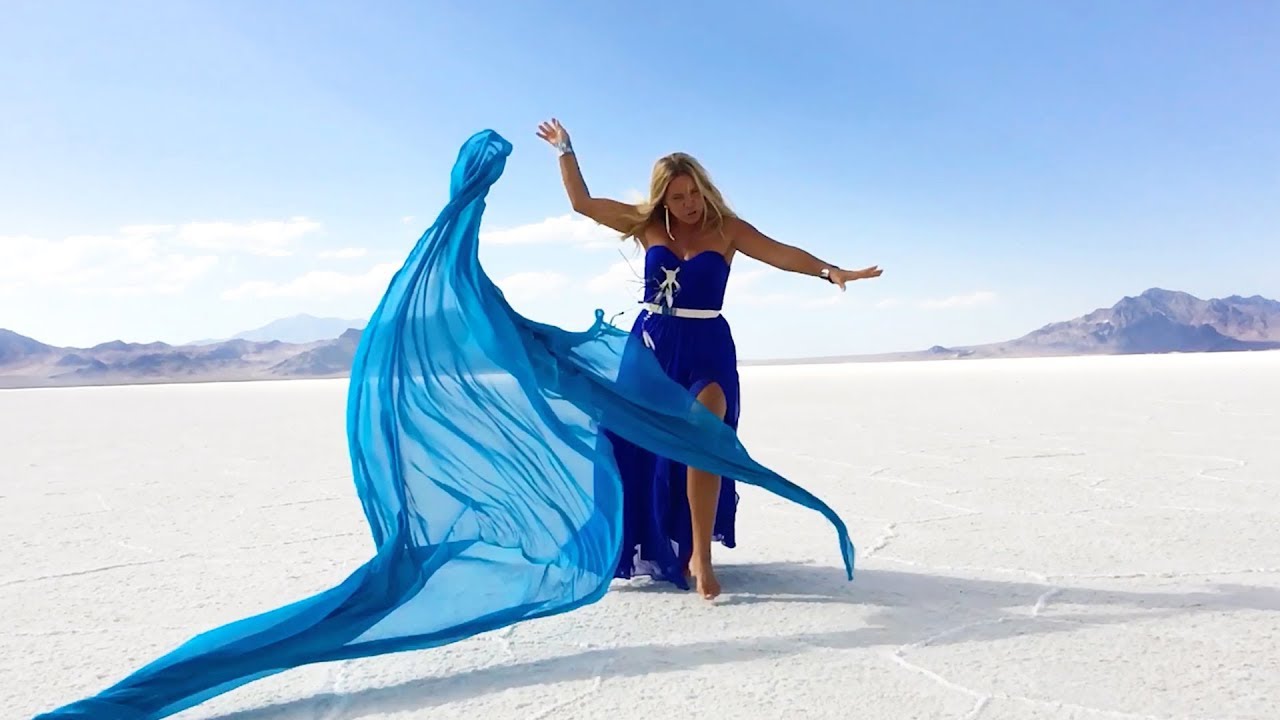
The official music video integrates installation art, kinetic sculpture, and ensemble performance to extend the song's mythic framework into visual space. The presence of the "Kinetic Forest" by sculptor David Boyer and the "Mazu Goddess" installation situates the human performers within a landscape populated by other forms of intelligence and presence—echoing the song's claim that bird tribes and ancestral forces are not separate from but interwoven with human reality.
The instrumentation itself reflects what Deya Dova describes as "blending ancient & primal song, divine vocal frequencies with organic beats, totemic bass and sacred world instrumentation." The layering of these sonic elements creates a polyphonic space where electronic textures coexist with human voice and traditional instrumental tones—no single voice dominates, but rather all elements rise together in recognition of a shared moment.
What Is the Political or Spiritual Implication of "Rising"?
The repetition of "rising" throughout the composition carries both spiritual and collective connotations. To rise is to move upward, to elevate, to awaken, to rebel against suppression. The song does not specify what the bird tribes are rising against or rising toward, but the context suggests a movement away from "old paradigms of perception"—as stated in the artist's own framing language.
The emphasis on recognition—"I bow in complete recognition" (0:80)—suggests that the primary act is not external struggle but internal acknowledgment. Collective rising may therefore be framed not as pitched conflict but as a gradual shift in consciousness wherein humans begin to recognize their kinship with ancestral, non-human, and totemic intelligences. The bird tribes rise not through force but through remembrance, through the activation of dormant knowing within human consciousness.
Where to Go From Here
Listeners interested in exploring these themes further might investigate indigenous music traditions and storytelling practices that use animal and bird symbolism to encode cultural knowledge and spiritual transmission. The work of other contemporary artists blending electronic music with sacred and traditional elements—such as those performed at transformational festivals worldwide—reflects a broader cultural movement toward mythic re-engagement and ancestral consciousness in the digital age.
The song also invites personal reflection: What ancestral memories live within your own body? What old paradigms of perception are you ready to transcend? How might you recognize and honor the non-human intelligences and ancestral forces present in your own environment? These questions transform "Return of the Bird Tribes" from a listening experience into a practice of activation and remembrance.