BrightStar

Browse All Events

Discover conscious gatherings

events

Yoga
Meditation
Breathwork
Qigong
Tai Chi
Sacred Music
World Music
Medicine Music
Sound Healing
Ecstatic Dance
Popular Destinations
BaliSedonaLos AngelesCosta RicaNew YorkSan FranciscoAustinMiamiJoshua TreeTulum
View All CategoriesView All Destinations

Explore All Features

Powerful tools to grow your events

Platform Features

Smart Dynamic Pricing
Ticket Categories
Assigned Seating
Abandoned Cart Recovery
Visitor Recovery
Donations & Sliding Scale
Affiliate Engine
Ticket Scanner
Coupon Codes
Custom Questions
Ticket Sharing
Upsells & Add-ons
Analytics & Reporting
Email Sequences
Waitlist / Notify / Remind
People & Places
Artists & TeachersEvent OrganizersVenues & StudiosKnowledge BaseGlossaryInspiration
View All FeaturesAbout Us
PricingBlog
Language
Saved events
Browse All Events

events

YogaMeditationBreathworkQigongTai ChiSacred MusicWorld MusicMedicine Music

Popular Destinations

BaliSedonaLos AngelesCosta RicaNew YorkSan Francisco

People & Places

Artists & TeachersEvent OrganizersVenues & StudiosKnowledge BaseGlossaryInspiration

Platform Features

Smart Dynamic PricingTicket CategoriesAssigned SeatingAbandoned Cart RecoveryVisitor RecoveryDonations & Sliding ScaleAffiliate EngineTicket ScannerCoupon CodesCustom QuestionsTicket SharingUpsells & Add-onsAnalytics & ReportingEmail SequencesWaitlist / Notify / Remind
View All FeaturesAbout Us
PricingBlog
Log inFind EventsHost Events
  • Browse All Events
  • For Seekers
  • Yoga
  • Meditation
  • Breathwork
  • Qigong
  • Tai Chi
  • Sacred Music
  • World Music
  • Medicine Music
  • Sound Healing
  • Ecstatic Dance
  • Retreats
  • Workshops
  • All Categories →
  • Bali
  • Sedona
  • Los Angeles
  • Costa Rica
  • Tulum
  • Byron Bay
  • San Francisco
  • Austin
  • New York
  • San Diego
  • Denver
  • Seattle
  • Portland
  • Miami
  • All Cities →
  • Join the Movement
  • Why we list
  • Sell Globally
  • For Creators
  • For Teams
  • For Writers
  • For Teachers
  • For Kirtan Artists
  • For Studios
  • For Festivals
  • For Retreat Centers
  • For Nonprofits
  • Brand Ambassador
  • Free Ticketing
  • Elevate
  • Amplify
  • 500K+ Buyer Network
  • Abandoned Cart Recovery
  • Smart Dynamic Pricing
  • Ticket Categories
  • Recurring Events
  • Assigned Seating
  • Affiliate Engine
  • Waitlist / Notify
  • Ticket Scanner
  • Embed Widget
  • Event Syndication
  • Message Center
  • Integrations
  • Reports
  • All Features →
  • About
  • The Ecosystem
  • Blog
  • Glossary
  • Inspiration
  • Help Center
  • Contact
  • API Docs
  • Brand Assets
  • Careers
  • Press
  • Terms of Service
  • Privacy Policy

Events

  • Browse All Events
  • For Seekers
  • Yoga
  • Meditation
  • Breathwork
  • Qigong
  • Tai Chi
  • Sacred Music
  • World Music
  • Medicine Music
  • Sound Healing
  • Ecstatic Dance
  • Retreats
  • Workshops
  • All Categories →

Destinations

  • Bali
  • Sedona
  • Los Angeles
  • Costa Rica
  • Tulum
  • Byron Bay
  • San Francisco
  • Austin
  • New York
  • San Diego
  • Denver
  • Seattle
  • Portland
  • Miami
  • All Cities →

For Creators

  • Join the Movement
  • Why we list
  • Sell Globally
  • For Creators
  • For Teams
  • For Writers
  • For Teachers
  • For Kirtan Artists
  • For Studios
  • For Festivals
  • For Retreat Centers
  • For Nonprofits
  • Brand Ambassador
  • Free Ticketing
  • Elevate
  • Amplify

Features

  • 500K+ Buyer Network
  • Abandoned Cart Recovery
  • Smart Dynamic Pricing
  • Ticket Categories
  • Recurring Events
  • Assigned Seating
  • Affiliate Engine
  • Waitlist / Notify
  • Ticket Scanner
  • Embed Widget
  • Event Syndication
  • Message Center
  • Integrations
  • Reports
  • All Features →

Company

  • About
  • The Ecosystem
  • Blog
  • Glossary
  • Inspiration
  • Help Center
  • Contact
  • API Docs
  • Brand Assets
  • Careers
  • Press
  • Terms of Service
  • Privacy Policy
BrightStar
Get the app
Download on theApp StoreGet it onGoogle Play
© 2026 BrightStar. All rights reserved.
Inspiration

Progressive Muscle Relaxation for Sleep: A Head-to-Toe Practice

Bea Walker
Bea Walker
Sep 14, 2026
8 min read
Watch · 6

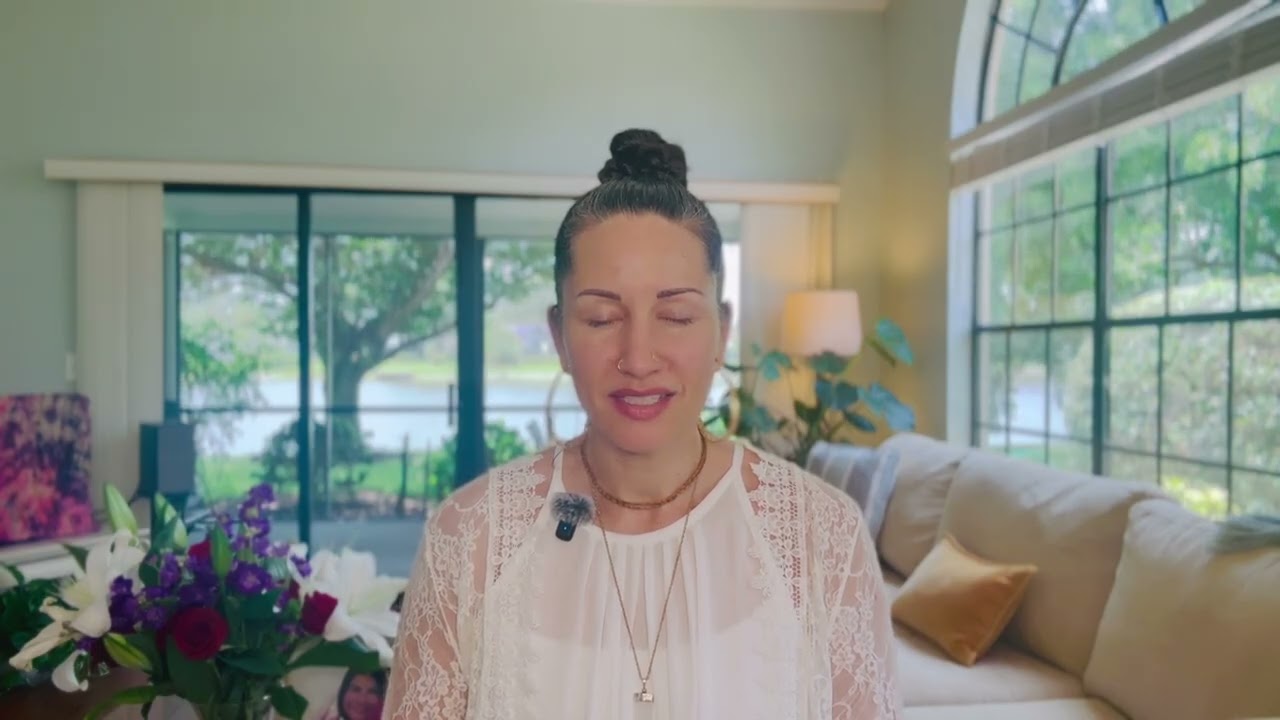
A full body relaxation meditation sounds like a gentle, passive thing, but the practice Bea Walker guides in this roughly eight-minute recording is built on effort first: you deliberately tighten one region of the body, hold it for a slow three-count, and then let it go completely. Working from the forehead down to the toes, then tensing the whole body at once before returning to the breath, the session is a progressive muscle relaxation sequence designed to help the body loosen its grip on the day and drift toward sleep. What makes it work is not the calm voice alone but the rhythm underneath it, a repeated contrast between holding and releasing that gives the body something concrete to let go of.

Read · 8 sections

What happens before a single muscle moves?

The practice does not begin with tension. It begins with a request to lie down and a few deliberate breaths. Walker opens by explaining the purpose: the meditation "was created to help you release tension and ground into your body to prepare for a restful night's sleep" (opening, 0:02). She then recommends fully lying down, not sitting, so that you can really let go (0:34), and invites you to find whatever position is comfortable before closing your eyes.

The breathing that follows is worth taking seriously because it sets the tempo for everything after. Walker asks for a deep inhale through the nose and an exhale out of the mouth, repeated several times, with one round where the mouth opens on the inhale and the exhale is let go. Only then does she return to an easy, unforced breath pattern and bring attention to the face (1:40). That order matters: the body is primed with a few full breaths before anything is asked to contract, so the eventual release has a settled baseline to land on.

Why does the practice start with the face?

Starting at the top of the body gives the session a natural downward path, and the face is a good first stop because it holds more tension than most people realize. The instructions are specific: as you inhale, gently scrunch the forehead and squeeze the eyes shut, hold, and release. Then Walker names what should follow: "Let your forehead soften. Allow your eyes to soften. Unclench your jaw" (around 2:00 to 2:06). The jaw is the detail that stands out. It is the place most people clench without noticing, and naming it turns an unconscious habit into a specific thing to find and release.

The practice's logic is that the release is the point. Tensing is a tool for making the letting go easier to feel. A forehead that has been squeezed and then relaxed tends to reveal how much it was holding, which is exactly the awareness progressive muscle relaxation is meant to build.

How does the tense-hold-release cycle actually work?

Every region in the meditation follows the same three-part shape, and the consistency is what makes the session easy to follow even when your eyes are closed. Walker tightens the area while you inhale, holds for a slow count of three, two, one, then releases on an exhale. The count is short enough to keep the muscles from fatiguing, and it is the exhale that does the work of letting go.

Between cycles she adds softer instructions that describe the sensation rather than the action: let the fingers gently uncurl, let the thighs and calves soften, let the heels become heavy. The shift from "squeeze" to "let" is deliberate. The tension is brief and purposeful; the release is open-ended, and it is where the attention is meant to settle.

"As you release each area of the body, imagine any remaining stress or tension just melting away." (Bea Walker, opening instructions, 0:24)

That image of melting is the practice's main metaphor, and it is worth noticing that Walker invites you to imagine it rather than force it. The meditation asks the body to do a physical thing and the mind to notice what follows.

What does the journey down the body look like?

After the face, the sequence moves steadily downward, and each stop asks for a slightly different kind of effort:

  • Neck: Rather than lifting, you gently press the head into the pillow or the surface beneath it, then let the neck soften and let remaining tension melt away.
  • Shoulders: You lift them gently toward the ears, hold, and let them drop, with the image of "the weight of the day sliding off of them" (around 3:10).
  • Arms and hands: Upper arms and forearms tighten, fists close and squeeze, then the fingers uncurl and the arms are allowed to become heavy.
  • Chest: This is the one place the breath itself becomes the exercise. You take a slow, deep breath in, feel the chest expand, hold, then exhale completely and let any tightness around the heart soften.
  • Belly: The abdominal muscles tighten slightly, then soften and deflate, so the belly rises and falls naturally with each breath.
  • Hips, pelvis, and glutes: A single region, tightened and released, with the instruction to let go of any tension or tightness there.
  • Legs and feet: Thighs and calves squeeze, then soften and grow heavier. The toes curl, the feet tense, and then the toes relax while the heels become heavy.

Two things are worth noticing across this sequence. First, the body is grouped into broad regions rather than individual muscles, which keeps the session moving and makes it possible to follow at bedtime without needing anatomical knowledge. Second, the chest and belly are where the breath is tied most directly to the movement, which makes them a natural midpoint of the practice: the body has been working its way down, and the breath becomes the tool that carries it through.

What happens when the whole body tenses at once?

The meditation's most distinctive moment comes near the end, after the body has been released piece by piece. Walker asks you to take a deep breath and then tense the entire body at once, "from your face, shoulders, arms, hands, belly, legs, all the way down to your toes" (around 6:17). The hold is the same three-count, and the exhale brings a full release.

Doing the sequence in parts and then as a whole serves a useful purpose. Having released each region separately, you have a clearer sense of the difference between tension and ease. The full-body tense then gathers those separate efforts into one moment, and the release that follows tends to feel broader because it covers the whole body at once. Walker's words for this stage are "Let the whole body soften. Feeling supported, grounded, and relaxed" (around 6:52).

How does the practice end, and why does that matter?

The closing movement returns the attention to the breath, and the language shifts from instruction to suggestion. "With every breath, feel yourself sinking deeper into the surface beneath you," Walker says, "sinking deeper into ease, deeper into rest" (around 7:10). The meditation does not end with a command to get up or a new task. It ends with one final slow breath in, a long gentle breath out, and a short blessing: "May you rest well."

That ending is a practical choice as well as a spiritual one. A sleep-oriented practice has to be designed to hand you off gracefully, so that the last thing you do is breathe slowly and let the body sink. The soft, open instructions at the close are meant to ease you out of the practice and toward the state it has been building.

When is this practice most useful?

The video's own description names three situations: before bed, during stressful moments, and any time the body is holding onto tension and you are ready to slow down. The sleep focus is clear from the opening line and the closing blessing, but the structure itself is portable. A shorter version of the same sequence could be done sitting in a chair during a tense moment, though the instructions in this recording are written for lying down, and Walker's guidance is to recline fully so the release can happen.

The practice is also gentle by design. Every tensing is brief, every hold is three counts, and the language repeatedly asks you to do the work softly. For someone who is new to progressive muscle relaxation, that gentleness is the point: the goal is to notice where the body is holding on and let it go, not to push the muscles to their limit.

Where to go from here

If this sequence speaks to you, the easiest next step is to return to it on a night when your body feels especially wound up, and to notice which regions release most easily and which hold on. Walker's description points to her broader meditation library on Insight Timer and to her website, holisticbea.com, for more guided meditations and relaxation practices. Used regularly, a practice like this one teaches the body a pattern: squeeze briefly, hold, let go, and breathe into the release. Over time, that pattern becomes something you can reach for on your own, in bed or in the middle of a hard day.

Comments

Loading the conversation…

Transcript

[0:02] Hi, my name is Be and welcome to today's

[0:06] practice. This meditation was created to

[0:09] help you release tension and ground into

[0:12] your body to prepare for a restful

[0:14] night's sleep.

[0:16] We'll gently relax the body by tensing

[0:19] and holding the muscles for a few

[0:21] seconds and then releasing completely.

[0:24] As you release each area of the body,

[0:27] imagine any remaining stress or tension

[0:30] just melting away.

[0:32] For this practice, I recommend fully

[0:34] lying down so that you can really

[0:36] release and let go.

[0:39] So, I invite you now to find a

[0:41] comfortable position, whatever that

[0:43] might be for you.

[0:47] And once you've settled comfortably into

[0:49] your space, you can close your eyes.

[0:56] And let's first bring the awareness to

[0:58] the breath.

[1:01] Taking a nice deep breath in through the

[1:03] nose

[1:06] and exhaling out of the mouth.

[1:11] Again, take a deep breath. Inhale.

[1:16] and open the mouth. Exhale, let it go.

[1:22] And one more time. Deep breath in.

[1:27] And this time, open the mouth inside

[1:29] out.

[1:35] Now return to an easy breath pattern

[1:40] and bring your awareness to your face.

[1:45] As you inhale, gently scrunch your

[1:47] forehead and squeeze your eyes shut.

[1:51] Hold for three, 2, 1, and release and

[1:56] exhale.

[1:58] Let your forehead soften.

[2:01] Allow your eyes to soften.

[2:04] Unclench your jaw.

[2:06] Feel the muscles of your face completely

[2:09] relax.

[2:18] Now bring your awareness to your neck.

[2:22] As you inhale, very gently press your

[2:24] head into your pillow or the surface

[2:27] it's resting on. Hold for 3 2 1 and

[2:34] exhale. Release. Allow your neck to

[2:37] soften.

[2:39] Let any remaining tension melt away.

[2:47] Now bring your awareness to your

[2:49] shoulders.

[2:51] Lift them gently towards your ears. Hold

[2:55] for three,

[2:57] two, one, and release. Let your

[3:01] shoulders drop and imagine the weight of

[3:05] the day sliding off of them.

[3:13] Now bring your awareness to your arms.

[3:17] Gently tighten your upper arms and

[3:20] forearms and make fists with your hands

[3:23] and [music] squeeze. Hold for three,

[3:27] 2, one, and release. Let your fingers

[3:32] gently unccurl.

[3:34] Allow your arms to become heavy and

[3:37] [music] relaxed.

[3:45] Now bring your awareness to your chest.

[3:50] Take a slow deep breath in feeling the

[3:53] chest expand.

[3:56] Hold for three

[3:58] 2

[4:00] one and exhale completely.

[4:05] Allow any tightness around your heart

[4:08] and chest to soften.

[4:16] And now bring your awareness to your

[4:18] belly.

[4:21] Take another gentle breath in

[4:24] and tighten your abdominal muscles

[4:27] slightly. Hold for three,

[4:30] two,

[4:32] one.

[4:33] and exhale. Release and let it go. Allow

[4:36] your belly to soften and deflate,

[4:40] letting it rise and fall naturally with

[4:43] each breath.

[4:54] Now bring your awareness [music] to your

[4:56] hips, pelvis, and glutes.

[5:00] Gently tighten this area.

[5:03] Hold for three,

[5:05] 2,

[5:07] one, and release.

[5:11] Letting go of any tension or tightness

[5:14] here.

[5:22] Now bring your attention to your legs.

[5:26] Squeeze the muscles of your thighs and

[5:29] calves.

[5:30] Hold for three,

[5:32] two, one, and release.

[5:37] Let your thighs and calves soften.

[5:41] Feel them becoming heavier.

[5:48] And finally,

[5:50] bring your awareness to your feet.

[5:54] Curl your toes tightly. Tense the

[5:57] muscles in your feet.

[5:59] Hold for three, two,

[6:03] one, and release.

[6:06] Let the toes relax

[6:09] and let your heels become heavy.

[6:17] Now notice your entire body from the

[6:20] crown of your head all the way down to

[6:23] the tips of your toes.

[6:28] Take a deep breath in. And now tense the

[6:32] entire body from your face, shoulders,

[6:36] arms, hands, [music]

[6:38] belly, legs, all the way down to your

[6:40] toes.

[6:42] Hold for three, 2,

[6:45] one, and exhale. Release. Let it all go.

[6:52] Let the whole body soften.

[6:55] Feeling

[6:57] supported,

[6:59] grounded,

[7:01] and relaxed.

[7:07] And bring your awareness back to your

[7:10] breathing.

[7:13] And with every breath, feel yourself

[7:16] sinking deeper into the surface beneath

[7:19] you.

[7:22] sinking deeper into ease,

[7:27] deeper into rest.

[7:33] And take one final slow breath in

[7:40] and a long gentle breath out.

[7:48] May you rest well.

[7:51] Namaste.

Bea Walker
ArtistBea Walker

Bea Walker is a holistic health coach, yoga teacher and meditation guide who helps women heal anxiety through nervous system regulation, breathwork, somatic practice and Ayurvedic…

View profileWebsite
Explore Topics
Progressive-muscle-relaxationBody-scan-sleepFull-body-relaxationGuided-meditationSleep

Got Questions?

Frequently Asked Questions

Progressive muscle relaxation involves tensing a region of the body on an inhale, holding briefly, then releasing on an exhale. In Bea Walker's practice, you lie down, breathe deeply, and move from the face to the toes using this tense-hold-release cycle before a final full-body tense and a return to the breath.
In this guided practice, each tensing is held for a slow count of three, two, one, and then released on an exhale. The hold is kept short and gentle rather than forceful.
Bea Walker recommends fully lying down so you can really release and let go, and she asks you to find whatever position is comfortable for you. The instructions, including pressing the head into the pillow, assume you are reclining.
This particular guided practice runs about seven minutes and fifty-six seconds. Its sequence covers the breath, face, neck, shoulders, arms, chest, belly, hips, legs, and feet, followed by a full-body tense and release.
The video's description says the practice is suited to stressful moments as well as bedtime, and to any time the body is holding tension and you are ready to slow down. Its short structure makes it adaptable, though the recording itself is written for lying down.
The video description points viewers to her full meditation library on Insight Timer and to her website, holisticbea.com, for more guided meditations and relaxation practices.

Continue Reading

More from Bea

View All
Calling on Loving Presence: A Guided Path From Fear to Trust
Inspire

Calling on Loving Presence: A Guided Path From Fear to Trust

Tara Brach's guided meditation on calling on loving presence: find the place of fear, listen for its longing, and let a source of care answe…

1 min read
Loving-Kindness Metta: How the Phrases Widen the Heart
Inspire

Loving-Kindness Metta: How the Phrases Widen the Heart

Brenda McMorrow's eight-minute guided metta meditation moves from self to all beings through three short phrases. Here is how the sequence w…

1 min read
Yoga Nidra for Wholeness: Sankalpa and Body Scan Guide
Inspire

Yoga Nidra for Wholeness: Sankalpa and Body Scan Guide

A 35-minute guided Yoga Nidra rest that moves from breath to sankalpa to a full body scan and back to waking. Here is how its structure work…

1 min read
This Belongs: The Ocean Meditation for Meeting Every Wave
Inspire

This Belongs: The Ocean Meditation for Meeting Every Wave

Tara Brach's guided meditation "Everything Belongs" turns a body scan into an ocean metaphor and a two-word practice. Here is how "This belo…

1 min read

Keep exploring

Continue your journey

More wisdom and gatherings from across the BrightStar directory.

More Articles

Browse the full library of teachings, interviews, and guides.

Back to all articles →

Teachers & Artists

Explore the lineages, musicians, and guides of the conscious world.

Explore artists →

Find an Event

Kirtan, retreats, sound baths, breathwork, festivals — happening soon.

Browse events →