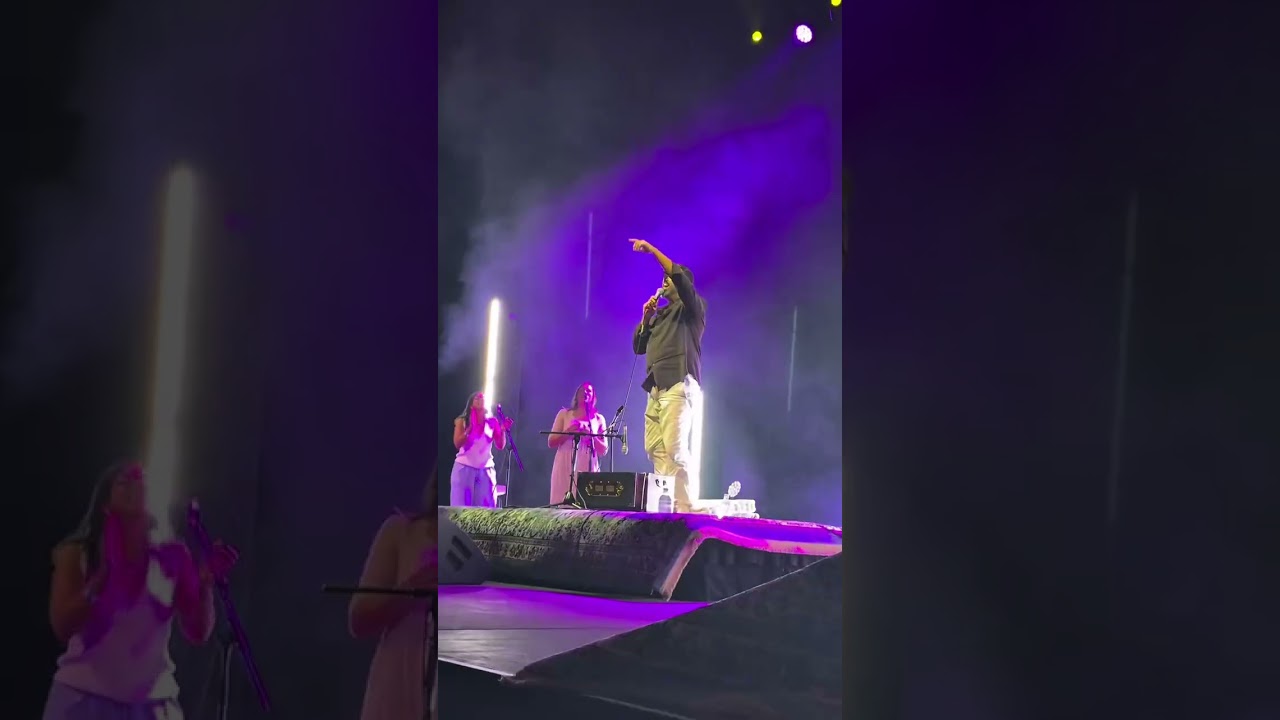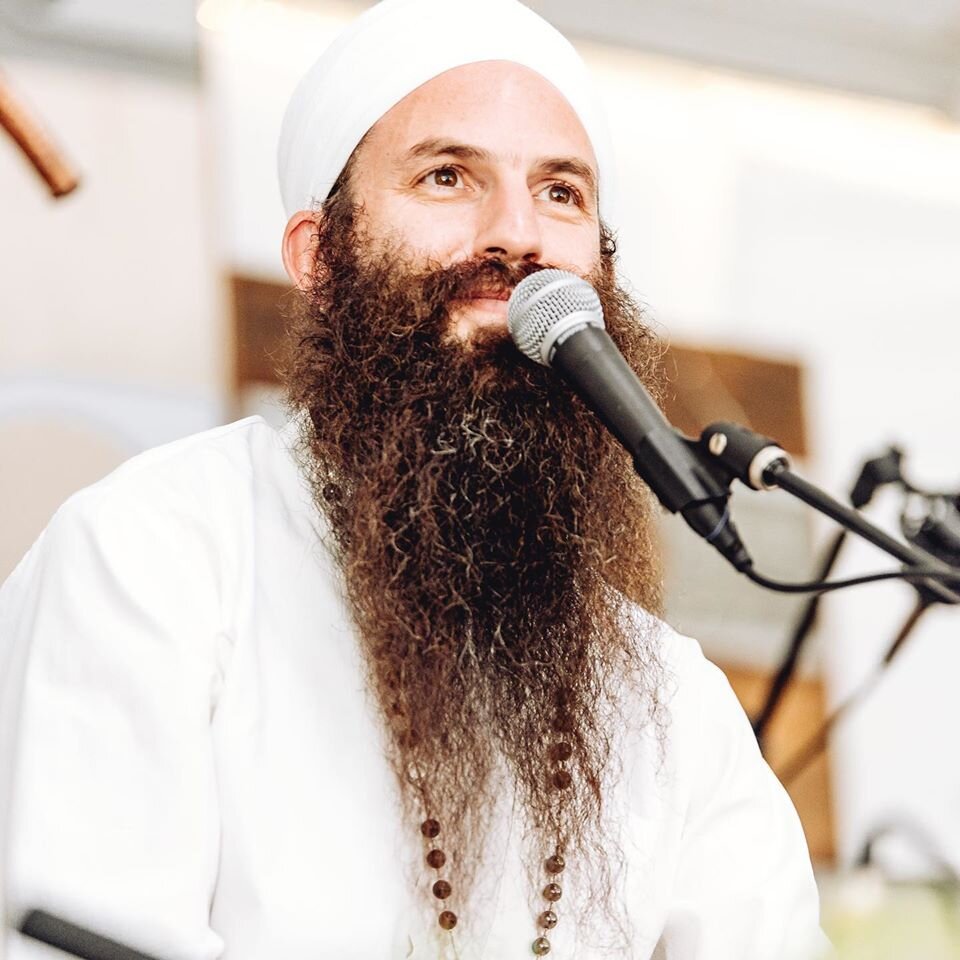
Jai Dev Singh speaks on behalf of the Art of Living Retreat Center in Boone, North Carolina, about the urgent need to preserve this sacred space that was gifted by Gurudev nearly a decade ago. Closed since March 2020 due to the pandemic, the ashram requires $5 million in funding to recover from COVID-19 losses, maintain its infrastructure, and reopen by March 2021. The talk emphasizes the responsibility of the community to ensure that future generations can continue to practice meditation, chant, and celebrate the art of living on these grounds.
The Art of Living Retreat Center in Boone represents far more than a physical property. According to Singh, the community has spent nearly a decade gathering at this location for some of their most cherished spiritual occasions. Guru Purnimas—celebrations honoring the guru-disciple relationship—have been held on these grounds, as have countless other transformative events. The ashram was gifted to the organization by Gurudev, the founder of the Art of Living movement, an act of selflessness that embedded the space with deep spiritual significance for practitioners.
Members have walked the grounds together, listened to Gurudev's teachings in a serene setting, meditated in dedicated halls, and sung by the fire. These shared experiences have created collective memories that Singh describes as "unforgettable," binding the community not just to the ashram as a building but to the lineage and values it represents. The retreat center is understood as a legacy—a physical manifestation of spiritual lineage that belongs to the present generation and to those who will come after.
The COVID-19 pandemic forced the closure of the ashram in mid-March 2020, disrupting the regular gatherings that form the backbone of the Art of Living community's practice. The closure created both immediate operational losses and ongoing financial strain. Singh announces that the organization planned to reopen on March 1, 2021, signaling a commitment to resuming spiritual activities once it was safe to do so.
However, reopening was not simply a matter of unlocking doors. The pandemic had created significant financial damage—expenses continued while revenue from programs, retreats, and donations dwindled. The ashram required sustained funding not only to cover the costs of closure but also to prepare the physical space for welcoming practitioners safely once again.
Singh outlines the operational complexity of maintaining a large spiritual retreat center. The ashram comprises 130 buildings and spans 514 bedrooms with full water distribution systems. This extensive infrastructure requires continuous maintenance, staffing, utilities, and operational support—costs that accumulate whether or not the facility is open to guests.
The organization's fundraising goal of $5 million for the final quarter of 2020 reflects both the scale of COVID-19 losses and the magnitude of operational expenses. According to Singh's description, the ashram has been running an annual budget in the hundreds of thousands of dollars—possibly reaching into the millions when accounting for staff, maintenance, utilities for multiple buildings, and guest services. The pandemic created a gap where normal revenue sources (retreat fees, donations during events) ceased while expenses for property maintenance and basic staffing continued.
Singh emphasizes that the ashram is not merely a facility but a vessel for transmitting spiritual teachings across generations. He stresses that "if we want our future generations to have the opportunity to walk these paths, to share time in these meditation halls, to chant and sing by the fire, and to celebrate the art of living, then we need to work together, and swiftly." This language frames the retreat center as a bridge between past lineage (represented by Gurudev's gift) and future practitioners who have yet to be born.
The "invaluable gifts of the lineage," as Singh calls them, depend on physical spaces where people can gather, learn, and practice together. Unlike teachings that can exist in books or online, the lived experience of meditation in a dedicated hall, the collective energy of group chanting, and the direct transmission that happens when practitioners are physically together in a sacred space require an actual place to occur. The ashram is thus inseparable from the lineage's ability to propagate itself.
Singh makes a clear appeal: the community is being asked to make tax-deductible donations of any size to support the ashram's recovery and reopening. He acknowledges that members "already contribute to this community in countless ways," recognizing their ongoing participation in events, volunteer work, and spiritual practice. The fundraising request is positioned not as asking for something new but as intensifying existing commitment during a critical moment.
The language Singh uses—invoking Gurudev's concept of keeping "the chance for miracles" alive—frames financial giving as a spiritual act. Donations are not portrayed as rescuing a failing business but as preserving a space where spiritual transformation can occur. This reframes the fundraising appeal from a conventional nonprofit pitch into a call to protect something sacred.
The fourth quarter of 2020 was set as the window for raising the $5 million needed. With the ashram targeted to reopen March 1, 2021, the organization had approximately three months to secure funding and prepare the facility. This urgent timeline reflects both the operational reality of maintaining a large property and the symbolic importance of reopening the space for the spring season—traditionally a time for renewal in spiritual practice.
Singh's framing suggests that delay in fundraising would directly threaten the reopening date, which carries meaning beyond mere scheduling. The reopening was positioned as a restoration not just of operations but of spiritual continuity—a moment when the ashram could fulfill its purpose again.
For those interested in supporting the Art of Living Retreat Center, donations can be made at bit.ly/booneashram. The organization offers tax-deductible giving, making contributions financially accessible to supporters at various levels. Beyond financial support, the talk serves as an invitation to understand what sacred spaces require to survive in the modern world—not just spiritual intention but sustained material resources, community commitment, and willingness to invest in continuity across generations. For practitioners of the Art of Living tradition, the ashram's preservation represents a direct opportunity to participate in ensuring their lineage remains rooted in place.