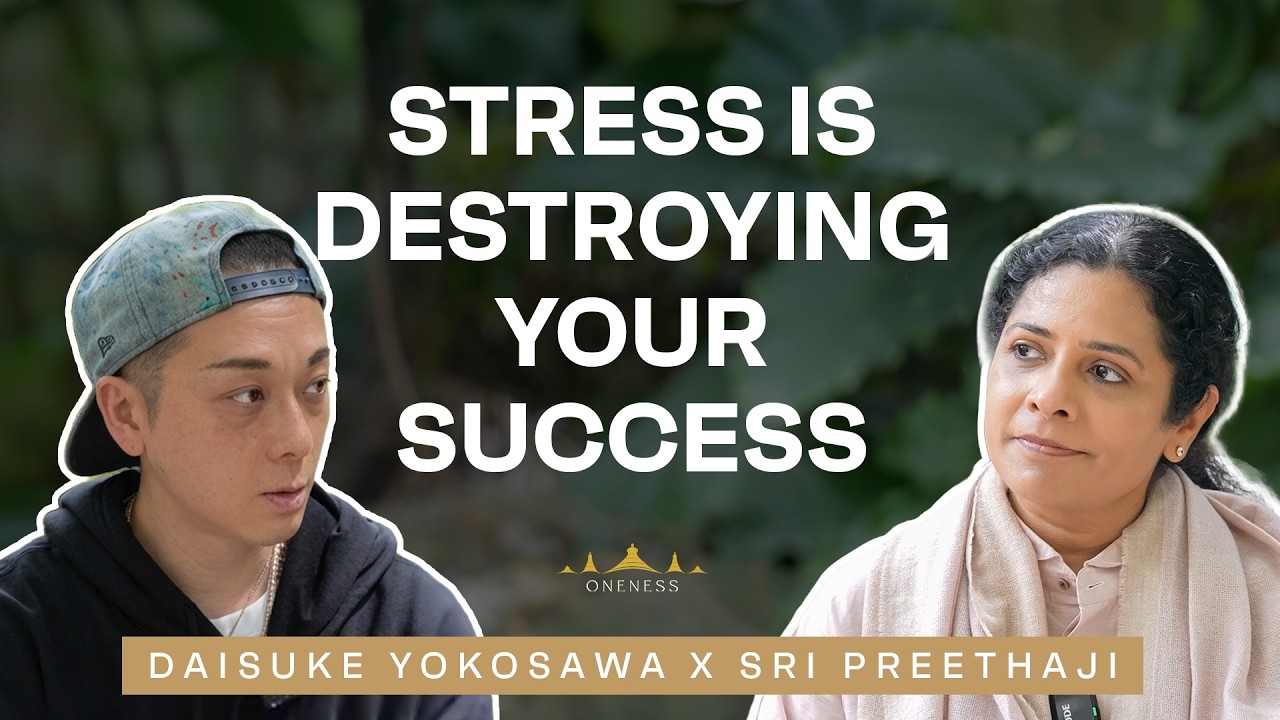
Passionate living and addiction to work are not the same thing. True passion is sustained by balance—allocating energy and attention across creation, relationships, rest, and problem-solving—rather than burning out through overwork. This approach actually increases efficiency and clarity in all domains of life, while addiction to work depletes resilience and joy.
What Is the Difference Between Passion and Addiction?
The distinction between passion and addiction is often blurred in contemporary culture, where overwork is romanticized as dedication. Passion, in the teaching presented, is a quality of engaged, wholehearted participation in life. Addiction, by contrast, is compulsive repetition driven by avoidance, dependency, or loss of choice. A person passionate about their work still makes space for family, rest, creativity outside their profession, and reflection. A person addicted to work uses work to escape—filling every hour, avoiding stillness, and neglecting other dimensions of being human.
This distinction matters because addiction masquerades as commitment. Someone working 16-hour days may believe they are "passionate" about their craft or mission. But if that schedule comes from internal pressure, fear of idleness, or the need to prove worth through productivity, the underlying driver is addiction, not passion. Passionate living, by this definition, is sustainable. Addicted living burns out.
How Does Balance Support True Efficiency?
A counterintuitive insight emerges when we examine how the mind actually works: efficiency in creation and problem-solving depends on rest, perspective, and mental space. When a person is immersed in work without pause, they lose the distance needed to see problems clearly. Fresh solutions come from stepping away, from engaging other parts of the mind through play, relationships, or contemplation. A musician who practices eight hours without break actually performs worse than one who practices four hours, rests, walks in nature, and returns refreshed. The mind needs incubation time.
Holistic living—honoring work, rest, relationships, creativity, and reflection—creates the conditions for what is sometimes called "flow": periods of deep focus that emerge naturally when the whole system is balanced. This is not laziness or lack of commitment. Rather, it is recognizing that a human being is not a machine, and that true productivity flows from integrity across all domains. A person who neglects their health, relationships, and spiritual life to maximize work hours will eventually see diminishing returns in that work itself.
What Does It Mean to Let Go of Overwork Addiction?
Releasing the addiction to overwork is not about becoming less ambitious or committed. It is about shifting the source of one's actions from compulsion to choice. Some questions that reveal whether work has become addictive include: Can I rest without anxiety? Do I derive my sense of worth from productivity alone? Am I avoiding something through constant activity? Can I say no to opportunities without guilt?
Letting go requires first noticing the pattern without judgment. Where does the drive to work come from? Is it genuine interest and care for the work, or fear of emptiness, unworthiness, or irrelevance? Once that awareness is present, a person can begin to consciously allocate their time and energy. This might mean setting boundaries—defining work hours and protecting personal time. It might mean developing other sources of fulfillment and identity beyond professional achievement. It might mean learning to be productive in shorter, more focused bursts rather than through extended exhaustion.
How Can Someone Build a Holistic Approach to Life?
A holistic approach means identifying the key domains of a full human life and consciously nurturing each. These typically include: purposeful work or contribution, relationships and community, physical health and embodiment, creative expression, intellectual growth, rest and restoration, and spiritual or contemplative practice. Few people excel in all domains simultaneously, but awareness of them prevents the common pattern of developing one area while withering others.
Practically, this might look like: scheduling time for exercise not as a chore but as non-negotiable self-care; having meals with loved ones where work is set aside; maintaining a hobby or creative practice unrelated to career; building in regular rest days where the mind is not oriented toward productivity; and creating space for reflection—whether through journaling, meditation, therapy, or simply walking alone.
The paradox is that this attention to balance often improves performance in the primary domain of work itself. A person who takes their relationships seriously develops better communication and empathy, which makes them a better collaborator. Someone who exercises regularly and sleeps well has more clarity and energy for complex problem-solving. A person who engages in creative play outside work often brings fresher thinking to professional challenges. Balance is not a compromise on excellence; it is a foundation for it.
What Is the Role of Joy in Passionate Living?
Joy is not incidental to passionate living—it is a marker of it. If passion has become grim, obligatory, or accompanied by constant stress, that is a signal that addiction has likely taken over. True passion is characterized by periods of genuine delight: satisfaction in doing something well, connection in collaboration, curiosity about a problem, and the simple pleasure of moving toward something meaningful.
This does not mean every moment of work is joyful, nor that there are no difficult seasons. But over time, passionate living should feel more like play and less like punishment. If someone dreads their work, avoids their relationships, or cannot enjoy rest, those are indicators that the system is out of balance and addiction patterns may be present.
Where to Go From Here
The shift from addiction to passion begins with honest self-assessment. Notice where your energy goes. Observe what you avoid and what you pursue compulsively. Without judgment, ask whether your current allocation of time and energy reflects what you actually value, or whether you have been operating on autopilot or driven by old fears and conditioning. From that awareness, small choices can shift the pattern: protecting one evening per week from work, starting a practice that engages a different part of yourself, having one meaningful conversation with someone you care about. These are not frivolous activities that take away from "real" work; they are the foundation upon which sustainable excellence rests. Passionate living is an ongoing calibration, not a destination—and it begins with the willingness to examine whether what you thought was passion might actually be addiction, and to choose differently.