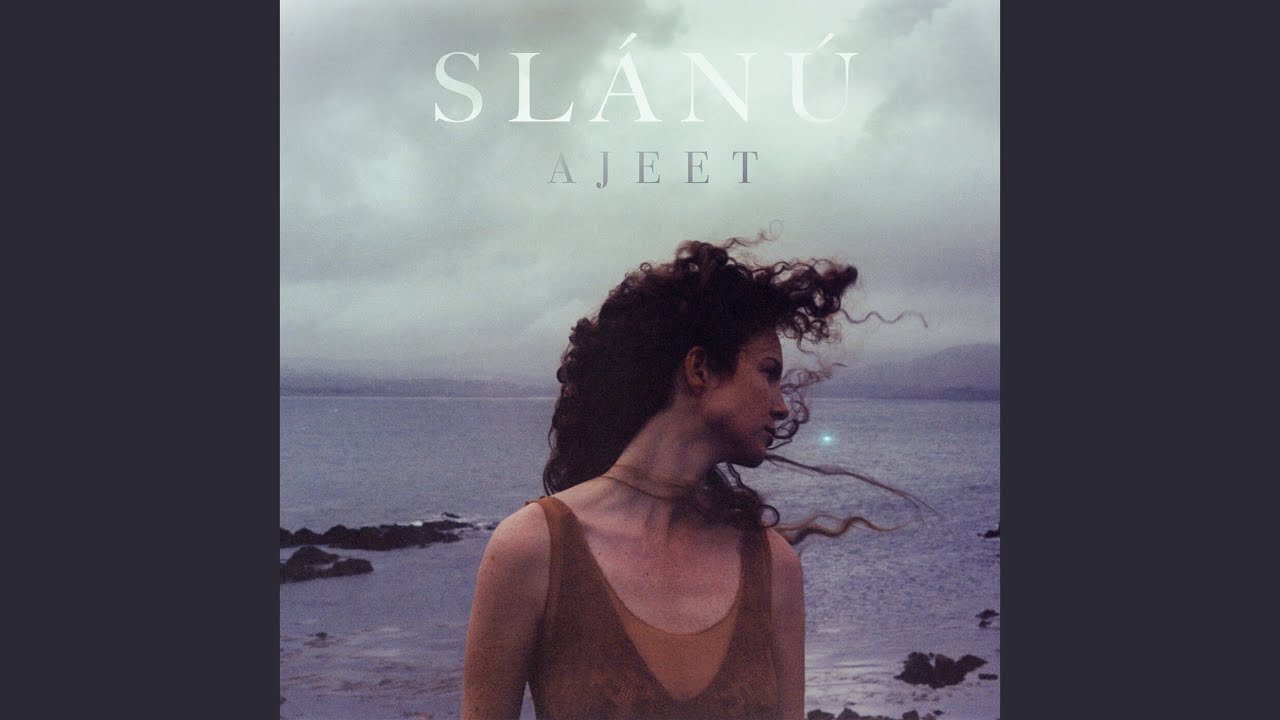
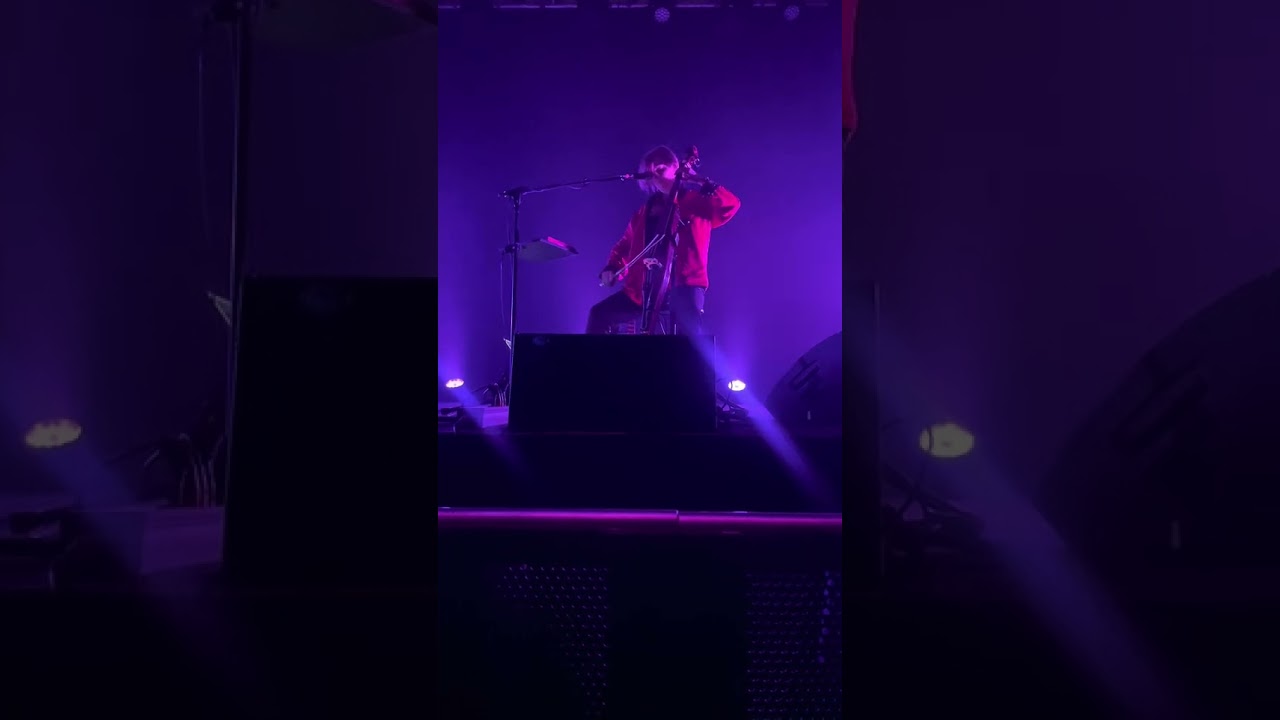
"Para Sanar" is a three-minute, twenty-second track whose title is Spanish for "to heal," released on October 9, 2026 through Spirit Voyage Records and credited to a lineup of players spanning harp, cello, violin, bouzouki, flute, bass and a deep percussion section. The release also carries a second title, "Slánú," which is the Irish word for healing. With no transcript, no lyrics and no audio description available to us, the only solid material is the title and the credit sheet. Read closely, those credits still tell a useful story about how a healing song gets built: a tight writing pair, a much larger circle of players, and a release that names the same idea in two languages.
"Para" means "for" or "in order to," and "sanar" means "to heal." Put together, the phrase reads as "to heal" or "in order to heal." It is an infinitive, so the title names an action rather than describing a state. That is a meaningful choice for a song. A title like "Healed" would describe a finished condition, while "to heal" keeps the work in progress. Listeners who come to the track expecting a resolved, triumphant statement may find that the title asks them to stay with the process instead.
The release description places "Slánú" directly beneath "Para Sanar," with no explanation attached. Slánú is the Irish-language word for healing, and it sits naturally next to the Spanish phrase because the two words name the same thing. Whether the pairing was meant as a translation, an alternate title, or a nod to the musicians' own backgrounds, the metadata does not say. What it does establish is that the record is presented as a bilingual object from the start, and that the healing theme is stated twice before a single note is heard.
The credits list the following people, and their roles say a good deal about the sound before you press play:
- Siobhan Moore sings lead vocals and plays acoustic guitar, piano, bouzouki and percussion. She also produced the track, engineered the sound, and co-wrote the composition and lyrics.
- Alex Serra provides vocals and co-wrote the composition and lyrics.
- Shannon Hayden plays cello and violin.
- Sam Killeen plays electric guitar, bouzouki and acoustic guitar.
- Aisling Urwin plays harp and sings background vocals.
- Maneesh de Moor plays flute and piano and sings background vocals.
- Jared May plays bass.
- Raffa Martinez plays percussion and sings background vocals.
- Toti Dub plays percussion and handles drum programming.
- Piper Payne mastered the record.
Moore and Serra are the two named songwriters, and the rest of the room is filled by players. That division is common in small-label work, where a writing core brings the song to a studio and the arrangement grows around it.
Three details stand out. First, the background vocals are spread across three singers, which suggests layered voices behind the lead rather than a single voice doubled. Second, the rhythm has two textures: a live percussionist and a separate drum programmer are both credited, so the pulse is likely built from acoustic and programmed elements working side by side. Third, the harmonic colors are wide. Harp, cello, violin, flute and piano sit alongside bouzouki and two guitars, which gives the arrangement a broad palette in a short running time.
The credits cannot tell us how these parts sit together in the mix, how long each one holds its place, or where the voices come in. That work belongs to the listening itself, and it is the part no credit sheet can stand in for.
The video is listed as published on October 8, 2026, one day before the stated release date of October 9. The upload carries 10,446 views at the time of retrieval. Those figures are modest, and they should be read as a snapshot of a new release rather than a measure of its reach.
Start with the title. Hold "to heal" in mind as an action rather than an outcome, and listen for whether the arrangement behaves like a process: whether the voices gather or thin out, whether the rhythm steadies or shifts, and whether the harp and cello come in as a settling force or a lift. Play it once with attention on the vocals and once with attention on the percussion. The credits give you a map of who to listen for; the record itself will show you what they chose to do with it.
If the release has caught your attention, the most direct next step is to search for the other work of Siobhan Moore and Alex Serra, the two credited songwriters, and to look at the catalogue of Spirit Voyage Records, which issued this track. Because the source material here is limited to a title and a credit sheet, it is worth returning to the recording itself, and to any lyrics or liner notes the artists publish, before drawing firm conclusions about what the song is trying to say.