Transcript
[0:01] Welcome to a thousand sons sessions.
[0:05] Real conversations about well-being,
[0:08] purpose, and the journey home.
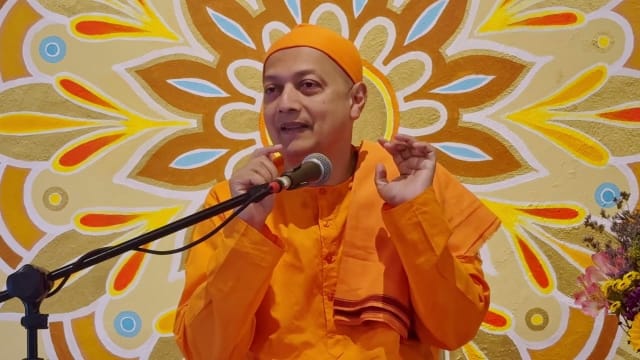
[0:11] I'm your host, Vidya [music] Heisel,
[0:14] here at beautiful Suryalila Retreat
[0:17] Centre
[0:18] in the Andalusian countryside of
[0:20] Southern Spain.
[0:22] In each session, I sit down with
[0:26] inspiring teachers, thought leaders, and
[0:29] wellness experts to explore what it
[0:32] means to live a meaningful, happy, and
[0:36] conscious life.
[0:39] Thank you for joining us.
[0:41] Let's dive in.
[0:43] My guest today is Gonie Zilberman.
[0:47] Gonie was a journalist. She's also a
[0:50] filmmaker, and she
[0:53] was the co-manager of the Echo Me
[0:56] Centre,
[0:58] an intercultural living experiment in
[1:01] the heart of the West Bank.
[1:04] She is also the co-founder of MVC
[1:08] Rising, a global initiative promoting
[1:12] the widespread use and inclusivity of
[1:16] nonviolent communication.
[1:19] Gonie's work is rooted in the powerful
[1:22] framework
[1:23] of nonviolent communication, or MVC,
[1:28] a practice that offers a path
[1:31] to deeper empathy,
[1:33] authentic connection,
[1:35] and peaceful conflict resolution.
[1:40] In this episode, we begin by exploring
[1:43] the foundational principles of MVC and
[1:46] how it transforms the way we relate to
[1:50] ourselves and others.
[1:52] And we will also dive into Gonie's
[1:55] profound work
[1:57] in one of the world's most painful and
[1:59] entrenched conflicts.
[2:02] The Israeli-Palestinian divide.
[2:05] Gony has been using NVC as a bridge
[2:08] between communities in conflict,
[2:11] bringing people together across
[2:13] seemingly impossible chasms of fear,
[2:17] grief, grief, and generational trauma.
[2:21] This conversation is about language, but
[2:24] not just spoken spoken language. It's
[2:27] about the language of the heart
[2:30] and how choosing empathy over blame,
[2:33] presence over judgment might change the
[2:37] world,
[2:38] one human encounter at a time.
[2:42] So welcome, Gony.
[2:44] >> Hello.
[2:45] I'm very excited and a bit stressed
[2:48] in this moment
[2:49] and very honored.
[2:51] >> Thank you.
[2:53] So
[2:55] I'm very excited to speak to you because
[2:58] I have been a big fan of NVC for about
[3:01] 12 years myself
[3:03] and it's helped me a lot in my own life.
[3:07] And I became interested when I was
[3:10] actually involved in some personal
[3:12] conflict with someone
[3:14] and I felt like I didn't have the tools
[3:18] to
[3:19] try to
[3:21] resolve the conflict and I started
[3:23] looking for tools and then I found NVC
[3:27] and I've done a few courses in it
[3:29] and that's been it's been incredibly
[3:31] helpful using NVC. And I think
[3:34] especially when there's some kind of
[3:36] tension
[3:38] or conflict to always,
[3:40] you know, resolve to go back to using
[3:44] those tools has been incredibly helpful
[3:46] for me. And also we here at Sir A Lilo,
[3:49] we have done courses with the staff and
[3:52] I also want us to
[3:55] communicate using NVC here
[3:58] as a team.
[3:59] And of course that doesn't always
[4:01] happen, but we're I think everyone's
[4:03] learning how to do that. And it is a
[4:06] very different way
[4:08] of communicating. And so yeah, it's
[4:11] something that's profoundly affected me.
[4:13] And so it was really wonderful to have
[4:16] your group of NVC Rising here at Suria
[4:20] Leela this week.
[4:22] And I think you've been doing some very
[4:23] deep work together.
[4:26] And it's we've there are people here
[4:29] from all over the world. And
[4:31] particularly having Israelis and
[4:34] Palestinians in the same
[4:36] space, in this beautiful space, and to
[4:39] know that you
[4:41] are doing this work together,
[4:43] it's very moving. So yeah, so I would
[4:47] like to at first ask you what first drew
[4:49] you to this work?
[4:51] And how has it transformed your own way
[4:54] of being in the world?
[4:58] >> So first of all, maybe before I I answer
[5:01] this question I am so grateful to be
[5:04] landing
[5:05] from the week that we had here and are
[5:08] just closing now at Suria Leela as you
[5:11] described.
[5:13] And my journey with NVC started about 15
[5:17] years ago, I believe,
[5:21] in a in another center
[5:24] called Ecome center.
[5:27] You mentioned it before that I was
[5:30] also [clears throat] part of the
[5:31] management team at Ecome.
[5:34] But
[5:37] I never heard about NVC. I was actually
[5:40] invited to a
[5:43] a gathering of Palestinians and Israelis
[5:46] at Ecome center and over email a friend
[5:49] told me that
[5:52] there's an opportunity to spend two
[5:53] weeks together
[5:55] in the desert in the West Bank, Israelis
[5:57] and Palestinians. And
[6:00] I just decided I'm going to go.
[6:02] And I discovered NVC. It was actually a
[6:07] nonviolent communication training
[6:10] that took part at Ecomo.
[6:12] Um, so it um I find it I found it by
[6:17] chance by but through my involvement and
[6:21] my motivation to create bridges uh
[6:24] between Palestinians and Israelis and um
[6:29] um create a change where I live um
[6:34] uh and and what I see as the occupation
[6:38] or the oppression that is happening in
[6:40] in Israel and Palestine. So this is kind
[6:42] of what what drew me um to the hands of
[6:46] of NVC and
[6:48] for for the for the first couple of
[6:51] years this was mainly the context when
[6:54] uh of me
[6:56] uh learning NVC and practicing NVC.
[7:00] Um meetings of Israelis and Palestinians
[7:03] together
[7:05] bringing their pain, bringing their
[7:08] authenticity, their stories, their
[7:10] judgments, um their lack of trust um and
[7:15] trying to build together something
[7:18] different. Um
[7:21] in the training um our training here
[7:24] actually started with a sentence that
[7:26] sound like sounds like
[7:28] there is no safe safe space
[7:32] but we together are going to create a
[7:35] brave space. So often the spaces that we
[7:39] were creating with NVC
[7:41] did not necessarily feel safe all the
[7:43] time, but we were trying back then and
[7:46] we are still trying to create a brave
[7:48] space.
[7:49] A space where we could really bring
[7:52] ourselves fully and authentically and to
[7:56] be able to express many things we cannot
[7:58] express
[8:00] elsewhere and do it in a way that will
[8:02] bring us closer rather than bring us
[8:05] apart, which
[8:06] sometimes happen when you are you know,
[8:09] wishing to be very honest and be be very
[8:11] authentic.
[8:13] Um, if at times for me, if I just pour
[8:17] my heart there, this is how you say,
[8:19] like just like
[8:19] >> your heart out, yeah.
[8:22] >> It can be very painful for someone else
[8:25] um to
[8:28] to witness or to hear or to receive
[8:31] um my anger, my judgment, my pain. So
[8:36] together we were
[8:38] we were and we still are are learning
[8:41] how to do it together in ways that
[8:44] eventually will bring us closer,
[8:47] that will bring togetherness, that will
[8:49] create trust. Um,
[8:53] and I think if you if if if you're
[8:55] asking me like what has been like what
[8:57] kind of what is the main transformation
[9:00] maybe
[9:01] um that NVC brought to my life
[9:04] is is this. Um, is the ability to trust
[9:10] that I can express what is truly
[9:13] meaningful and important for me
[9:16] and
[9:17] have the tools to do it in a way that
[9:19] will bring me eventually closer to the
[9:22] other person rather to create more
[9:23] distance and to create
[9:25] more separation.
[9:27] Right? Mm.
[9:29] >> Yeah. So um so how does NVC differ from
[9:33] conventional ways of relating? How would
[9:36] you describe it because
[9:39] um I know there's a certain step-by-step
[9:43] approach but um we don't need to go into
[9:46] that really now but there are I think
[9:48] there are important differences. I mean
[9:51] maybe you'd like to speak about them.
[9:54] >> Yeah, I guess it it's um I'm sure I'm
[9:57] not going to grasp everything now like
[9:59] I'm not going to mention everything now,
[10:02] so I will just mention what is coming to
[10:04] mind. And the first thing that is coming
[10:07] to mind is connection before correction.
[10:11] Um, so when we are um
[10:14] yeah so if I'm trying to think of
[10:18] um
[10:19] what I am still doing day by day um um
[10:24] when I communicate
[10:26] uh
[10:26] without the the taste or without the
[10:29] flavor of NVC so I mostly correct before
[10:33] I connect. And there are many many many
[10:36] times during my daily life where I
[10:38] always do that.
[10:39] I I do that quite often even after 15
[10:42] years of practicing nonviolent
[10:43] communication
[10:45] I sometimes correct before I connect.
[10:48] Um
[10:50] but if I am able to really embody
[10:54] the spirit of NVC, the practice, the
[10:56] tools that I that I've been learning in
[10:58] a moment like this
[11:00] um I will first connect. I will first
[11:05] create the connection so I guess the
[11:07] first step of it will be inside of me.
[11:10] If someone is saying something and it
[11:13] might be triggering for me to hear or
[11:15] even if it's not triggering at all it's
[11:17] just something that someone is
[11:18] expressing.
[11:19] Um so the first thing for me is like
[11:22] trying to find the point of connection
[11:24] and usually doing so this is a little
[11:27] bit going into the theory usually doing
[11:30] so um is related to
[11:35] um
[11:36] identifying needs
[11:40] um that are that is behind the story or
[11:42] that is behind what is been said. So
[11:45] someone um um can express something,
[11:50] request something, say something. So
[11:52] first I want to understand what is the
[11:54] need behind what this person just
[11:56] shared.
[11:57] Is there a need for safety there? Is
[11:59] there a need for belonging there? Is
[12:01] there a need for um to be seen, to be
[12:05] understood? Many different needs that
[12:07] humans have. So this will be my first
[12:10] and it can happen really fast
[12:12] in some moments. So then is a point of
[12:15] connection inside of me and then I will
[12:17] also
[12:18] try to create the connection not only
[12:21] inside of me but also with that other
[12:23] person and maybe I will reflect then
[12:26] what is it that I'm hearing that they
[12:28] are saying?
[12:31] I will try to
[12:32] be
[12:34] bringing
[12:36] spirit of empathy of care through
[12:39] reflecting what I heard that is very
[12:41] meaningful for that person in in this
[12:43] moment.
[12:46] Even if it's a complaint, you know, even
[12:48] if it's a judgment, even
[12:50] >> Right.
[12:52] >> and
[12:53] and after
[12:55] seeing that I kind of try to create
[12:57] connection and that was also received so
[13:00] like also waiting to hear back from the
[13:02] other person
[13:04] I might then go to what I would really
[13:06] like like to convey in terms of
[13:09] strategies like
[13:12] like
[13:13] what is it that I maybe want to respond
[13:15] or
[13:17] if there is a dilemma or a conflict,
[13:19] what is it
[13:20] that we can do to solve the problem that
[13:22] we are trying to solve? But first of
[13:25] all, connection. So I would say like one
[13:27] thing that is different
[13:29] from
[13:30] more typical ways of communication is
[13:32] the connection before correction.
[13:35] This is one thing and another thing that
[13:38] I already touched on a bit is
[13:43] [clears throat]
[13:43] is how much
[13:46] like weight and space we want to give to
[13:49] to our human needs.
[13:53] Each of us
[13:54] people
[13:56] humans in this land are sharing
[14:00] are share are sharing what in NVC is
[14:03] called needs. So I named some of them
[14:05] like the need for safety, the need for
[14:07] freedom, the need for independence, the
[14:09] need for autonomy, the need for
[14:12] creativity, the need to be seen, the the
[14:15] need to be heard. So we are all all all
[14:17] sharing that. So,
[14:19] um
[14:21] again, one thing that I think is somehow
[14:23] different is to
[14:25] um
[14:26] to try to find strategies or to relate
[14:30] to people or issues or topics from an
[14:34] like a needs based perspective.
[14:37] >> Mhm.
[14:37] >> Like first understand what are the needs
[14:39] that we want to care for? What are the
[14:41] needs that are present now in the room,
[14:44] in this conversation, inside of me,
[14:46] inside that person?
[14:48] And then from that, let's after
[14:50] identifying them, after connecting to
[14:52] the needs,
[14:54] um after acknowledging the needs, giving
[14:56] recognition,
[14:57] let's then
[14:59] try try find a strategy.
[15:01] >> Mhm.
[15:01] >> So also I think typically we first start
[15:04] thinking about solutions
[15:06] like like strategies, like oh let's find
[15:08] a solution, let's find a solution, I
[15:09] want to give you an advice so that you
[15:12] could do something about what you just
[15:14] shared with me.
[15:15] But I actually want to first
[15:18] really attend to the needs that we want
[15:20] to care for and then find a strategy.
[15:23] >> I think that's a very different way of
[15:25] communicating because I think also
[15:28] we you know our normal way of
[15:30] communicating often conveys a lot of
[15:32] judgment
[15:33] >> Mhm.
[15:33] >> and um
[15:36] you and also accusing other people and
[15:39] yeah and blame and I think that just
[15:42] actually also
[15:43] well one thing is like you you express
[15:45] empathy is just so important and just
[15:48] really listening to what someone else
[15:50] said.
[15:51] And like you said listening for the
[15:52] needs, it's something we rarely do,
[15:55] right? We and I think jumping to fix
[15:57] something is
[15:59] you know we always want to have a
[16:01] solution rather than
[16:03] um just listen and
[16:05] be with what the person said. It's it's
[16:08] challenging. I think that
[16:10] when you first learn NVC, it doesn't
[16:13] feel natural because it feels more
[16:14] natural
[16:16] to you know have a lot of judgments and
[16:19] to try to fix things and to find
[16:22] solutions like you said. And it's not as
[16:24] natural to us to just listen and
[16:26] empathize and
[16:29] I think it's such a
[16:32] you know my experience of it is it it's
[16:34] just brings brings you together with
[16:36] someone immediately if you're doing
[16:38] that.
[16:39] And
[16:42] yeah I I think
[16:45] but it's it's it's takes a lot of effort
[16:48] to change this way that we've been
[16:52] conditioned to relate to each other and
[16:54] to respond.
[16:56] >> And yeah and but I also want to say
[16:58] something about what you said like
[17:00] judgment and trying to fix yeah.
[17:04] Um that
[17:05] it it's also important for me to say
[17:07] that yeah as you say it's really natural
[17:09] for us like to to judge and to try to
[17:12] fix and I am worried that it might sound
[17:15] like judgments are bad or judgments are
[17:19] wrong.
[17:20] It's more like in the practice we we
[17:23] really want to listen to the judgments
[17:26] and we really want to
[17:29] ask ourselves or together with another
[17:32] person ask ourselves like
[17:33] wait what is behind the judgment? Like
[17:37] what is the beautiful need
[17:40] that is
[17:42] was creating this judgment
[17:45] inside of my mind or inside of my heart.
[17:49] So the so
[17:51] I think we are also trying to not judge
[17:54] the judgment but kind of also welcome
[17:56] the judgment and really
[18:00] acknowledge that they are part of us as
[18:02] as humans definitely conditioned
[18:06] um but to work with the judgment to work
[18:09] with the judgment and really also
[18:11] acknowledge it's it's there it's part of
[18:13] me I'm a human I have judgments.
[18:17] And I want a question I want to really
[18:20] look
[18:22] deeper and ask myself, but what is this
[18:25] judgment trying to tell me or to voice?
[18:29] Like what is it that is so important for
[18:31] me
[18:31] there that this judgment is alive?
[18:35] >> Yeah, good. Okay. Yeah, thanks for
[18:39] pointing that out.
[18:40] Um
[18:42] I wanted to you to ask you a little bit
[18:43] more about this Echo Me center that you
[18:46] were part of. Is it still happening or
[18:49] is it still there?
[18:51] >> Um yes, so I I will share a little bit
[18:53] about it. Echo Me was established
[18:56] uh in 2000
[18:58] 10 and it was founded not by me,
[19:02] by a group of uh of people that
[19:05] graduated from the Aravah Institute. Um
[19:09] it's it's also a center for uh learning
[19:12] about ecology and
[19:13] sustainability,
[19:15] caring for the Earth
[19:17] and caring for us as humans on the
[19:19] Earth.
[19:20] Um and they uh
[19:23] uh founded, created Echo Me center.
[19:26] Um and I'm really grateful for them to
[19:29] do it because it has definitely changed
[19:31] my life in so many ways and the lives of
[19:35] of of hundreds and thousands of other
[19:37] people
[19:38] who were visiting it. And so I will tell
[19:40] like what Echo Me uh was. I can say it's
[19:43] no longer open. It was closed in 2018,
[19:46] so it operated for eight years.
[19:50] And
[19:51] um
[19:52] Echo Me was a center in the heart of the
[19:55] West Bank close to Jericho, not so far
[19:58] away from Jerusalem.
[20:00] Um it was located in in area C uh of the
[20:05] West Bank and it means that both
[20:07] Israelis and Palestinians could be there
[20:12] um without uh requiring or requesting
[20:15] any permit because
[20:18] usually Israelis and Palestinians
[20:20] are not uh
[20:22] usually usually of course there are
[20:24] Palestinians also living, uh, citizens
[20:27] of Israel living in in Israel,
[20:30] um, that I I refer to as Israel
[20:32] Palestine.
[20:33] But just to make that clarification now,
[20:35] um, that space was a place where me,
[20:39] Gonias, an Israeli, and a friend of mine
[20:42] as a Palestinian,
[20:44] uh, living in the West Bank could just
[20:46] visit without, um, any,
[20:49] um, checkpoint or,
[20:51] um,
[20:53] uh, interruption.
[20:54] >> Mhm.
[20:55] >> Yeah.
[20:57] Say saying that very carefully because
[20:58] there are many interruptions. Um, but,
[21:01] um,
[21:02] and, uh, it was a center where we
[21:05] actually lived together, Israelis and
[21:08] Palestinians. It was very very, um,
[21:11] um, I'm not sure how to say this in
[21:14] English, but
[21:16] uh, the facilities were very, uh,
[21:19] low,
[21:21] um,
[21:24] very, um, simple facilities, very very
[21:27] basic facilities.
[21:29] Um,
[21:30] compost toilet, um, a shower no hot
[21:35] water in the shower. Um, we lived in
[21:39] shacks that we built from recycled
[21:42] materials.
[21:43] Um, but I think like the essence and the
[21:45] main thing about Ecomi was that it was a
[21:48] space that didn't
[21:51] that didn't have like a lock or didn't
[21:53] have a guard. Anyone
[21:56] could come there. Um, Palestinians,
[21:59] Israelis, and it's this is something
[22:00] that in the reality of Israel Palestine
[22:04] is unusual. Like there was no other
[22:07] place like it.
[22:09] Um,
[22:11] even like perhaps there were like there
[22:14] are and there were other centers where
[22:16] people But there is always a lock on the
[22:17] door and there is always like are you
[22:19] invited to come
[22:21] and are you going to meet who? The door
[22:23] was open and anyone could just enter.
[22:26] >> Mhm.
[22:27] >> And the intention of EkoMe was to create
[22:29] a meeting space for Israelis and for
[22:31] Palestinians to come together.
[22:33] And as I mentioned before, this is the
[22:35] place where I was also welcomed on its
[22:38] first year of operating. I was, you
[22:40] know, I just heard about a training
[22:41] happening there. I was also welcomed. I
[22:44] also walked in the door.
[22:45] And
[22:47] I am I was immersed or I took this two
[22:51] weeks or nine days, I don't even
[22:52] remember, training of NVC with Israelis
[22:55] and Palestinians and internationals from
[22:57] around the world.
[23:00] And after four years, I
[23:04] was invited to be to replace those who
[23:07] were holding the space with with a group
[23:10] of Israelis and Palestinians and
[23:12] and I did so for
[23:14] two years and then
[23:16] like another two years I was
[23:18] still living there but
[23:20] mostly
[23:23] creating a documentary that is still in
[23:26] progress about this place and this
[23:29] community. And NVC was
[23:34] the core
[23:36] of of what we did there.
[23:38] So it doesn't mean that
[23:40] all day long we were like learning NVC.
[23:43] [laughter]
[23:44] But
[23:47] but the spirit, the intention, the
[23:48] consciousness that I described a little
[23:51] bit before,
[23:52] this was what really held us as a
[23:55] community.
[23:57] I think without this tool, we would not
[24:00] survive
[24:02] like having this center operating and
[24:05] having all the work that was done there
[24:07] for these past eight years. Like
[24:10] like this is
[24:11] really the magic that held us together.
[24:15] I can say that also
[24:18] after the center was closed, it's
[24:21] definitely still something that is
[24:23] like NVC is still something that is
[24:25] holding us together as a community even
[24:28] when we are not
[24:29] living together.
[24:31] >> Right.
[24:32] >> Um so it closed during the recent
[24:35] conflict?
[24:37] >> It closed in 2018 and I wouldn't know I
[24:40] wouldn't say that it's I mean there is
[24:41] conflict all the time at least this is
[24:43] in my experience the conflict is
[24:46] is is is all the time there but and you
[24:48] know many many times I I hear this
[24:51] question like why I come it closed
[24:53] and each of us uh
[24:56] who has been there I think have a
[24:57] slightly different answer
[24:59] about that uh
[25:02] um
[25:03] but I come it closed because okay and
[25:05] this is my version of it um I come it
[25:08] closed because um there is always an
[25:11] escalation I mean
[25:13] year by year we are experiencing
[25:16] escalation in terms of the violence that
[25:18] we are experiencing
[25:20] in Palestine and Israel
[25:22] and while in 2010 it might
[25:26] like there was a feeling this can
[25:29] happen we can hold this
[25:32] >> Mm.
[25:33] >> year by year it became harder
[25:35] >> Mm.
[25:36] >> and uh at least in my experience in 2018
[25:40] the the group of leaders that were there
[25:42] felt
[25:44] this is too dangerous.
[25:45] >> Mm.
[25:46] >> We
[25:47] can take responsibility
[25:50] uh anymore for
[25:52] us being here.
[25:54] You know it was it was like a
[25:57] it was a little bit like a camping site
[25:58] in the middle of the West Bank with palm
[26:01] trees
[26:02] around us and
[26:04] um
[26:06] it was for me it felt that it was
[26:08] getting dangerous both for Palestinians
[26:11] and for Israelis and
[26:13] it was important to prioritize
[26:16] >> Yeah.
[26:17] >> back then safety of of all of us.
[26:20] >> Yes of course that's a shame but it
[26:22] sounds like an amazing experiment.
[26:25] >> Yeah.
[26:25] >> Um and so did you have like meetings of
[26:28] where you practiced NBC together and
[26:31] what would that typically look like?
[26:33] >> At the commi, uh our, yeah.
[26:35] >> when you were there.
[26:36] >> Yeah. Um, yeah, we, so first of all we
[26:39] hosted um during um during our time
[26:43] there we we hosted big NBC
[26:46] trainings.
[26:47] >> Mm.
[26:48] >> Um,
[26:50] not year round, but um a couple of times
[26:54] uh per year.
[26:56] And um we had a daily schedule as a
[26:59] community
[27:00] where we used the tools of NBC. So we
[27:03] would have a morning circle, for
[27:05] example, every morning held by someone
[27:09] uh like someone that is part of the
[27:11] leadership circle. Um, we will check in.
[27:15] So we will have like um one-on-one
[27:19] uh time for just
[27:22] um sharing what is alive inside of us,
[27:26] what are the needs that are alive, what
[27:28] are the feelings that are alive,
[27:30] making requests um when when when it's
[27:34] clear what our request are, request for
[27:37] support.
[27:38] Um,
[27:40] and I think again in in our meetings
[27:43] often, okay we, uh okay, so also we had
[27:47] uh we realized oh we cannot just have
[27:50] work meetings.
[27:51] We need to have a work meeting and we
[27:53] need to have a connection meeting. And
[27:56] these two things are both connected, but
[28:00] also separate. Like we really need to
[28:03] give time for connection
[28:06] even more
[28:08] most of the time then we need to give
[28:10] time to work, like the agenda.
[28:14] >> Yeah.
[28:14] >> like our little bit our to-do lists as a
[28:16] team. No no we, yeah. It took us also
[28:19] some time to to realize this and to
[28:21] explore that and this really became part
[28:24] of our practice by the way we, it's also
[28:26] part of our practice
[28:27] at at NBC Rising that we really want to
[28:30] give that time for connection meetings.
[28:33] >> Right.
[28:34] >> And then the meetings become so much
[28:36] easier, you know, because
[28:38] we've been prioritizing
[28:51] things get
[28:52] un get unpacked and then there is like
[28:56] more space for just flowing with
[28:58] the the mission that we have.
[29:00] >> Right.
[29:02] So NVC Rising arose out of doing the
[29:06] Echo Me Center.
[29:07] >> Yeah.
[29:07] >> And it's more online or are you also
[29:10] doing um do you also do live you're
[29:13] doing live work still
[29:14] >> Yeah.
[29:15] >> in Israel Palestine?
[29:17] >> Yeah. So so I can maybe I can like um
[29:20] give the thread of what what
[29:22] we we um we organized many NVC trainings
[29:28] at Echo Me
[29:29] >> Yeah.
[29:30] >> um in the years that we've been there or
[29:32] in the years that I've been there.
[29:34] And um in 2018
[29:38] uh the center closed.
[29:40] Uh we actually did organize one more big
[29:43] training after Echo Me closed and before
[29:47] COVID started.
[29:48] And in that moment when we realized
[29:52] um okay everyone are
[29:56] in their houses isolated cannot maybe
[30:00] not everyone but many people
[30:02] um isolated cannot go out.
[30:05] All the non-violent communication
[30:06] trainings around the world were
[30:09] getting canceled.
[30:11] And and we realized oh people are really
[30:14] really needing support now. They really
[30:16] need community.
[30:18] They really need to learn tools to deal
[30:21] with the
[30:22] isolation that is taking place right now
[30:26] in many places around the world. So we
[30:29] need to find a way
[30:31] to connect all these people together or
[30:33] at least as many as possible together
[30:36] and create spaces for them to receive
[30:39] the support and to feel in community and
[30:42] to learn the tools that can really help
[30:44] them deal with
[30:46] the this situation that at least I guess
[30:48] in in our lifetime those who are living
[30:50] on earth now I guess we didn't face so
[30:53] far.
[30:54] Um all of a sudden you cannot go out of
[30:55] your house and you're told
[30:57] like there there are a lot of you know
[30:59] questions and tensions there each of us
[31:02] I guess had their own things to deal
[31:04] with in relations to
[31:06] to the to the to the pandemic.
[31:09] Um [snorts]
[31:11] yes so this is how NVC Rising started
[31:14] and
[31:15] within I think 25 days um
[31:20] we organized an online event like a 72
[31:24] hours online event
[31:26] and about 1,500 people from around the
[31:29] globe joined us to learn NVC with
[31:33] probably 40 different trainers from
[31:35] different parts of the world
[31:37] um and this is how it started. We just
[31:39] said oh we're going to go for it and 25
[31:42] days later there was this online
[31:45] festival
[31:46] and we've been um offering programs for
[31:50] the past
[31:51] five years online
[31:53] and we started
[31:56] building this community of um
[31:59] non-violent communication practitioners
[32:01] uh
[32:02] and we had the privilege this week to to
[32:07] have our first in-person training here
[32:09] in Soria Lila and we also were
[32:12] um we we wanted to have it here because
[32:15] we we
[32:18] actually just like I Googled you and I
[32:19] found you and then I you know I realized
[32:22] that a lot of your values and a lot of
[32:24] what you are trying to do
[32:26] here the work you're doing here is very
[32:28] much resonating with what we are trying
[32:30] to do so we we really had the privilege
[32:32] of being here and
[32:34] um bringing people from around around
[32:36] the world to do our first in-person
[32:39] um in-person
[32:41] And maybe I can say one more thing about
[32:42] NVC rising
[32:45] is that there are many obviously many
[32:48] NVC
[32:50] initiatives online, in person.
[32:54] I think what we are trying to bring
[32:57] at NVC rising is to make it very clear
[33:01] and to emphasize on the link that we
[33:06] believe there is
[33:08] between NVC and social change.
[33:11] So for us
[33:14] NVC
[33:15] is
[33:16] a tool like it is for many people for
[33:19] self-development and it's a little bit
[33:21] what we were talking and about now.
[33:25] And
[33:27] at least the way we see it, it had it
[33:29] has
[33:30] it has another role. I want to say a
[33:32] bigger role but I don't want to like
[33:34] compare.
[33:35] So it has another role and this and its
[33:38] role is to
[33:43] mobilize people towards
[33:47] changing the world in a way that will be
[33:51] caring for the needs of all of us, not
[33:55] only some of us
[33:56] >> Mhm.
[33:57] >> who are in power or who have privilege
[34:00] or
[34:01] yeah.
[34:01] >> Yeah.
[34:02] >> So in our programs we really really try
[34:05] to
[34:08] bring people from all around the world
[34:10] to talk about concepts like power and
[34:13] privilege
[34:15] and to practice them in a moment of
[34:18] tension when it's arising and we had
[34:21] plenty of moments like this in our
[34:23] in our training now
[34:25] to bring space, to create space for
[34:27] grief, to create space for anger. So
[34:30] actually often in our training, for
[34:32] example in the past week, we didn't go
[34:35] through the four steps
[34:37] of NVC which is usually described as
[34:42] first this give an observation, say what
[34:45] happened,
[34:46] then talk about your feelings, then talk
[34:48] about your needs and then make a
[34:50] request. These are the four steps that
[34:54] uh are like some how the basic knowledge
[34:56] or pillars
[34:58] um
[34:58] of NVC. We often this week really gave
[35:02] space for
[35:04] authentic expression, a lot of judgment,
[35:08] >> Uh-huh.
[35:08] >> blaming.
[35:10] Um we gave space to to these expressions
[35:13] and
[35:14] we opened our ears and saw the needs
[35:17] that are behind them or the feelings
[35:19] that are alive there.
[35:21] And
[35:22] uh
[35:24] um
[35:25] created space for these um
[35:29] needs and feelings as a community
[35:31] together. Um
[35:33] give acknowledgement, give recognition
[35:35] and give empathy.
[35:37] >> Yeah.
[35:37] >> Um
[35:38] >> I mean it must be very challenging. I
[35:40] can imagine holding space in when
[35:43] there's [clears throat] especially with
[35:44] this conflict, you know, and there must
[35:47] be so much trauma there and fear and
[35:50] grief and like you said. So
[35:52] I really can't imagine how it is to hold
[35:55] space in that place and but you feel
[35:58] that um
[36:01] you were able to do that and and do you
[36:04] feel like it helped people to resolve
[36:07] some of the um emotional trauma that
[36:10] they were experiencing?
[36:12] >> I don't know if it was helping people to
[36:15] resolve um trauma.
[36:20] Um I guess
[36:22] trauma is something that we don't we
[36:27] I'm not a trauma expert, but in my
[36:30] experience it's not something that
[36:33] at least I can resolve and I kind of
[36:35] have a lot of doubt whether the person
[36:37] who is carrying the trauma can resolve,
[36:40] but we mostly want to create space. We
[36:43] want to I mean also me as I have to say,
[36:45] me as an
[36:46] me as an Israeli, I think one of the
[36:47] main things that I have to learn or I'm
[36:50] trying to learn, I don't have to, but
[36:51] I'm trying
[36:53] is how to create space because as an
[36:55] Israeli I take space.
[36:59] Or I'm born into a systemic
[37:02] dynamic where I am to take space.
[37:07] And what I'm trying to do both as an
[37:09] Israeli
[37:12] but also yeah as as a person trying to
[37:18] bring people people together and have
[37:20] people going through a process and
[37:22] learning tools for creating social
[37:25] change eventually is to create space. So
[37:28] it can it can be a space for for trauma,
[37:31] yeah can space for for pain that maybe
[37:34] is not maybe classified as trauma.
[37:38] And space for for many questions that we
[37:40] have as humans also
[37:44] questions and dilemmas that
[37:50] and people that are like in our training
[37:53] we kind of
[37:55] try to explain what who are the people
[37:58] here that are most impacted.
[38:00] Okay, we had in the room
[38:03] people that nowadays in their lives are
[38:06] way more impacted
[38:09] or are close to harm than other people
[38:13] in the room.
[38:14] So
[38:16] I'm going to go to back to what I said
[38:18] before. It's like we are really trying
[38:20] to create space for the most impacted
[38:23] but not only.
[38:25] Not only for the most impacted
[38:28] in this very moment and it's also
[38:30] often a question like who is the most
[38:32] impacted in every given moment.
[38:35] There are many layers and levels of of
[38:38] impact or harm
[38:40] that we are dealing with when 60 people
[38:43] from different parts of the world are
[38:44] coming together.
[38:47] And
[38:48] it feels like
[38:49] someone's pain
[38:51] is
[38:52] um,
[38:54] bigger than the other or someone's pain
[38:57] is more important than the other or
[39:00] someone's pains receives more space than
[39:02] the other.
[39:04] Um, I mean this
[39:05] um, yeah. So we are we are trying to
[39:09] create a container
[39:11] >> Yeah.
[39:11] >> for all of this um,
[39:14] yeah.
[39:15] We also I'm just like so grateful uh,
[39:20] that we had a part of our um, week here
[39:25] was a grieving ritual um,
[39:28] that took place in the
[39:31] forest shala here close to the river and
[39:35] um, among the trees and
[39:40] so we also really just want to create
[39:42] space to to grief to grief together. Um,
[39:47] >> Yeah, I'm sure that um, the participants
[39:50] that came here obviously they're people
[39:53] that
[39:54] want to come together in their just in
[39:57] their human experience, you know? And I
[39:59] think
[40:00] that it's so important that we create
[40:03] spaces like this where people can you
[40:06] know, who want to because not nobody
[40:09] really wants to be in conflict. I think
[40:12] like you said there's a lot of pain
[40:14] behind that need but most no human being
[40:18] really wants conflict, I think.
[40:21] Um, but I think it also takes a lot of
[40:23] courage to want to come
[40:26] to a space where the idea is to actually
[40:30] come together rather than
[40:32] push each other away, you
[40:34] [clears throat] know? So I think
[40:36] yeah, it was really it's just really
[40:37] lovely to
[40:39] you know, to have to be able to hold the
[40:41] space not in the way that you're doing
[40:43] it but just to have this space where we
[40:46] can invite this kind of work
[40:48] >> Mhm.
[40:49] >> because I think
[40:50] like just like the Echo Me Center,
[40:53] the these places are so important.
[40:55] They're kind of like a place where it's,
[40:59] you know, just uh a container like you
[41:01] said where people can be and feel safe
[41:05] and um be feel free to express
[41:08] themselves.
[41:09] >> Mhm.
[41:10] >> But I think that um
[41:12] yeah, the work that you're doing takes a
[41:14] lot of courage
[41:15] and I'm sure it's very challenging to
[41:17] hold space
[41:20] in, you know, with people that are
[41:22] obviously in such a very
[41:24] [gasps]
[41:25] dire conflict that you have in
[41:28] Israel-Palestine. So
[41:31] but I think it's so needed.
[41:33] And do you think that
[41:35] >> Maybe I can say something about it
[41:37] before we move to our next question.
[41:39] Um because you are talking about how are
[41:41] we are coming together and how important
[41:43] it is and I I want to I want to say a
[41:46] little bit more about that that this is
[41:48] this was really one of our intentions
[41:50] and I also described what we did when
[41:52] COVID started online, but we really
[41:55] understand that in order for someone to
[41:57] feel like they matter or in order for
[42:00] someone to really be able to connect to
[42:03] their um
[42:05] like inner sources and to bring their
[42:08] gifts to the world and to help again
[42:10] create
[42:11] change that
[42:13] eventually um is resulted in not
[42:17] resulted like is
[42:19] the the result of it is um um caring for
[42:23] more needs
[42:24] um of more people.
[42:28] People
[42:29] need to feel like they belong somewhere.
[42:32] It's very very hard to act when you feel
[42:36] alone.
[42:37] >> Mhm.
[42:37] >> And
[42:39] and and and many of us I mean this was
[42:41] all all this was also very present in
[42:44] the room.
[42:45] Many of us live in communities,
[42:49] environments, countries, societies
[42:53] where feel alone.
[42:55] Um,
[42:56] they feel that there is a general
[42:58] movement
[42:59] that they cannot identify with. Um, that
[43:03] they
[43:04] um, that you know, the the work that
[43:06] they do is something that is going a
[43:09] little bit against the stream. Not a
[43:11] little bit, like very much
[43:13] >> Yeah.
[43:13] >> against the the stream, against the
[43:15] current.
[43:16] And it's resulting in feeling a lot of
[43:19] aloneness.
[43:20] Um, so part of us like coming together
[43:23] is is simply to build community.
[43:27] To create togetherness, to have a circle
[43:30] where I can feel I belong
[43:32] and to have a circle that can support
[43:35] me, that can resource me when I need.
[43:39] And that can really really um, help me
[43:43] on on the daily basis to do the work
[43:45] that I want to do.
[43:46] And each of us is doing something
[43:48] different in their own countries. Um,
[43:51] um, so this was also like a like a
[43:53] crucial point in in us coming together.
[43:56] Um, and we like kind of called it like
[43:59] the sangha of nonviolence. Like we we
[44:01] actually want to
[44:03] create some sort of a a sangha if I if I
[44:05] use like yeah.
[44:07] >> Yeah.
[44:09] And beautiful.
[44:10] I think that um,
[44:13] yeah, it's hard to really know how
[44:15] because I I I really identify with what
[44:17] you said by the way because I think
[44:20] you know, that's something that I'm
[44:21] trying to do is like as well because we
[44:24] you know, maybe we a lot of people don't
[44:27] maybe relate to the mainstream dialogue.
[44:30] I'm sure that there are a lot of people
[44:32] in Israel Palestine that don't want to
[44:34] be in conflict.
[44:35] >> Yeah.
[44:36] >> You know, and and um,
[44:38] somehow
[44:40] yeah, there's a maybe yeah, so you don't
[44:43] feel like you fit in because you don't
[44:45] really want to go with that dialogue.
[44:47] And I think that um,
[44:50] it's
[44:51] yeah, like I said earlier, it's so
[44:53] important. I mean, we're we're actually
[44:57] it's you know, it's a gift to live in
[44:59] this, you know, to live here in Spain
[45:02] where there isn't any conflict
[45:03] happening.
[45:05] Um, and to feel like we don't have to be
[45:08] afraid of just being ourselves, you
[45:11] know.
[45:12] And also I you know, it's like one thing
[45:15] I try to do here is to just have
[45:17] something that is, you know, this
[45:20] um
[45:21] this place is based on kindness and
[45:25] and connection like you said and um I
[45:28] don't want it's you know, it's
[45:30] apolitical in a way because
[45:32] I I just want people to feel at home
[45:35] here and to be comfortable here and I'm
[45:38] personally not um
[45:41] you know, I don't have I don't get
[45:42] involved in politics because I find it
[45:45] so stressful and I feel like sometimes
[45:47] we have enough to do just to try and
[45:49] live our lives
[45:51] and to you know, be kind and generous to
[45:54] the people around us. And you always
[45:56] hope that this is having an effect, you
[45:58] know. But I wonder with nonviolent
[46:01] communication, I guess the the there's
[46:04] an intention behind it like you said to
[46:06] maybe
[46:07] make it a movement that will affect
[46:10] politics. And of course,
[46:12] you know, that's we can always hope for
[46:14] that. But um and I know that MVC's been
[46:17] used in mediation work as well.
[46:21] So and I guess the work you're doing
[46:23] could be considered to be mediation work
[46:26] in some form or another.
[46:28] Um, but do you think that how you know,
[46:31] how powerful do you think MVC can be?
[46:35] You know, because obviously the
[46:36] conflicts in the world are so
[46:39] um
[46:41] intense and so entrenched, if you like
[46:44] that it's kind of hard to see how
[46:48] resolution is ever going to happen. And
[46:51] um
[46:52] I just wondered how far do you think MVC
[46:56] can actually
[46:58] you know be successful in helping us to
[47:00] resolve some of these very entrenched
[47:04] situations. Do you think there's hope?
[47:07] >> Mm.
[47:09] It's such a big question.
[47:12] Um
[47:14] and it's also a question that I might
[47:17] give so many different answers depending
[47:20] on the moment
[47:22] uh
[47:23] of me
[47:25] facing the question.
[47:29] I guess the first answer is like wow I
[47:32] really don't know. [laughter]
[47:34] And maybe this is again like bringing a
[47:36] little bit of
[47:37] NVC here and on to authenticity like the
[47:39] truth is I have no idea
[47:42] [laughter]
[47:43] um how how
[47:47] how the thing that I'm doing here now or
[47:50] did in the past 10 years or maybe we
[47:52] will do in the next few years will
[47:54] really really
[47:57] impact
[47:59] like the big big big movements that that
[48:05] uh our governments are
[48:08] uh like the actions that our governments
[48:10] are taking like I I
[48:12] um on a
[48:14] on a very practical level of of of
[48:17] looking at this question
[48:20] the the answer is like either no or I
[48:23] don't know.
[48:24] At the same time
[48:27] many lives
[48:28] have changed
[48:30] >> Yeah.
[48:30] >> um
[48:33] because of spreading out these tools.
[48:37] Like lives have transformed. Like I've
[48:41] seen that in my life also
[48:44] um really changed just because of that
[48:48] one email I got from my friend to go to
[48:50] that workshop 15 years ago.
[48:53] [snorts] And and there are many many
[48:55] people whom their lives are are
[48:58] uh are like impacted for the better.
[49:03] So so I so I know that there is a
[49:07] meaningful impact.
[49:11] At the same time
[49:15] I I guess that also at least I realized
[49:19] that my
[49:21] actions are not so much
[49:25] motivated and if I could really refine
[49:28] it
[49:29] from the result.
[49:32] Like
[49:34] I realized I cannot really count on what
[49:38] the result will be when I start doing
[49:41] something. When I when I you know make
[49:43] the intention or the commitment to do
[49:45] something like
[49:47] I don't know how what will be the
[49:48] result.
[49:49] >> Right.
[49:49] >> So it's it's a little bit like
[49:53] like
[49:55] what I'm doing or what we are doing at
[49:56] NBC Rising or and again I can only speak
[50:00] about myself but so maybe I will speak
[50:02] about myself.
[50:04] I don't know if there is going to be
[50:06] like a major impact in terms of
[50:08] politics.
[50:10] And I assume that there is not going to
[50:12] be a major impact in terms of politics
[50:14] also or that it's just going to take
[50:16] time.
[50:19] And at the same time do I want to live
[50:21] my life without trying to
[50:25] practice this or without
[50:28] these tools or just
[50:30] it's it's a little bit like irreversible
[50:32] like once
[50:33] >> Yes.
[50:34] >> like once
[50:35] it's like it's not something I can
[50:37] I cannot like take it back. You know I
[50:40] cannot like
[50:42] I cannot relate to people
[50:45] without it now or I cannot
[50:48] look at things now without
[50:51] considering
[50:53] what I am already aware of
[50:56] >> Right.
[50:57] >> at this moment.
[51:00] And there is a question of choice like
[51:02] do I have choice now? I mean, yeah, I
[51:04] mean, yeah, I have choice.
[51:05] Well,
[51:06] I'm a bit a a bit maybe saying like two
[51:09] different things here, like I cannot,
[51:11] but I also have choice, but
[51:13] yeah, I feel it's it's more like it's
[51:14] more like an inner decision. Like I'm
[51:17] this is what I'm going to do and this is
[51:19] what I'm going to bring and this this is
[51:23] my strength and this is what I believe
[51:26] in and
[51:27] um I hope it will
[51:30] um
[51:32] it will create as
[51:34] that the ripples will continue and that
[51:37] they will be as big as possible.
[51:40] Um
[51:42] yeah.
[51:43] >> Yeah. That I mean that's a beautiful
[51:44] answer. I think that we you're right. We
[51:47] we never really know what the results of
[51:50] what we're doing
[51:52] are going to be,
[51:54] but [clears throat] I think that
[51:56] you know even the effect that you have
[51:58] on individuals, you know,
[52:00] doing this work, it does affect many
[52:03] individuals and
[52:05] I think NVC has become quite a major
[52:08] movement actually. Everybody has heard
[52:10] of it. At least in the yoga world we've
[52:12] heard of it.
[52:13] And also is a concept that actually
[52:16] comes from the yoga world as well, the
[52:18] concept of nonviolence with Mahatma
[52:21] Gandhi and a lot of influential
[52:24] figures that have
[52:26] you know practiced this. So it's a
[52:28] concept that's very big in yoga,
[52:31] ahimsa, nonviolence. So
[52:33] >> Can I can I share a story that is
[52:35] connected that that is indeed connecting
[52:37] yoga and NVC? At least it's a story.
[52:40] >> Yes.
[52:41] >> Um
[52:42] so actually like two big projects that I
[52:45] was involved in
[52:48] and that were were like a follow-up of
[52:52] um
[52:53] a few NVC trainings that I organized or
[52:56] together with with other people in
[52:58] Palestine and Israel.
[53:00] Um
[53:02] so one one project that we created after
[53:04] the first NVC trainings that I took was
[53:07] um have a group
[53:09] of Israelis um going to the West Bank um
[53:14] to to teach yoga um um to kids.
[53:20] Um we were invited by um a school
[53:24] principal
[53:25] and we were teaching yoga for at I think
[53:28] at least like at least one year
[53:31] and we used to stay with the family of
[53:34] the
[53:35] uh
[53:36] adults who
[53:38] who who invited us to teach
[53:40] um for a weekend eating in their house,
[53:45] getting to know their families and that
[53:47] might sound like kind of normal
[53:50] but
[53:52] for Israelis and Palestinians to have
[53:54] this experience like of
[53:57] like we would we would park our car in
[54:00] one place and our Palestinian uh friend
[54:03] will come to pick us up from there and
[54:06] it's it's quite an operation to create
[54:09] such collaboration and it was around
[54:11] yoga because as you said we felt it's
[54:13] very much connected. These are practices
[54:17] that are a little bit like sister
[54:18] practices.
[54:19] >> Yes.
[54:20] >> Um another training that was a result of
[54:23] of our NVC work was
[54:26] a yoga teacher training for Israeli and
[54:29] Palestinian men, specifically men.
[54:32] >> Interesting.
[54:32] >> Um
[54:33] so
[54:35] yeah so there were like sister yoga
[54:37] initiatives uh that that that were
[54:40] created from
[54:42] uh the communities who practiced
[54:44] nonviolent communication in the in in
[54:47] Israel and Palestine.
[54:49] And and yeah and these these were
[54:52] like the training we just had. They were
[54:55] [snorts] profound experiences
[54:57] in my in my life. Like we were do
[54:59] profound and I'm I'm proud and I'm proud
[55:02] of being part of them and I'm proud to
[55:04] share about them. And they were like
[55:06] small. You know it's not something that
[55:08] is going to impact what is happening now
[55:11] in past and in Israel, but
[55:14] it's impacted
[55:25] >> you also told me that you're married to
[55:27] a Palestinian.
[55:29] So and I I asked you if that was a very
[55:32] common and you said it's not so common
[55:35] at all.
[55:36] >> Yeah.
[55:36] >> So um how I mean is there is that a
[55:41] challenge? How do you navigate that? You
[55:43] obviously met at you told me that you
[55:46] met at the Echo Me Center.
[55:49] >> Yeah.
[55:49] >> Um so obviously you are both you're both
[55:53] um
[55:54] immersed in the MVC work.
[55:57] >> To to some extent [laughter] I think.
[56:00] Yeah, I think it's more something that
[56:02] I'm focused on and
[56:04] my partner is a potter and he has many
[56:07] other things that that he likes doing.
[56:09] Um and he yeah, we met at at
[56:12] I don't know MVC training uh
[56:15] at Echo Me.
[56:17] Um
[56:18] and um hm yeah, you wonder like how can
[56:22] I summarize [laughter]
[56:24] this experience in my life in a couple
[56:26] of words, but it's
[56:28] yeah, like
[56:30] deciding to be together in our
[56:32] constellation. Like I'm an Israeli
[56:34] Jewish,
[56:36] he's [snorts] Palestinian Muslim. Um
[56:38] he's uh
[56:40] more like religious. I am more secular.
[56:43] There are actually many
[56:45] you know, many
[56:47] many differences between us.
[56:50] Um
[56:52] it's something that definitely requires
[56:54] um
[56:56] a lot of inner work. Like a lot of a lot
[56:58] of work.
[56:59] A lot of work. There is always friction.
[57:02] There is always tension.
[57:04] The tension and friction might be
[57:07] external like the circumstances that we
[57:10] are living in.
[57:11] And the friction and tension might be,
[57:14] I mean, it's very, it's always hard to
[57:16] say what is external to us and what is
[57:19] like in inside of us. That's one of the
[57:22] major questions I always have. Is this
[57:24] like something systemic or is this
[57:26] something personal what we are
[57:27] experiencing now, this tension between
[57:29] us? [gasps] Um
[57:32] so I'm I'm I'm not sure if I can
[57:34] summarize this, but yes, like there is
[57:37] there there are there are many conflicts
[57:38] that we have to deal with, whether we
[57:41] yeah, it's just
[57:43] all the time coming to us.
[57:45] Um and and I'm grateful
[57:48] for for NVC because again, I'm I'm not
[57:51] sure that I would have been able to
[57:53] um to have this relationship or to
[57:57] create this family
[57:59] um
[58:00] without
[58:02] this this consciousness that that
[58:05] >> Without the tools.
[58:07] >> Without the tools, without the
[58:08] consciousness, without the spirit,
[58:09] without like
[58:11] always coming back to the needs. Like we
[58:13] are saying something now,
[58:16] um but let's really let's see what is it
[58:18] that we are talking about. What is
[58:21] the
[58:23] um beautiful need that is that is alive
[58:25] in me now
[58:26] >> Mhm.
[58:27] >> um
[58:28] or that is behind this judgment or that
[58:30] is under this pain.
[58:32] >> Right.
[58:32] >> Um
[58:34] yeah.
[58:35] Um and as you said, it's it's very it's
[58:39] not common at all.
[58:42] Um
[58:43] and I'm also grateful for for for for a
[58:47] little community
[58:48] of
[58:49] Palestinians and Israeli couples that do
[58:52] exist.
[58:53] Um and again, like
[58:56] it's as I said before, like in order
[58:59] in order to carry on, in order for me to
[59:02] carry on, I really need to feel some
[59:04] sense of belonging, to feel like I'm
[59:06] less alone.
[59:07] Um
[59:09] so
[59:10] so having this little group
[59:13] of couples and families that are like us
[59:17] uh is something that has been really
[59:19] really supportive and I and I also know
[59:21] that it's
[59:22] probably another mission in my life that
[59:24] maybe one day I will really re really
[59:27] understand
[59:28] like what is the actionable actionable
[59:31] thing that I can do but yeah like these
[59:35] these very unique families that are
[59:39] >> So you have a a a meeting you you meet
[59:42] with other couples.
[59:43] >> Uh yeah we actually just had a meeting
[59:46] uh
[59:47] probably a few weeks ago
[59:48] >> Mm.
[59:49] >> and we had a picnic
[59:50] together and we've seen um I have two
[59:54] daughters four and a half and one and a
[59:56] half so we've seen
[59:59] kids that are now 30 years old of mixed
[1:00:02] couples.
[1:00:03] >> Mm.
[1:00:04] >> We could we could see a little bit into
[1:00:05] the future of our kids and have a little
[1:00:08] bit of a
[1:00:09] um window to how does how does how it
[1:00:13] can look like to have this mix of
[1:00:16] identities
[1:00:17] as you grow up.
[1:00:19] >> Right. Right.
[1:00:20] >> yeah and it was it was very inspiring to
[1:00:25] to meet these um
[1:00:29] chil grown up children.
[1:00:32] >> Yeah.
[1:00:33] >> Um yeah
[1:00:35] there is a lot of work to do but
[1:00:37] >> [laughter]
[1:00:37] >> Yeah I can imagine and are you holding
[1:00:40] MBC you're still holding meetings um uh
[1:00:43] where you live
[1:00:45] with Israelis and Palestinians.
[1:00:47] >> Um yes I mean I was
[1:00:50] me Gony here yes yeah um yeah I'm I was
[1:00:54] recently for example facilitating weekly
[1:00:57] meetings for um uh like Jewish and
[1:01:03] Palestinian women living in in Israel
[1:01:08] um women after birth for example so
[1:01:11] recently I've been holding a group
[1:01:13] together of um
[1:01:16] uh women to yeah like young babies
[1:01:19] um that were coming together like
[1:01:22] Israelis and
[1:01:23] Palestinians but
[1:01:25] all of them living like in Israel not in
[1:01:27] the West Bank
[1:01:29] um and there are there are still
[1:01:31] meetings that are happening
[1:01:34] uh in in yeah in different places in
[1:01:37] both in Israel and Palestine
[1:01:39] in the two different in the two sides
[1:01:43] of the world
[1:01:45] so there are still meetings that are
[1:01:47] happening
[1:01:48] >> Yeah well that's very heartening in a
[1:01:50] way
[1:01:51] I'm very it's really nice to hear that
[1:01:54] that's happening you know because we
[1:01:56] never hear
[1:01:58] we never hear about that on the news and
[1:02:00] um
[1:02:01] yeah as as I said I think that you know
[1:02:04] what we want to discover is our just our
[1:02:07] humanity our common humanity
[1:02:10] and not be so identified with
[1:02:13] uh you know the culture that we're in or
[1:02:15] our conditioning
[1:02:17] like somehow we have to
[1:02:19] um
[1:02:20] learn how to go beyond that and
[1:02:23] into our what our common
[1:02:26] yeah just human nature is you know and
[1:02:29] to come together in that so it's very
[1:02:32] inspiring the work you're doing and
[1:02:34] you're very courageous
[1:02:36] >> Thank you and I I want to I want to say
[1:02:39] something about that because I feel like
[1:02:42] what I really ask myself is how can we
[1:02:44] hold both like how can we hold both our
[1:02:47] culture and both our
[1:02:51] you know values or like yeah also
[1:02:53] political identities how can we hold
[1:02:56] both this
[1:02:57] and our humanity and uh what unite us
[1:03:01] and like how can we bring both to the
[1:03:04] space like I kind of want to share what
[1:03:07] it means to be
[1:03:09] an Israeli what it means to be a
[1:03:10] Palestinian what it means to be a
[1:03:13] Ukrainian what it means to be like
[1:03:16] Russian what it means to be um
[1:03:19] Armenian, what it means to be Azerbaijan
[1:03:22] from Azerbaijan. I'm just mentioning
[1:03:24] like
[1:03:25] countries that are in conflict. What it
[1:03:27] means to be
[1:03:29] like
[1:03:30] identifying
[1:03:32] with my my people or my culture or my
[1:03:35] religion or my political view and to
[1:03:39] still know that that you and I are
[1:03:41] humans and we actually really really
[1:03:45] need to work together
[1:03:48] with the
[1:03:50] identities that both of us have.
[1:03:53] >> Right.
[1:03:53] >> Like so how can we how can we hold both?
[1:03:57] Um and this is really complex and this
[1:03:59] is what we are trying
[1:04:00] >> Yes, it's a complex
[1:04:02] >> to do.
[1:04:03] >> It's very complex.
[1:04:04] >> Yeah. Um
[1:04:06] yeah.
[1:04:07] And but when we are able to do it and we
[1:04:11] really had
[1:04:12] more than a few moments of
[1:04:16] magic, I would say in this week here in
[1:04:20] Sierra Leone where we were like
[1:04:22] okay, we are going to say yes to this.
[1:04:24] We are going to hold this completely
[1:04:27] complexity. We have no idea where it's
[1:04:30] going to lead. It's really scary because
[1:04:32] someone just said something that I don't
[1:04:35] know how to react to and I don't know
[1:04:37] how it's going to sound like to this
[1:04:39] person.
[1:04:41] But let's give space to this and
[1:04:44] what we've learned or what I've learned
[1:04:46] or what I've seen
[1:04:47] uh that
[1:04:49] when we gave space
[1:04:52] it was resulted or um the space that was
[1:04:56] given was healing
[1:04:58] and
[1:05:01] um
[1:05:02] empowering.
[1:05:04] And
[1:05:06] this is what I meant maybe earlier on
[1:05:08] when I said
[1:05:09] it might not always felt safe
[1:05:13] but it felt brave. And
[1:05:16] Yeah.
[1:05:17] >> Amazing.
[1:05:18] Well, thank you so much for talking to
[1:05:21] me today and for sharing your amazing
[1:05:24] work that you're doing.
[1:05:26] And um people can find you at MVC rising
[1:05:30] .com, right?
[1:05:31] >> Yes. So we're at MVC rising.com and also
[1:05:35] the name of our training that happened
[1:05:37] here at
[1:05:38] was called is called rising for life and
[1:05:41] I hope that um we will um
[1:05:46] we will be able to do more and more
[1:05:48] trainings and have more and more people
[1:05:50] join us. Yeah.
[1:05:51] >> Okay, me too. Thank you so much.
[1:05:53] Wonderful.
[1:05:55] >> Thank you, Vidya.