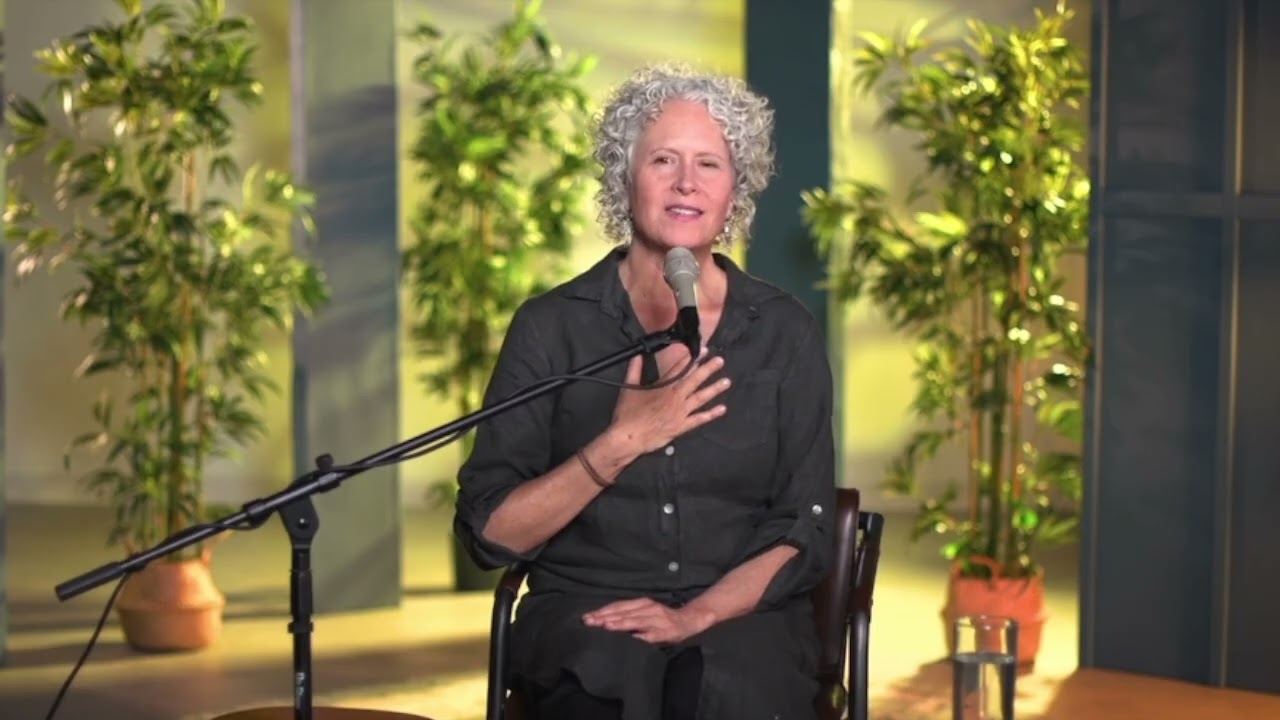
Malte Marten's one-hour video "Nervous System Regulation (999 Hz)" is a single unbroken handpan session, just over an hour long, posted on April 24, 2026, and it has already drawn more than 15 million views. Its written description makes one argument worth taking seriously: that sometimes all a person needs is less noise, less action and less input, and that the point of such quiet is not escape but return. This piece looks at what that idea means for someone who presses play, what the video does and does not claim, and how to use an hour of continuous music as a deliberate pause rather than background noise.
Imagine the lights are low, the phone is face-down, and nothing is scheduled for the next hour. You press play on a video that opens with no title card and no talking head. The first thing you hear is music. The captions, which are automatic, render most of the opening as a bracketed "[music]" tag, broken up only by a few short fragments. The first one it catches is a question: "Are you happy?"
That is the whole method of the piece in miniature. There is no lecture, no guided breath count, no instruction to close your eyes. There is a player, an instrument and time. For a listener who has been scrolling for an hour, the absence of an argument can be the most disorienting part. The body, used to a new hook every few seconds, has to learn to stay put.
Handpan music suits that kind of staying. The instrument is a percussive, tuned instrument whose notes ring and then settle, and a long session gives those notes room to decay into one another. In this video the captions mark whole stretches as pure music, with almost no spoken or sung text for minutes at a time. Attention that has been wrestling with words gets a rest, and often the first few minutes are the hardest, because the mind keeps reaching for a plot that is not coming.
The description is more interesting than most video descriptions, because it is doing the teaching. Marten writes: "Silence is not empty. Silence is full. It holds the things we haven't had time to feel yet, the answers we've been too busy to hear." That single line carries the whole premise. Silence here is not a vacuum waiting to be filled by productivity or distraction. It is a container, and what it holds is material that ordinary busyness pushes aside.
He is also precise about motive. The description says the quiet is "Not to escape, not to hide, but to return." That distinction matters. Escape means leaving the nervous system to wait out whatever is happening. Return means coming back to a baseline you already have, the part of you that exists "underneath all the doing and the constant stream of impressions the world asks us to absorb." In the language of the video, the hour is less a treatment than a homecoming.
The description names the outcomes it hopes for in plain terms: to "reset the nervous system," to "calm the mind," and to "remember who we are." Those are aspirations, not clinical promises, and it is worth reading them that way. The video offers a condition to step into. What happens inside you during that hour is yours to notice.
The title pairs "Nervous System Regulation" with "999 Hz," and it is natural to wonder what the frequency is doing. The description does not explain it. It does not say why 999 Hz was chosen, how it was tuned, or what it is supposed to do that other keys or tunings would not. Anyone who searches for a scientific account of that number will not find one in the material here, and this article will not supply one.
What the description does give is the instrument: a C Aegean handpan made by Ayasa Instruments. A reader who wants to understand the sound at a craft level can start with the instrument's own name and key, then listen for how the notes sit against one another across the hour. The honest reading is that the frequency is part of the title's branding and mood, and the explicit claim the creator makes is about silence and return.
Automatic captions are a crude instrument, and it is worth being plain about what they show. The transcript for this video is mostly bracketed "[music]" markers. Between them, the captions catch short fragments that read like phrases: "You never," "All the way home," "You got me," "If you know me," "It's coming." A refrain appears again and again in the captions as "Heat. Heat." These may be sung or vocalized sounds that the software is trying, imperfectly, to spell. They may also be misheard. Treat them as the captioning tool's guesses, not as confirmed lyrics.
Even so, the pattern is useful for a listener. Short, repeated shapes returning across the hour give the long piece a sense of recurrence, the way a chorus returns in a song. That recurrence is part of what keeps an hour from feeling shapeless. You are not waiting for a climax; you are noticing the same figures come back, slightly changed, each time you hear them.
The simplest approach is also the one the description implies. Choose a time when you are not driving, working or responding to anyone. Sit or lie down where you can hear without needing to act. Put the phone out of reach, because the video's whole argument is about reducing input, and the surrounding feed will undo the work in seconds.
Then let the first ten minutes be restless. Many listeners will reach for the screen, check the time, or start planning. Treat that as part of the process, not a failure. The description speaks of "the things we haven't had time to feel yet." Those things sometimes surface as restlessness, boredom or a sudden wave of an old memory before they settle.
You do not have to stay for the full hour. The video is long enough to be a session and short enough to be a single sitting. If you stop early, you have still done what the piece asks: you chose less input, for a while, on purpose. The aim, in Marten's own framing, is to come back to yourself, and you can come back at minute twenty as well as minute sixty.
The material gives a limited picture. The channel is Malte Marten's, and the video is credited to him as speaker and performer. The description points to a handpan learning course called Handpan Fundamentals, to a mailing list that offers a secret album and free learning videos, to a live show page, to a Spotify artist profile, and to social accounts on Instagram and TikTok. It also lists a shop for buying a handpan and a donation link. It does not supply a longer biography, and this article does not fill that gap with details from elsewhere.
What the listener gets from this particular hour is a clear, rare offer: a long stretch of music with no argument to follow, and a single idea to hold while listening. Silence is not empty, and returning is not the same as escaping. Whether the 999 Hz tuning does anything beyond that is a question the video leaves open. The rest of the hour is up to the person pressing play.
If the idea of silence as a container appeals to you, the best next step is simply to schedule one uninterrupted hour this week and try the video in full. Keep a notebook nearby and write down what surfaces, in the spirit of the description's line about the things you have not had time to feel. If you play an instrument yourself, the description's pointers to a handpan course and to the Ayasa instrument are the creator's own starting points. And if you want a second source of quiet, choose a different long piece of unhurried music and compare how the first ten minutes differ from the last ten.