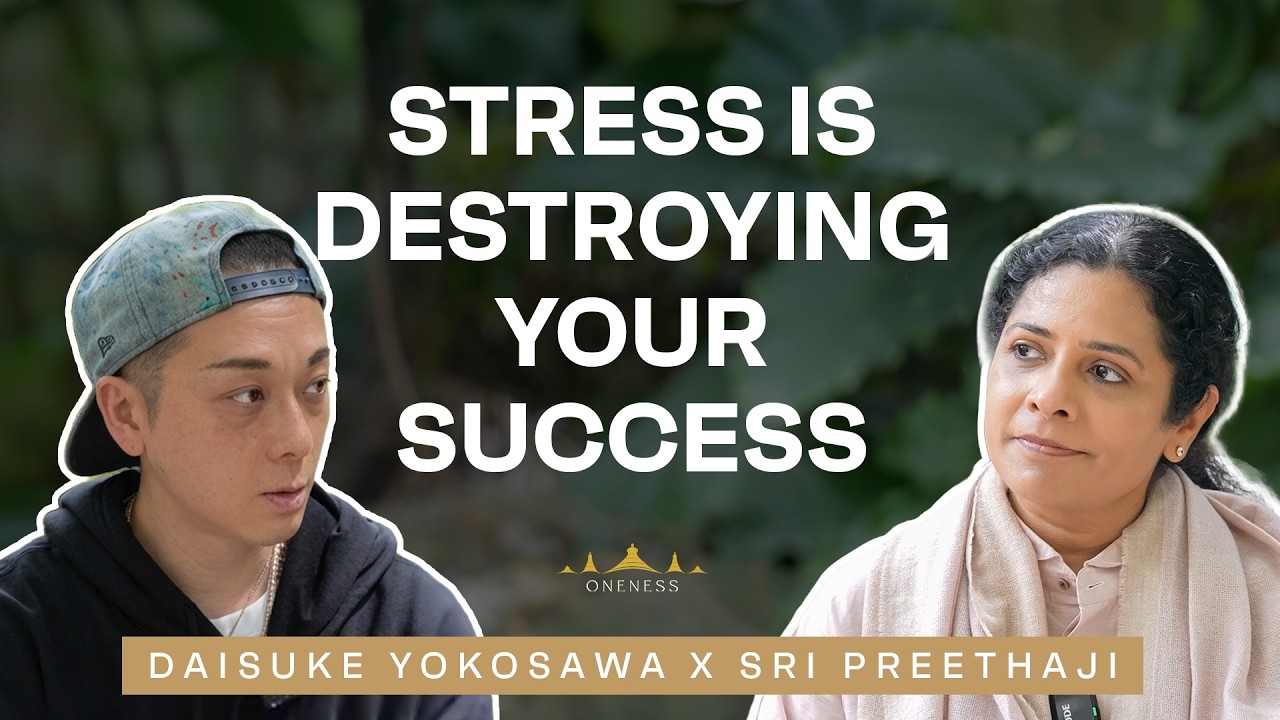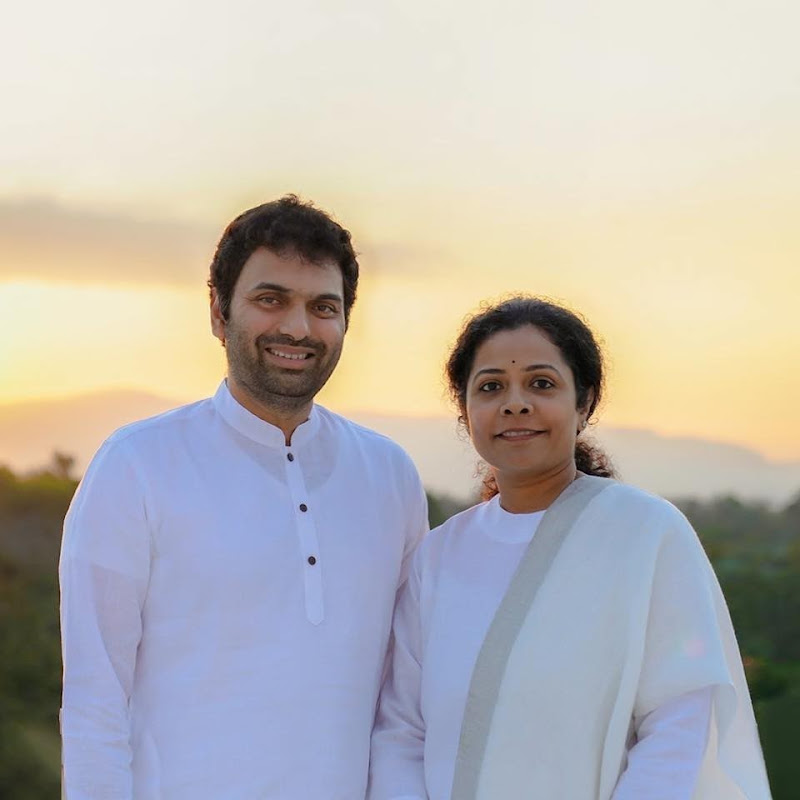
Sri Krishnaji emphasizes that the Oneness teaching is not a religion but rather a synthesis of ancient Eastern mysticism and Western scientific approaches designed to dissolve stress and generate abundance. The path explicitly encourages practitioners to maintain their existing religious traditions while integrating these complementary practices that unite the head (intellect/logic) with the heart (intuition/emotion).
Why the Oneness Path Doesn't Require Religious Conversion
A fundamental misconception about spiritual or transformational movements is that they demand adherence to a specific faith system or require abandoning one's existing religious identity. Sri Krishnaji directly addresses this concern in his statement: "Remember, what we teach is not religion. You already have yours, and we like to keep it that way." This clarification is central to understanding the Oneness Movement's approach to personal development and consciousness work.
Rather than positioning itself as an alternative religion, the Oneness framework operates as a methodology—a set of practices and principles that can coexist with any established faith tradition, whether Christianity, Islam, Judaism, Hinduism, Buddhism, or secular worldviews. This inclusive positioning removes a significant barrier for seekers who may be drawn to consciousness-based practices but feel loyalty to their inherited or chosen religious community.
How Does Blending Mysticism and Science Create Practical Results?
The Oneness approach explicitly describes itself as "a blend of ancient mysticism and modern science," which Sri Krishnaji frames as "East meets West." This synthesis addresses a central tension in contemporary spirituality: the divide between experiential, intuitive practices rooted in ancient traditions and the evidence-based, systematic frameworks valued in modern culture.
Ancient mystical traditions—drawn from yogic, meditative, and contemplative practices spanning thousands of years—offer refined techniques for accessing inner states, cultivating awareness, and working with subtle dimensions of human experience. Modern science, by contrast, provides validation, measurable metrics, and neurological understanding of how these practices affect the brain, nervous system, and stress-response mechanisms.
By integrating both, the Oneness framework addresses two different modes of knowing: the empirical (what can be measured and replicated) and the experiential (what is directly lived). A practitioner can engage with meditation techniques rooted in ancient wisdom while also understanding the peer-reviewed research showing that such practices reduce cortisol, lower blood pressure, and enhance emotional regulation.
What Does "the Head and Heart" Coming Together Mean in Practice?
Sri Krishnaji's phrase "the coming together of the head and the heart" points to the integration of two fundamental human faculties that modernity often separates. The head represents intellect, logic, analytical reasoning, and the cognitive understanding of systems. The heart represents intuition, emotional wisdom, relational capacity, and direct sensing of meaning.
Western culture, particularly through its scientific and technological development, has historically prioritized the head—rational, measurable, externally verifiable knowing. Many spiritual traditions, conversely, emphasize heart-centered knowing—direct experience, felt sense, inner guidance. The Oneness path positions itself as intentionally bridging this split, recognizing that sustained transformation requires both dimensions working in concert.
In practical terms, this might mean: studying the neuroscience of meditation (head) while also sitting in silent practice and directly experiencing the shift in consciousness (heart); understanding the philosophical framework intellectually (head) while also allowing the practices to reshape one's emotional and relational capacity (heart); using logical inquiry to understand stress patterns (head) while cultivating compassion for one's suffering (heart).
What Specific Outcomes Does This Path Aim to Generate?
The Oneness teaching targets two primary results: freedom from stress and the creation of abundance. These are not presented as spiritual abstractions but as tangible dimensions of human experience.
Dissolving stress refers to the reduction of the chronic nervous-system activation that pervades modern life. Stress, from the Oneness perspective, is not merely psychological—it is a physiological and energetic pattern that can be systematically worked with through specific practices. Ancient mystical techniques combined with modern understanding of the stress response create a direct pathway to nervous-system regulation.
Creating abundance extends beyond financial prosperity to encompass multiple dimensions: wealth, joy, love, and peace, as explicitly mentioned in the movement's description. This suggests a holistic conception of abundance as the natural outcome when stress is resolved and consciousness expands. Rather than pursuing abundance through willpower or external achievement alone, the framework proposes that abundance emerges when inner blocks are cleared and one's awareness shifts.
How Does This Framework Fit Within Existing Religious Life?
The explicit statement that the Oneness path preserves practitioners' existing religious identity is significant. A Christian, Muslim, or Jewish participant would not be asked to replace their faith but rather to add complementary practices that deepen their capacity for presence, peace, and compassion—qualities valued across all major faith traditions.
This approach recognizes a subtle distinction: religion typically addresses ultimate meaning, cosmology, moral law, and community belonging. The Oneness methodology addresses the direct management of consciousness, the nervous system, stress reactivity, and the cultivation of inner states. These operate at different levels and can function synergistically. A person might maintain their religious worldview and community while gaining practical tools that make them a calmer, more present, more loving participant in their faith tradition.
Where to Go From Here
For those curious about integrating this approach without compromising existing beliefs, the Oneness Movement offers a free three-day online summit (the Oneness Global Summit) held in July. This format allows practitioners from any background to explore the teachings, experience guided practices, and determine whether the approach resonates with their own path. The emphasis on free access, global participation, and preservation of religious diversity suggests an intention to make these tools widely available rather than create an exclusive community.
The core message—that one can deepen consciousness, reduce stress, and generate abundance while remaining true to one's inherited or chosen faith—addresses a common hesitation among spiritually curious people. By refusing to function as a religion while offering concrete practices rooted in both ancient wisdom and contemporary understanding, the Oneness path positions itself as a complement to rather than replacement for existing spiritual frameworks.