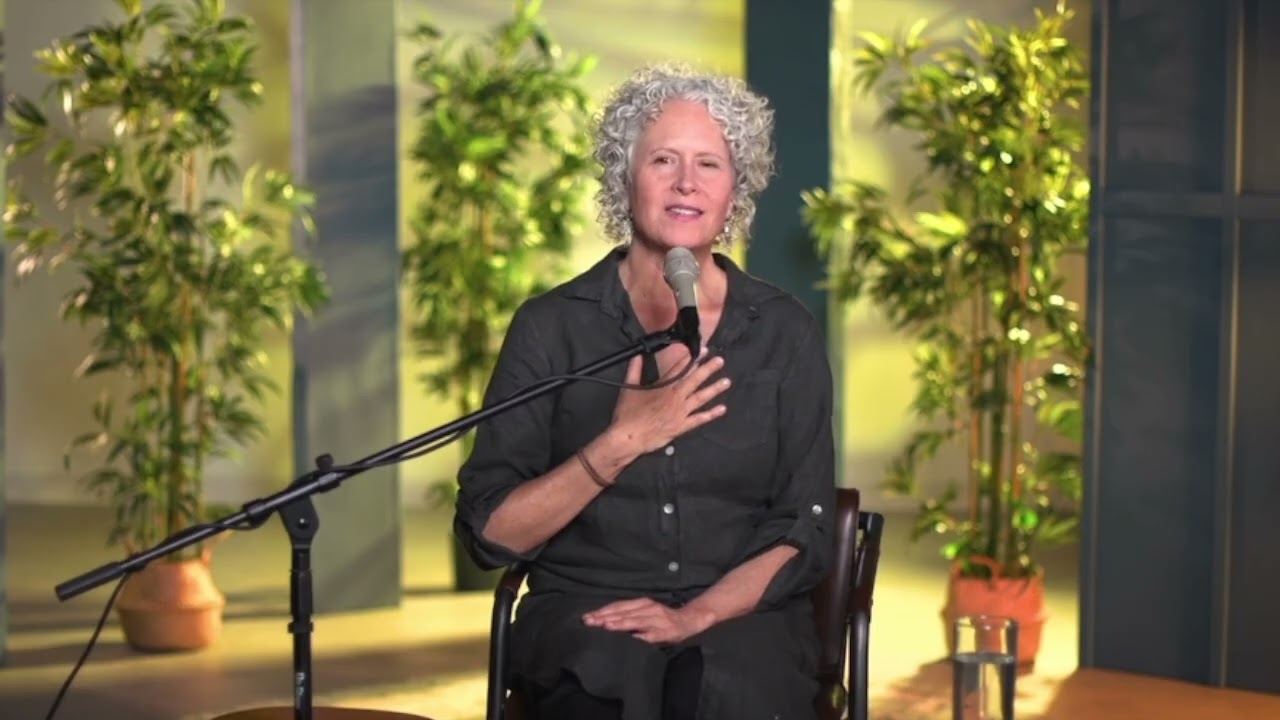
Five minutes of spoken text, a breath cue, and a closing wish for a good day: that is the whole form of the guided affirmation session Raissa Zoccal posted in December 2018, and it has since drawn more than six million views. The text is not her own. Her video description identifies it as material drawn from the free content of The Miracle Morning, and it is spoken aloud over a soft musical bed. Read closely, it is a compact philosophy of effort: success is treated as something a person can reach for, the only real gap between people at the top and everyone else is framed as commitment, and the practice is designed to be repeated every morning until it reshapes what the speaker does. What follows is an attempt to explain how those ideas are built, and why the structure matters more than any single line.
The opening frame is simple. Zoccal asks the listener to connect with the breath, then let the words "touch the deepest part of your mind, your subconscious, and your being." That is an instruction about posture as much as content. The affirmations are not meant to be skimmed on a phone; they are meant to be spoken slowly while the body is still settling, which is why the video begins with a breath cue before a single claim is made.
The description is explicit that this is non-authored text, pulled from the book's free material. That matters for anyone searching for the source. The words belong to the book's framework, and Zoccal's contribution is the reading, the pacing, and the decision to package them as a short meditation that a person can return to. Many readers will first meet the text this way, through a voice in their headphones, rather than on the page.
The first claim does the most philosophical work in the piece. At 0:29, the listener hears: "I am just as worthy, deserving, and capable of achieving my goals and reaching extraordinary levels of success as anyone else in the world." Notice what is absent. There is no target, no number, no product. The affirmation establishes parity first. Before the speaker commits to anything, she asserts that the capacity to achieve is not reserved for a special class of people.
That parity is then pushed into the central argument. The line that gives the video its spine arrives at 0:45:
"And the only thing that separates me from those who are already at the top of success is my level of commitment." (Raissa Zoccal, guided affirmation video, 2018)
This is a bold reduction. It removes talent, background, and luck from the explanation of why some people are further along, and places the gap in a single variable the listener can, at least in principle, change. Whether that reduction is fair is a legitimate debate. But as a piece of motivational architecture, it is precise: it converts an envy-inducing comparison into a question the listener can act on this morning.
The middle of the text tightens the screw. At 0:55 comes the phrase "I am 100% committed to becoming the person I need to be through daily personal development and discipline." The word "daily" recurs, and it is not decorative. A little further on, at 1:39, the listener hears the operative promise: "I commit to reviewing these affirmations at least once a day, in the morning, when I wake up." The text is quietly writing its own schedule into the sentence.
Then comes the step that separates an affirmation from a wish: "Next, I will immediately take the necessary steps today to get where I want to be." The sequence is worth noticing. The affirmation names an intention, pairs it with a time, and immediately requires action. The line "I will no longer connect with levels of success and achievement below what I am truly capable of and deserve" continues the pattern, turning self-image into a standard the speaker will refuse to lower.
There is also a moral texture in the commitment passage. The speaker says she must "do what is right as opposed to what is easy." That phrase is a familiar one in contemplative and ethical traditions: it names the gap between comfort and integrity, and asks the practitioner to choose the harder path on purpose. In the affirmation, the choice is framed as a personal vow rather than a rule imposed from outside.
Many affirmation texts stop at personal ambition. This one does not. At 2:46 the speaker says, "I fully understand that I cannot sustain success unless it is based on truth and integrity," and she follows it with a commitment to "keep the well-being of others in mind" and avoid "any selfish activity or activity that does not benefit everyone involved."
The logic is that success which harms others is not durable. The text makes that argument in plain terms: "By doing this, I will inspire other people to help me because of my desire to help others." Here the ambition is reframed as relational. Other people become the mechanism by which the speaker's goals are reached, not obstacles to be outpaced.
The strongest passage in this vein is the list at 3:08:
"I will eliminate hatred, envy, jealousy, selfishness, and cynicism by offering love to all of humanity. Because I know that a negative attitude towards others can never bring me success." (Raissa Zoccal, guided affirmation video, 2018)
The phrasing is blunt, and the practical reasoning is folded into the emotional one. Envy and cynicism are named as liabilities, not just moral failings. The closing couplet, "I will make people believe in me, because I will believe in them, and in myself," ties trust to reciprocity: belief is extended outward before it is expected inward.
The video's own explanation of method is the most useful piece of the whole structure. At 3:36 the speaker says the affirmations should be repeated "once a day, fully believing that they will gradually influence my thoughts and actions so that I can become the successful and self-sufficient person I know I can be." The word "gradually" is important. The text does not promise an instant shift. It describes a slow reshaping of thought and behavior through regular exposure.
That expectation explains the morning placement. The first thing a person hears or reads on waking is the thing they carry into the day, and the text sets up a loop: review the affirmations on waking, take the step immediately, then return to the words the next morning. Read this way, the affirmation is less a declaration than a standing appointment.
The closing line, at 4:03, returns the piece to the present tense: "Today and always, I choose to create the best day of my life." The choice is restated daily. Nothing in the text is framed as a finished accomplishment; it is always a decision being renewed.
Three approaches make the most of it. First, read or listen to it slowly, the way the video does, with a breath before the first line. The text is built for pacing; rushing it turns the commitments into noise. Second, pick one line per week to examine. The clause about "truth and integrity," or the list of envy and cynicism, can be tested against actual decisions rather than simply repeated. Third, keep the morning anchor. The text's logic depends on the timing, and a practice that is recited at random hours loses the structure the author intended.
A note of caution belongs here too. The video's own description says that yoga and meditation tools are most useful alongside medical and therapeutic care where that is relevant, and affirmations are no exception. A text about self-belief should never be used to override professional advice about health or mental wellbeing.
The video is short, but it teaches a durable lesson about how motivation is built. It begins with worth, moves to commitment, insists on integrity, and ends with repetition. Each step depends on the one before it. That architecture, rather than any single slogan, is what gives the text its staying power.
Listen to the full video once without pausing, then play it again and stop at the lines that resist you. Those are usually the ones worth writing down. If you want the original framework, the description points to the book's free material, which is the best place to compare the spoken version against the source text. Then try the simplest version of the practice: wake up tomorrow, take one breath, read the commitment about the day, and take the first concrete step the text asks for before the morning is over.