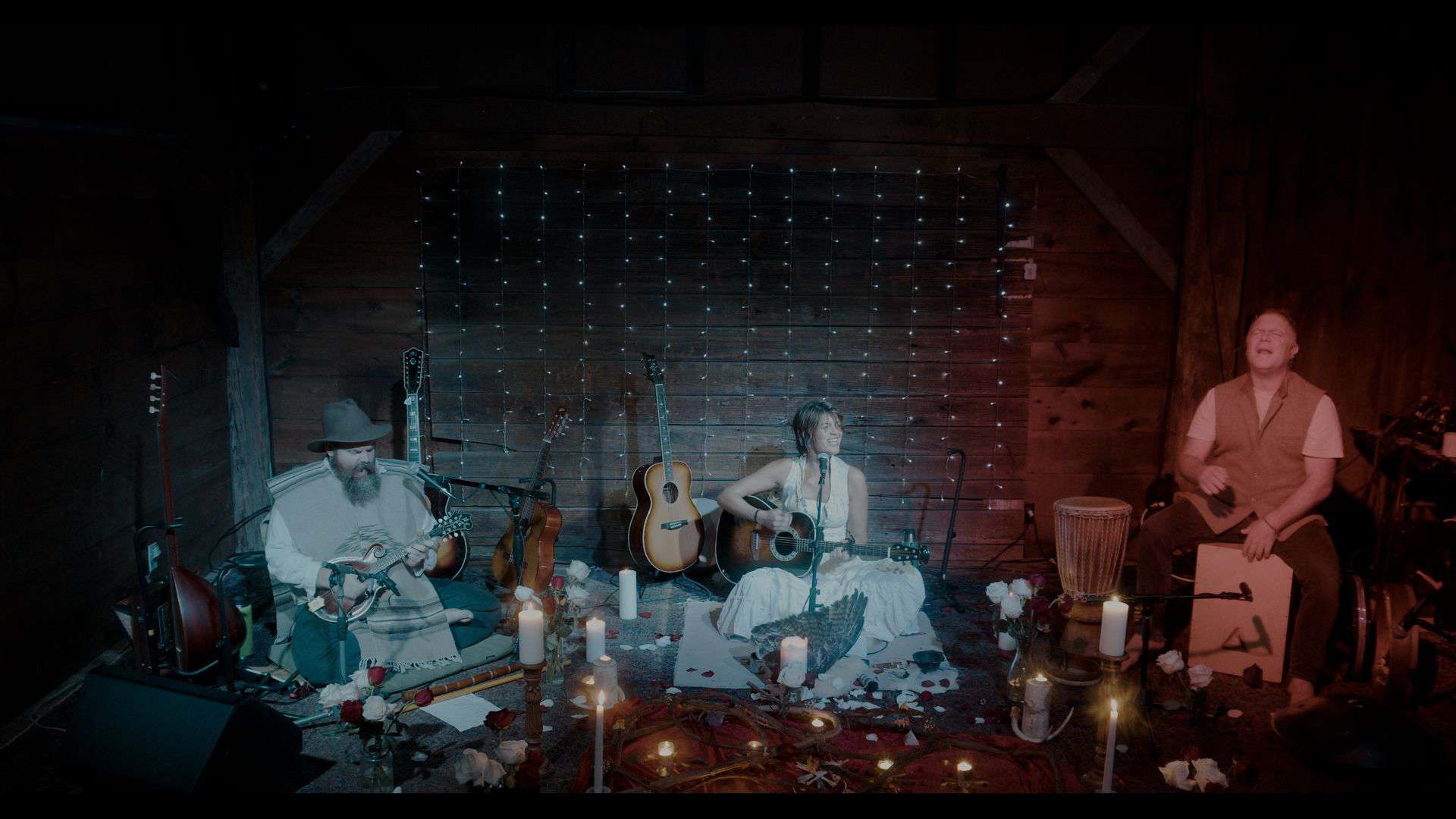
In March 2020, as COVID-19 shut down live performance venues, Club Passim launched Keep Your Distance Fest, a virtual music festival designed to help musicians in their community who lost income overnight. The festival raised funds for the Passim Emergency Artist Relief Fund (PEAR Fund), which provides direct financial assistance to musicians dependent on gig work. Matt Smith, managing director of Club Passim, explains how the venue pivoted to support its artist community when traditional income streams disappeared.
Keep Your Distance Fest was a virtual music festival organized by Club Passim in response to the immediate financial crisis facing musicians during the COVID-19 pandemic. Rather than canceling performances entirely, the venue created a format where musicians could contribute videos, performances, or other content that would be shared online, with proceeds benefiting the PEAR Fund. This approach allowed artists to maintain some connection to their audience and generate income while physical venues remained closed.
The festival operated as a direct response to a specific and urgent problem: musicians who depend on live performances for their livelihood suddenly had no gigs and no income. Unlike artists with recording royalties, publishing deals, or salaried positions, gig musicians had no safety net. They couldn't work remotely. Club Passim recognized this vulnerability and mobilized its platform to create an alternative.
The Passim Emergency Artist Relief Fund (PEAR Fund) addressed a structural problem exposed by the pandemic: the precarity of the gig economy for musicians. Club Passim understood that many of the musicians who performed at the venue had no unemployment insurance, no paid leave, and no way to adapt their work to a virtual or remote format. A single-income household that relies on three or four performances per week suddenly had zero income with no foreseeable return to normal.
The fund was designed to provide direct financial aid to musicians in immediate need. Rather than waiting for government stimulus payments (which were themselves delayed), the PEAR Fund could move quickly to help artists pay rent, buy food, and cover basic expenses during the shutdown. It was community-based mutual aid: a venue using its platform and audience to support the artists who had made the venue's reputation.
Matt Smith explained that musicians could contribute to Keep Your Distance Fest by submitting video performances, recorded content, or other creative work that would be shared through the Club Passim platform. The festival removed the barrier of needing a physical space to perform and reach an audience. Instead, musicians could record at home, using whatever equipment they had available, and submit their work to be part of a curated online event.
This format had several advantages:
- Musicians could participate without exposure risk
- Artists retained flexibility in when and how they recorded
- Performances could be edited, overdubbed, or produced to whatever standard the artist preferred
- The content would remain available online beyond the festival's duration, extending its value
- Participation was low-cost, requiring no venue rental, sound system, or travel
The submission process was straightforward, designed to be accessible to musicians with varying levels of recording experience and equipment. Club Passim positioned itself not as gatekeeper but as facilitator, channeling audience attention and generosity toward artists who needed immediate support.
The pandemic exposed a fundamental weakness in how the gig economy operates for musicians. Unlike employees with health insurance, sick leave, and unemployment benefits, gig workers face complete income loss if they cannot work. There is no employer safety net. Insurance, retirement savings, and benefits are entirely the worker's responsibility—and most musicians operating on gig income cannot afford comprehensive coverage.
When live performance became impossible overnight, the income didn't taper gradually. It stopped completely. A musician with five gigs per week suddenly had five gigs per week at zero dollars. No income replacement, no severance, no unemployment eligibility (in many cases, because they were classified as independent contractors). The only options were to quickly find other work (difficult with no notice, amid a lockdown) or to draw down savings (which most gig musicians don't have).
Club Passim's response acknowledged that this wasn't a problem individual musicians could solve alone. It required community action—venues, audiences, and the broader music ecosystem supporting each other through the crisis.
For musicians: Keep Your Distance Fest demonstrated that virtual performances could reach audiences and generate income, even if they lack the energy of live shows. Understanding how to produce and share recorded performances became an essential skill during the pandemic and beyond. Musicians interested in diversifying their income streams can explore hybrid models combining live and recorded performances.
For venues and arts organizations: Club Passim's PEAR Fund model offers a replicable approach to artist support during crises. Rather than passively accepting that closures mean total loss, venues can use their platform, audience relationships, and credibility to mobilize resources directly to artists. The fund-raising mechanism (festival + direct giving) can be adapted for other communities and other crises.
For audiences: Supporting virtual music events, contributing directly to artist relief funds, and recognizing the structural precarity of gig work encourages sustainable models for the music ecosystem. When audiences understand why musicians need support, they become active participants in sustaining the culture they value.


